
Standard Lead Free Alloy Behavior in Surface Mount Soldering
Standard lead-free solder demands higher peak reflow temperatures, tighter profile windows, and strict wetting control to prevent brittle intermetallic defects.
Standard lead-free solder demands higher peak reflow temperatures, tighter profile windows, and strict wetting control to prevent brittle intermetallic defects.

Multiaxial hydrostatic tension accelerates vacancy influx into intermetallic grain boundaries, causing rapid microvoid coalescence and sudden interfacial rupture.
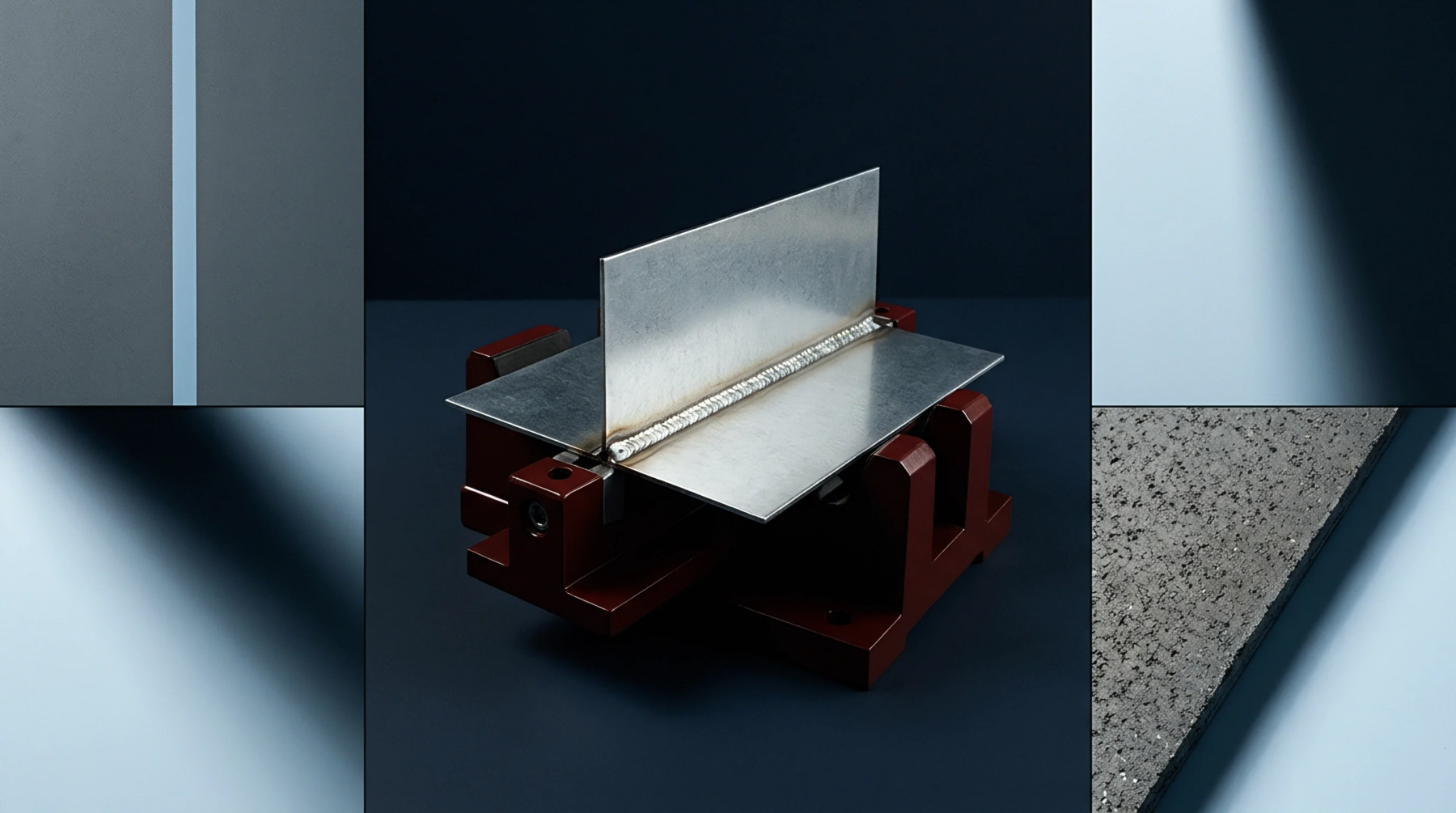
Latent solder failures require contract indemnity tied to physical metallurgical thresholds rather than assembly workmanship standards to guarantee cost recovery.
Thermal gradients over 1000 K/cm shift phase boundaries via thermomigration, causing fast metallization loss and voiding that isothermal testing misses.

Accelerated thermal cycling models coupled with intermetallic void area fraction measurements quantify fatigue life and prevent catastrophic field failures.
Unsanctioned lead-free solder alloy substitution accelerates intermetallic growth and Kirkendall voiding, causing early joint failure under thermal fatigue.
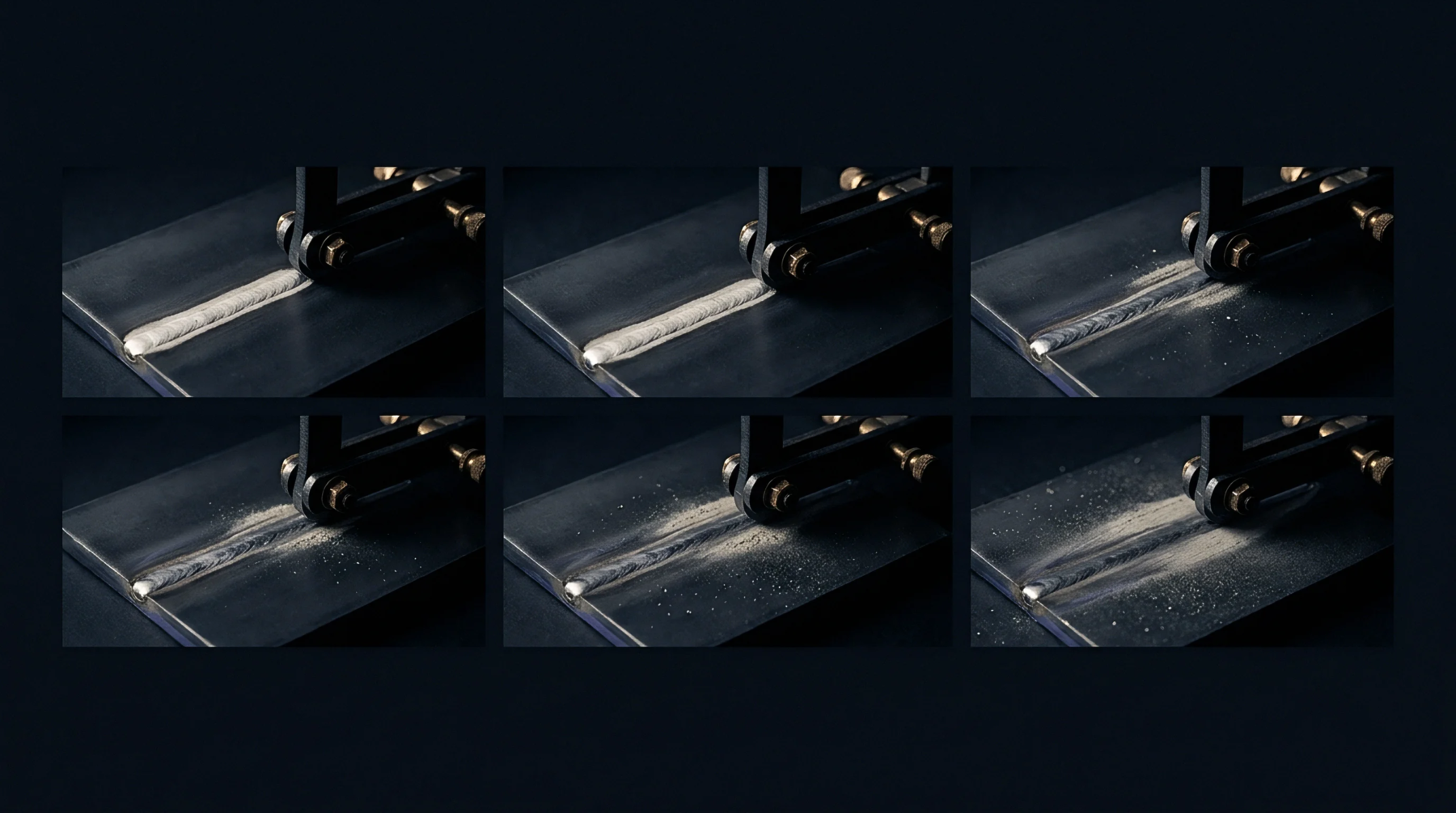
Substrate dissolution accelerates in lead-free solder, demanding tight thermal controls, barrier finishes, and routine bath dilution to avoid joint failure.
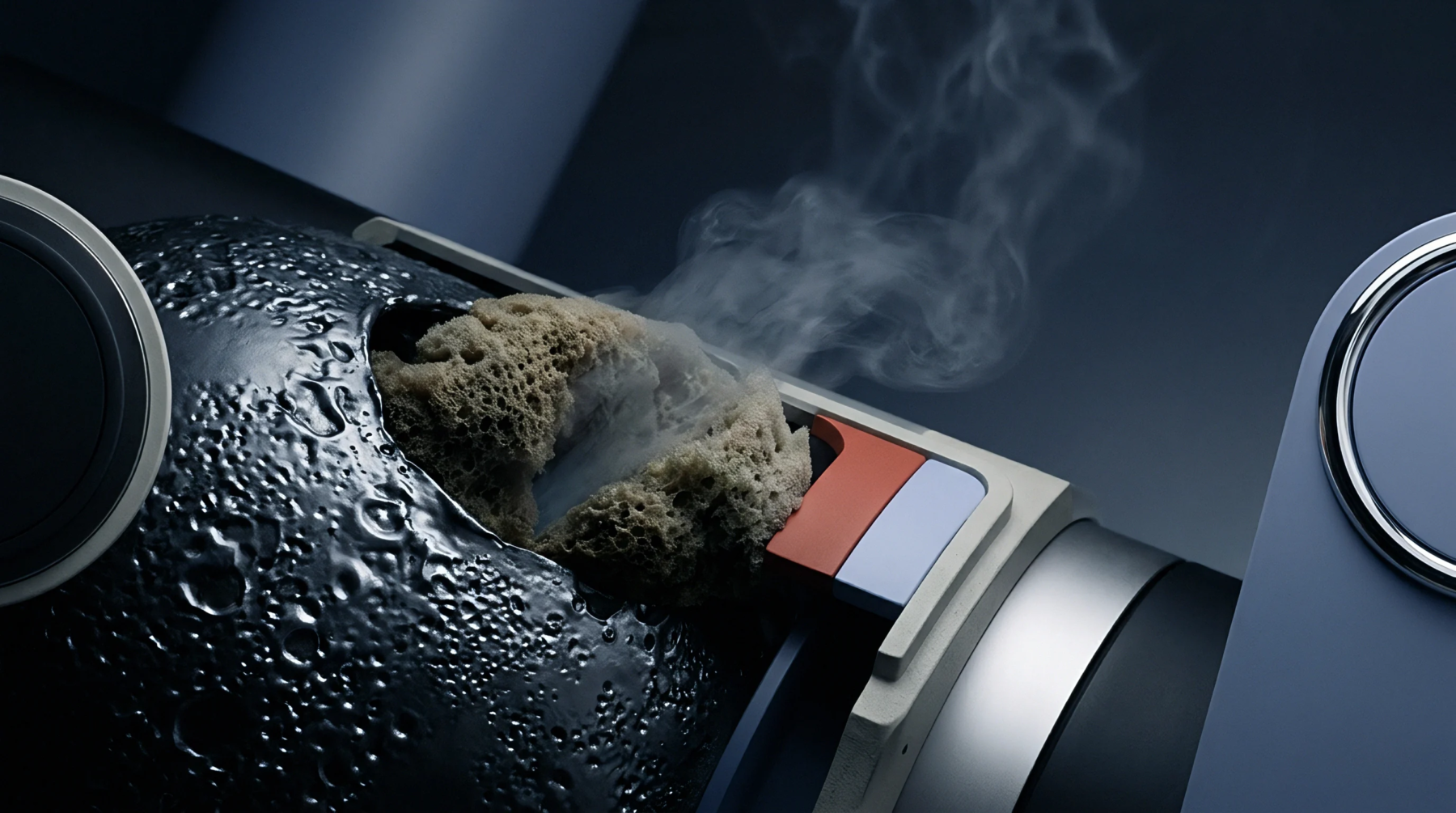
Thermal acceleration factor modeling requires multi-temperature calibration to capture activation energy shifts and prevent premature interfacial joint shear failure.

Phase field simulations predict Kirkendall void coalescence at micro bump interfaces, guiding plating bath controls and barrier layer metallurgy to prevent failure.
Point defect energetics dictate diffusion and creep kinetics in lead-free solder joints; controlling them requires strict alloy purity and reflow thermal caps.
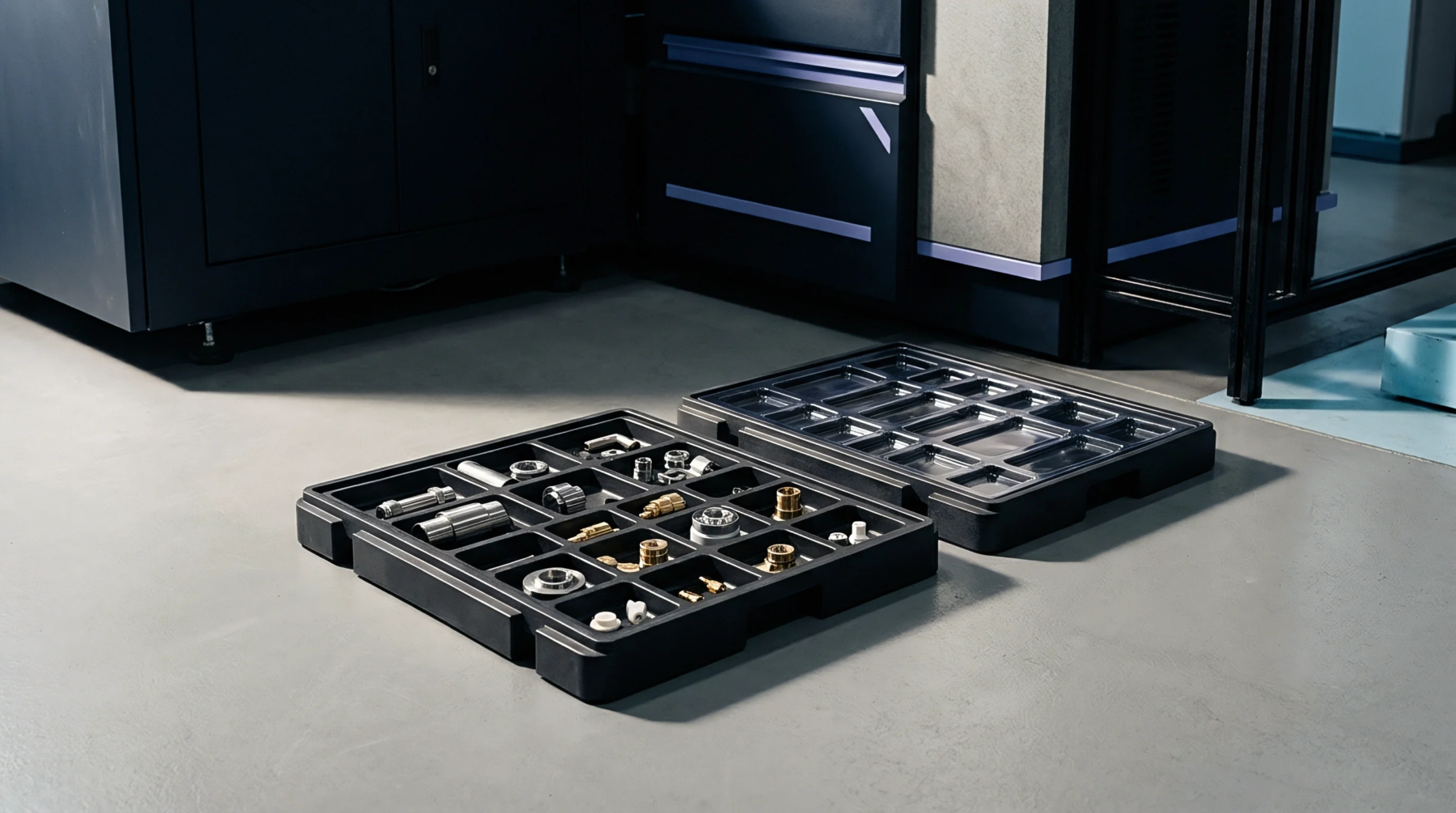
Deriving Arrhenius kinetic parameters from isothermal bake matrices calculates real-world solder joint life and sets objective rejection limits.
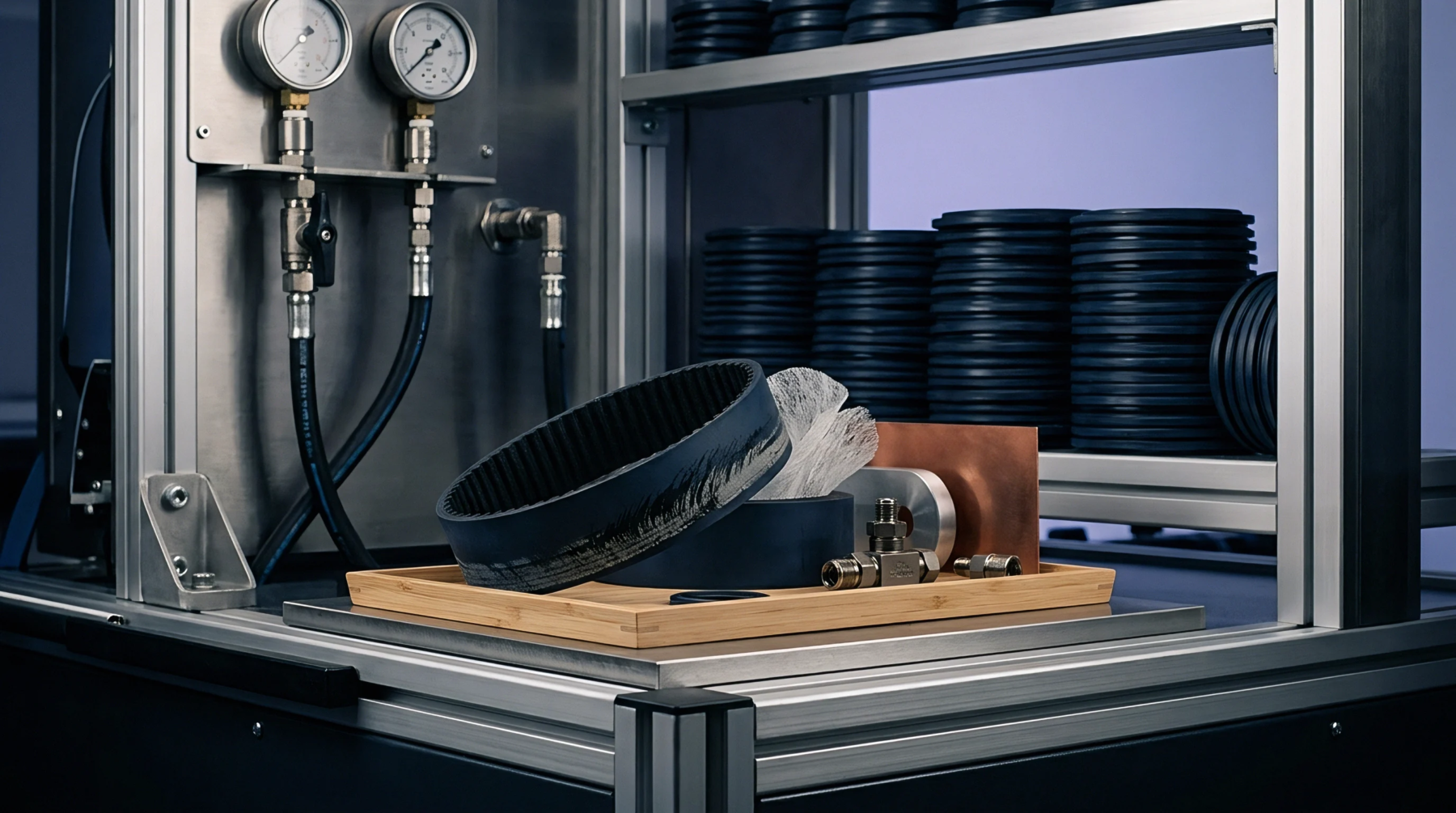
Electromigration and thermomigration kinetics in lead-free microbumps dictate interconnect lifespans through coupled atomic flux and tin grain orientation.

Temperature gradients exceeding 1000 K/cm drive thermal migration in fine pitch microbumps, demanding barrier metallurgy to prevent void formation.
Expertise is a utility, not a secret. sentiention™ publishes its working knowledge as open reference: intelligence layer covering the materials it sources, the markets it enters, and the reference that serves both.