Meaning
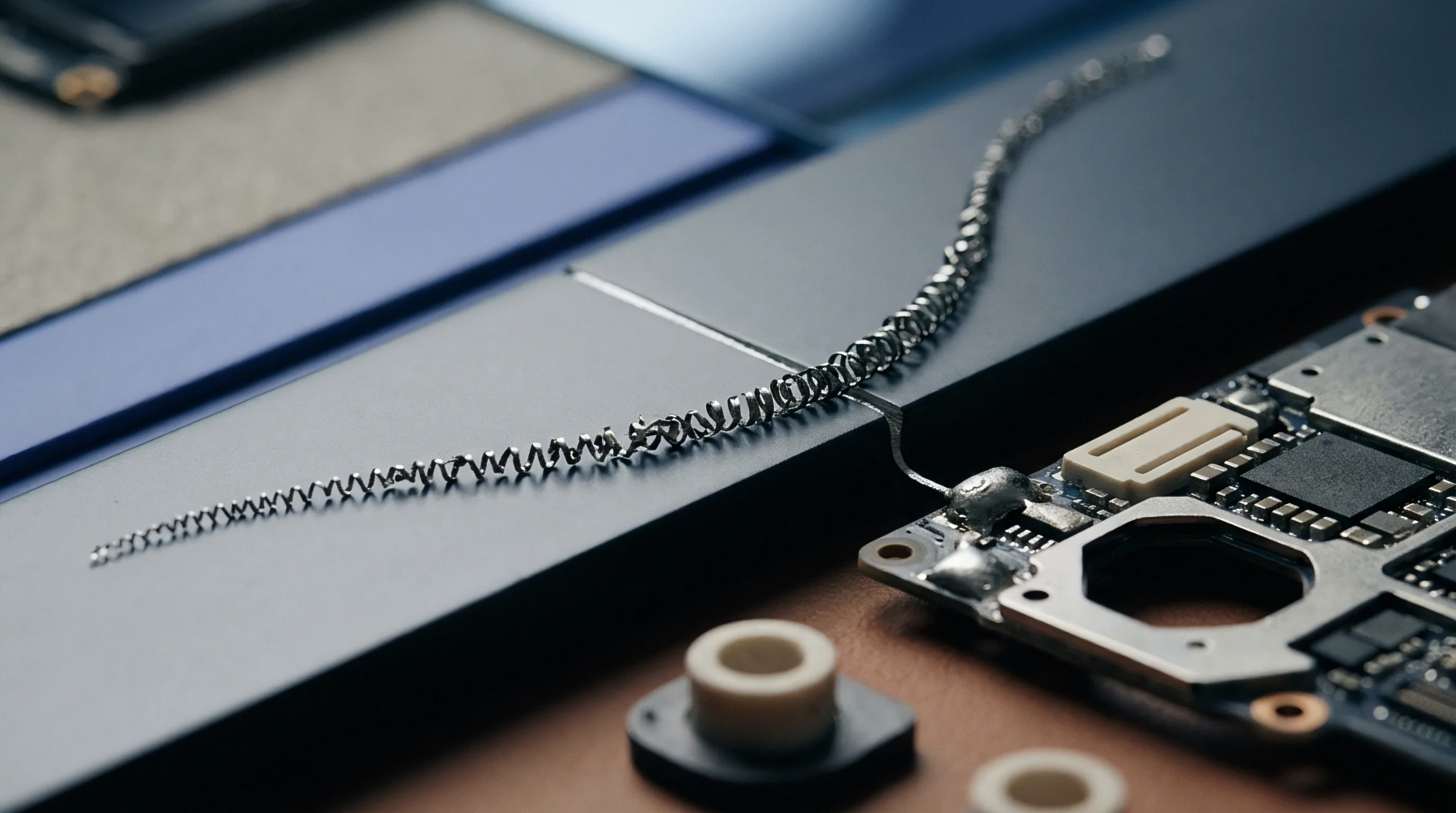
Solid state phase reaction products form at the interface between copper substrates and tin based solders during thermal processing or long term aging. The cu6sn5 intermetallic compound develops when molten tin reacts with a copper surface to create a crystalline structure. This layer serves as the primary metallurgical bond securing joints in microelectronic assemblies.
Thermal energy drives the diffusion of copper atoms into the tin matrix until atomic ratios stabilize at the defined chemical stoichiometric point.
Formation Kinetics
Rate constants for layer growth follow a square root relationship with time during early developmental stages. Diffusion through the lattice structures governs the thickness of the cu6sn5 intermetallic material. Manufacturers monitor these dimensions because excessive thickening creates brittle zones prone to mechanical fracture under vibration or thermal shock.
Periodic inspections verify that growth remains within the specified tolerances mandated by international microelectronic standards.
Compliance Authority
Administrative oversight regarding metallic bonding originates from the standards committees governing lead free solder implementation in high reliability components. Verification procedures require laboratory analysis of cross sectional samples to confirm phase purity. Foreign suppliers provide test reports showing the absence of prohibited alloy contaminants that would otherwise disrupt the formation of the cu6sn5 intermetallic boundary.
Audit protocols confirm that production batches comply with these metallurgical limits before final shipping occurs.
Operational Limit
Excess thickness prevents the structural integrity required for long service cycles in harsh environments. Thin films under specific micron thresholds lose the chemical anchoring necessary to survive mechanical stress. A cu6sn5 intermetallic layer exceeding the established stability ceiling shifts from a functional adhesive into a source of potential failure.
Precise thermal control during reflow cycles remains the sole method to maintain these dimensions within safe operational parameters.