Meaning
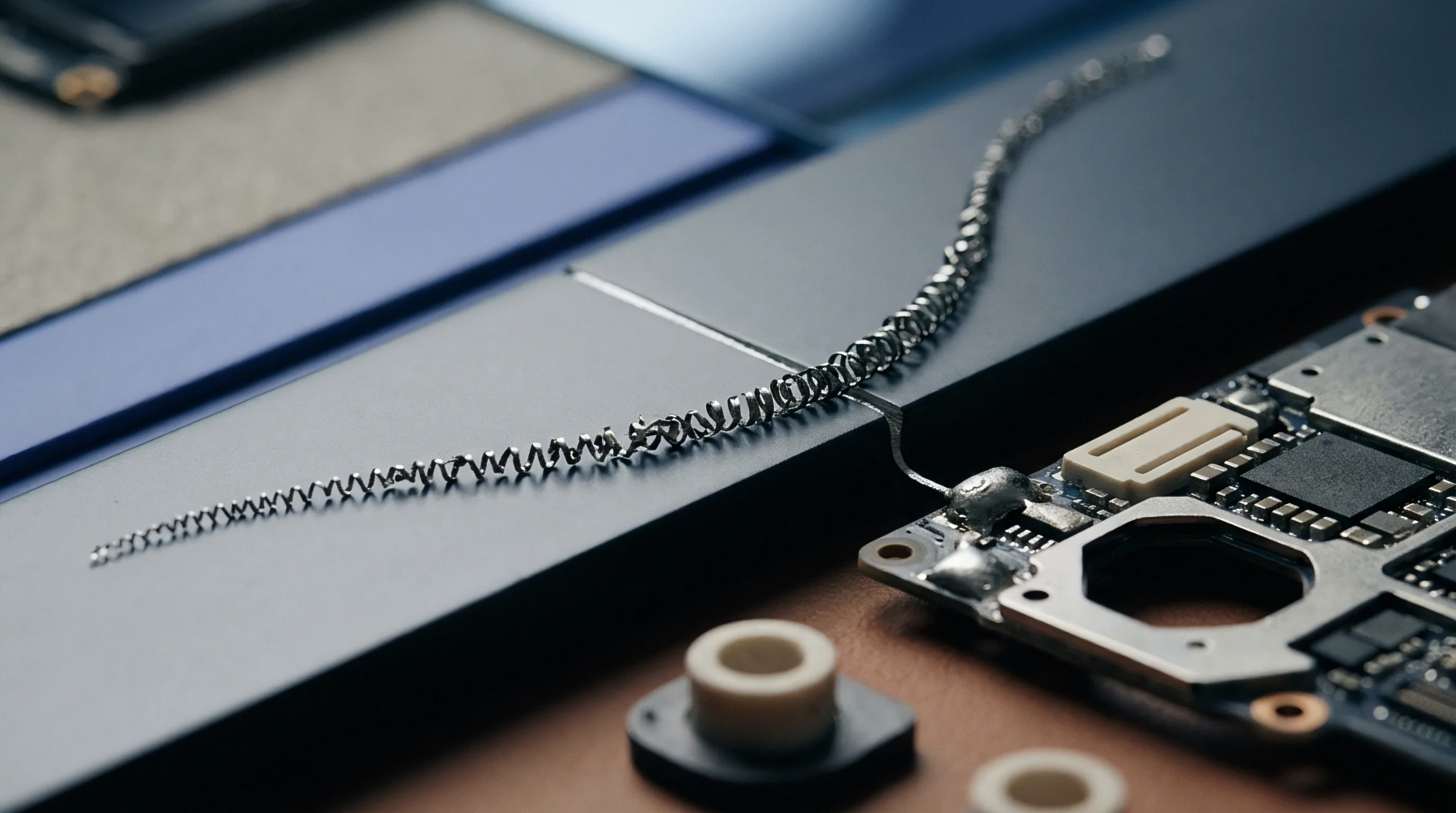
Failure mechanism involving the separation of material layers at a microscopic scale due to mechanical or thermal stress. The occurrence of micro-cleavage is often found in the brittle intermetallic layers of a solder joint. It represents a subtle form of degradation that can precede a total mechanical fracture.
Stress Point
Concentration of force at a specific location causes the atomic bonds within the material to break along a defined plane. During the thermal cycling of a circuit board, micro-cleavage may develop because the components and the substrate expand at different rates. These tiny cracks are frequently too small to be seen without the aid of a scanning electron microscope.
Failure Mode
Repeated exposure to vibration or heat allows these small separations to grow and eventually join together. If micro-cleavage is present in a structural weld or a solder connection, the electrical resistance of the path may increase before the joint fails completely. This progressive weakening makes the defect difficult to detect during standard functional testing.
In some cases, the circuit may operate normally at room temperature but fail when the assembly is subjected to the high temperatures of an operating environment. Such intermittent faults are a major challenge for field service teams.
Material Integrity
Selection of ductile alloys and the use of stress-relief features can reduce the likelihood of this type of failure. Since micro-cleavage is often the result of poor material choices or improper cooling rates during manufacture, process control is required for its prevention. Engineers often use cross-sectional analysis to identify the early signs of these cracks in test samples.