Wave Soldering Thermal Profile Calibration after Extended Factory Shutdowns
Calibrating wave solder thermal profiles after extended shutdowns prevents barrel fill defects, dross contamination, and micro-ball bridging.
Calibrating wave solder thermal profiles after extended shutdowns prevents barrel fill defects, dross contamination, and micro-ball bridging.

Solid-state diffusion parameters dictate lead-free PCB surface finish shelf life, intermetallic growth, and solder joint reliability under thermal exposure.
Hydrostatic stress gradients accelerate vacancy condensation in micro bumps, demanding coupled thermo-mechanical qualification to prevent field fatigue fractures.
Hydrostatic stress gradients drive vacancy migration in solder interconnects, accelerating interfacial voiding and demanding strict reflow cooling controls.
Thermal cycling degrades lead-free solder through interfacial intermetallic growth and dynamic recrystallization, which controlled reflow cooling and micro-alloying mitigate.
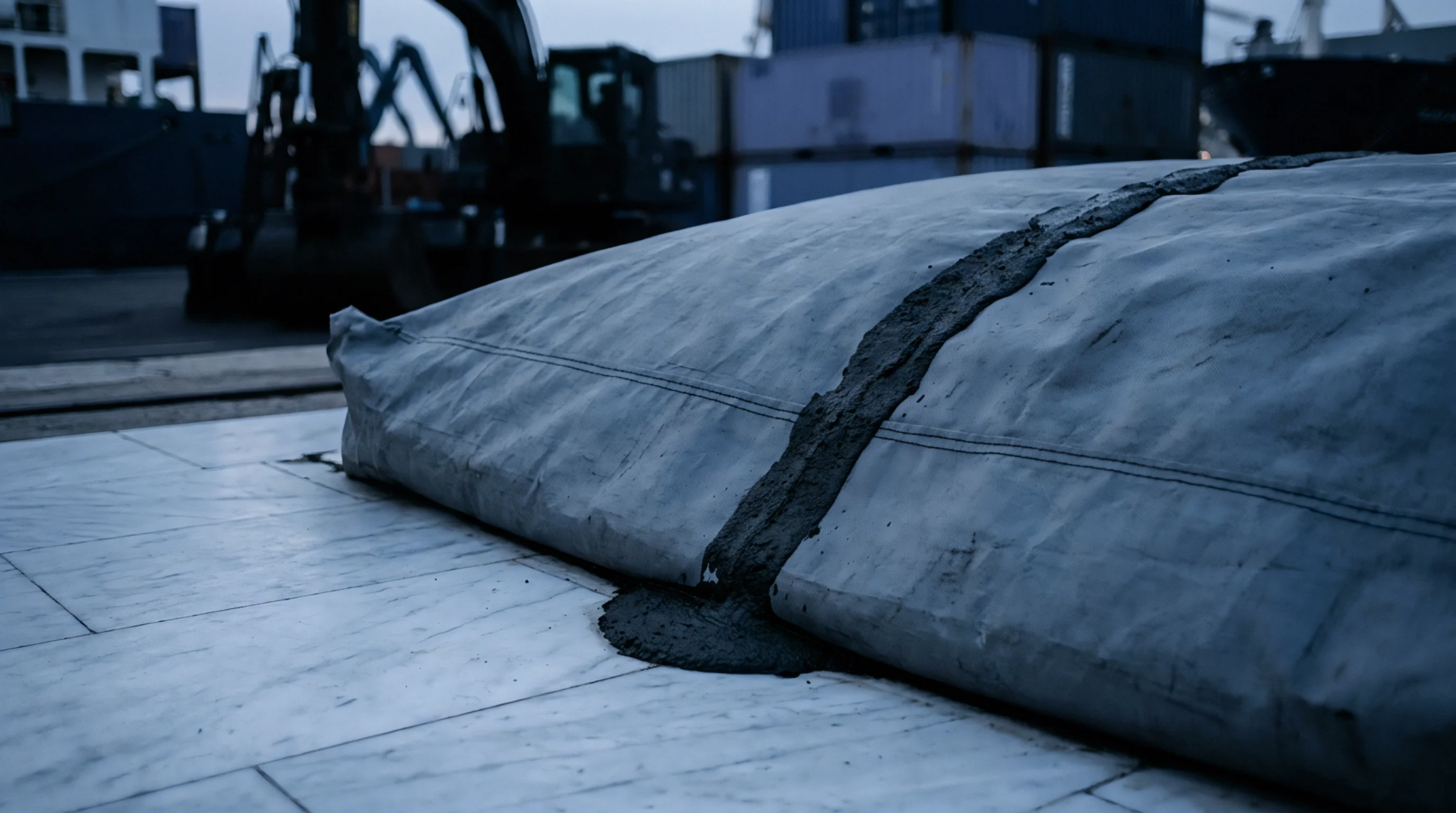
Quantifying interfacial intermetallic growth kinetics under thermal aging enables accurate interconnect lifetime predictions and prevents field failures.
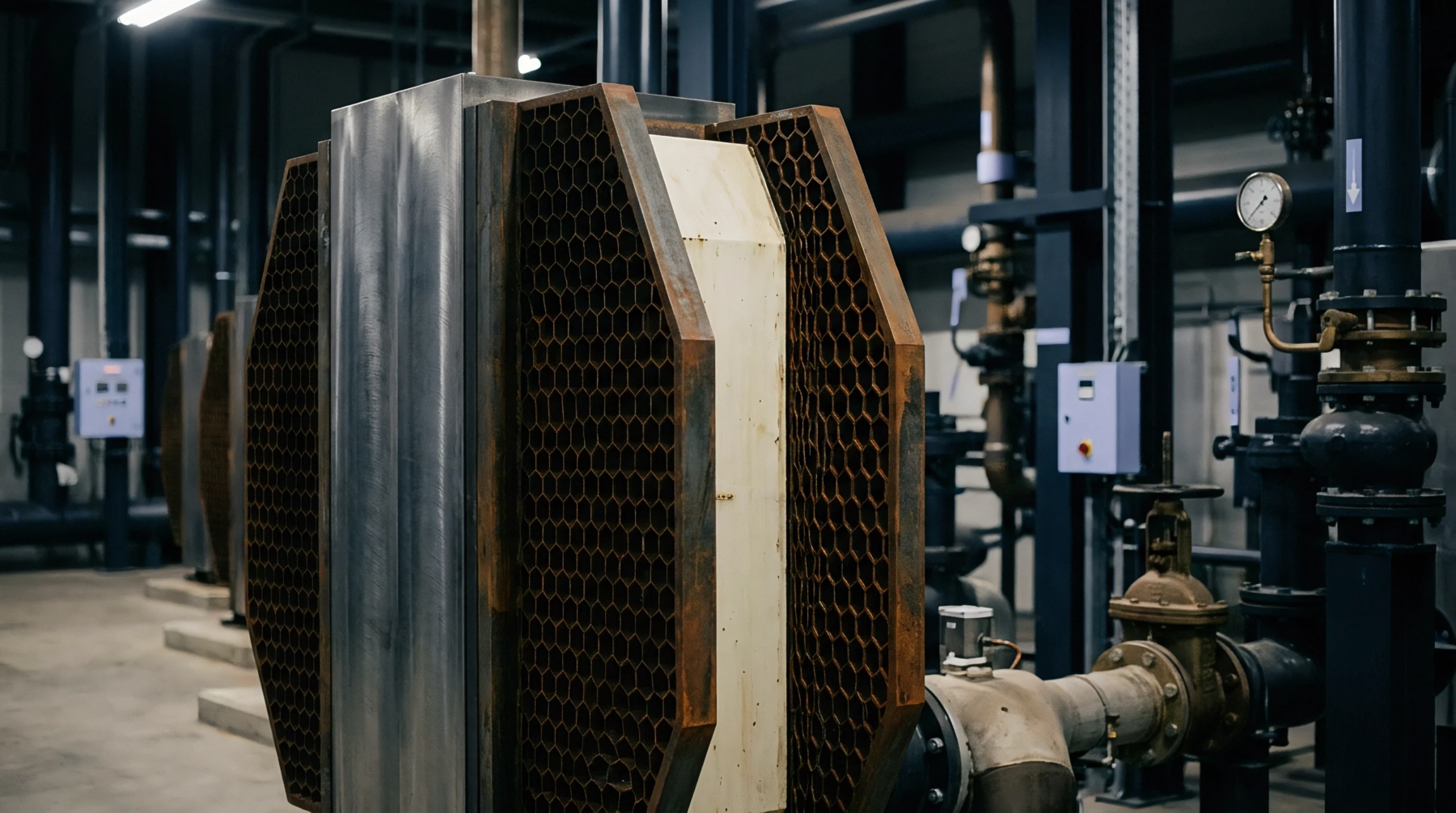
Lead-free solder microstructures coarsen rapidly under thermal heat, requiring micro-alloying and strict reflow oversight to stop intermetallic failures.

Solid-state intermetallic growth follows parabolic diffusion kinetics governed by Arrhenius thermal activation, requiring barrier finishes like ENIG or ENEPIG to limit brittle interface thickening and prevent Kirkendall void failures in extended service.
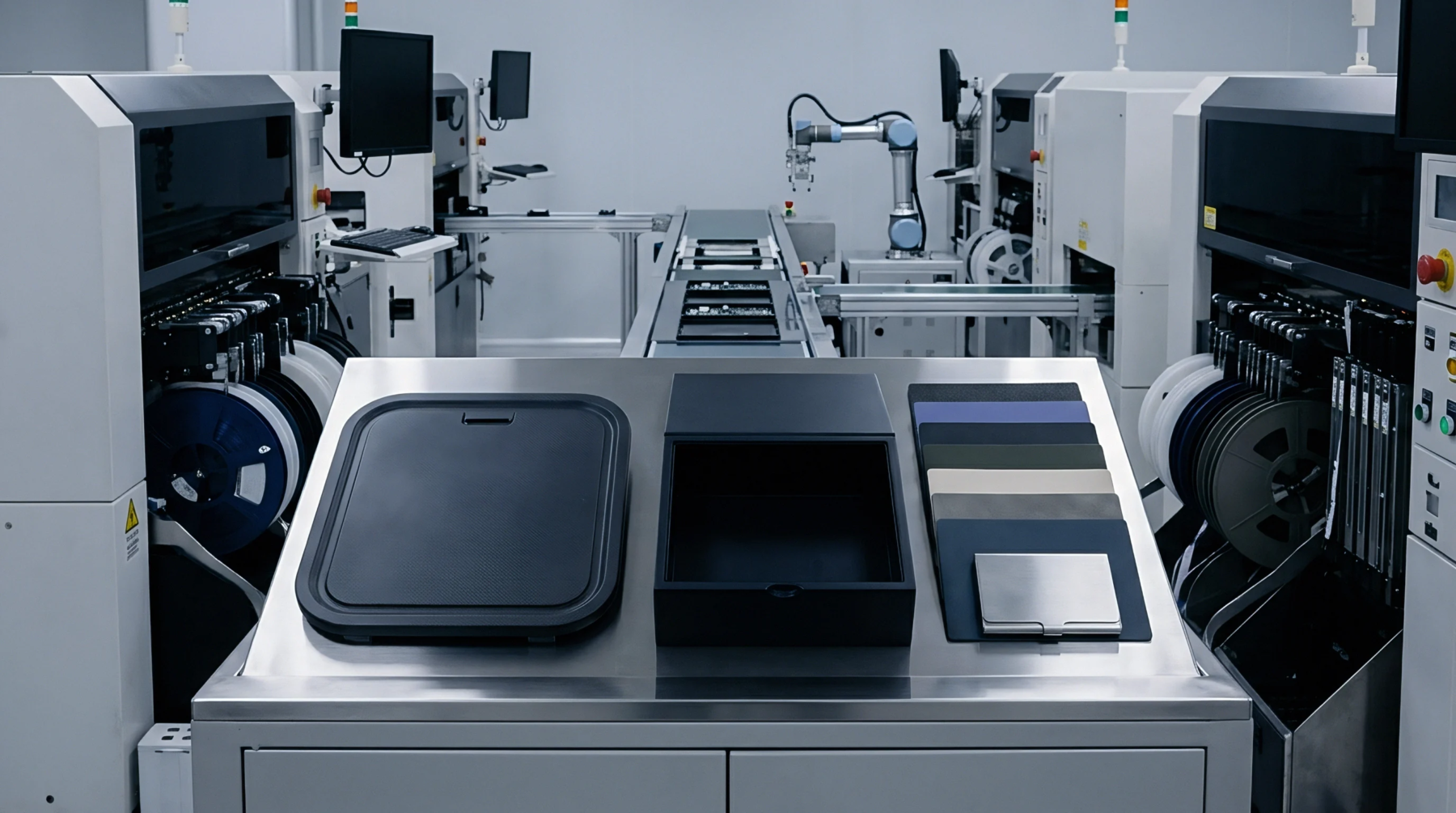
Lead-free solder intermetallic layer growth follows parabolic solid-state diffusion kinetics, requiring strict reflow temperature control and micro-alloying to prevent embrittlement.

Plated substrate interfaces demand precise nickel-phosphorus controls and tight thermal gradient limits to prevent thermomigration failure in fine-pitch packaging.
Quantifying solder joint aging requires measuring intermetallic layer growth and void fraction via micro-polished cross-sections to model field failure reserves.
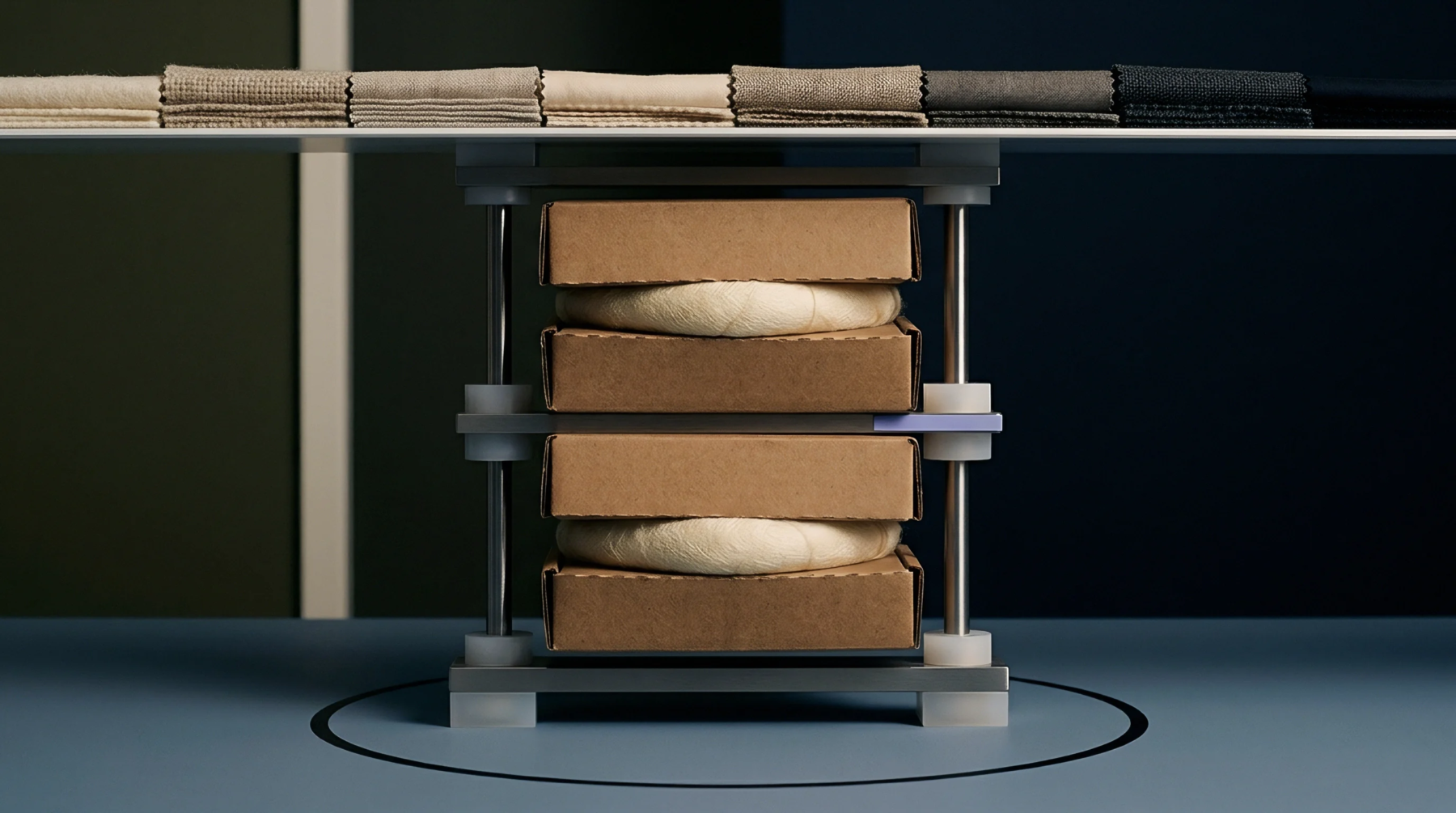
Coupled hydrostatic stress gradients drive vacancy diffusion toward intermetallic boundaries, requiring fast reflow cooling and underfill constraint tuning.

Thermal aging drives intermetallic growth and Kirkendall voiding in lead-free interfaces; controlling copper pad purity and reflow profiles prevents brittle failure.

Quantifying lead-free solid-state diffusion requires Arrhenius aging matrices to enforce 4.0-micrometer IMC limits and suppress brittle failure risks.
Expertise is a utility, not a secret. sentiention™ publishes its working knowledge as open reference: intelligence layer covering the materials it sources, the markets it enters, and the reference that serves both.