Meaning
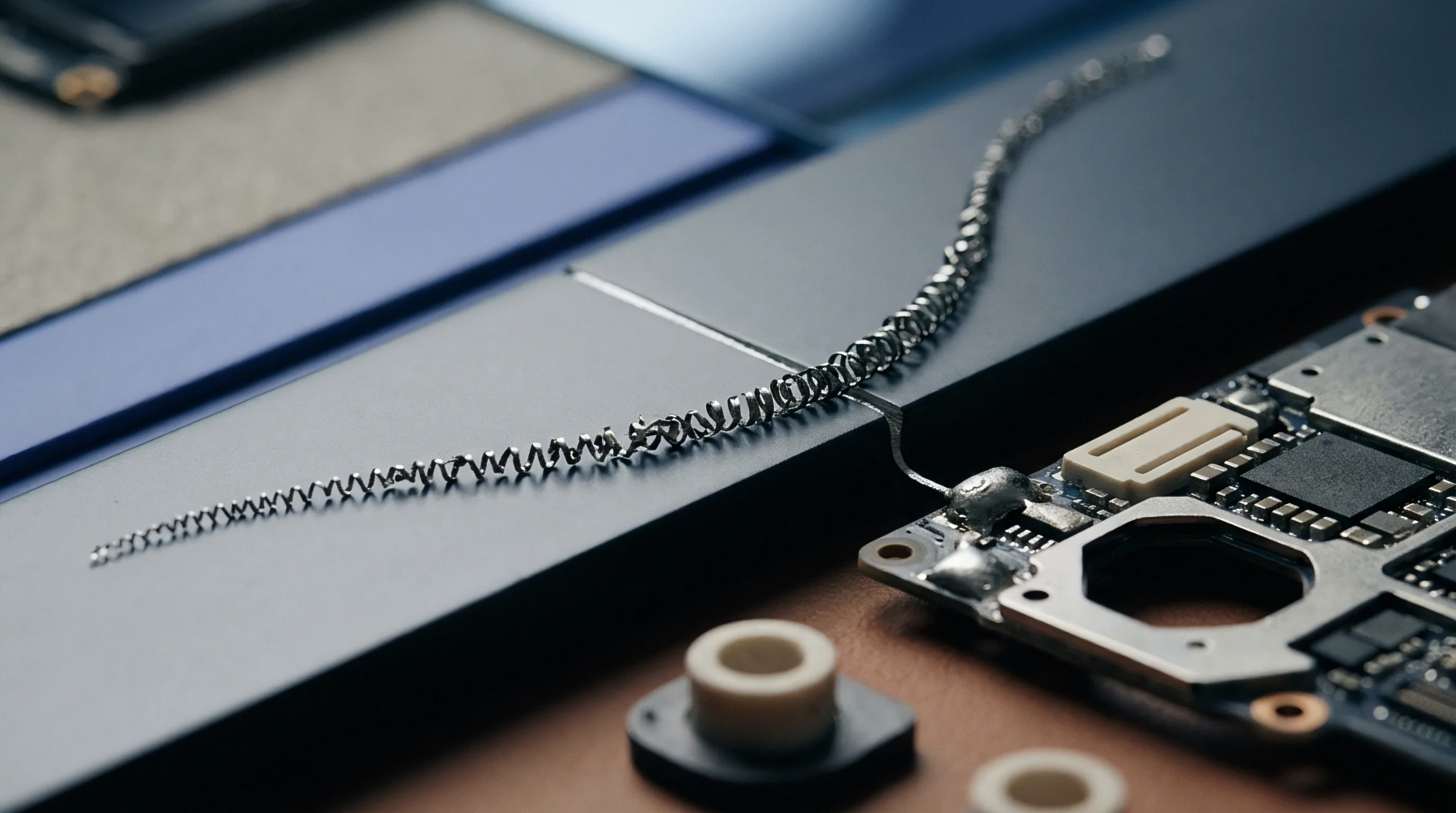
Damage mechanism resulting from the repeated expansion and contraction of materials under varying temperatures causes the eventual cracking of mechanical joints in electronic assemblies. Presence of thermal fatigue is the most frequent cause of failure for long term industrial equipment and consumer electronics that generate significant heat. This process governs the life expectancy of the product and is the primary focus of reliability engineering and material selection.
In Chinese electronics manufacturing, it is analyzed through the lens of physics of failure to understand how microscopic damage grows into a complete fracture. The boundary of the mechanism is reached when the material loses its structural integrity and can no longer provide a reliable electrical or mechanical connection. It stops being the primary failure mode if the device is kept at a constant temperature or if the mechanical stresses from vibration become more severe.
Cyclic Loading
Application of stress in a repeating pattern occurs every time a device is powered on or subjected to environmental temperature changes. While a single thermal cycle might not cause visible damage, the cumulative effect of thermal fatigue is a slow and steady degradation of the material. The stress is caused by the difference in the expansion rates of the components and the solder that joins them.
As the assembly heats up, the materials push against each other, and as it cools, they pull apart. This cyclic motion creates a zone of high stress at the interfaces where cracks are most likely to start. Engineers must design their products to minimize these stresses by choosing materials with similar thermal properties.
Material Strain
Measurement of the physical deformation that occurs within the solder joints provides the data needed to predict when a failure will occur. Thermal fatigue is characterized by both elastic and plastic strain, with the plastic portion being the main driver of the damage. In high quality manufacturing labs in cities like Hangzhou, technicians use cross-sectioning and microscopy to observe the grain structure of the solder.
They look for signs of coarsening and the formation of micro-cracks that indicate the early stages of fatigue. The rate of strain accumulation depends on the temperature range and the speed at which the temperature changes. By controlling these factors during testing, the manufacturer can estimate how long the product will last in the real world.
Crack Initiation
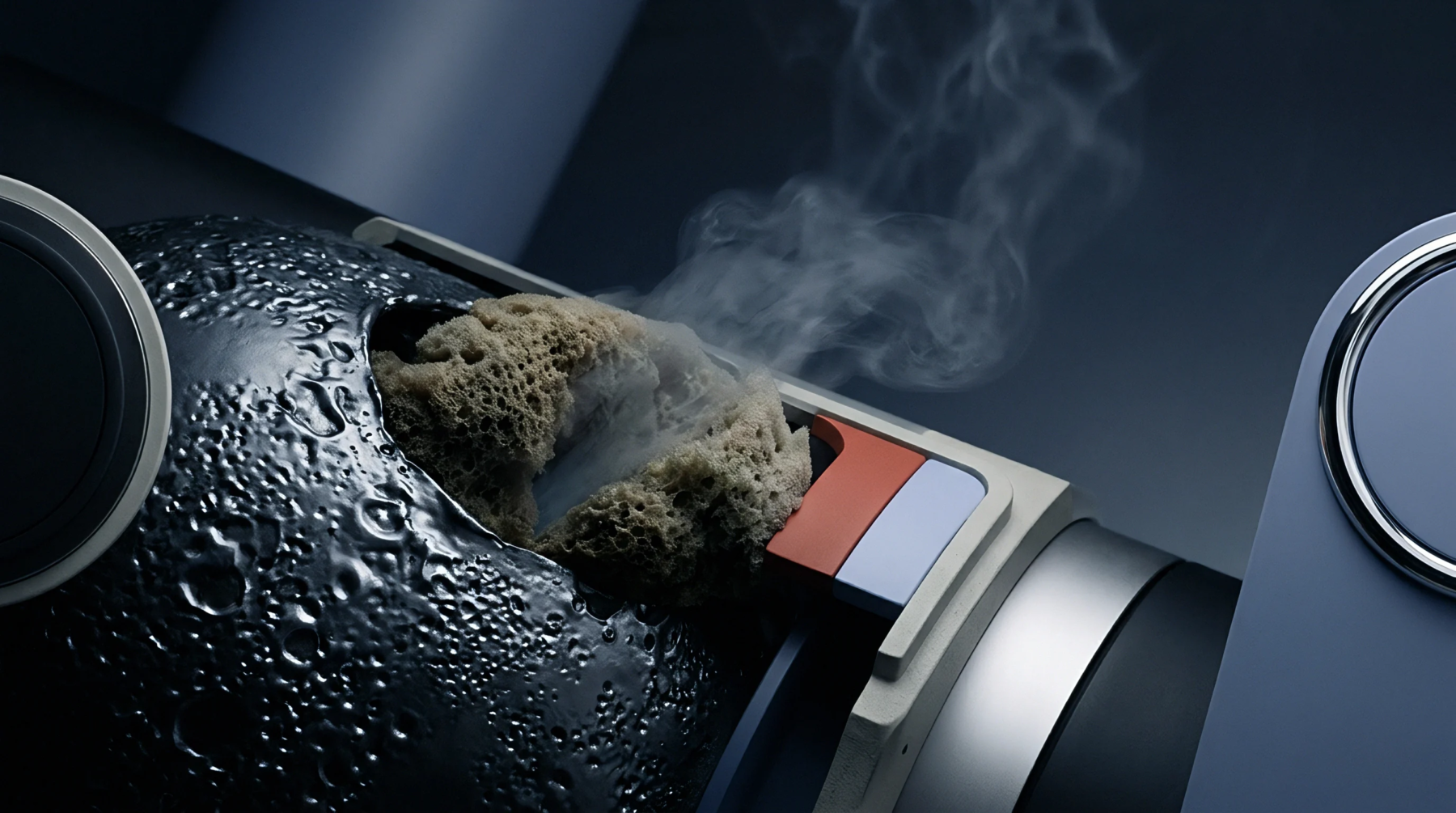
Formation of a microscopic break in the material marks the beginning of the end for the mechanical joint. Thermal fatigue damage eventually reaches a threshold where the material can no longer absorb the strain, leading to the initiation of a crack. This usually happens at a corner or an edge where the stress is most concentrated.
Once a crack has started, it will grow a little bit more with every thermal cycle until it completely severs the connection. The speed of crack growth is influenced by the environment and the presence of any manufacturing defects like voids or contaminants. Quality control teams use environmental stress screening to try and catch these defects before they can lead to an early failure.
The final fracture surface provides a clear record of the stresses that led to the breakdown.