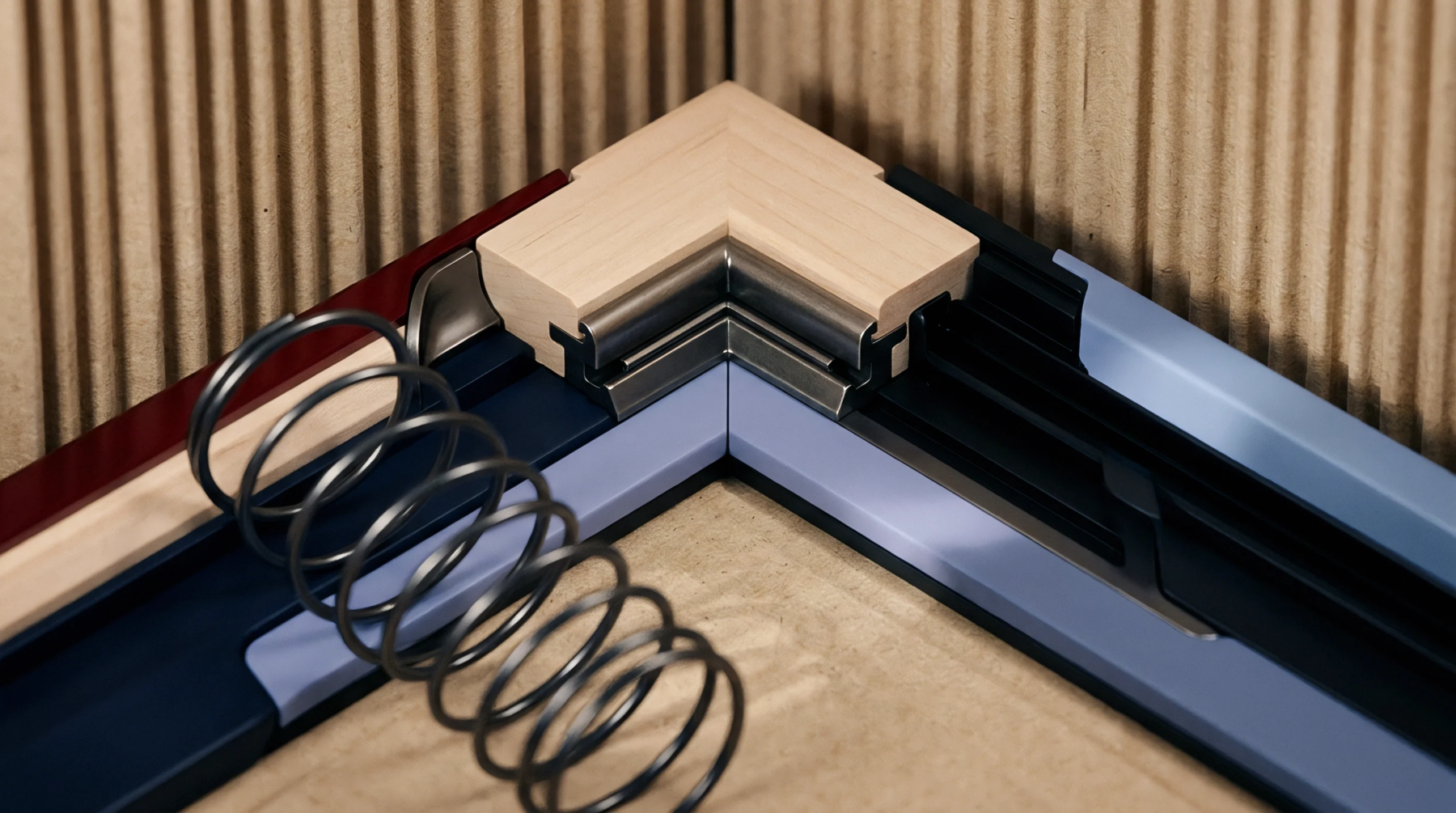
Non Local Strain Gradient Cohesive Zone Formulation for Microvia Corner Step Debonding
Non-local strain gradient cohesive zone modeling eliminates mesh-dependent stress singularities at microvia corner steps to accurately predict reflow debonding.
Non-local strain gradient cohesive zone modeling eliminates mesh-dependent stress singularities at microvia corner steps to accurately predict reflow debonding.
Hydrostatic stress gradients drive vacancy migration in solder interconnects, accelerating interfacial voiding and demanding strict reflow cooling controls.

Calibrating strain energy models requires measuring vacancy flux and creep energy density to prevent interfacial microvoid coalescence under thermal cycling.

Calculating interfacial vacancy gradients along copper barriers requires solving coupled electromigration, stress, and thermal divergence equations to prevent premature voiding.
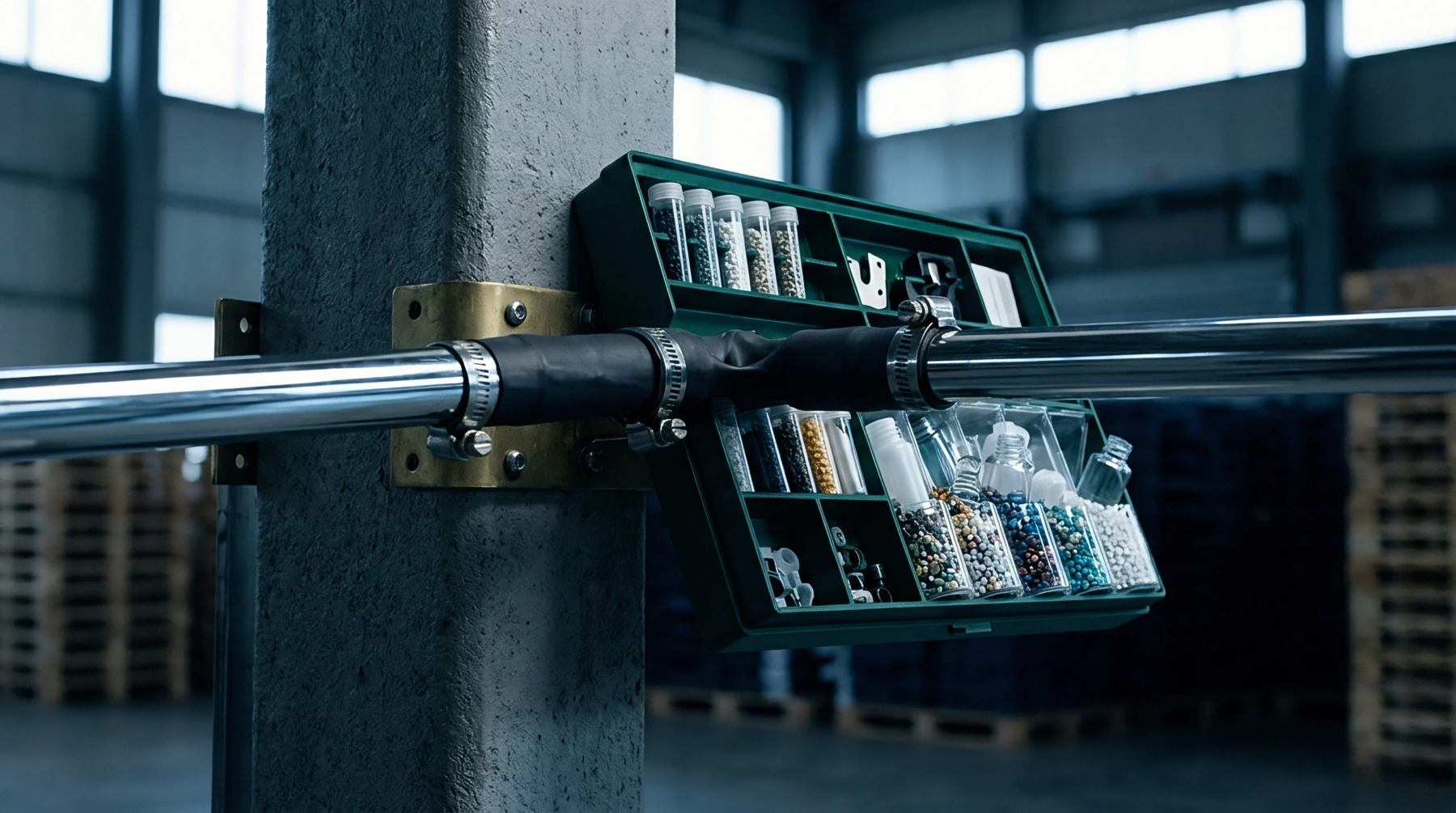
Sub-five-micron dielectric interfaces require strain gradient models and high-frequency acoustic audits to prevent latent field delamination and unrecoverable scrap costs.
Stress-coupled vacancy migration in substrate vias is controlled by managing copper grain texture, barrier adhesion energy, and post-plating anneal thermal budgets.

Calibrating intermetallic microvoid growth requires coupling strain-rate vacancy diffusion models with real-junction thermal profiling and SEM cross-sectioning.

Calibrate microvoid kinetic growth by tracking Cu3Sn vacancy flux divergences under thermal shock to enforce max 10% linear void limits in supply contracts.
Expertise is a utility, not a secret. sentiention™ publishes its working knowledge as open reference: intelligence layer covering the materials it sources, the markets it enters, and the reference that serves both.