
Intermetallic Phase Transformation Kinetics during Accelerated Isothermal Bake Testing
Accelerated isothermal bake testing demands exact thermal control below phase transition thresholds to derive valid intermetallic growth rate kinetics.
Accelerated isothermal bake testing demands exact thermal control below phase transition thresholds to derive valid intermetallic growth rate kinetics.

Solid-state diffusion parameters dictate lead-free PCB surface finish shelf life, intermetallic growth, and solder joint reliability under thermal exposure.
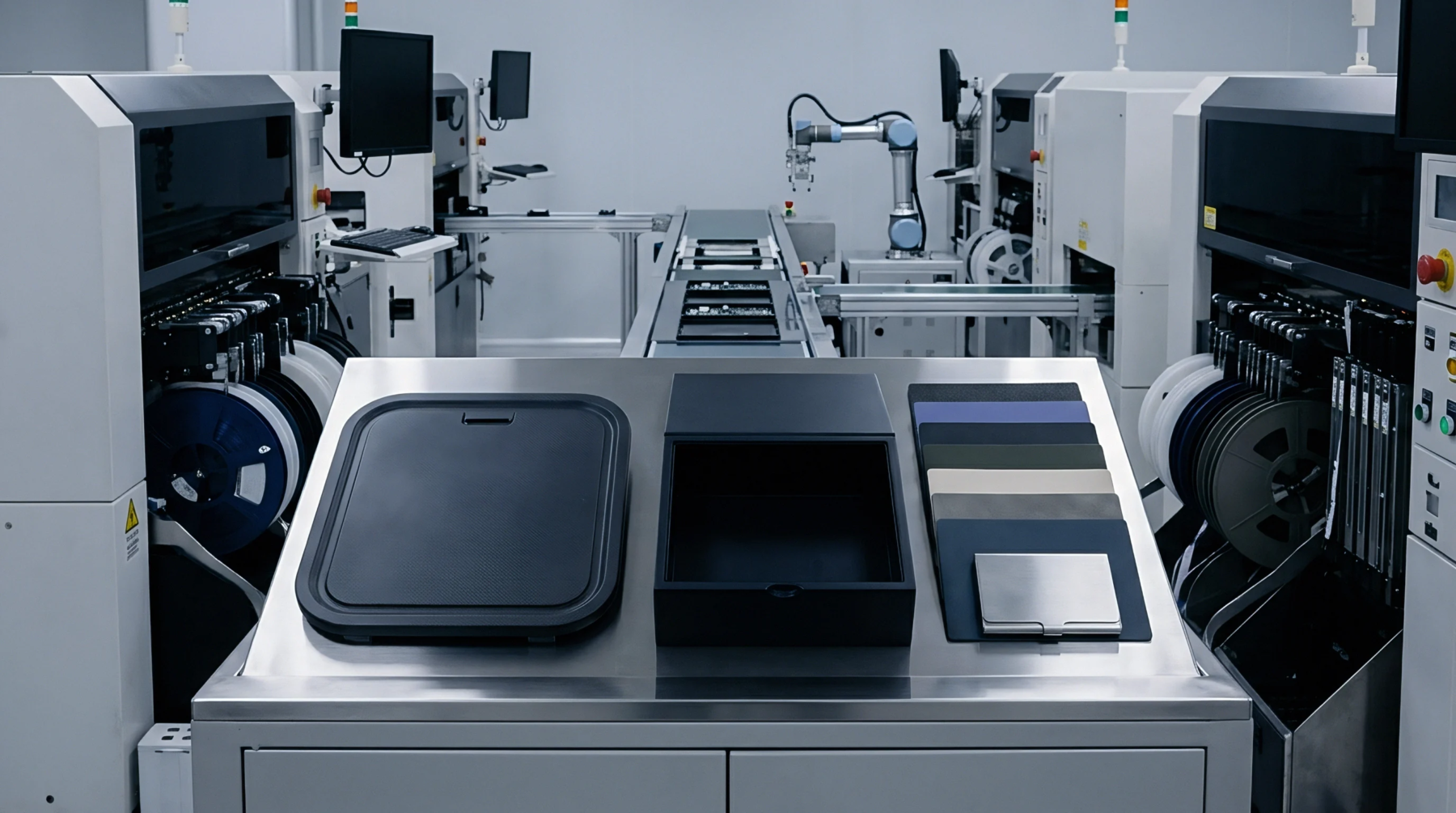
Thermal aging accelerates SAC305 intermetallic growth through parabolic diffusion, where Cu3Sn layer thickening and Kirkendall voiding reduce joint shear strength.

Calibrate intermetallic vacancy growth by quantifying Cu3Sn void area fractions via focused ion beam milling across discrete thermal stress readouts.

Isothermal thermal aging forces zinc grain boundary segregation and cobalt cation disorder, driving interfacial resistance spikes and long-term capacity fade.

Control reflow peak dwell and solid-state thermal exposure to limit interfacial intermetallic growth below four micrometers, preventing brittle joint fracture.

Quantifying interfacial intermetallic growth kinetics under thermal aging enables accurate interconnect lifetime predictions and prevents field failures.

Modelling vacancy transport in ternary SAC interfaces enables precise prediction of Kirkendall microvoid growth, preventing latent failure in high-reliability packaging.

Lead-free solder microstructures coarsen rapidly under thermal heat, requiring micro-alloying and strict reflow oversight to stop intermetallic failures.

Solid-state intermetallic growth follows parabolic diffusion kinetics governed by Arrhenius thermal activation, requiring barrier finishes like ENIG or ENEPIG to limit brittle interface thickening and prevent Kirkendall void failures in extended service.

Characterizing coupled electromigration, thermomigration, and stressmigration flux in microbumps demands decoupled thermal-electric testing to prevent voiding.

Intermetallic growth kinetics govern solder joint longevity; controlling thermal profiles and surface plating thickness prevents brittle interfacial failure.

Sub-micron IMC growth in micro-BGA arrays shifts from boundary to volumetric diffusion, driving Cu3Sn formation and Kirkendall voiding that cuts shear strength.

Calculating interfacial vacancy gradients along copper barriers requires solving coupled electromigration, stress, and thermal divergence equations to prevent premature voiding.

Multilayer barrier longevity requires modeling field-assisted oxygen vacancy drift alongside thermal kinetics to prevent localized dielectric breakdown.

Subcontract packaging agreements require precise metallographic defect thresholds and chemical bath audits to allocate latent Kirkendall failure costs.
Quantifying thermally accelerated intermetallic layer growth using Arrhenius kinetics protects solder joint fatigue limits and bounds long-term warranty liability.

Control reflow liquidus dwell and thermal aging exposure to restrict brittle interfacial compound growth and eliminate Kirkendall microvoiding failure paths.

Kirkendall microvoid growth rate calibration requires accelerated thermal aging at 150C with ion-milled SEM cross-sections to cap linear void density under 10%.

Thermal aging drives intermetallic growth and Kirkendall voiding in lead-free interfaces; controlling copper pad purity and reflow profiles prevents brittle failure.

Dynamic thermal humidity cycling accelerates polymer hydrolysis and interphase debonding, requiring multi-frequency DMA and molecular weight tracking to prevent field torque loss.
Modeling intermetallic vacancy fluxes allows engineers to suppress Kirkendall voiding and extend solder joint lifetime through targeted micro-alloying.

Calibrate microvoid kinetic growth by tracking Cu3Sn vacancy flux divergences under thermal shock to enforce max 10% linear void limits in supply contracts.
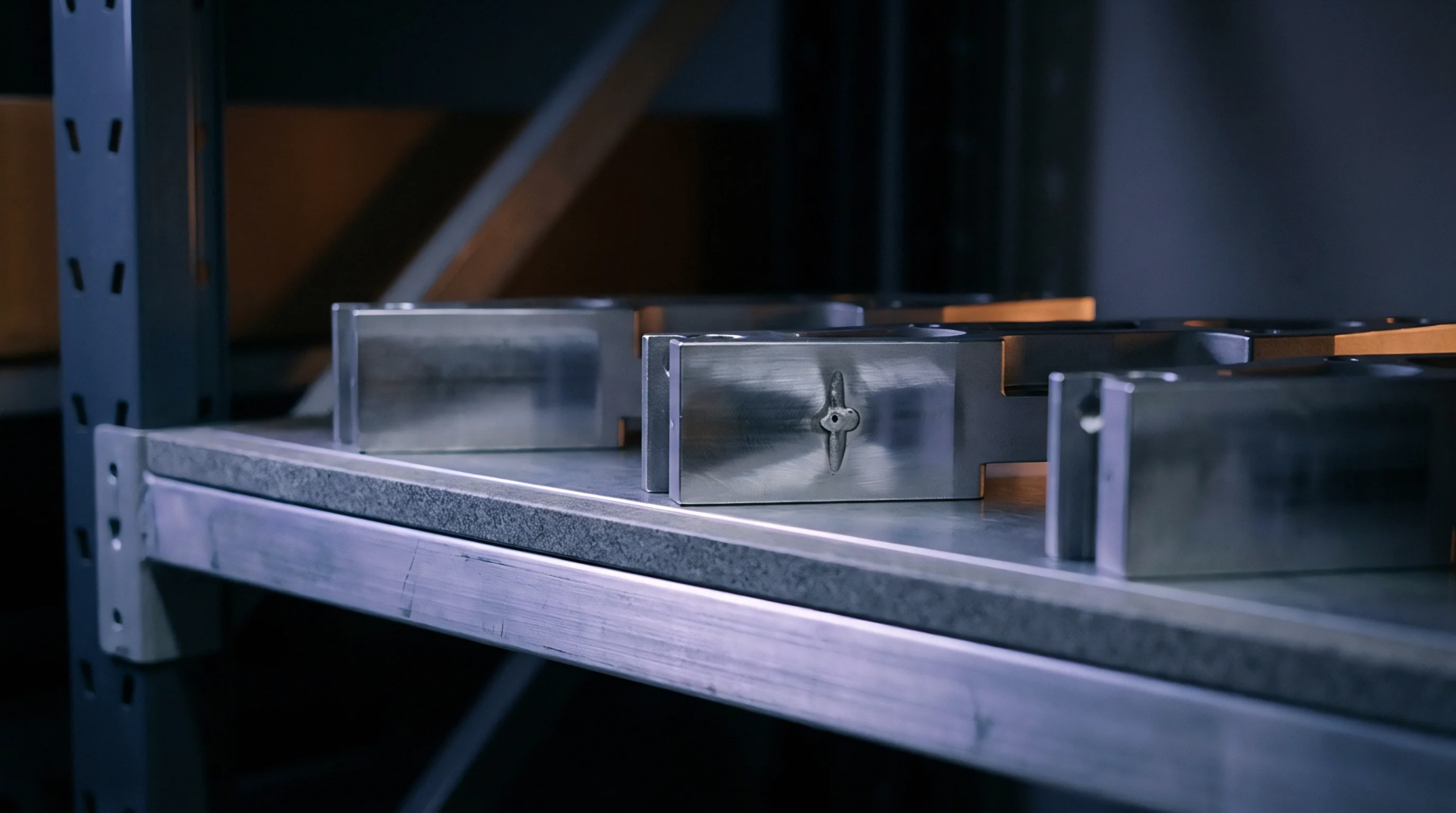
Doping tin-based solders with trace nickel, cobalt, or zinc alters interdiffusion kinetics, suppressing Kirkendall voiding and securing long-term joint strength.

Quantifying lead-free solid-state diffusion requires Arrhenius aging matrices to enforce 4.0-micrometer IMC limits and suppress brittle failure risks.
Expertise is a utility, not a secret. sentiention™ publishes its working knowledge as open reference: intelligence layer covering the materials it sources, the markets it enters, and the reference that serves both.