
Quantifying Interfacial Solid State Diffusion Rates in Lead Free Solders
Quantifying lead-free solid-state diffusion requires Arrhenius aging matrices to enforce 4.0-micrometer IMC limits and suppress brittle failure risks.
Quantifying lead-free solid-state diffusion requires Arrhenius aging matrices to enforce 4.0-micrometer IMC limits and suppress brittle failure risks.
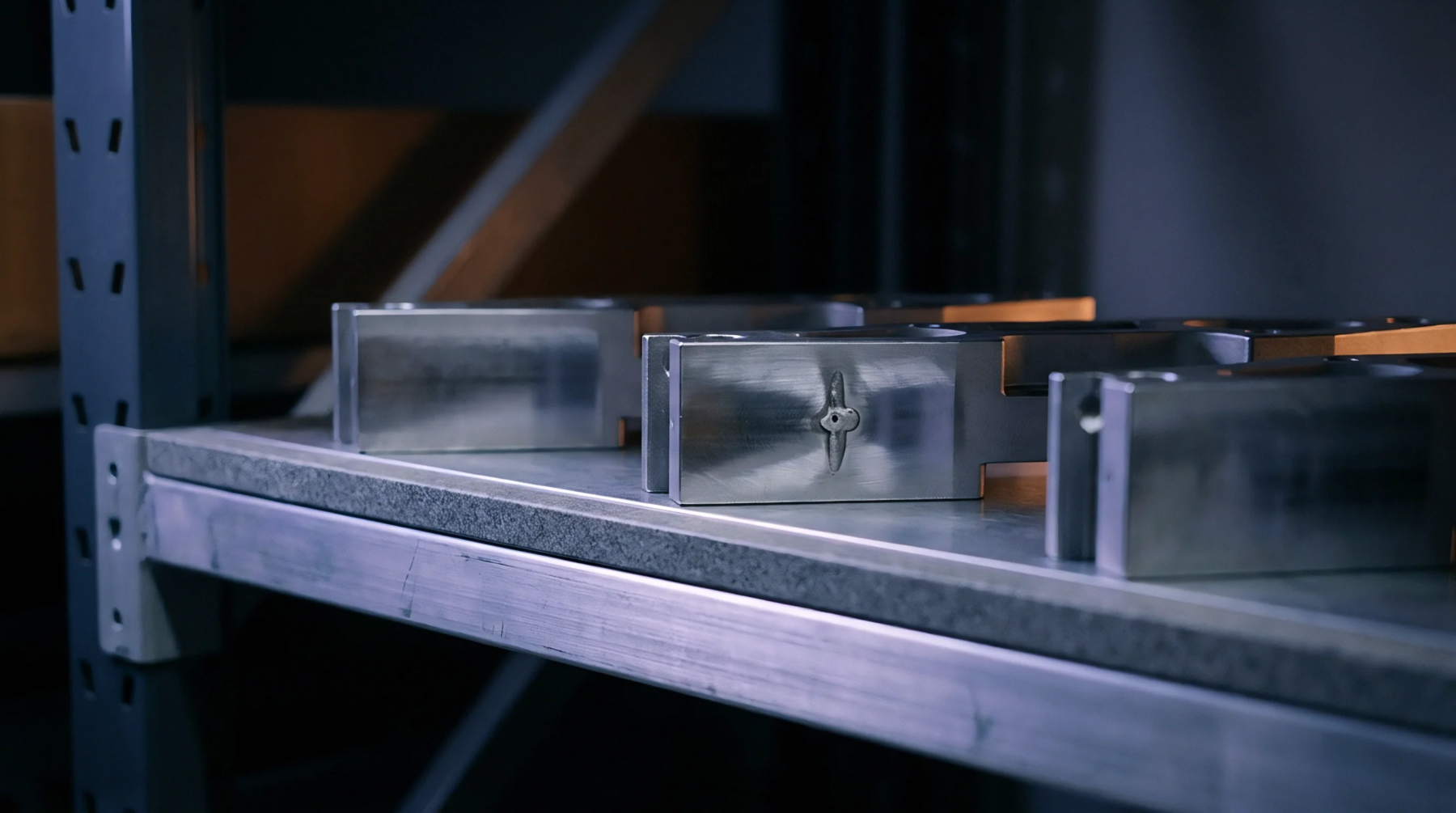
Doping tin-based solders with trace nickel, cobalt, or zinc alters interdiffusion kinetics, suppressing Kirkendall voiding and securing long-term joint strength.

Calibrate microvoid kinetic growth by tracking Cu3Sn vacancy flux divergences under thermal shock to enforce max 10% linear void limits in supply contracts.

Modeling intermetallic vacancy fluxes allows engineers to suppress Kirkendall voiding and extend solder joint lifetime through targeted micro-alloying.

Dynamic thermal humidity cycling accelerates polymer hydrolysis and interphase debonding, requiring multi-frequency DMA and molecular weight tracking to prevent field torque loss.

Thermal aging drives intermetallic growth and Kirkendall voiding in lead-free interfaces; controlling copper pad purity and reflow profiles prevents brittle failure.

Kirkendall microvoid growth rate calibration requires accelerated thermal aging at 150C with ion-milled SEM cross-sections to cap linear void density under 10%.

Control reflow liquidus dwell and thermal aging exposure to restrict brittle interfacial compound growth and eliminate Kirkendall microvoiding failure paths.
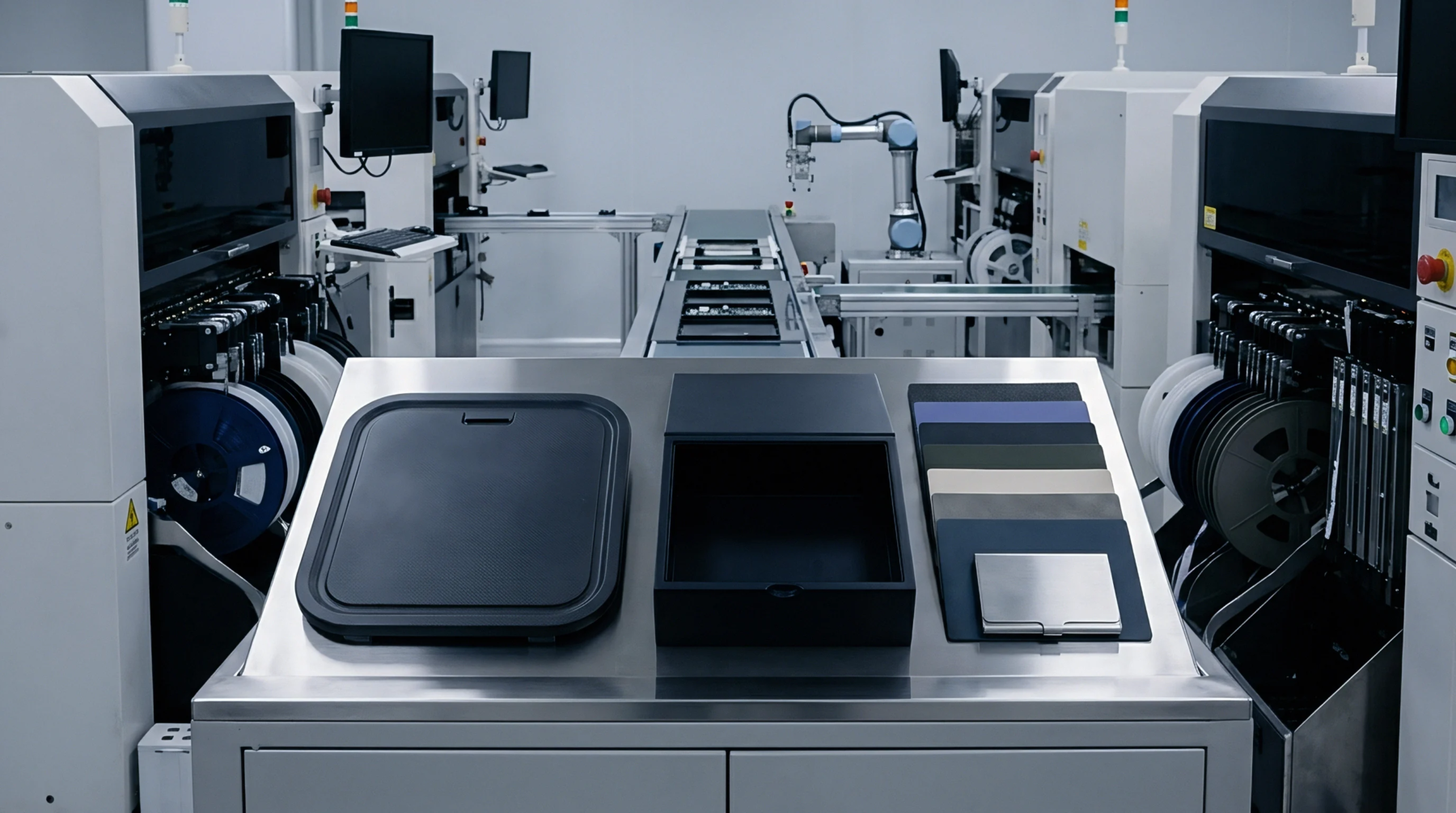
Quantifying thermally accelerated intermetallic layer growth using Arrhenius kinetics protects solder joint fatigue limits and bounds long-term warranty liability.

Subcontract packaging agreements require precise metallographic defect thresholds and chemical bath audits to allocate latent Kirkendall failure costs.

Multilayer barrier longevity requires modeling field-assisted oxygen vacancy drift alongside thermal kinetics to prevent localized dielectric breakdown.

Calculating interfacial vacancy gradients along copper barriers requires solving coupled electromigration, stress, and thermal divergence equations to prevent premature voiding.
Sub-micron IMC growth in micro-BGA arrays shifts from boundary to volumetric diffusion, driving Cu3Sn formation and Kirkendall voiding that cuts shear strength.

Intermetallic growth kinetics govern solder joint longevity; controlling thermal profiles and surface plating thickness prevents brittle interfacial failure.

Characterizing coupled electromigration, thermomigration, and stressmigration flux in microbumps demands decoupled thermal-electric testing to prevent voiding.

Solid-state intermetallic growth follows parabolic diffusion kinetics governed by Arrhenius thermal activation, requiring barrier finishes like ENIG or ENEPIG to limit brittle interface thickening and prevent Kirkendall void failures in extended service.

Lead-free solder microstructures coarsen rapidly under thermal heat, requiring micro-alloying and strict reflow oversight to stop intermetallic failures.

Modelling vacancy transport in ternary SAC interfaces enables precise prediction of Kirkendall microvoid growth, preventing latent failure in high-reliability packaging.

Quantifying interfacial intermetallic growth kinetics under thermal aging enables accurate interconnect lifetime predictions and prevents field failures.

Control reflow peak dwell and solid-state thermal exposure to limit interfacial intermetallic growth below four micrometers, preventing brittle joint fracture.

Isothermal thermal aging forces zinc grain boundary segregation and cobalt cation disorder, driving interfacial resistance spikes and long-term capacity fade.

Calibrate intermetallic vacancy growth by quantifying Cu3Sn void area fractions via focused ion beam milling across discrete thermal stress readouts.

Thermal aging accelerates SAC305 intermetallic growth through parabolic diffusion, where Cu3Sn layer thickening and Kirkendall voiding reduce joint shear strength.

Solid-state diffusion parameters dictate lead-free PCB surface finish shelf life, intermetallic growth, and solder joint reliability under thermal exposure.

Accelerated isothermal bake testing demands exact thermal control below phase transition thresholds to derive valid intermetallic growth rate kinetics.

Calculating vacancy drift rates requires balancing electron wind force against back-stress gradients using Nernst-Einstein equations and verified interface activation energies.

Enforcing strict 50 ampere-hour active carbon treatment schedules prevents organic co-deposition that lowers interfacial vacancy supersaturation thresholds.
Fine pitch BGA joint failure stems from interfacial intermetallic growth and Kirkendall voiding, controlled by plating purity and reflow heat work.
Microbump reliability under thermal stress requires tight plating impurity controls to prevent accelerated Kirkendall voiding along brittle intermetallic boundaries.

Electromigration and Kirkendall voiding accelerate at micro BGA cathode traces, requiring strict plating purity controls and microstructural void limits.
Expertise is a utility, not a secret. sentiention™ publishes its working knowledge as open reference: intelligence layer covering the materials it sources, the markets it enters, and the reference that serves both.