Meaning
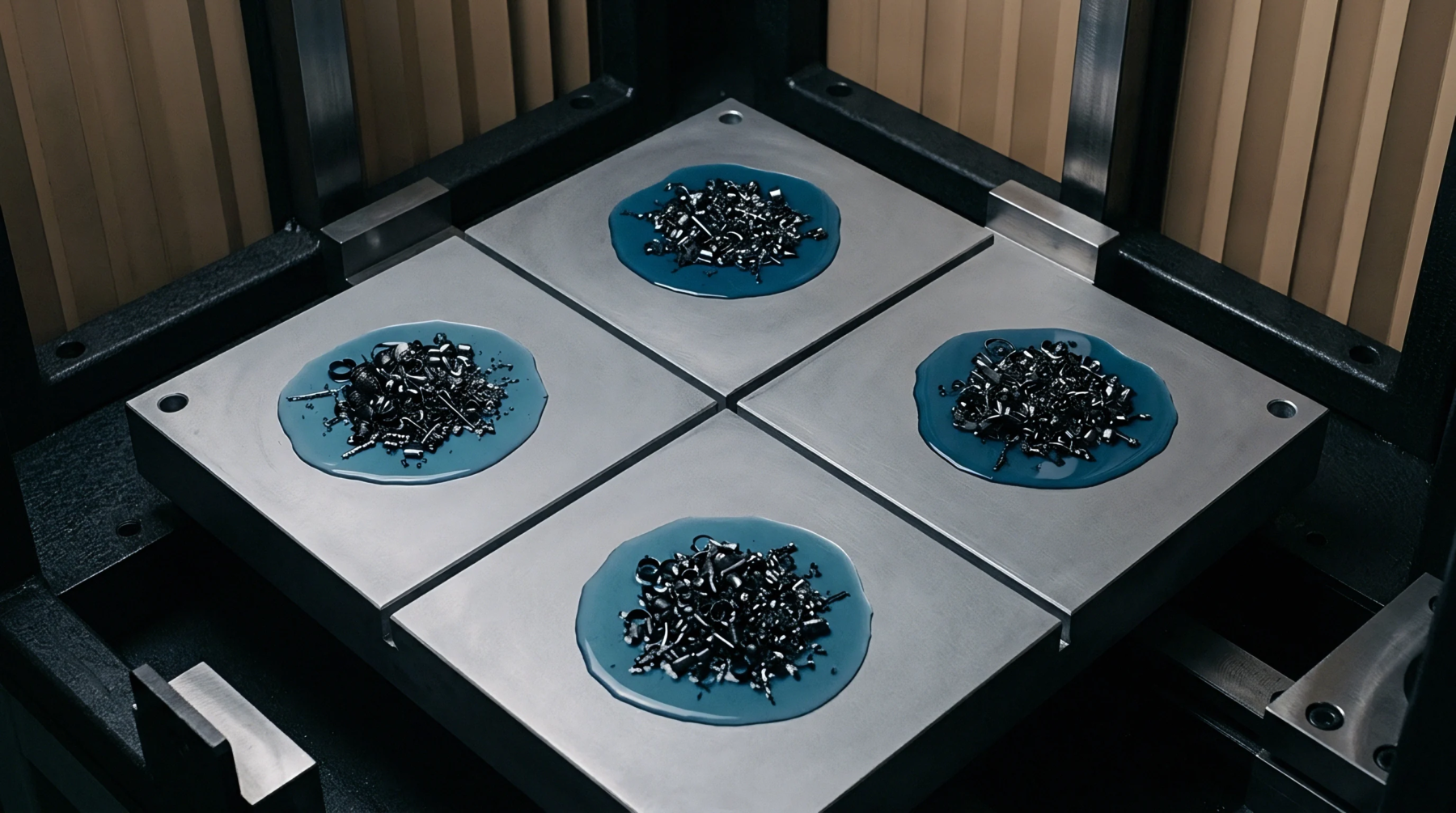
Industrial purification process relies on porous media to remove contaminants from aqueous plating solutions used in electronics manufacturing. Utilizing active carbon filtration ensures that high-quality coatings remain free from dissolved organic impurities. It targets specifically breakdown products that inhibit metal deposition quality.
Filter Mechanism
Chemical adsorption occurs when molecules adhere to the internal surfaces of the carbon granules. This active carbon filtration method captures large organic molecules while allowing smaller metal ions to pass through to the work piece. Gravity or pressure feeds determine the contact time between the liquid and the media.
Efficiency remains stable until the surface sites fill completely.
System Maintenance
Frequent testing determines the point where the carbon bed becomes exhausted. Ongoing active carbon filtration depends on a rigorous schedule of media checks and pressure differential monitoring across the filter housing. When the media reaches capacity, the removal rate drops sharply and breakthrough occurs.
Operational Bound
Excessive temperature often reduces the overall capacity of the adsorption sites inside the carbon bed. Thermal limits regulate where active carbon filtration occurs in the production sequence to protect the structural integrity of the filter housing. High flow rates shorten contact time and limit the capture rate of the unit.