
Microbump Thermomigration Failure Modes in Heterogeneous Chiplet Packaging
Thermomigration over 1000 °C/cm drives microbump open-circuit voids; contracts must require active-gradient qualification and assign multi-die scrap liability.
Thermomigration over 1000 °C/cm drives microbump open-circuit voids; contracts must require active-gradient qualification and assign multi-die scrap liability.
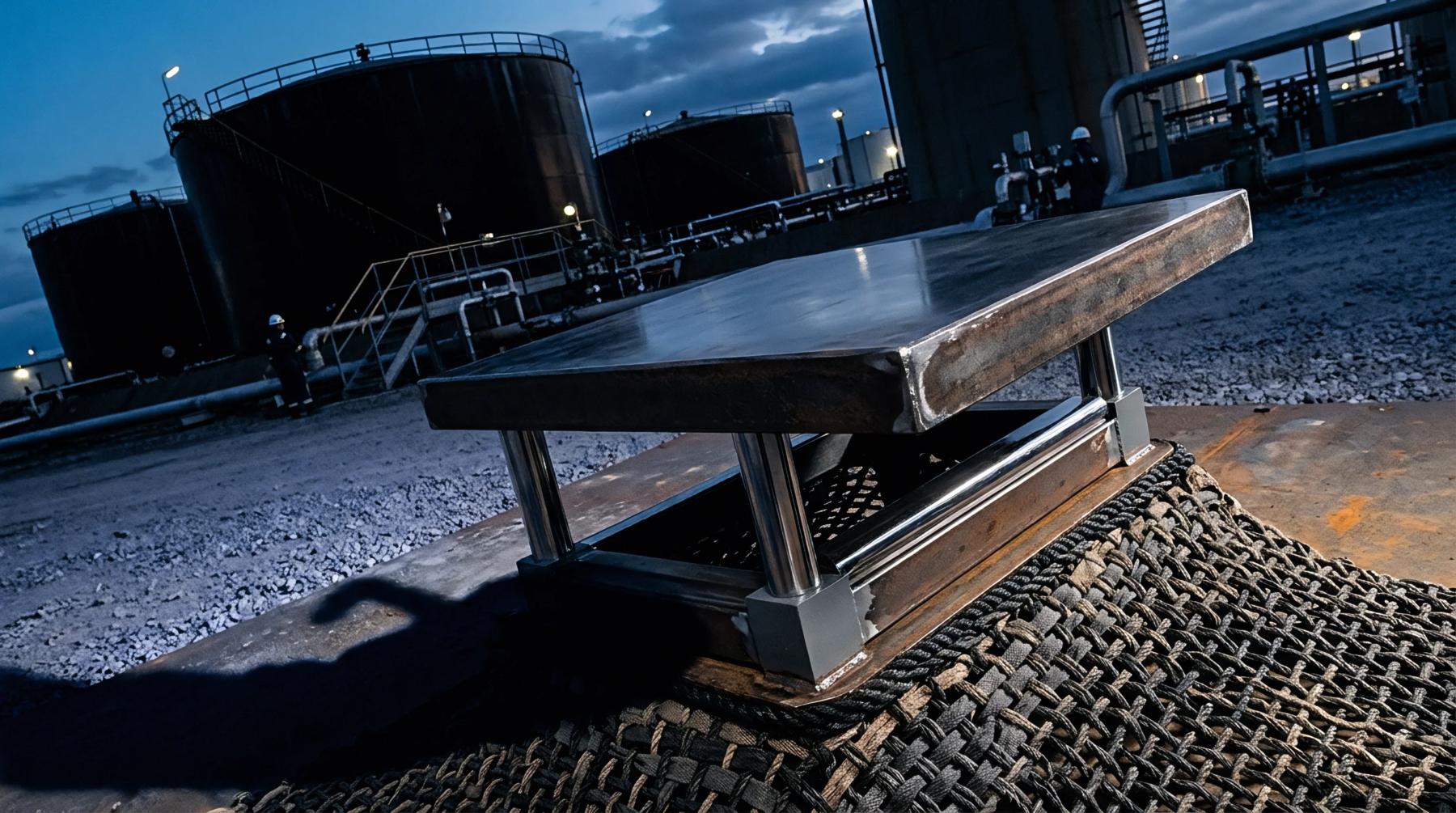
Super-solvus forging heat treatments require notch stress rupture testing to verify grain boundary carbide stability before component machining begins.

Creep-fatigue quantification in copper sinter joints requires partitioning cyclic plastic strain from dwell-time creep using relative density modified Anand models.
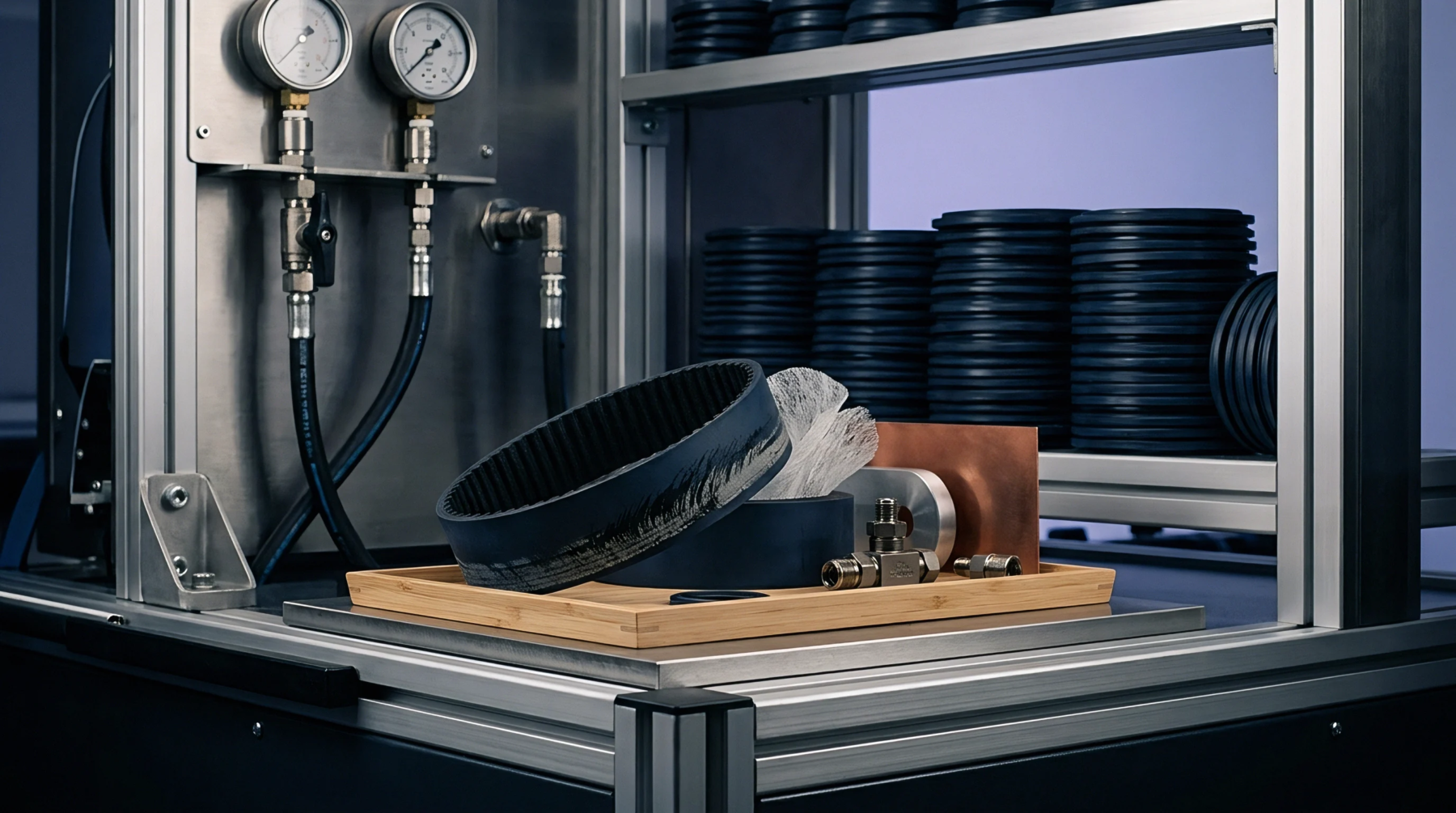
Interfacial micro void nucleation in electroplated copper stems from organic additive breakdown and differential vacancy diffusion during thermal annealing.

Electromigration accelerates intermetallic growth at bump corners twentyfold, requiring nickel barriers and copper pillars to prevent voiding failures.
Kirkendall voiding occurs when copper diffuses into tin faster than tin into copper, condensing vacancies in the Cu3Sn layer, accelerated by plating impurities.

Multiaxial creep stress fields drive atomic vacancy diffusion across grain interfaces, accelerating boundary cavitation and requiring rigorous dossier verification.
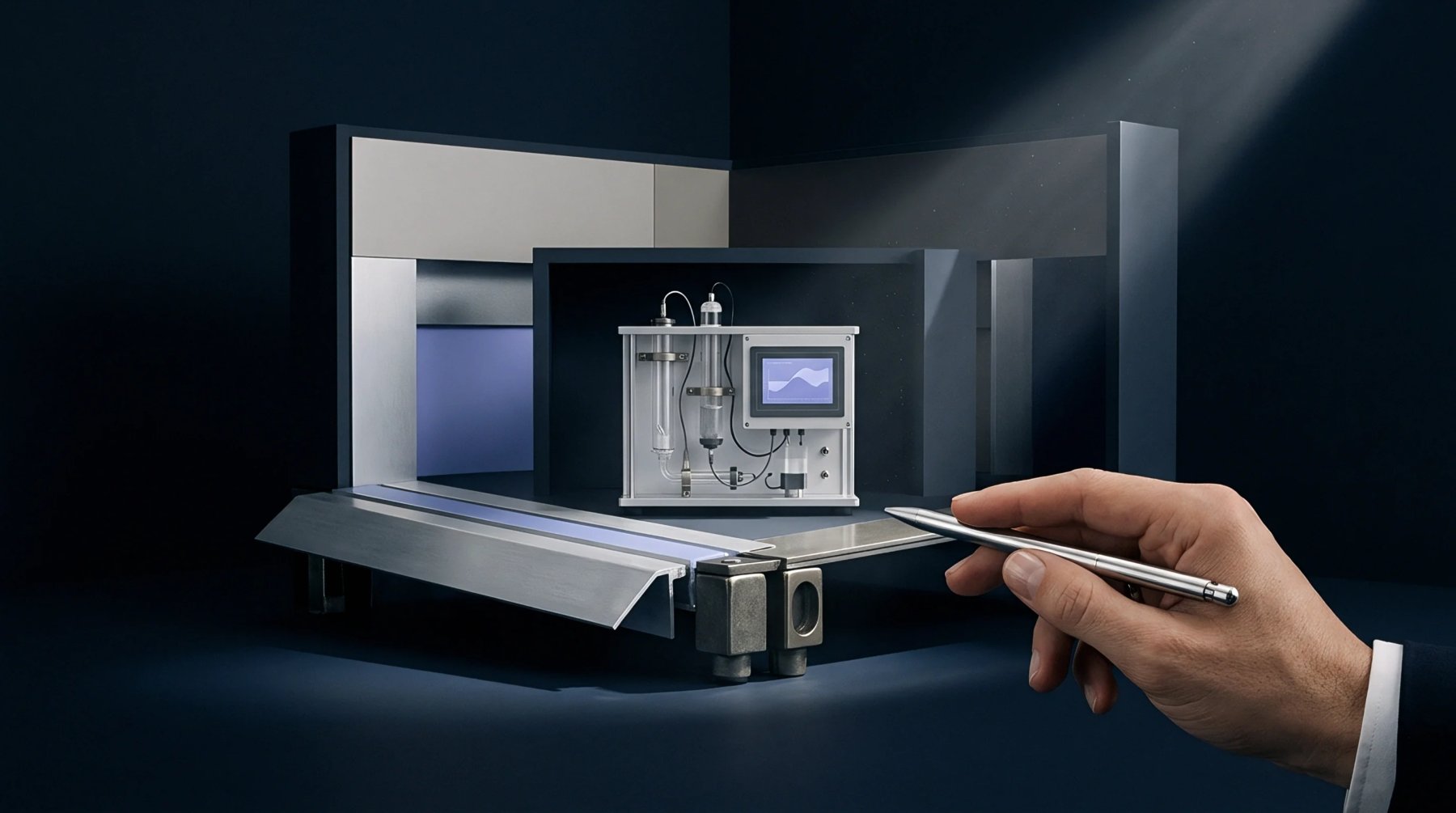
Adding sub-percent titanium or manganese dopants to copper targets suppresses interface vacancy condensation by trapping lattice sites before void nucleation starts.
Expertise is a utility, not a secret. sentiention™ publishes its working knowledge as open reference: intelligence layer covering the materials it sources, the markets it enters, and the reference that serves both.