
Electrodeposited Copper Additive Dynamics in Printed Circuit Board Fabrication
Controlled additive balance between suppressors, accelerators, and levelers drives bottom-up microvia filling, requiring strict CVS control to avoid scrap.
Controlled additive balance between suppressors, accelerators, and levelers drives bottom-up microvia filling, requiring strict CVS control to avoid scrap.

Kirkendall voiding occurs when copper diffuses into tin faster than tin into copper, condensing vacancies in the Cu3Sn layer, accelerated by plating impurities.
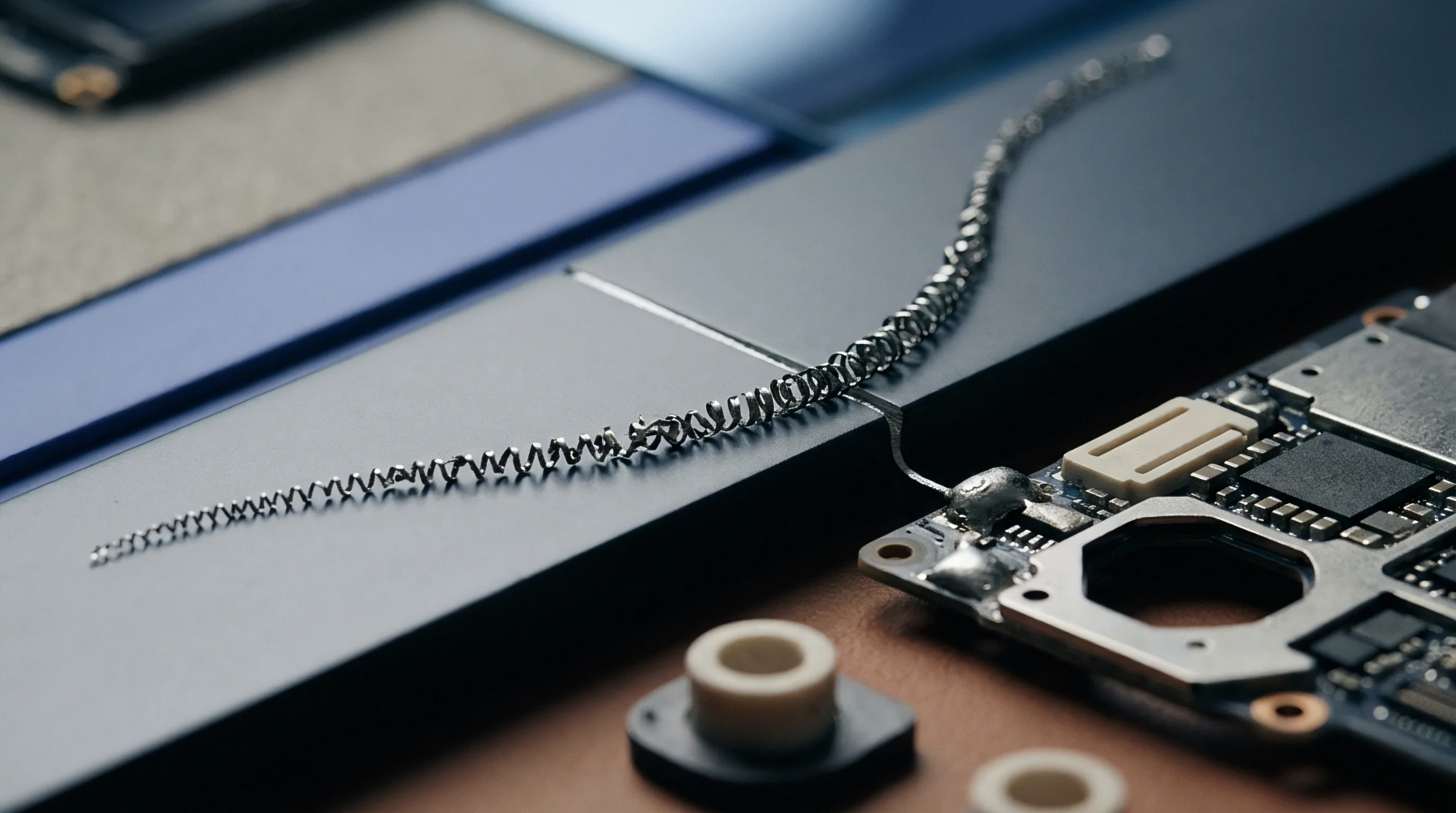
Maintaining low bath organic breakdown impurities and pre-solder thermal annealing suppresses Kirkendall void nucleation in electroplated copper substrates.

Calibrate intermetallic vacancy growth by quantifying Cu3Sn void area fractions via focused ion beam milling across discrete thermal stress readouts.

High temperature storage failure in copper substrates requires tight electrodeposition additive control, nitrogen annealing, and strict contract chargeback terms.

Mitigate microvia voids by combining high-shear eductor fluid delivery, pulse reverse plating, bath chilling, and chromatographic additive monitoring.
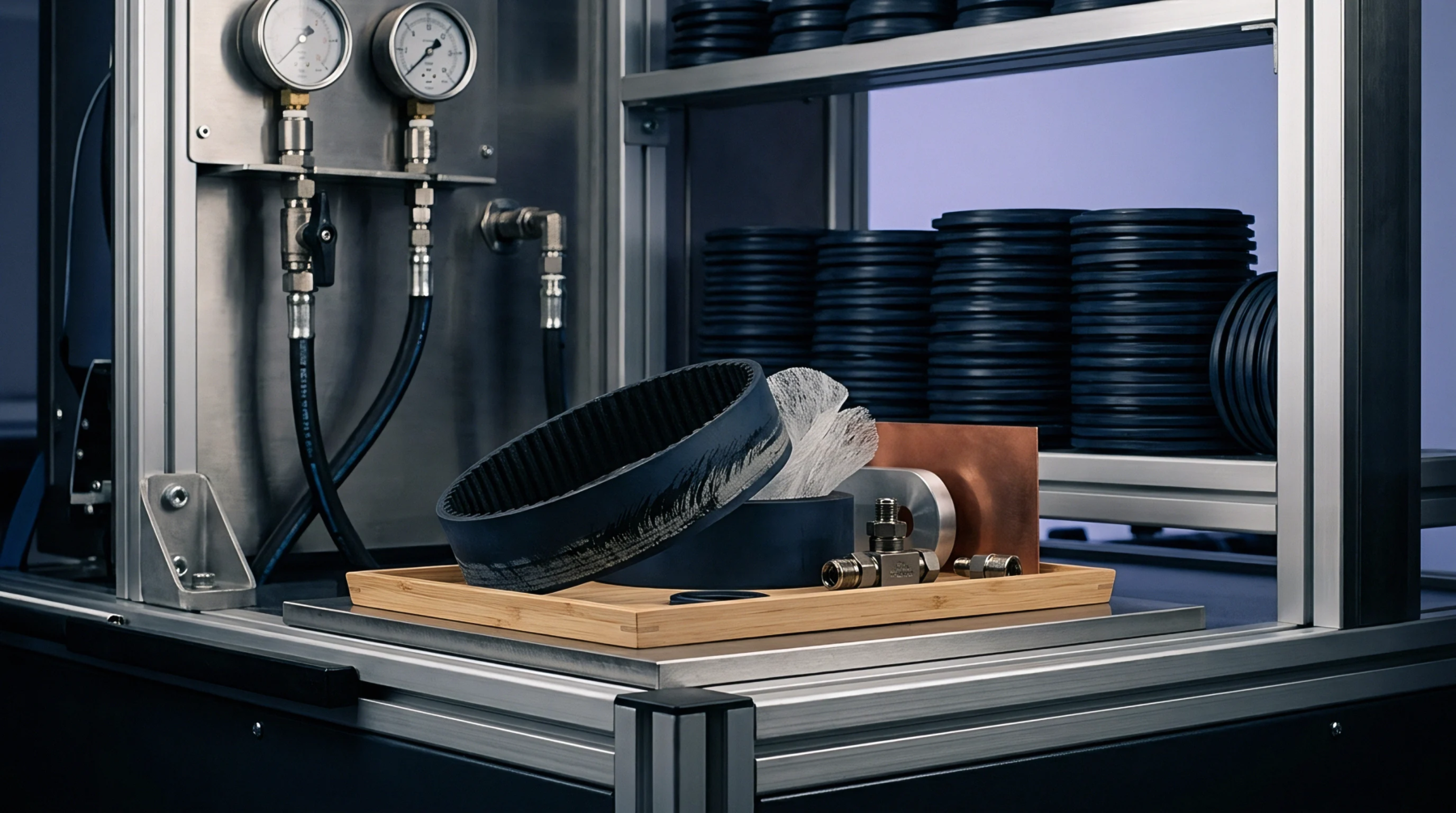
Controlling copper interfacial micro-void nucleation requires balancing plating bath organic additives, limiting total organic carbon, and enforcing slow thermal anneal ramps.

Analytical spectrometry rhythms must match chemical depletion kinetics to prevent microvia voids and control costs on high-volume substrate plating lines.
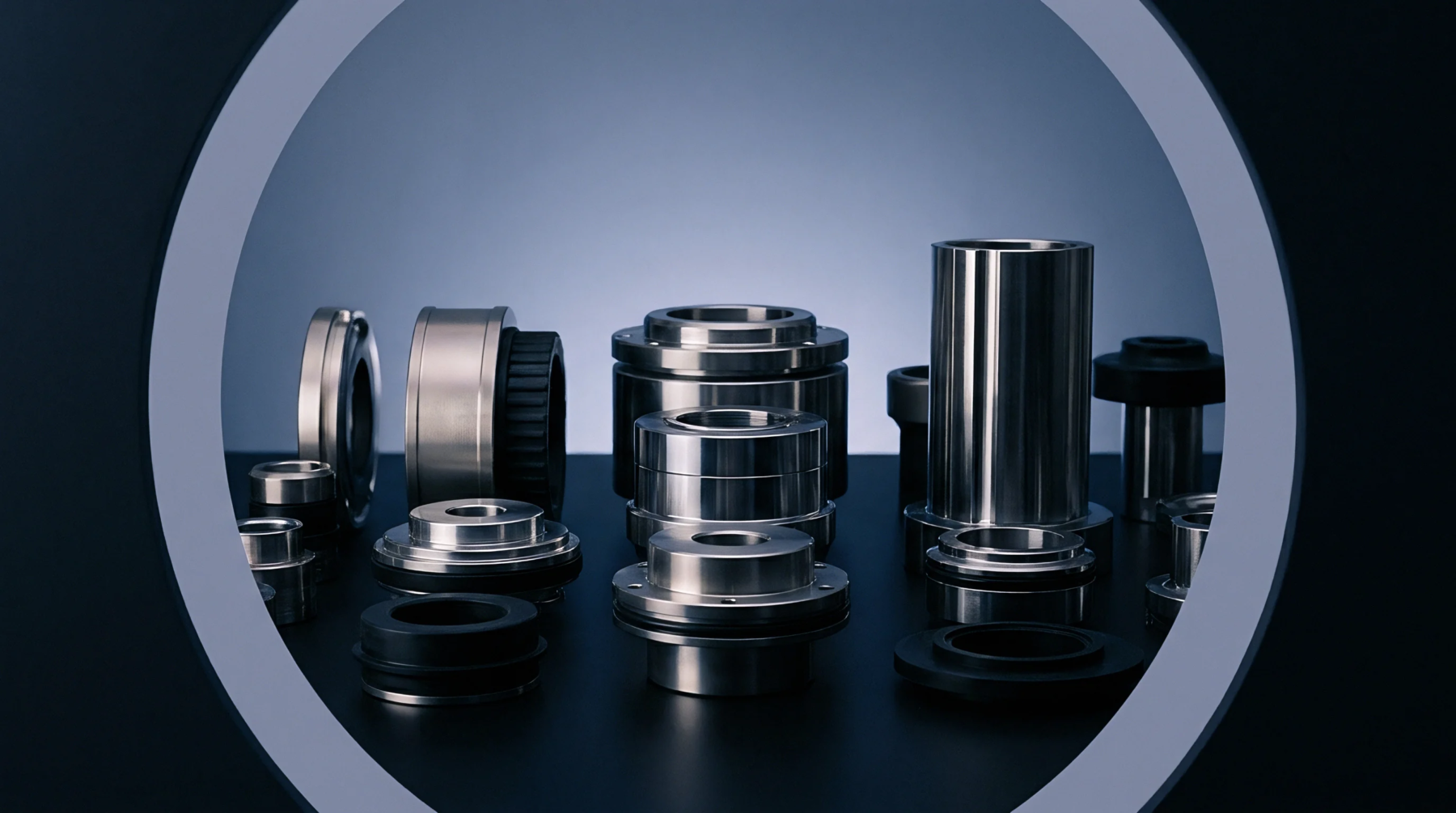
Enforce tight bath chemistry controls and continuous voltammetric screening to eliminate organic breakdown, microvoiding, and catastrophic copper interconnect scrap.

Electroplating bath impurities accelerate bimetallic interdiffusional voiding by lowering vacancy supersaturation limits, demanding strict CVS monitoring and carbon treatment.

Mitigate lead-free solder interface failure by controlling electroplated copper purity and modeling vacancy flux divergence across intermetallic phase layers.
Dosing electroplating copper baths with controlled nickel or manganese trace dopants suppresses Kirkendall void accumulation and preserves joint shear strength.

Coupled thermomigration and electromigration modeling predicts interface voiding in electroplated interconnects, enabling strict plating and barrier process controls.

Electroplated copper bath impurities drive vacancy supersaturation and Kirkendall voiding, requiring dynamic SIMS screening and high-speed shear verification.
Expertise is a utility, not a secret. sentiention™ publishes its working knowledge as open reference: intelligence layer covering the materials it sources, the markets it enters, and the reference that serves both.