
Phase Boundary Kinetics in High Temperature Alloys under Load
Phase boundary kinetics dictate high-temperature alloy creep rupture resistance, requiring master heat EBSD mapping and strain-rate testing to prevent field failures.
Phase boundary kinetics dictate high-temperature alloy creep rupture resistance, requiring master heat EBSD mapping and strain-rate testing to prevent field failures.

Controlling solder grain texture and cooling profiles during reflow suppresses anisotropic diffusion divergence in microbumps under electromigration stress.

Hydrostatic stress gradients accelerate vacancy condensation in micro bumps, demanding coupled thermo-mechanical qualification to prevent field fatigue fractures.
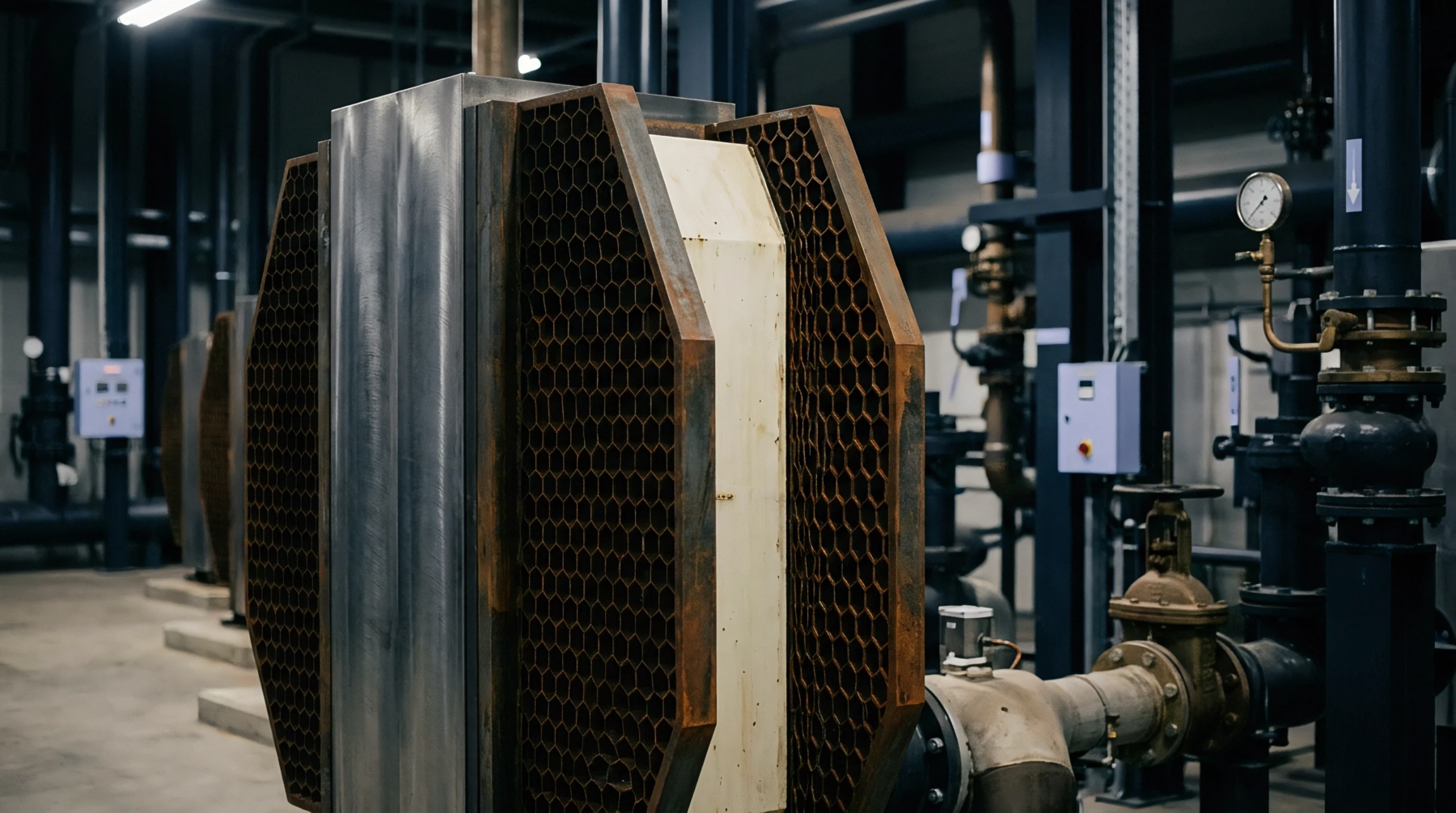
Lead-free solder microstructures coarsen rapidly under thermal heat, requiring micro-alloying and strict reflow oversight to stop intermetallic failures.

Refining tin grain orientation and controlling reflow cooling gradients suppresses hydrostatic stress and eliminates interfacial voiding in fine pitch joints.

Quantifying thermally accelerated intermetallic layer growth using Arrhenius kinetics protects solder joint fatigue limits and bounds long-term warranty liability.

Dynamic phase boundary migration under thermal and tensile creep accelerates microstructural degradation, requiring integrated stress-diffusion modeling and EBSD verification.

Mitigate lead-free solder interface failure by controlling electroplated copper purity and modeling vacancy flux divergence across intermetallic phase layers.

Stress-coupled vacancy migration in substrate vias is controlled by managing copper grain texture, barrier adhesion energy, and post-plating anneal thermal budgets.

Modeling intermetallic vacancy fluxes allows engineers to suppress Kirkendall voiding and extend solder joint lifetime through targeted micro-alloying.

Predicting high-temperature void nucleation at ternary intermetallic boundaries requires coupling multi-component vacancy flux models with substrate plating impurity controls.
Latent thermal joint liabilities rely on defining contractual intermetallic thickness and void area limits backed by real-time reflow profiling records.

Accurate intermetallic phase growth measurement requires bevel-free metallographic polishing, etching chemical selection, and kinetic modeling to set supplier liability limits.
Expertise is a utility, not a secret. sentiention™ publishes its working knowledge as open reference: intelligence layer covering the materials it sources, the markets it enters, and the reference that serves both.