
Intermetallic Phase Transformation Kinetics during Accelerated Isothermal Bake Testing
Accelerated isothermal bake testing demands exact thermal control below phase transition thresholds to derive valid intermetallic growth rate kinetics.
Accelerated isothermal bake testing demands exact thermal control below phase transition thresholds to derive valid intermetallic growth rate kinetics.

Thermal aging validation of fine pitch solder joints requires argon ion milling and low-voltage FE-SEM to distinguish genuine submicron Kirkendall voids from mechanical polishing artifacts before enforcing contractual lot rejection criteria.
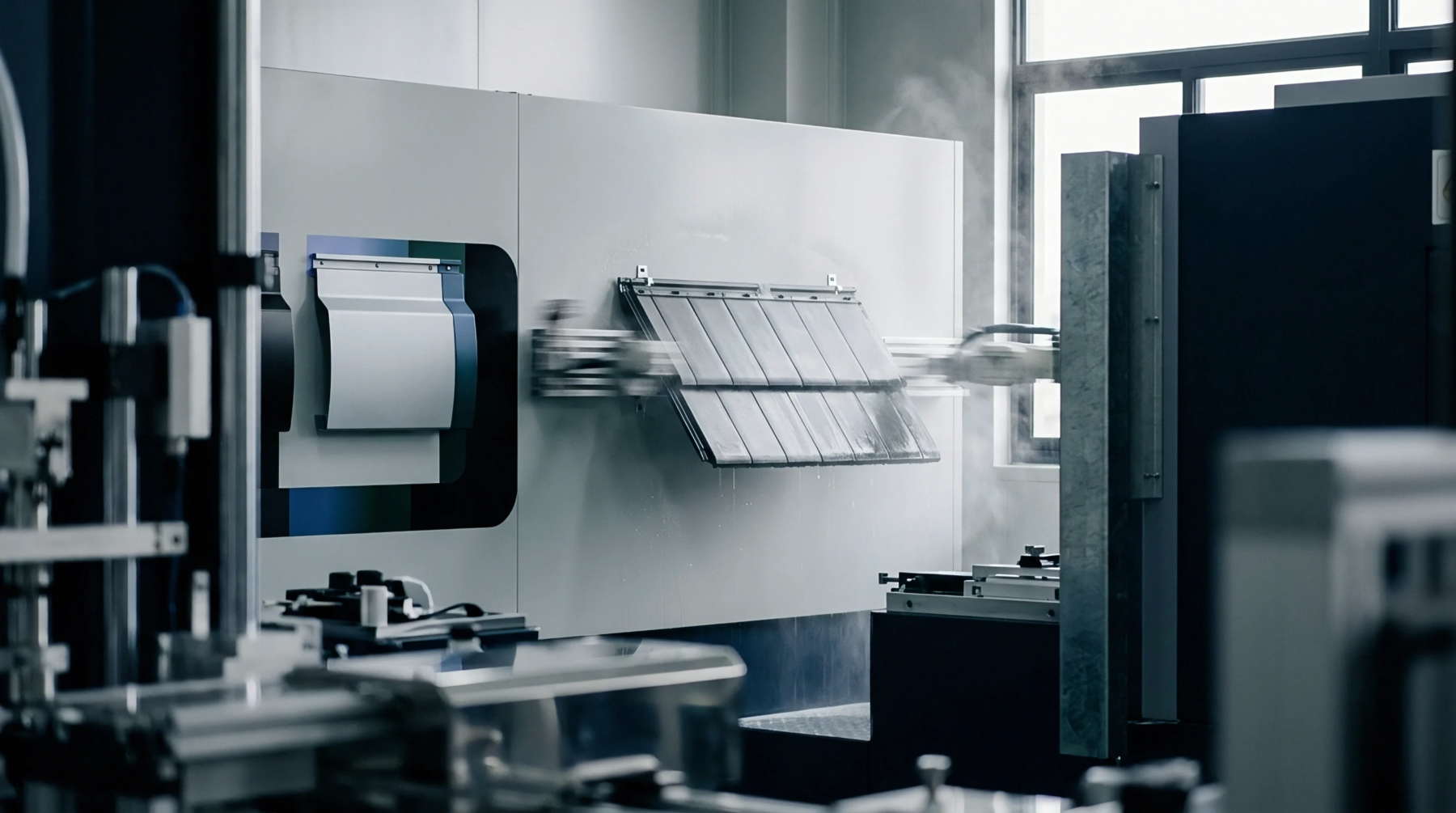
Control reflow peak dwell and solid-state thermal exposure to limit interfacial intermetallic growth below four micrometers, preventing brittle joint fracture.

Quantifying interfacial intermetallic growth kinetics under thermal aging enables accurate interconnect lifetime predictions and prevents field failures.
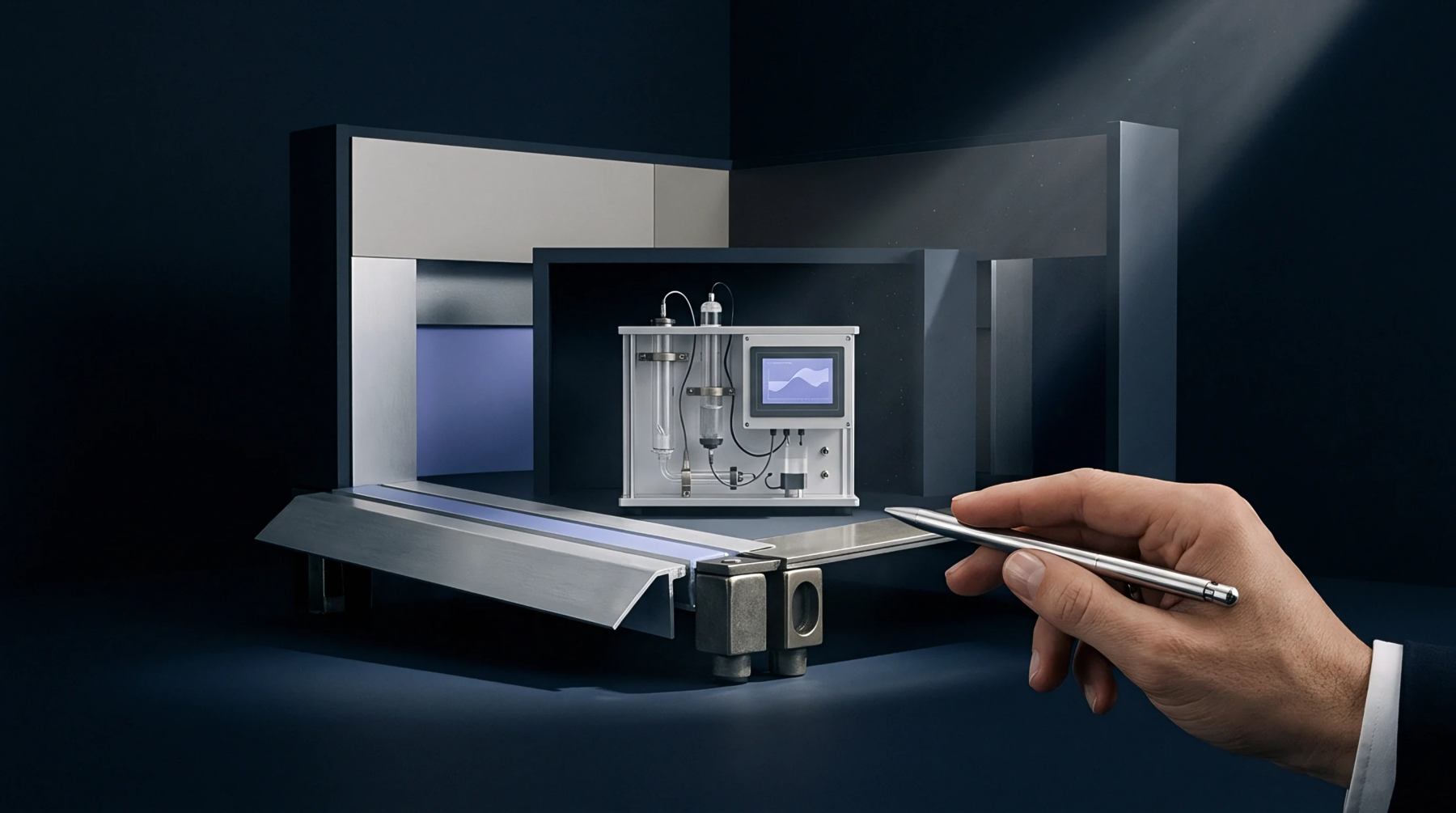
Managing lead-free solder intermetallic growth requires strict reflow thermal limits to prevent brittle phase formation and latent interfacial field failures.

Predict intermetallic growth during reflow by balancing peak temperature and time above liquidus to control Cu6Sn5 scallop thickness between 1.0 and 2.5 µm.

Modeling intermetallic vacancy migration requires coupling chemical, stress, and electrical driving forces to manage Kirkendall void risks in micro-bumps.
Expertise is a utility, not a secret. sentiention™ publishes its working knowledge as open reference: intelligence layer covering the materials it sources, the markets it enters, and the reference that serves both.