
Thermal Boundary Layer Control in Acid Copper Plating Baths
Cathode boundary layer thinning via high-shear eductor agitation prevents localized Joule heating, stabilizing additive kinetics and eliminating microvia voids.
Cathode boundary layer thinning via high-shear eductor agitation prevents localized Joule heating, stabilizing additive kinetics and eliminating microvia voids.

Solid-state NMR spin diffusion measures phase domain sizes below 30 nanometres to detect incomplete compatibilization in recycled engineering resin blends.

Dockside infrared screening prevents contaminated polymer lots from entering extrusion lines by flagging filler and resin drift before tool damage occurs.

Sub-tier thermoplastic feedstock quality control requires verifying melt flow, ash content, and drying dew points to prevent regrind dilution and press scrap.

Phase field simulations predict Kirkendall void coalescence at micro bump interfaces, guiding plating bath controls and barrier layer metallurgy to prevent failure.

Stress coupled interdiffusion modeling predicts interfacial voiding and mechanical delamination by solving simultaneous mass and momentum conservation equations.
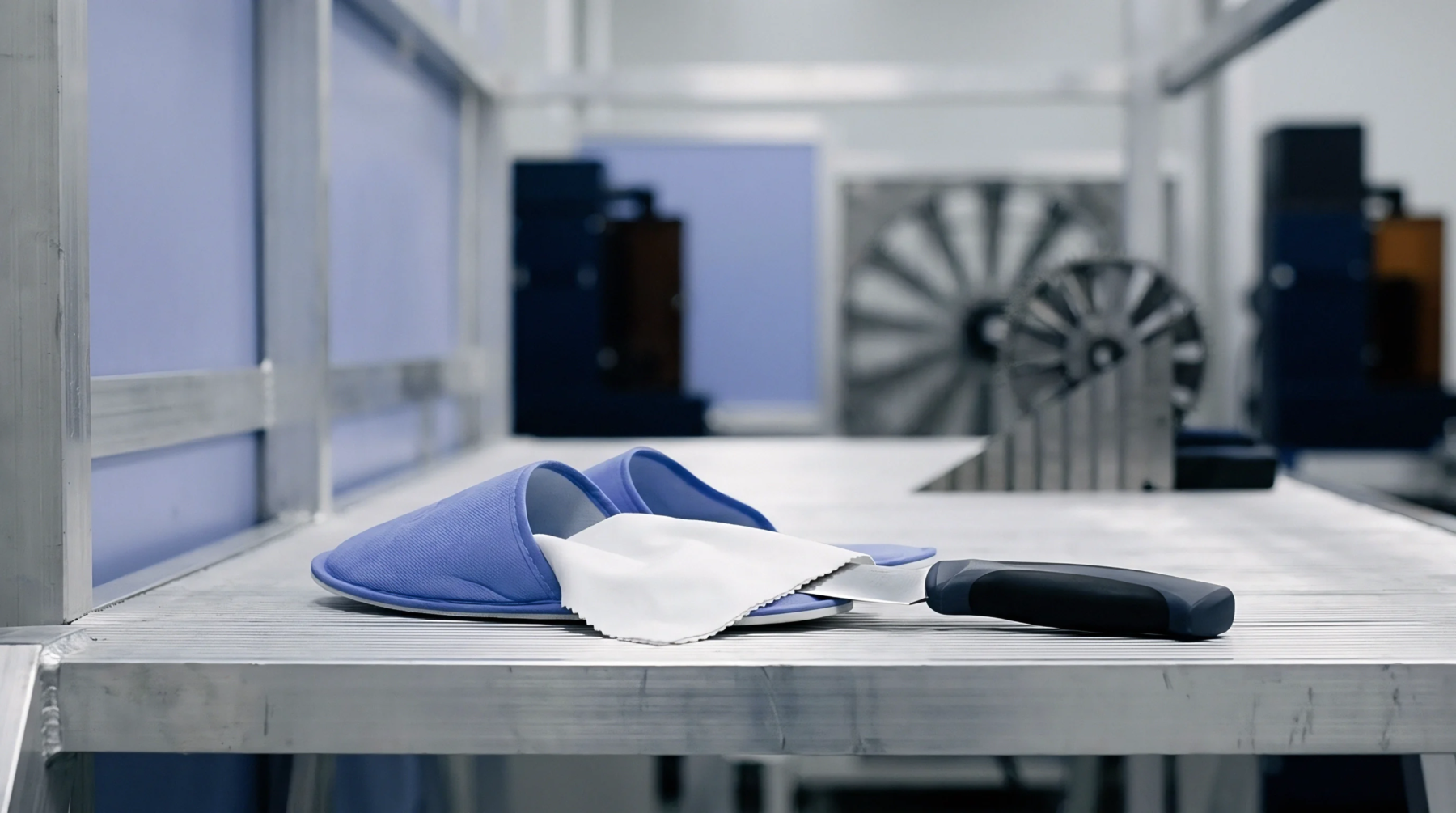
Point defect energetics dictate diffusion and creep kinetics in lead-free solder joints; controlling them requires strict alloy purity and reflow thermal caps.

Electroless nickel deposits contract up to 1.1 volume percent as Ni3P crystallizes above 200°C; control bath turnovers to prevent premature field microcracking.

Deriving Arrhenius kinetic parameters from isothermal bake matrices calculates real-world solder joint life and sets objective rejection limits.

Solid-state intermetallic growth thickens brittle Cu6Sn5 and Cu3Sn layers over time, driving drop shock failures that require tight reflow thermal controls.

Enforce serial traceability by binding production label generation to offshore servers and withholding rolling warranty reserves against unallocated defect risks.

Enforce transactional append-only ledgers and unique composite namespaces at production docks to eliminate inter-facility serialization drift.

Subcontractor direct part marking succeeds only when purchase orders mandate ISO/IEC 29158 verification grades, exact lighting angles, and post-finish routers.

Unverified subcontractor volume drives yield collapse, air freight liability, and IP leakage when primary suppliers outsource overflow to unvetted workshops.

Contractual enforcement of Chinese technical commitments requires bilingual annexes, CNAS lab gates, and milestone holdbacks linked to liquidated damages.

Verbal assent in Chinese manufacturing confirms conversational receipt, requiring bilingual stamped engineering documents and floor verification to bind production.

Viscoplastic strain relaxation accelerates vacancy aggregation at intermetallic boundaries during dwell periods, dictating joint fatigue life.

Stress-coupled atomic flux modeling identifies package current and thermal limits before premature microbump voiding drives catastrophic field warranty returns.
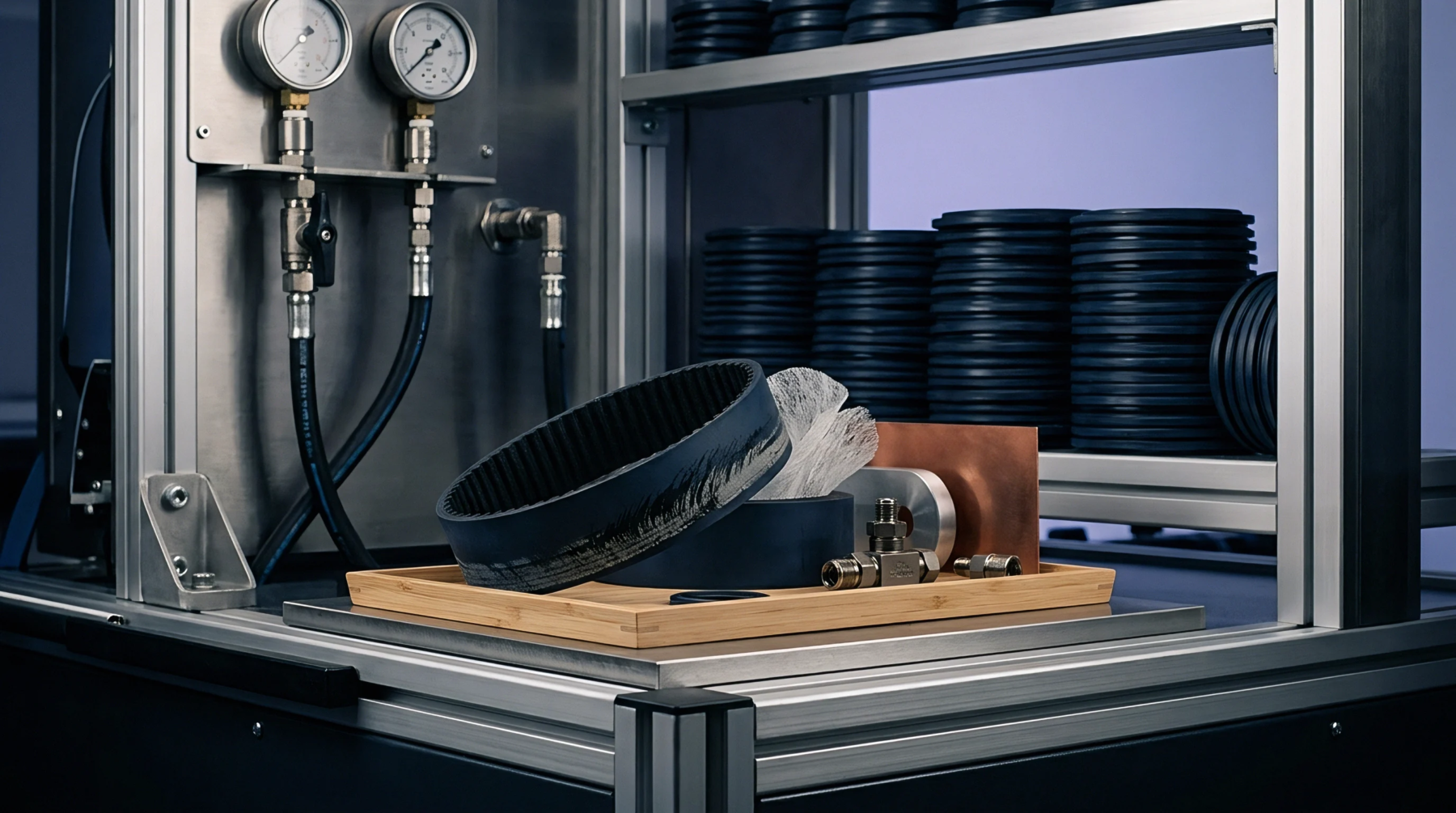
Electromigration and thermomigration kinetics in lead-free microbumps dictate interconnect lifespans through coupled atomic flux and tin grain orientation.

Interfacial delamination under extreme thermal gradients is driven by edge peel and shear stresses; mitigate via compliant interlayers and strict acoustic bounds.

Temperature gradients exceeding 1000 K/cm drive thermal migration in fine pitch microbumps, demanding barrier metallurgy to prevent void formation.

Microbump thermomigration drives rapid solder voiding along hot interfaces under steep thermal gradients, requiring strict thermal flux management.

Thermodynamic optimization of high entropy alloy transport matrices balances tracer mobilities against intermetallic solvus limits to secure stable billets.

Tikhonov regularization stabilizes ill-conditioned ternary diffusion matrices against microprobe noise, ensuring physically bounded cross-term diffusion kinetics.

Tikhonov and total variation regularization prevent noise-induced singularities in multicomponent diffusion matrix inversion while preserving thermodynamic stability.

Stress-assisted refractory diffusion across superalloy phase boundaries accelerates rafting and scrap, demanding tight melt chemistry and soak auditing.
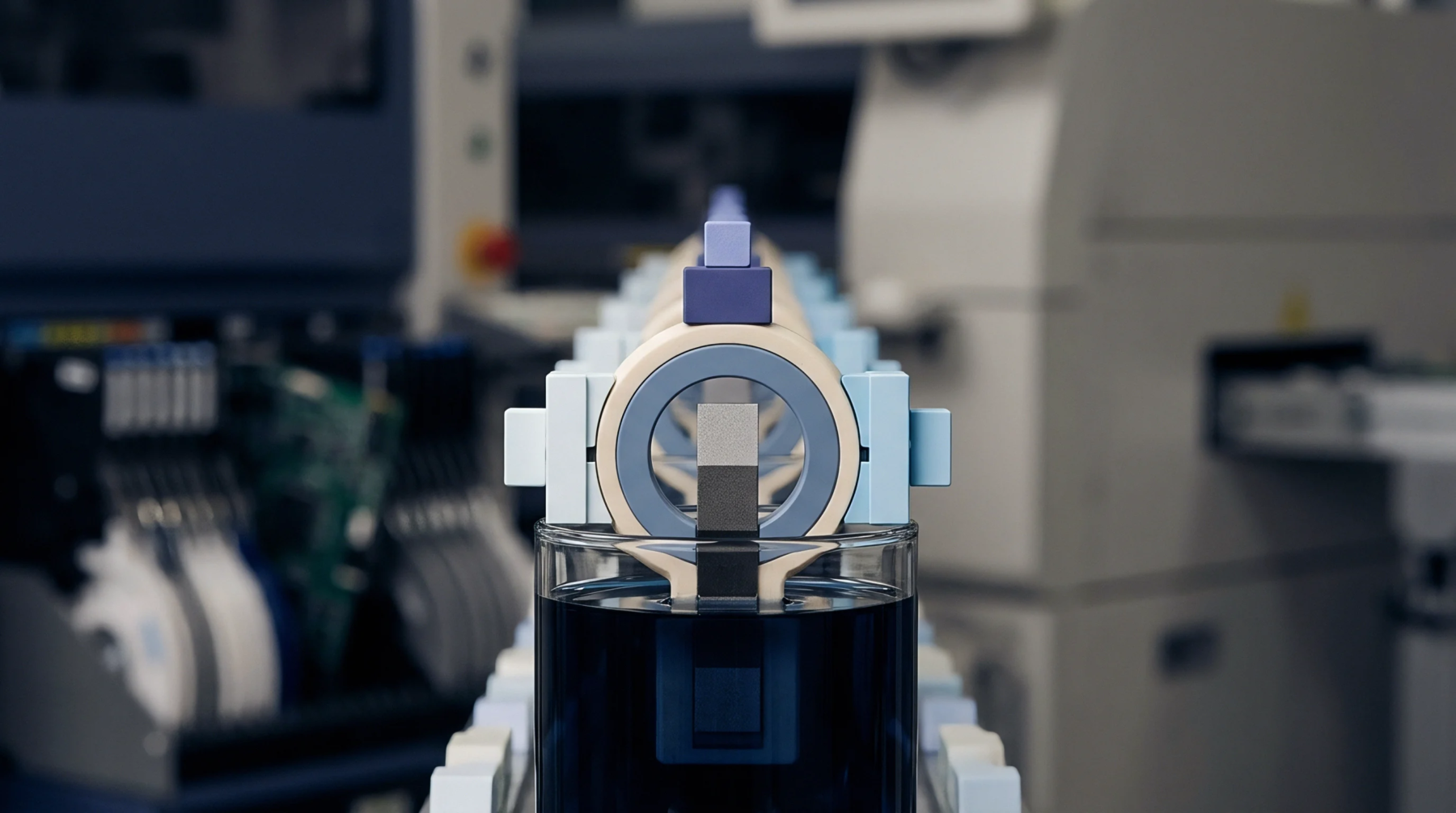
Stress-coupled diffusion kinetics require multi-stage thermal ramps that relax internal casting strains to eliminate refractory segregation without voiding.
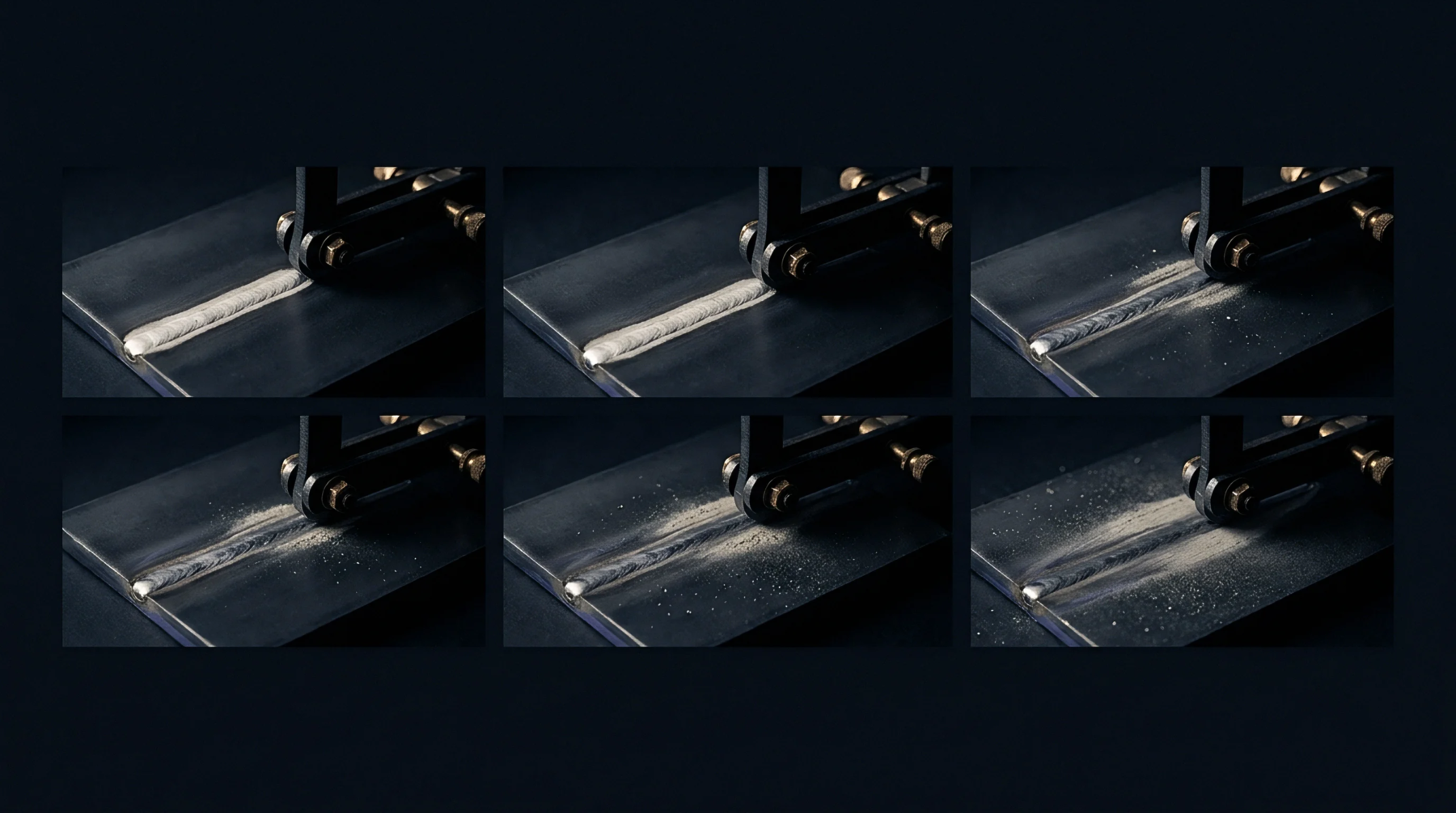
Solution heat treatment dissolves strengthening phases near solvus limits; accurate pyrometry and fast quenching prevent grain growth and incipient melting.

Coupled solute drag and point defect dissipation govern alloy phase boundary velocity; uncoupled models cause heat rejections and costly production line scrap.

Dynamic vacancy supersaturation shifts solute drag breakaway thresholds, requiring strict press strain rate controls to prevent duplex grain growth.
Expertise is a utility, not a secret. sentiention™ publishes its working knowledge as open reference: intelligence layer covering the materials it sources, the markets it enters, and the reference that serves both.