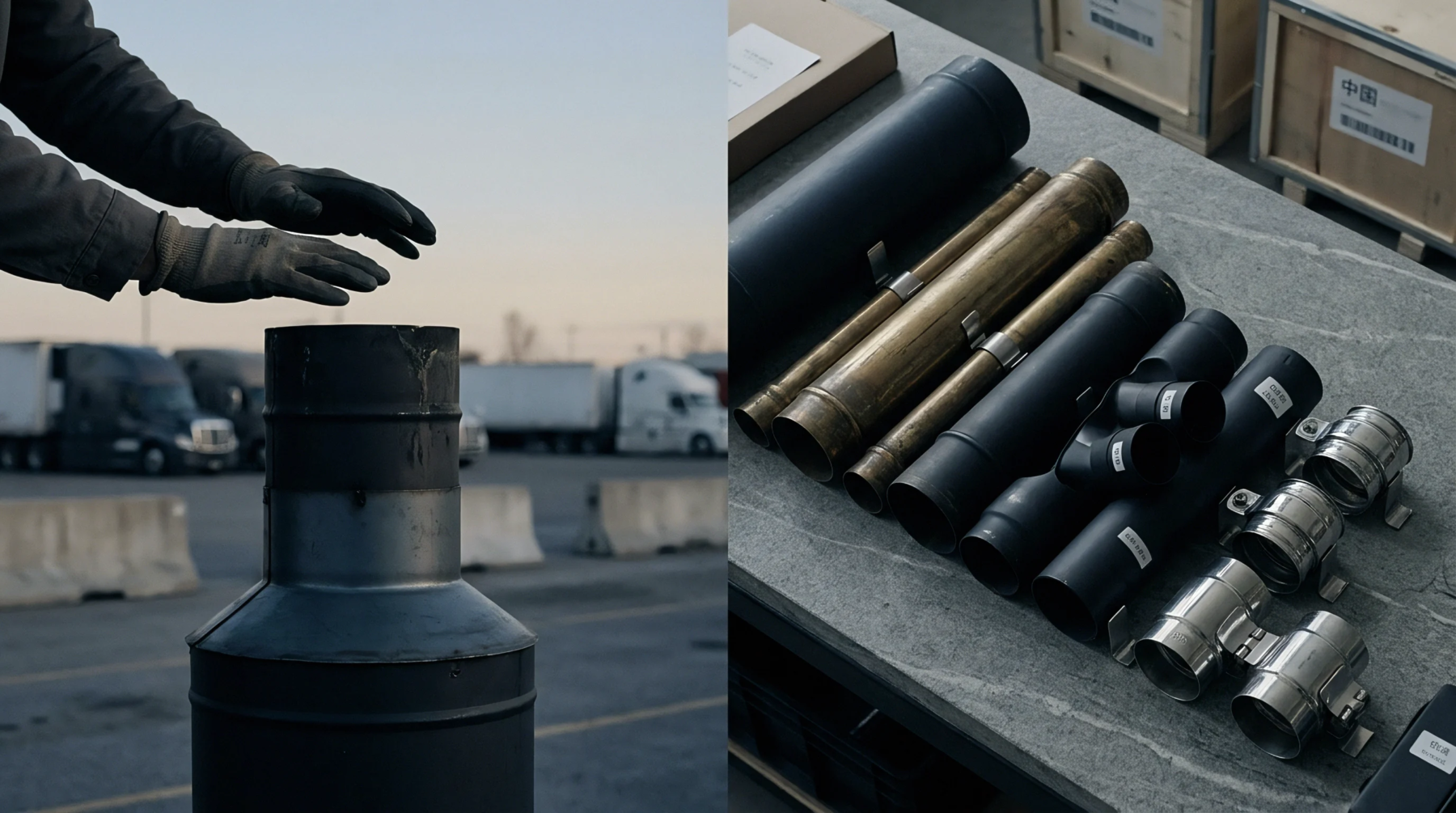
Contractual Enforcement of Technical Commitments in Chinese Supply Contracts
Contractual enforcement of Chinese technical commitments requires bilingual annexes, CNAS lab gates, and milestone holdbacks linked to liquidated damages.
Mandated facility interventions in Chinese industrial zones operate as statutory cavity shutoff protocols designed to halt fluid transmission pathways during environmental containment failures. Administrative bureaus enforce these engineering standards under regional water pollution prevention laws through local environmental protection bureaus. Municipal inspectors mandate physical valve closures and pressure drops inside subterranean drainage networks whenever chemical processing units exceed allowable discharge thresholds.
Operating enterprises bear strict liability for maintaining automated isolation actuators that respond instantly to sensor telemetry anomalies. Jurisdiction over these emergency measures rests exclusively with provincial ecology departments wielding administrative suspension powers over noncompliant production sites.
Local enforcement officers verify physical seal integrity during unannounced environmental audits of manufacturing plants. Inspectors cross-reference programmable logic controller event logs against municipal sewage discharge records to detect unauthorized bypass operations. Foreign invested factories face immediate administrative detention of corporate legal representatives when facility managers disable automated flow diversion mechanisms.
Regional enforcement practice diverges sharply from statutory text because local bureaus routinely issue immediate production halts without prior administrative hearings during pollution alerts. Judicial review remedies remain theoretically available through administrative litigation courts, but courts rarely overturn emergency closure orders issued under public health mandates.
Chemical synthesis plants and heavy metal plating facilities constitute the primary industrial sectors subject to mandatory flow isolation requirements. Operational jurisdiction extends strictly to internal facility drainage networks, leaving municipal trunk lines under the direct authority of urban drainage bureaus. Statutory obligations apply exclusively to fixed installations possessing drainage connections capable of discharging pollutants into public water bodies.
Manufacturing activities located outside designated industrial zones fall under separate provincial watershed protection statutes rather than standard urban containment regulations. Cross-border corporate groups operating through domestic subsidiaries must integrate isolation control logic directly into central plant management information systems.
Administrative penalties for bypassing mandatory flow isolation include daily compounding fines and permanent revocation of industrial discharge permits. Statutory remedies do not permit foreign parent companies to contest facility closure orders through international arbitration tribunals because environmental protection falls under sovereign public law. Execution of administrative fines occurs through direct bank account debits executed by local tax authorities acting on bureau instructions.
Legal challenges against closure decisions fail when operating enterprises cannot produce certified maintenance logs for automated shutoff valves covering the preceding twelve months. Final liability determinations rest with provincial people’s courts applying strict causation standards to industrial pollution incidents.
Contractual enforcement of Chinese technical commitments requires bilingual annexes, CNAS lab gates, and milestone holdbacks linked to liquidated damages.
Expertise is a utility, not a secret. sentiention™ publishes its working knowledge as open reference: intelligence layer covering the materials it sources, the markets it enters, and the reference that serves both.