Financial Risk Assessment of Unverified Subcontractor Production Capacity in Offshore Manufacturing Chains
Unverified subcontractor volume drives yield collapse, air freight liability, and IP leakage when primary suppliers outsource overflow to unvetted workshops.


Exposure
An air waybill carrying an emergency booking for eight pallets of die-cast aluminum heat sinks sits on the dispatch desk in Shenzhen, billing at eleven dollars and forty cents per kilogram against an original ocean freight budget of seventy cents. The components left a secondary machine shop twelve kilometers outside Dongguan four hours after the container ship cleared the Yantian berth. That secondary shop appears nowhere on the approved vendor list, maintains zero calibration records for its four aging cold-chamber machines, and took the overflow volume because the primary vendor accepted a production schedule eighty percent beyond its actual daily output.
When a tier one factory quietly diverts overflow volume to unverified workshops, the financial consequences bypass the standard defect ledger and hit landed cost through freight premiums, collapsed yields, and warranty reserves.
The primary vendor hides this diversion because admitting capacity limits risks losing the purchase order entirely. Tier one manufacturing agreements routinely specify penalties for late delivery, yet offshore suppliers treat subcontracting as an ordinary risk-shifting mechanism rather than a contractual breach. In a standard high-pressure aluminum die casting run, a primary facility operates twenty machines at an Overall Equipment Effectiveness of seventy-eight percent, producing forty-five thousand finished units per month.
When seasonal purchase orders demand seventy-five thousand units, the vendor faces two commercial paths: refuse the margin or outsource the excess thirty thousand units to informal neighborhood facilities. The vendor retains the full purchase order price, pays the informal workshop thirty percent below internal production cost, and captures the spread while transferring the technical failure risk to the overseas buyer.
A thirty percent capacity deficit outsourced to uninspected machine shops increases batch scrap rates from two percent to eighteen percent under high-volume CNC tolerances.
Unvetted capacity shifts the cost baseline across three accounting categories: variable conversion costs, inventory carrying penalties, and emergency containment logistics. Variable conversion costs rise because informal workshops lack automated process controls, driving dimensional variances that surface during downstream assembly. Secondary workshops rarely maintain stable metallurgical baths, leading to porosity defects in structural castings that fail load tests weeks after customs clearance.
Inventory carrying costs compound when quality inspectors discover mixed batches at final pre-shipment inspection, forcing a full quarantine of the container lot. The overseas buyer absorbs the financing expense of trapped capital while the tier one supplier negotiates rework timelines that consume another twenty days.
Emergency containment logistics represent the most immediate cash drain. When a batch fails receiving inspection at a distribution center, the buyer faces assembly line stoppages that trigger retail vendor penalties averaging five thousand dollars per day for major accounts. To prevent stockouts, operations teams commission sorting houses to hand-inspect twenty thousand components at eighty dollars per man-hour, followed by air freight runs that eliminate the entire gross margin of the product line.
Secondary production capacity transforms a predictable per-unit manufacturing cost into an unhedged operational liability that compounds with every mile of transit.

Hidden Capacity Deficits on Tier One Spreadsheets
Suppliers routinely overstate available machinery by reporting nameplate capacity rather than operational throughput. A machine park showing twenty vertical machining centers on an equipment list often hides five units down for repair, three dedicated to domestic clients with preferential payment terms, and four running outdated controller firmware that cannot execute tight toolpaths. Factory managers present capacity models based on twenty-four operating hours per day across thirty working days per month.
Real floor output tops out at twenty-two days on two ten-hour shifts, with planned downtime and changeovers reducing effective machining time to less than sixty percent of the reported total.
Auditing the gap between nominal and actual output reveals the mathematical certainty of subcontracting. When an operations team maps actual cycle time against monthly purchase order commitments, the volume deficit surfaces immediately. A four-axis CNC mill cutting an extruded enclosure requires three minutes and forty seconds per cycle, yielding four hundred units per twenty-hour day at eighty-five percent machine availability.
A contract for thirty thousand units delivered inside twenty-five days demands three dedicated machines running without interruption. If the vendor allocates only one machine to that production cell, twenty thousand units must originate outside the main factory walls.
| Production Layer | Reported Machine Capacity | Average First Pass Yield | Unit Cost Surcharge | Rework and Sorting Liability |
|---|---|---|---|---|
| Tier One Main Line | 2,200 units daily | 98.2 percent | 0.00 USD | 420 USD |
| Vetted Tier Two Vendor | 1,400 units daily | 94.1 percent | 0.42 USD | 3,800 USD |
| Unverified Outwork Facility | 900 units daily | 81.4 percent | 1.85 USD | 18,600 USD |
| Informal Cottage Workshop | 400 units daily | 68.7 percent | 3.40 USD | 41,200 USD |

The Capital Drag of Displaced Production
Offsite processing consumes operating capital by multiplying Work In Process inventory cycles across disjointed locations. When components move between an authorized factory and a secondary outwork cluster, transit documentation lags the physical movement by several days. Parts sit in transit on unheated flatbed trucks or linger on loading docks awaiting secondary stamping operations, exposed to moisture and mechanical shock.
This fragmentation prevents accurate financial accounting, leaving purchasing directors unaware that paid raw material inventory sits unprotected in an unmapped industrial village.
Failure to identify unverified production capacity exposes the buyer to sudden supply chain paralysis, legal liabilities from uncertified materials, and compounding logistical expenses that completely wipe out seasonal operating margins.


Shed
Concrete floors cracked by forklift wheels and stained with uncontained hydraulic fluid mark the physical perimeter of informal manufacturing workshops in the industrial belts of Ningbo and Dongguan. These outwork sheds operate in corrugated metal structures behind small commercial storefronts, away from the wide avenues where municipal environmental auditors stage their quarterly patrols. Overhead cranes remain idle during peak shifts.
The machinery inside consists of third-hand toggle injection presses or manual hydraulic punches bought at auction from bankrupt export plants. Operators work without formal employment contracts, paid per finished piece, incentives aligned entirely with volume rather than process discipline.
Tooling transfers happen under darkness or during Sunday shift changes to avoid detection by visiting buyer representatives. A stamping die owned by the overseas client leaves the primary factory on a rented flatbed truck, driven three kilometers to an alley shed where power is drawn from unregulated agricultural hookups. Secondary workshops operate without backup generators.
When local electrical grids ration industrial power during summer peak loads, these informal sheds switch off temperature regulation circuits, cooling fans, and hydraulic chillers to keep the main drive motors spinning. The resulting thermal instability warps tool steel, distorts plastic melt flow indexes, and produces parts with severe internal stress concentrations.
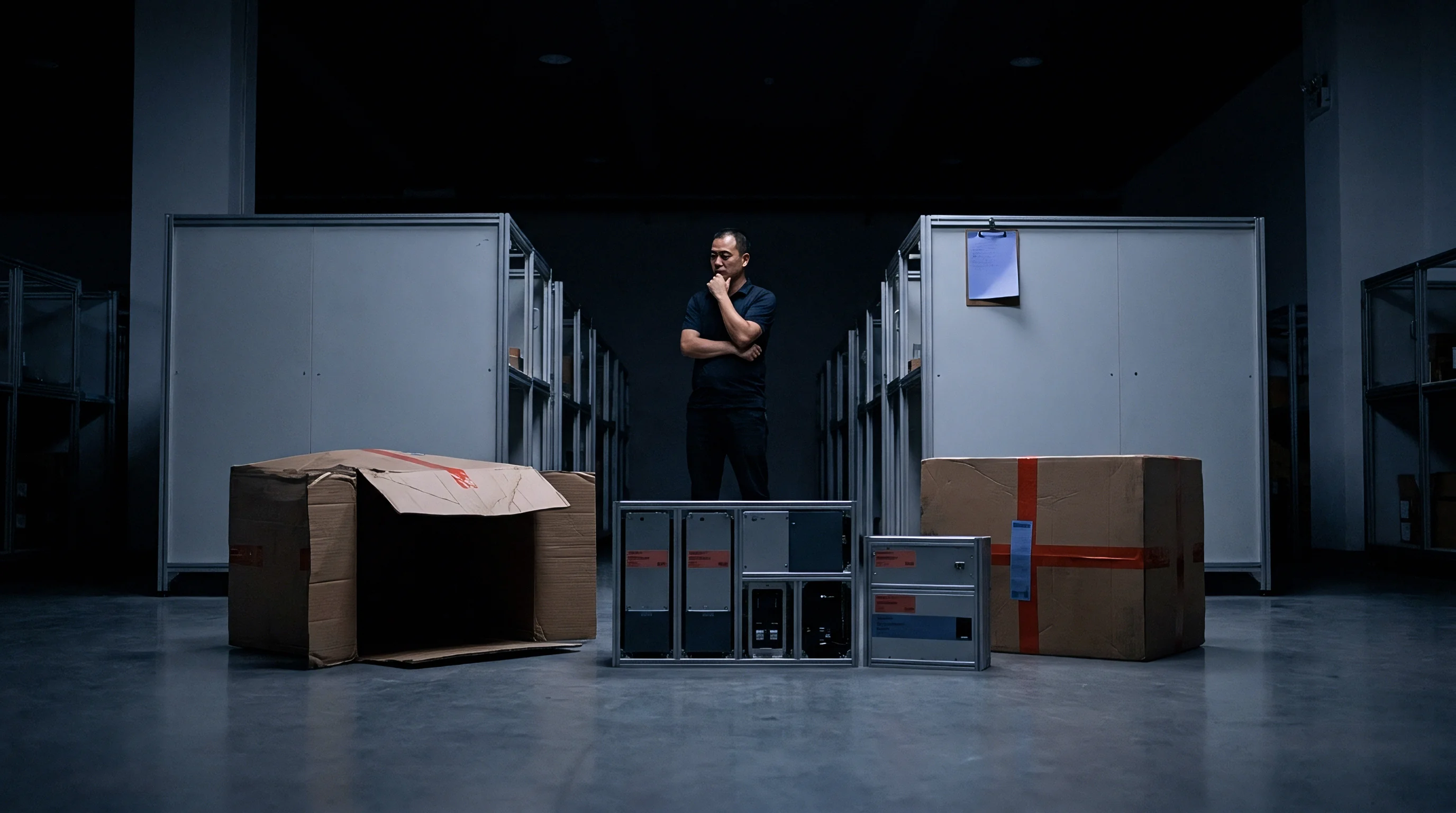
Floor Layouts of Informal Outwork Facilities
Raw materials sit directly on damp masonry without pallet risers or humidity control bags. In a standard injection molding shed, hygroscopic resins like nylon or polycarbonate absorb ambient moisture within forty-eight hours of bag puncture, yet informal workshops rarely operate vacuum hopper dryers. Secondary operators blend virgin material with unground regrind at ratios reaching forty percent, far exceeding the five percent limit written into the engineering drawing.
Subcontracted stampings fail gauge tolerances instantly. Finished components accumulate on dirt floors in unlabelled woven polypropylene sacks, exposed to airborne dust and abrasive grit before final packing.
Informal workshops skip thermal normalization entirely. Tool wear doubles on uncalibrated presses. Because the shed owner operates on razor-thin margins of five to eight percent, cutting fluids remain in circulation for months, accumulating metallic sludge that scores component surfaces and accelerates cutter degradation.
Quality records do not exist on these floors; workers toss non-conforming parts into bins beside acceptable units, relying on low-wage packing workers to spot cosmetic flaws through visual appraisal under failing fluorescent bulbs.
Finished components packed in unmarked sacks indicate outwork production that escaped tier one quality containment protocols.
Uncontrolled outwork introduces specific, repeatable failure modes that standard dockside quality checks fail to catch:
- Material cross contamination occurs when informal shops run incompatible resins or low-grade scrap through unpurged barrels between commercial contracts.
- Dimensional drift over runs develops because operators bypass periodic tool recalibration and run dies past maintenance thresholds to maximize piece-rate earnings.
- Missing chemical heat treatment manifests when facilities skip tempering or anodizing stages to save electricity and subcontract processing fees.
- Counterfeit alloy substitution emerges as workshops substitute low-cost secondary ingots containing heavy trace contaminants to protect thin operational margins.

Tooling Handover without Written Authorization
Dies and injection molds represent high-value client assets, yet tier one suppliers frequently surrender them to third parties without insurance coverage or written custodial agreements. When a primary vendor hands an aluminum die-cast tool to an unvetted shop, that tool leaves the legal perimeter of the master manufacturing agreement. If the secondary facility suffers an industrial fire, hydraulic seizure, or municipal environmental shutdown, repossession of the mold becomes legally complex and practically impossible without local court orders.
The tool stays locked.
The subcontractor routinely asserts that machine breakdowns and power outages forced the transfer to a friend’s workshop down the street to protect the buyer’s delivery deadline.


Variance
Discrepancies between approved production capacity and physical factory output follow predictable mathematical curves once daily machine logs are audited against utility receipts. A factory operating forty automated punch presses consumes a baseline electrical load that leaves an indelible monthly footprint on municipal utility billing. Comparing utility records against declared unit production exposes capacity falsification within hours.
When a supplier claims to have stamped one hundred thousand steel brackets using three hundred kilowatt-hour presses, but power records show consumption consistent with ten thousand units, the missing ninety thousand brackets originated outside that facility.
Process yield collapse follows non-linear distribution curves when secondary workshops enter the manufacturing chain. In high-precision CNC turning, a primary facility maintains a Cpk process capability index above 1.33, producing less than sixty-four defective parts per million. When volume spills into unverified sheds, the process capability index drops below 0.80, throwing defect rates past fifteen thousand parts per million.
This mathematical spread represents the variance gap that destroys downstream assembly economics in overseas facilities.

Where Does Secondary Capacity Hide?
Subcontracting arrangements conceal themselves inside complex corporate holding structures and informal kinship enterprises throughout regional manufacturing clusters. A tier one entity often operates three separate corporate shells registered at the same district address: an export trading firm that signs the buyer’s purchase agreement, a clean showcase factory that hosts overseas client audits, and a cluster of low-overhead workshops registered under cousins or former shop-floor supervisors. When client auditors arrive, production lines run at moderate speeds with full personal protective equipment and documented quality sign-offs.
Tier one managers conceal secondary capacity behind these staged demonstration lines.
Once the audit team clears the security gate, supervisors pack the golden samples into presentation boxes and divert the live purchase order to the satellite sheds. Real-time scheduling boards on the main floor display fabricated job numbers that match client enterprise resource planning reports, while actual production runs on unmonitored equipment forty miles away. Traceability marks become the primary giveaway; serial numbers stamped by automated presses exhibit uniform depth and spacing, whereas secondary outwork parts show uneven manual stamping and inconsistent laser engraving power settings.
| Machining Process | Declared Output per Cell | Audited Output per Cell | Measured Capacity Deficit | Observed Outwork Share |
|---|---|---|---|---|
| Multi-Axis CNC Milling | 1,200 parts/day | 760 parts/day | 36.7 percent | 42.0 percent |
| Progressive Die Stamping | 15,000 parts/day | 11,200 parts/day | 25.3 percent | 28.5 percent |
| Plastic Injection Molding | 4,800 parts/day | 3,100 parts/day | 35.4 percent | 39.0 percent |
| Zinc Die Casting | 2,400 parts/day | 1,450 parts/day | 39.6 percent | 45.0 percent |
| Weighted Industry Average | 5,850 parts/day | 4,127 parts/day | 29.5 percent | 38.6 percent |

Cycle Time Inflation across Extended Transit
Movement between unverified facilities introduces systemic delivery delays that no master production schedule can accommodate. A stamping process that requires three seconds per stroke expands into a five-day logistical loop when parts must be crated, loaded onto small trucks, transported across town, unloaded, stamped, repacked, and returned to the primary site for surface finishing. Each transfer point adds loading friction, transport buffer time, and handling damage.
Container vessels depart without delayed cartons.
The resulting schedule slippage accumulates invisibly until the final week before scheduled port delivery. When the primary supplier realizes the outwork shed cannot finish the volume in time, workers skip final curing, omit deburring stages, and pack parts hot into shipping cartons. Manual rework ruins surface finishes.
Moisture trapped inside sealed polybags causes surface corrosion on zinc and steel parts during thirty days of ocean transit, presenting the receiving warehouse with unsellable cargo.
Evaluating the integrity of a supplier schedule demands a sequential audit of manufacturing milestones rather than reliance on digital production reports:
- Raw material mass balance verification confirms that incoming metal coil or plastic resin weight matches finished part mass plus standard engineering scrap allowances.
- Machine hour meter correlation compares actual equipment run timers against claimed cycle times across the entire purchase order duration.
- Internal warehouse transfer logging identifies suspicious gaps between intermediate staging locations and packaging lines.
- Secondary packaging inspection uncovers mixed carton styles, inconsistent pallet configurations, and unapproved inner liner bags originating from outside vendors.

Scrap Multiplication through Cold Starts
Process restarts in secondary shops generate massive scrap surges that never appear on the tier one factory floor. Uncontrolled heat creates microstructural embrittlement. A cold die-casting tool requires fifty to one hundred preliminary shots before reaching thermal equilibrium at three hundred degrees Celsius.
Primary factories discard these initial scrap shots or melt them directly in automated recovery furnaces. Secondary shops, operating manual pots and facing high electrical rates, frequently pack these cold-shut castings directly into export cartons to avoid material yield losses.
Whether a tier one vendor can maintain structural traceability across decentralized regional workshops without dedicated enterprise software remains an unanswered operational question.

Friction
Financial liability from unauthorized subcontracting hits the balance sheet long after the goods pass export customs checkpoints. Landed cost models built on baseline manufacturing quotations fail when unvetted workshops inject hidden friction into the downstream supply chain. These costs divide between immediate logistical containment and deferred commercial liabilities, including warranty returns, customer chargebacks, and legal defense fees.
Unplanned expedites eliminate operating profits. When dimensional drift causes a six percent field failure rate in automotive or consumer electronics subassemblies, the buyer faces recalls that exceed the total enterprise value of the offshore tier one supplier.
In standard commercial disputes, the supplier denies unauthorized subcontracting, attributing non-conformities to raw material batch variations or minor tooling wear. The legal distance between a North American or European buyer and a Chinese municipal court insulates the vendor from direct financial recovery. Distance prices this dispute directly: hiring local counsel in Ningbo, securing notary verifications through foreign affairs ministries, and conducting forensic metallurgical testing costs upwards of forty thousand dollars before a single hearing occurs.
For purchase orders under five hundred thousand dollars, formal legal litigation represents capital destruction, forcing the buyer to absorb the losses directly into annual cost of goods sold.
A contract clause prohibiting subcontracting without prior written consent remains unenforceable unless paired with daily liquidated damages and unrestricted third-party audit access.

Whose Ledger Absorbs Late Run Scrap?
Secondary workshops operating outside formal supply contracts bear zero contractual liability to the overseas brand. When an informal shop produces twenty thousand defective brackets, the financial loss lands squarely on the tier one factory. If that tier one factory operates on a five percent net margin, absorbing a sixty-thousand-dollar scrap run wipes out its annual profit from that client relationship.
Facing this reality, the vendor attempts to salvage the defective parts through crude manual rectification rather than scrapping the batch.
Workers use handheld angle grinders to grind down oversized bosses, tap oversized holes with manual threaders, and paint over casting porosity with unauthorized cosmetic fillers. Third party warehouses reject mixed lots. These manual interventions destroy interchangeability.
When these parts arrive at an automated assembly plant in North America, automated pick-and-place robots jam, halting production lines that cost twelve thousand dollars per hour in idle labor and fixed facility overhead.
| Cost Component | Scenario A: Main Line Baseline | Scenario B: 30% Unverified Outwork | Scenario C: 60% Unverified Outwork |
|---|---|---|---|
| Primary Manufacturing Quote | 250,000 USD | 250,000 USD | 250,000 USD |
| Dockside Third-Party Sorting | 1,200 USD | 14,500 USD | 38,000 USD |
| Expedited Air Freight Split | 0 USD | 34,200 USD | 86,500 USD |
| Domestic Production Line Downtime | 0 USD | 24,000 USD | 72,000 USD |
| Total Realized Landed Cost | 251,200 USD | 322,700 USD | 446,500 USD |
| Cost models assume ten pallets air-freighted under Scenario B and twenty-five pallets under Scenario C at current trans-Pacific cargo rates. | |||

Expedited Freight Surcharges at Port Gates
Missing a scheduled container cut-off date sets off a catastrophic logistical chain reaction. Ocean carriers impose strict gate-in deadlines; missing the window by two hours bumps the container to the next weekly vessel. When retail delivery commitments carry severe penalty clauses, the buyer must shift cargo from ocean transit to air transport.
Air shipping invoices arrive weekly. Shipping a forty-foot high-cube container via ocean freight costs approximately four thousand two hundred dollars; moving the equivalent twenty-five metric tons via air freight costs upwards of one hundred and twenty thousand dollars.
Similar dynamics govern raw material markets when regional steel mills adjust blast furnace production schedules based on coking coal arrivals at northern ports, rippling supply constraints downward through regional rolling mills to informal secondary shops within days. Subcontractors caught in these material pinches substitute off-gauge sheet metal, shifting the financial penalty from raw material procurement to high-speed tool breakage during stamping runs.

Contractual Containment through Audit Access
Preventing capacity diversion demands commercial contracts that treat unauthorized subcontracting as an act of fundamental breach with immediate liquidated penalties. Standard purchase orders state that suppliers cannot assign work without approval, but omit the procedural mechanisms necessary to enforce compliance. Robust agreements stipulate unannounced audit access to all facilities, continuous digital video monitoring of tooling cells, and immediate ownership vesting of dedicated dies and molds.
To defend against unauthorized capacity diversion, operational contracts must mandate clear physical and digital verification instruments:
- Unannounced facility inspection rights permit buyer representatives or third-party engineering auditors to enter production floors and material warehouses at any hour without advance notification.
- Dedicated tool registration plates affix tamper-evident RFID tags and stamped steel asset markers directly to mold bases, linking tool location to automated GPS geofencing alerts.
- Mandatory power logging submissions require suppliers to provide certified municipal electricity billing and machine meter logs matching declared production output dates.
- Secondary supplier pre-disclosure covenants force tier one vendors to declare all outsourced finishing, plating, and heat-treatment partners during the initial quotation stage.
Standard purchase contract clause seven explicitly establishes that unauthorized relocation of buyer-owned tooling constitutes immediate conversion, entitling the buyer to confiscate tooling assets and apply a thirty percent liquidated penalty against all outstanding accounts payable.


Recourse
Recovering financial losses caused by unverified subcontracting demands direct leverage over active payments rather than prolonged cross-border legal actions. Once funds transfer to an offshore supplier’s bank account, commercial recovery drops near zero. Effective supply chain risk management tethers payment terms directly to milestone verifications, withholding final thirty percent balance payments until goods pass quality inspections at the destination port.
Holding the final payment transfers the commercial risk back to the vendor, forcing the primary supplier to absorb the scrap and sorting costs generated by its unauthorized secondary shops.
Tooling repossession demands police assistance when disputes turn hostile. If a buyer terminates a relationship due to capacity diversion, tier one vendors frequently hold production tooling hostage, claiming fabricated storage fees or unpaid engineering charges. Securing physical possession of molds requires clear proof of ownership, including original purchase invoices, machine serial registries, and import customs declarations showing the buyer paid for the tooling assets directly.
Without these documents, local public security bureaus treat tooling disputes as civil matters and refuse to intervene, leaving the buyer’s critical production assets trapped in an uncooperative factory.
Direct Offset against Tier One Accounts
Commercial leverage functions through the active purchase order pipeline. When an operations team identifies unverified subcontracting that resulted in sorting charges or air freight premiums, the financial remedy must be executed immediately through formal debit memos applied against open invoices for unaffected product lines. Waiting for the supplier to issue a cash refund is futile.
The buyer’s accounting team calculates the total financial impact, documents the audit trail with photographic and metallurgical evidence, and deducts the amount from the next scheduled wire transfer.
Suppliers respond to debit memos by threatening to stop production on other active lines. Navigating this impasse demands clear operational cadence and physical presence on the factory floor. When the vendor realizes the buyer maintains on-the-ground engineering representation capable of moving production to an alternative facility, the primary supplier concedes the offset to preserve the broader commercial relationship.
Physical presence on the ground remains the only mechanism that turns contractual paper rights into realized financial protection.

Tooling Repossession in Distant Industrial Parks
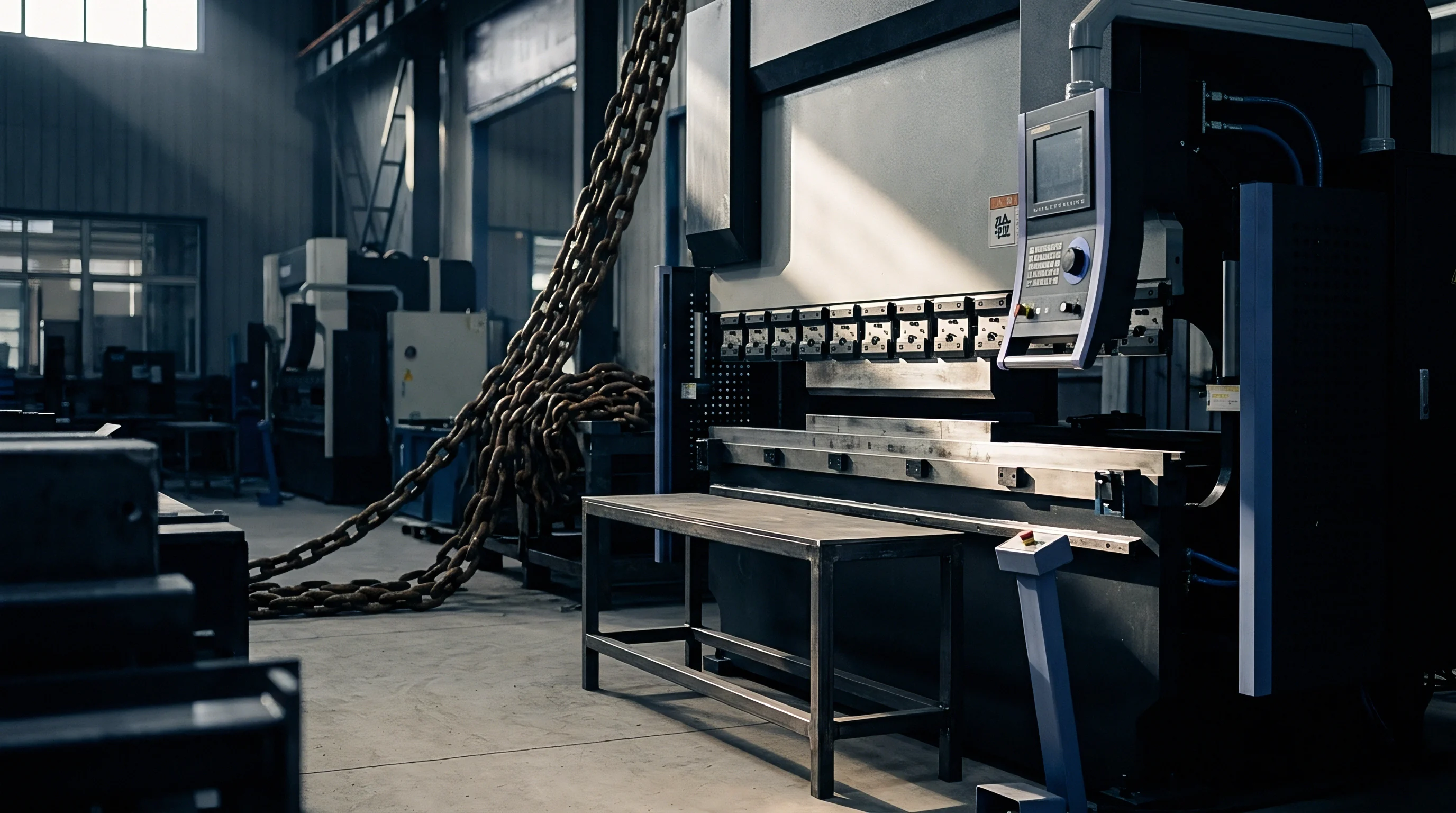
Extracting high-value molds from informal workshops requires immediate physical mobilization. Once a supplier discovers that the buyer plans to move tooling, secondary shed owners may hide the dies in alternative warehouses or intentionally damage core pins to prevent competitors from running the jobs. An extraction team must arrive at the facility with heavy transport trucks, rigging cranes, and certified tooling technicians who can verify tool condition before loading.
Every hour spent debating contractual violations from an overseas office gives an uncooperative supplier time to relocate assets, blend non-conforming inventory, and dissipate financial leverage. The buyer who controls the tooling, holds the final wire payment, and maintains boots on the factory floor determines the final financial outcome of the offshore production contract.