Customs Recordation Protection for Chinese Export Manufacturing Lines
Customs recordation with GACC combined with strict export whitelisting stops unauthorized Chinese factory exports and secures cross-border manufacturing lines.
Ownership clauses in manufacturing agreements define the legal right of a buyer to maintain title over molds and dies held at the physical facility of a contract manufacturer. These provisions ensure that tooling title retention functions as a safeguard against the unauthorized use or the illegal seizure of the buyer’s property by a third party vendor. It applies to the specialized equipment designed for the production of unique components, where the buyer has paid for the development and construction of the tools.
The legal status is established through a combination of contract language, physical marking of the assets and the maintenance of a detailed inventory. This ownership right persists as long as the tools remain in the possession of the manufacturer and is not affected by the termination of the production agreement.
The ability to prove ownership of the equipment depends on the quality of the documentation created at the time the tools were commissioned. For tooling title retention to be enforceable, the buyer must maintain a clear record of the purchase orders and the bank transfers that funded the creation of the molds. The manufacturing contract should explicitly state that the title transfers to the buyer immediately upon payment, even if the tools are physically located at the supplier’s factory.
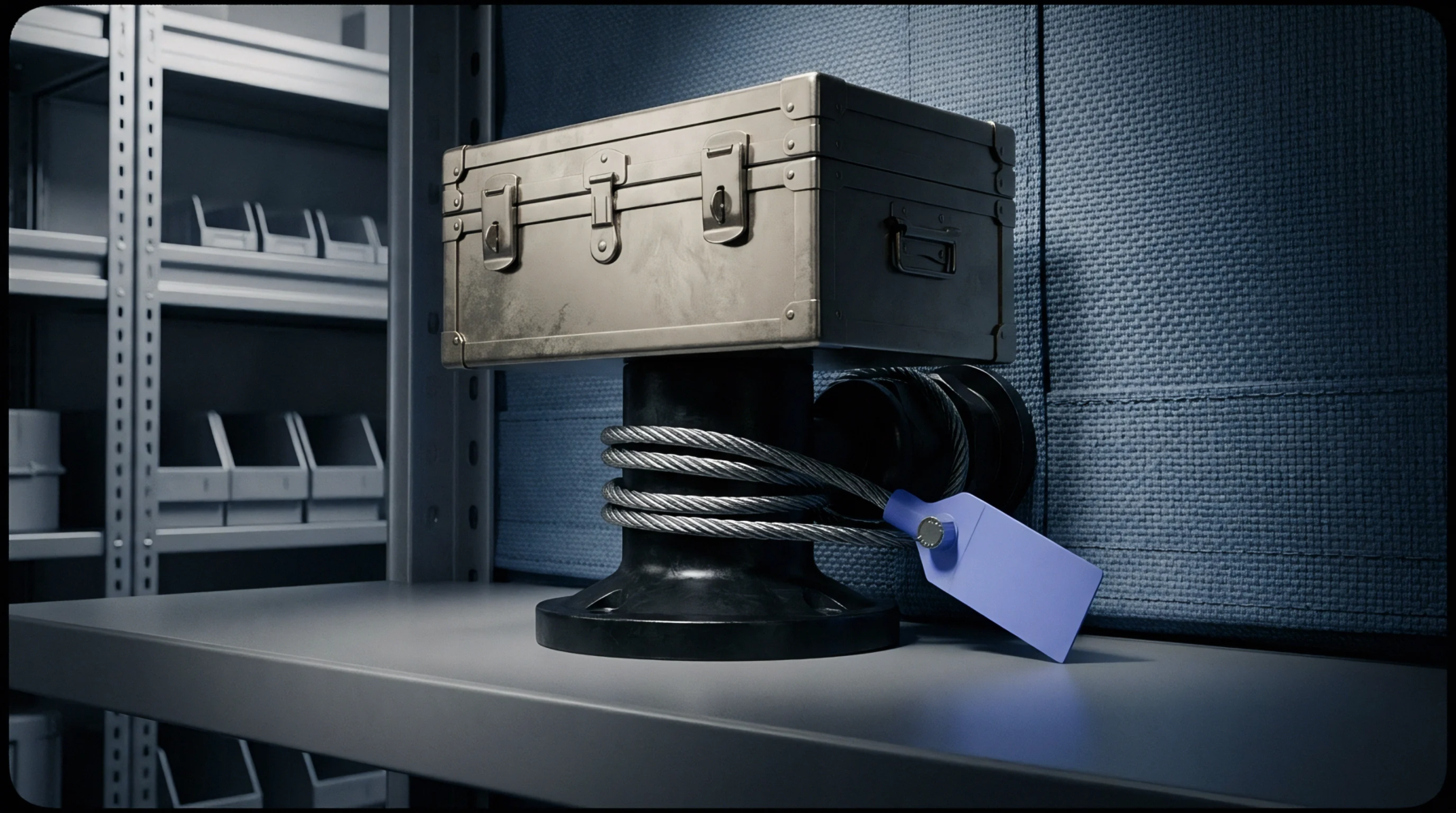
Many companies also require the manufacturer to apply permanent metal tags to each tool, clearly stating the name of the owner and the asset identification number. These tags serve as a visible warning to creditors or liquidators that the equipment does not belong to the manufacturer’s estate. Regular audits are conducted to verify that the tags remain in place and that the tools are being used exclusively for the buyer’s orders.
This physical and digital trail is the primary evidence used in a court or an administrative proceeding if a dispute over ownership arises.
The most difficult challenge in exercising these rights is the actual removal of the equipment from the manufacturer’s premises, especially if the relationship has broken down. Within the framework of tooling title retention, the buyer has the right to enter the facility and take possession of their property, provided they follow the agreed procedural steps. This often requires the coordination of a specialized logistics team and sometimes the presence of a notary or a lawyer to document the condition of the tools.
If the manufacturer refuses access, the buyer must seek an emergency court order for the preservation and recovery of the assets. In China, these orders are often executed by the local court’s enforcement officers, who have the authority to enter the factory and supervise the removal of the tools. The speed of this recovery is vital to prevent the manufacturer from damaging the molds or using them to produce counterfeit goods for other customers.
The legal distinction between the physical possession of the tool and the legal title to the property is the core of the protection provided by this system. While the manufacturer has the right to use the equipment for authorized production, tooling title retention ensures they cannot sell, lease or pledge the assets as collateral for a loan. This protection is particularly important in cases of supplier insolvency, where the tools could otherwise be seized by banks to satisfy the manufacturer’s debts.
The contract must be drafted to survive the bankruptcy of the vendor, allowing the buyer to claim their property even during liquidation proceedings. This security provides peace of mind for brand owners who invest significant capital in the development of their proprietary designs. The successful management of these rights ensures that the buyer can move their production to a new location without losing the technical means to manufacture their products.
Customs recordation with GACC combined with strict export whitelisting stops unauthorized Chinese factory exports and secures cross-border manufacturing lines.
Expertise is a utility, not a secret. sentiention™ publishes its working knowledge as open reference: intelligence layer covering the materials it sources, the markets it enters, and the reference that serves both.