Tooling Ownership Registration under Chinese Law Rules
Foreign tooling held in Chinese factories demands explicit bailment deeds, metal serial tags, local VAT fapiao receipts, and PBOC credit registrations.


Die
Chinese factory floors house thousands of high-precision injection moulds and stamping tools financed by overseas buyers who assume legal ownership follows purchase orders. Under Article 224 of the PRC Civil Code, title to moveable property transfers upon physical delivery unless contractually reserved. When a buyer pays an overseas supplier for specialized hardware that never leaves the supplier’s Chinese facility, physical delivery does not occur in the eyes of Chinese courts.
The supplier retains physical holding, creating a strong legal presumption of factory ownership under domestic personal property rules unless robust statutory counter-evidence exists. Fapiao issuing fixes tax ownership. Without official Value Added Tax fapiao invoices issued in the buyer’s Chinese corporate entity name or detailed cross-border bailment agreements, local judges treat tooling as the capital asset of the domestic workshop.
Establishing clean title requires structuring procurement through direct equipment purchases rather than amortized part pricing. When tooling costs are folded into piece-part prices, PRC courts view the equipment as a factory-funded asset repaid through commercial sales. Contractual title requires clear invoices.
The foreign buyer holds zero direct property claims under piece-price amortization, leaving the hardware subject to general factory creditor claims during insolvency. Bailment clauses require Chinese translation. Under Chapter 21 of the PRC Civil Code governing bailment contracts, explicit custody agreements define the supplier as a temporary bailee holding zero ownership rights.
| Acquisition Structure | Primary Paperwork Trail | PRC Judicial Evidentiary Weight | Operational Repossession Feasibility |
|---|---|---|---|
| Overseas Direct Payment with Local Fapiao | VAT Fapiao, Customs Declaration, Bank Remittance Proof | High judicial preference across all People’s Court tiers | Immediate execution upon court bailiff order |
| Amortized Piece-Price Tooling Allowance | Component Purchase Orders, Cost Breakdown Spreadsheets | Low judicial recognition; treated as factory equipment | Extremely low; requires complex accounting audits |
| Direct Import under Processing Trade Regimes | Customs Temporary Import Bond, Bill of Lading, Bailment Contract | Very high; protected under customs regulatory supervision | High; subject to customs deregistration protocols |
| Off-Site Storage Bailment with Serial Tagging | Bailment Deed, Asset Registry Log, Serial Photo Records | Moderate to high; dependent on physical tag verification | Moderate; vulnerable to physical factory refusal |

Evidence Mechanics for Foreign Ownership
Proving clean title in a People’s Court requires strict alignment between bank payment records, commercial invoices, and tax receipts. Payment transfers originating from overseas bank accounts must reference specific tooling purchase order numbers matching the physical asset specifications. Title remains with the buyer.
Foreign entities operating without a domestic Chinese subsidiary cannot receive domestic Value Added Tax fapiao receipts directly, making cross-border supply contracts and customs clearance documentation the core foundation of property evidence. Serial tags prevent asset mixing. Judicial authorities reject generic descriptions such as mold or plastic tool on invoices, requiring explicit cavity numbers, core dimensions, and machinery compatibility details.

Asset Tagging and Invoice Traces
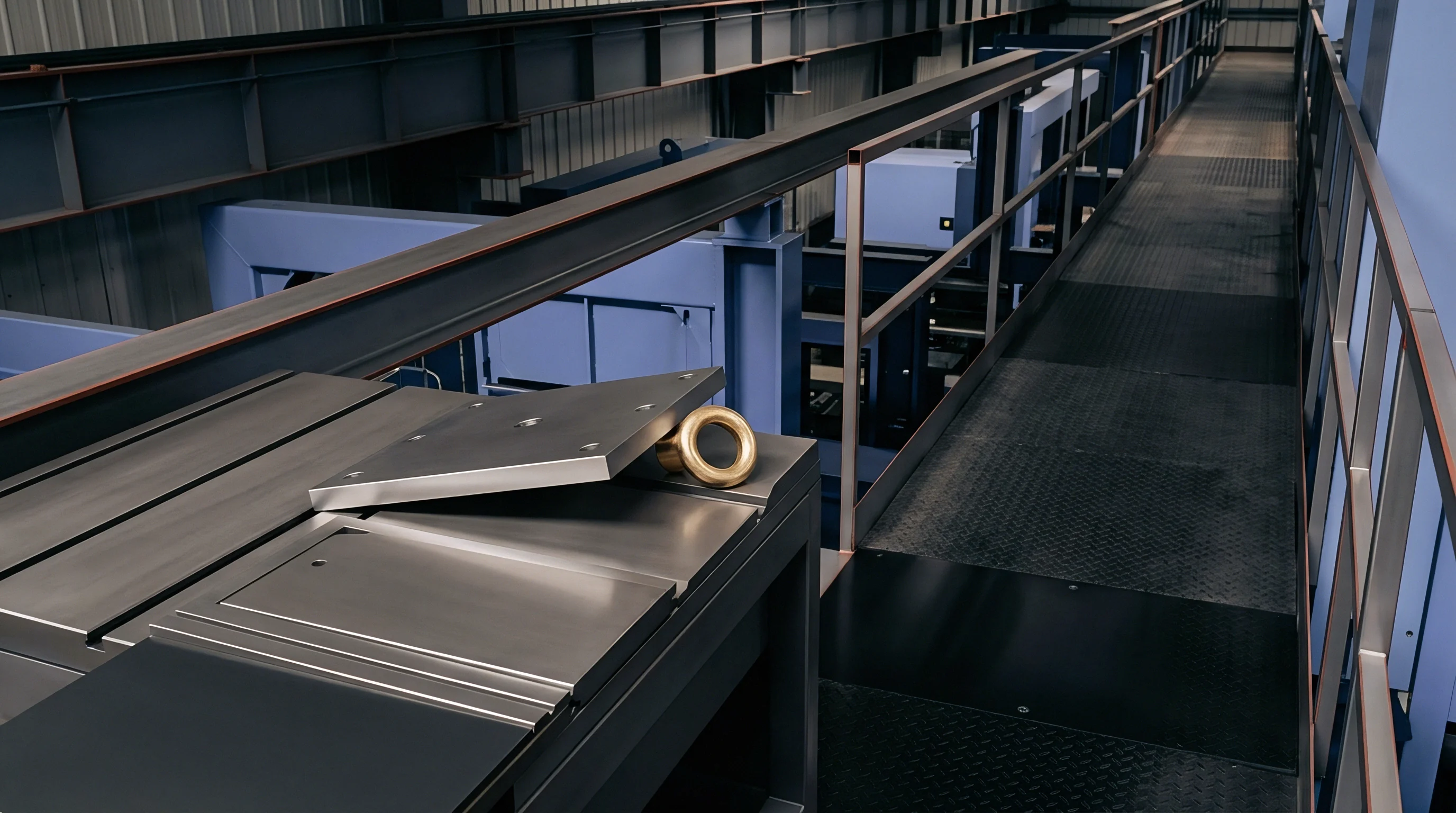
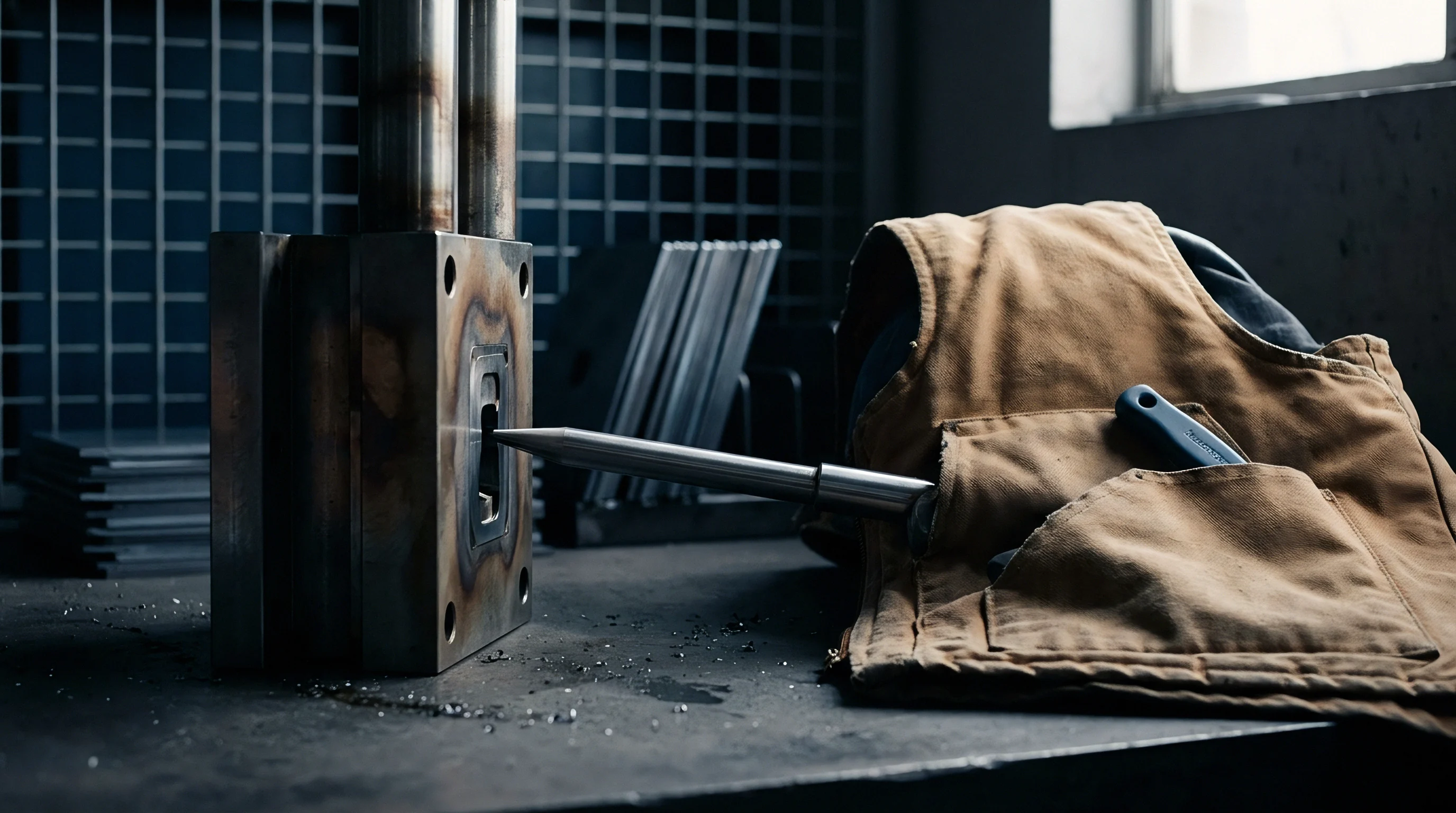
Metal nameplates welded directly to a mold frame serve as primary physical identification during court inspection. These tags require permanent engraving in simplified Chinese characters and Latin letters, specifying the foreign entity name, asset serial number, and explicit notice of foreign ownership. Courts preserve tagged physical assets.
Serial numbers stamped into the mold steel match line items listed on commercial invoices, export customs filings, and bailment logs. Factories hold physical possession. When physical tags are omitted, local manufacturers routinely claim disputed hardware represents their own internal capital development, preventing foreign buyers from executing swift repossession actions.
Failing to secure individual Value Added Tax invoices explicitly describing the tool geometry leaves the buyer holding uncollectible unsecured claims while the workshop absorbs the hardware into its capital asset ledger.

Filing
Statutory public registers in China do not include a unified registry dedicated exclusively to industrial molds. Securing title against third-party creditors demands utilizing secondary regulatory registers. Security interests and bailment rights can be registered on the Credit Reference Center of the People’s Bank of China through the Unified Personal Property Financing Registry system.
This public filing puts commercial lenders on notice that the factory floor machinery does not form part of the supplier’s unencumbered corporate asset base. Public search records prevent local banks from accepting foreign-owned tooling as collateral for domestic working capital loans.
Imported specialized molds recorded with General Administration of Customs retain tax-free bond status for up to twenty-four months before re-export requirements trigger financial audits.
Customs holds clear authority. When tooling moves across Chinese borders into local factories, temporary import declarations under Customs Decree rules establish clear official tracking. The Customs General Administration tracks imported machinery under bonded status, linking the equipment directly to the foreign exporter.
Design patents protect cavity shapes. Registering utility models and design patents with the China National Intellectual Property Administration (CNIPA) covers unique structural cavity features and mold mechanisms, creating an independent intellectual property enforcement route if a factory refuses hardware surrender.

Registration Avenues across Regulatory Channels
Securing operational priority requires navigating multiple specialized administrative databases across Chinese jurisdictions. Legal priority established through early public notice cuts off conflicting factory claims before litigation starts.
- Unmatched Commercial Invoicing Payment records list generic engineering charges rather than explicit mold identification serials, destroying title proof in judicial review.
- Omitted Asset Engraving Unmarked tooling components allow suppliers to substitute degraded core cavities during court-ordered physical audits.
- Unregistered Pledge Claims Omission of security filings on the Credit Reference Center registry permits third-party creditors of the supplier to seize tooling during bankruptcy.
- Absence of Design Patent Records Utility model and design filings omitted at CNIPA leave product cavity specifications vulnerable to lawful cloning by local competitors.
Contractual provisions specifying that title remains with the buyer from raw steel cutting and that all bailment rights terminate upon written demand convert a disputed possession claim into an immediate contractual replevin right enforceably recognized under Civil Code Article 897.


Clash
Contractual disputes between overseas brands and local manufacturers frequently culminate in physical retention of specialized tooling by the factory floor. When commercial relationships degrade, suppliers invoke statutory lien rights under Article 447 of the PRC Civil Code. Article 447 allows debt holders to retain possession of a debtor’s moveable property to satisfy unpaid manufacturing bills.
Lien rights block physical export. A factory’s legal right to assert a lien applies strictly to debts arising from the specific equipment held, yet domestic workshops frequently retain tooling over un-related invoice arguments, custom tooling development expenses, or unfulfilled order forecasts.
When Does Factory Possession Create Ownership under Civil Code Rules?
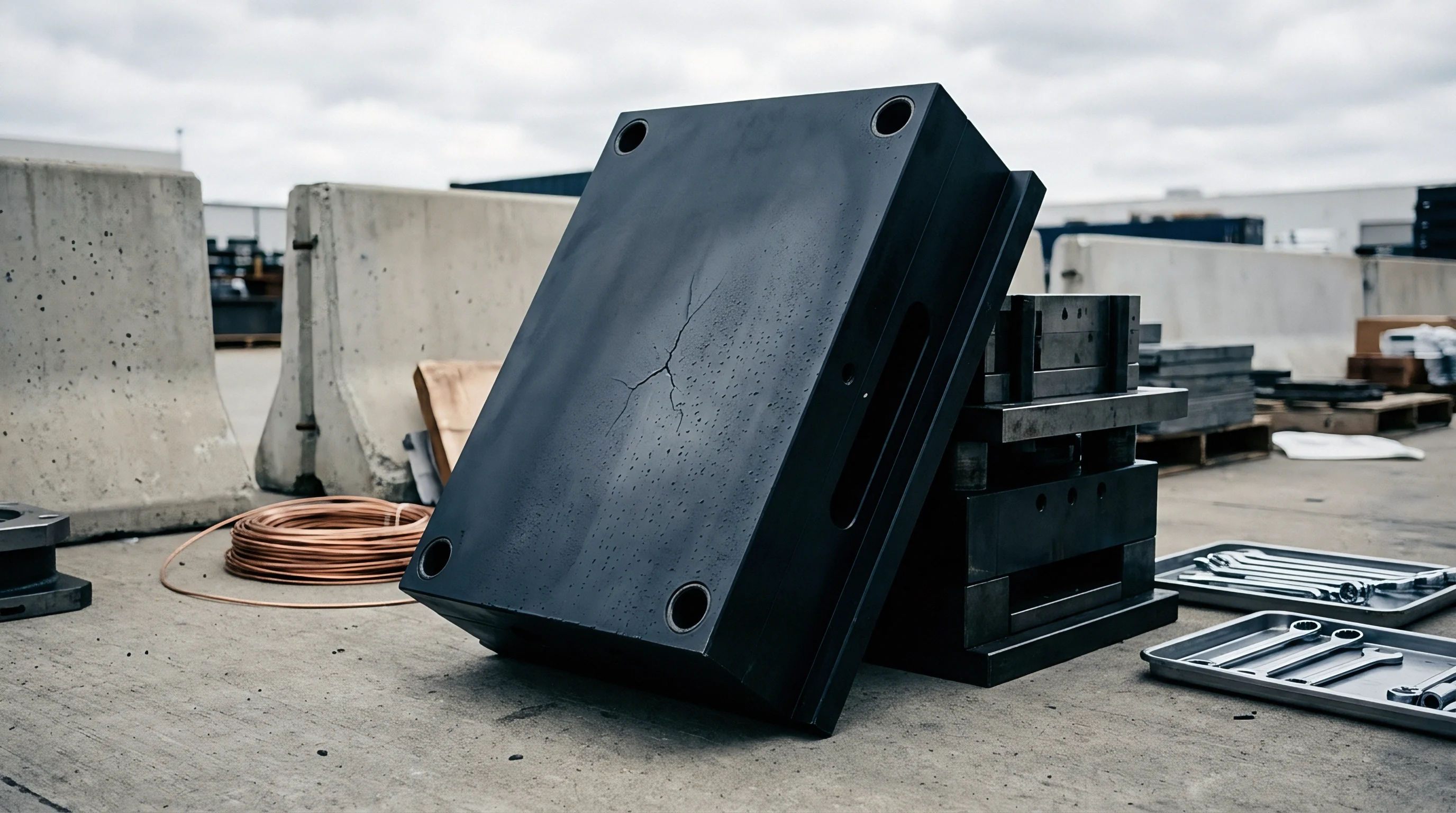
Physical holding of un-tagged equipment creates a rebuttable legal presumption of factory asset inclusion during local creditor executions. Overcoming this presumption requires foreign buyers to produce verifiable tax documentation and registration entries before local judges. Security deposits remain in escrow.
When a factory asserts a possessory lien, the buyer must evaluate whether repossession costs through litigation exceed replacement manufacturing expenses under extended downtime.
Take a specialized multi-cavity automotive lighting mold set costing $180,000 with a sixteen-week fabrication lead time. Assume lost gross margin equals $25,000 per week during production stoppage. In a contested possession scenario, Scenario A involves pursuing immediate court enforcement via pre-litigation asset preservation, incurring $32,000 in local legal and court bond expenses over a twelve-week bailiff recovery timeline, yielding a total financial impact of $332,000.
Scenario B assumes immediate replacement order placement with an alternative tooling vendor, taking sixteen weeks and incurring $180,000 in new hardware costs, representing $580,000 in total downtime and capital expenditure exposure before potential damage recovery. Scenario C tests negotiated settlement where the buyer pays $50,000 of disputed engineering fees into escrow against a three-week physical release, resulting in $125,000 total downtime cost. Scenario C yields the lowest operational cost, provided the tooling integrity remains verified prior to release.
Clauses designating Chinese court jurisdiction enable pre-litigation asset preservation orders that freeze physical mold movement within forty-eight hours of application approval.
| Dispute Resolution Forum | Average Injunction Timeline | Invalidation Risk of Foreign Judgment | Repossession Success Rate |
|---|---|---|---|
| Intermediate People Court (PRC Law, Local Forum) | 2 to 5 business days | Zero local invalidation risk | High execution rate via court bailiffs |
| China International Economic and Trade Arbitration Commission | 3 to 6 months | None; enforceable under New York Convention | Moderate; requires court filing for execution |
| Foreign Court Judgment (US or UK Jurisdiction) | 12 to 24 months | Extremely high; unenforceable for physical replevin | Near zero; local courts decline direct enforcement |
| Specialized IP Court (CNIPA Patent Basis) | 1 to 3 months | Zero; direct administrative jurisdiction | High for patented mold geometries |
Suppliers standardly defend equipment retention by alleging unpaid development fees, uncompensated scrap ratios, or custom fixtures built using non-reimbursed workshop overhead.


Seizure
Retrieving physical equipment from a hostile supplier facility requires court-sanctioned enforcement officers backed by asset preservation orders. Pre-litigation asset preservation, governed by Article 103 of the PRC Civil Procedure Law, provides the primary procedural mechanism to freeze physical movement. Local courts evaluate preservation applications upon receiving security cash deposits or litigation bonds equal to thirty to one hundred percent of the claimed equipment value.
Local bailiffs conduct physical seizures. Upon approval, court enforcement officers issue formal sealing orders, physical inspection entries, and transport authorizations within forty-eight hours, preventing the supplier from concealing hardware off-site.

Pre-Litigation Asset Preservation Procedures
Filing an asset freeze motion before issuing a full civil complaint prevents the factory from moving tooling to undisclosed subcontractor facilities. Execution success relies on precise physical intelligence gathering prior to court filing.
- Secure certified court preservation orders and post the required litigation bond through an authorized local Chinese insurer.
- Coordinate with local court bailiffs to assemble an enforcement team alongside riggers and industrial transport vehicles.
- Serve the preservation ruling simultaneously with physical arrival at the factory compound to prevent equipment dismantling.
- Verify serial tags against judicial asset schedules before loading hardware onto bonded transport logistics units.
- Deposit retrieved molds into neutral court-designated secure storage pending final judgment execution.
Repossession efforts initiated without securing physical transport and neutral warehouse storage beforehand routinely stall at the factory gate.
It remains uncertain how lower-tier People’s Courts will resolve competing possession claims when a supplier grants a commercial security interest over foreign-owned tooling to a local state-owned lender before asset tags are verified.

Exit
Concluding a manufacturing agreement in China requires resolving asset accounting, tax liabilities, and export customs clearances before removing core production hardware. Depreciation rules follow tax tables. Under Chinese corporate tax law, industrial equipment holds statutory depreciation timelines ranging from five to ten years.
Removing depreciated tooling from a factory floor without proper tax clearances risks triggering local tax bureau assertions of unrecorded asset transfers or capital gains. Tax liabilities calculated on fair market value evaluations must be settled before local administrative authorities permit export logistics declarations.
Deregistration of imported processing equipment through local customs offices typically consumes three to five months of formal auditing.
Tax Clearance and Export Documentation
Transferring heavy industrial equipment across Chinese provincial boundaries or customs zones triggers strict tax audits regarding historical depreciation. Preparing complete export documentation prevents regulatory delays at exit ports. Depreciation balance calculations determine whether Value Added Tax adjustments apply upon asset removal.
- Fapiao Verification Reconciliation Audit historical Value Added Tax invoices to confirm zero outstanding tax obligations or unpaid equipment amortizations.
- Customs Deregistration Clearance File cancellation paperwork for temporary import or processing trade declarations with local customs authorities to avoid duty penalties.
- Bailment Termination Execution Deliver formal written notice terminating custody agreements and revoking factory authorization to hold physical production dies.
- Asset Tag Verification Audit Conduct on-site inspections to confirm metal identification serials remain undamaged before authorizing final freight dispatch.
Maintaining dual tooling sets across separate geographic administrative regions prevents single-factory retention from halting total global assembly lines.