Securing Primary Tooling Rights in Chinese Subcontracting Manufacturing Contracts
Securing primary tooling rights in China requires standalone title contracts, clear steel verification, non-lien waivers, and physical shop-floor audits.

Steel
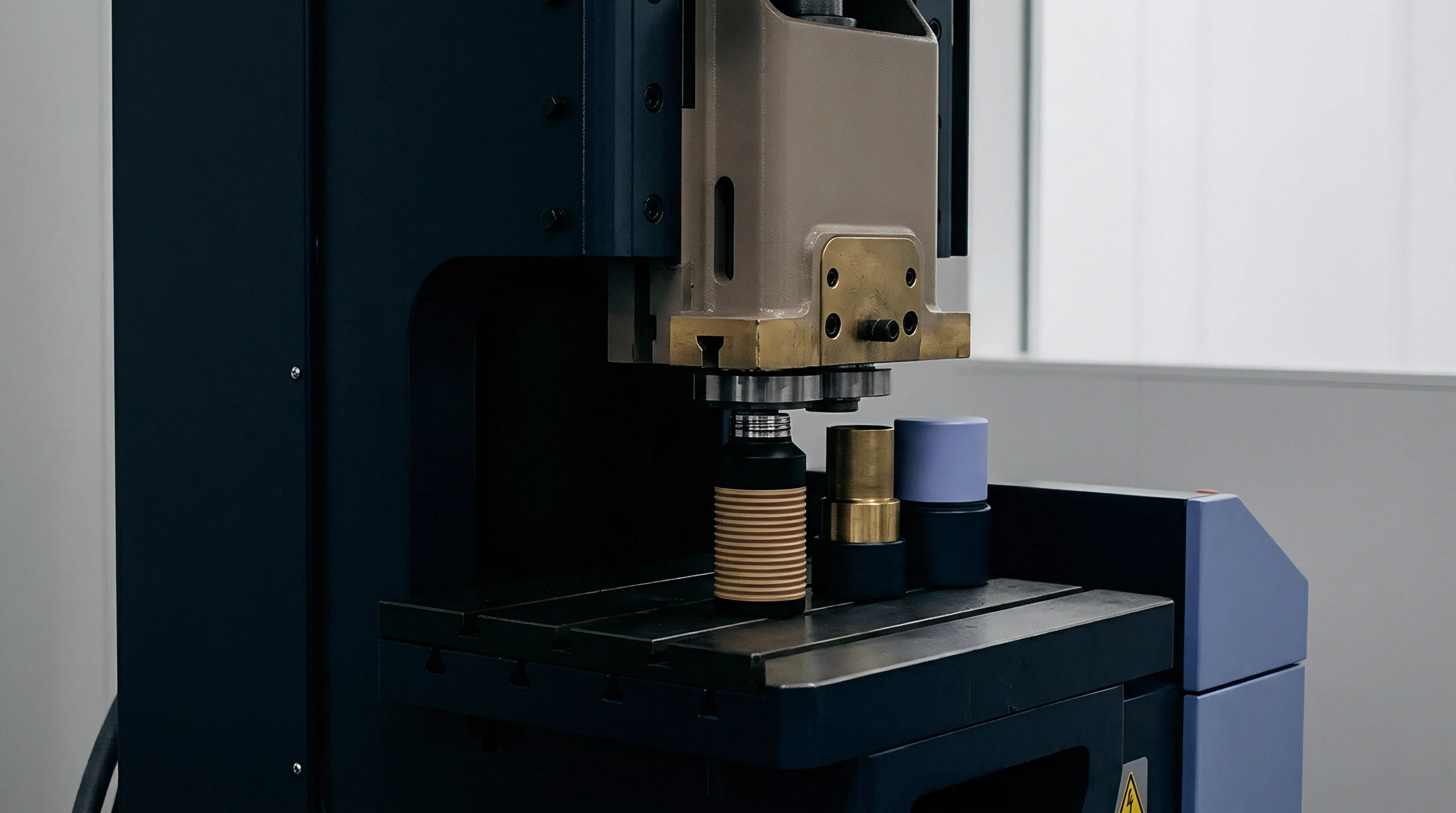
Injection tooling, progressive stamping dies, and casting equipment form the primary physical bottleneck in cross-border hardware manufacturing. When a foreign buyer commits capital to a Chinese subcontracting facility, the mold frames, core inserts, and slide mechanisms built on local tool shop benches determine market speed and production continuity. Securing these assets requires physical verification before commercial volume begins.
A contract asserting ownership over undefined equipment leaves the buyer vulnerable to substitution, unapproved modifications, and unauthorized off-shift production runs.
Factories under margin pressure frequently swap specified hardened tool steels for lower-grade domestic equivalents. Where a specification mandates imported H13 or NAK80 steel capable of surviving 500,000 molding cycles, sub-tier mold makers may substitute P20 pre-hardened steel that degrades after 100,000 cycles. This substitution lowers raw material costs for the factory while shifting premature mold wear and dimensional drift onto the buyer.
Tooling fabricated from P20 steel wears beyond acceptable tolerance thresholds after 150,000 cycles when running glass-filled nylon resins.
Verifying steel composition requires protocol testing during fabrication. Buyers must specify destructive coupon testing or non-destructive X-ray fluorescence analysis on sample blocks taken directly from the core and cavity inserts. Hardness testing using the Rockwell C scale verifies whether heat treatment achieved the required 48 to 54 HRC depth standard.
A soft core insert deforms under high clamping pressure, causing plastic flash along parting lines and ruining component tolerances long before the tool reaches its intended lifecycle.

Physical Engraving and Metal Composition Verification
Asset tags attached with adhesive backing vanish during high-temperature molding production or routine solvent cleaning. Permanent ownership identification requires CNC milling or spark erosion directly into the mold base steel and internal core blocks. The engraving must list the buyer’s full legal corporate name, asset identification code, and original project reference number.
Placing these marks deep within the ejection plate channel or tool structure prevents simple surface grinding by factory personnel seeking to obscure origin during commercial disputes.
Physical verification must extend to mold cavity counts and structural layout. Subcontractors occasionally build multi-cavity tooling paid for by the buyer but alter the runner system to run internal family parts alongside the buyer’s components. In extreme cases, factories build extra cavity inserts on the same mold plate to manufacture unauthorized grey-market inventory.
Independent physical inspection before mold trial runs ensures the tool configuration matches approved engineering drawings without extra unrecorded cavities.
| Steel Grade | Hardness (HRC) | Application Standard | Shot Life Ceiling (Cycles) | Chemical Trace Verification Method |
|---|---|---|---|---|
| AISI H13 / 1.2344 | 48 – 54 | High-volume engineering resins, glass-filled polymers | 1,000,000 | XRF Spectroscopy and Optical Emission Spectrometry |
| NAK80 / P21 equivalent | 37 – 43 | High-gloss optical components, transparent acrylics | 500,000 | Ultrasonic Hardness Testing and Carbon Trace Analysis |
| AISI P20 / 1.2738 | 28 – 32 | Large structural housings, low-volume enclosures | 300,000 | Portable Rockwell Hardness and Spark Emission Test |
| S136 / 1.2083 | 50 – 54 | Corrosive resins, PVC, medical grade enclosures | 1,000,000 | Chromium Content Verification and Eddy Current Scan |
Physical security of custom tooling requires controlling sub-tier manufacturing flows. Primary subcontracting factories routinely outsource mold base machining, EDM erosion, and surface polishing to specialized regional workshops. During these off-site transfers, physical control weakens.
Tracking mold components across sub-tier vendor networks requires physical inspection logs and stamped transit receipts to prevent unauthorized tool retention at secondary heat-treatment facilities.
Every custom mold assembly includes specialized ancillary components. Hot runner controllers, hydraulic cylinder cores, side actions, and custom cooling inserts represent high-value additions to the primary mold structure. A complete tooling registry catalogs these auxiliary items alongside serial numbers and technical datasheets.
Omitting auxiliary equipment from ownership documentation allows factories to retain hot runner manifolds and custom valve gates during tool extraction operations.
Tooling Design File Escrow and CAD Custody
Control of physical mold bases remains incomplete without complete electronic tooling design packages. Tooling vendors build molds using parametric 3D CAD assemblies, electrode models, and 2D detail drawings containing cooling channel layouts and ejection pin positioning. Subcontractors frequently withhold these electronic files under the argument that internal mold design constitutes proprietary trade secrets rather than work-product paid for by the customer.
Contractual terms must explicitly establish clear ownership of all derivative tooling design files, electrode paths, and CNC machining instruction programs. Without native CAD files, transferring a physical mold to an alternative production facility forces the receiving vendor to spend weeks reverse-engineering cooling circuits, runner balances, and ejector stroke lengths. If a factory refuses immediate release of full native CAD files upon initial tooling deposit, the buyer loses the operational capacity to repair damaged cores at third-party machine shops during emergency quality breakdowns.
The operational vulnerability of physical tooling appears long before final offboarding, particularly when core inserts remain locked in the CNC room on assertions that third-party auditors present an unacceptable risk of trade secret exposure to rival clients.

Title
Legal ownership of manufacturing equipment within the People’s Republic of China operates under the provisions of the PRC Civil Code. Property rights over moveable assets depend on clear contract language, proof of payment, and undisputed physical title transfer mechanisms. Subcontracting agreements that bundle tooling costs into piece-part unit prices obscure property title, allowing factories to argue that the equipment remains factory property financed through volume production commitments.
Establishing undisputed property rights demands a separate, standalone Tooling Purchase Agreement independent of component supply contracts. Bundling tooling provisions into general purchase orders creates legal ambiguity during commercial friction. A dedicated tooling contract defines the buyer as the sole titleholder from the exact moment component fabrication begins, preventing the supplier from listing the machinery as corporate capital assets during bank financing audits or tax declarations.
A contract clause defining tooling as buyer property upon initial deposit prevents factory liquidators from listing moulds as general assets during insolvency proceedings.
Statutory property protection requires explicit alignment between payment records and contract schedules. Chinese courts and arbitration bodies look directly at wire transfer records, bank invoices, and commercial tax receipts (Fapiao) to determine asset ownership. If a foreign buyer pays for tooling through an offshore trading intermediary without linking the bank remittance to the specific mold serial number on the Fapiao invoice, local courts may rule that legal title never vested with the foreign entity.

Bipartite Contract Architecture for Tooling Separation
Structure the commercial relationship through two distinct legal instruments signed simultaneously. The first instrument governs component procurement, delivery schedules, defect thresholds, and piece-part pricing. The second instrument governs tooling development, steel specifications, ownership title, physical custody, and immediate retrieval rights.
Severing the tooling contract from component delivery performance prevents the factory from holding molds hostage over disputed component invoice payments.
Under Chinese law, separating equipment title from component supply disputes relies on explicit non-lien clauses. Subcontractors often assert statutory retention rights under Article 447 of the PRC Civil Code when component invoice disputes arise. A properly drafted tooling agreement includes an explicit waiver of statutory retention rights, where the factory agrees that equipment owned by the buyer cannot be held under a lien for unpaid component shipments or alleged forecast shortfalls.
Establishing bulletproof ownership requires four sequential contracting steps to survive local legal challenges:
- Standalone Tooling Agreement executes prior to setting final component unit prices, establishing clear separation between asset ownership and component manufacturing operations.
- Title Vesting Clauses define immediate ownership transfer to the buyer upon receipt of the initial tooling down payment, rather than delaying title transfer until final sample approval.
- Serial Identification Linkage attaches bank payment receipts and official Fapiao tax invoices directly to engraved mold serial numbers and CAD drawing reference codes.
- Statutory Lien Waivers explicitly waive supplier retention rights under PRC Civil Code provisions, prohibiting factory asset seizures during commercial invoice disputes.
The enforceability of title provisions rests on governing law choices and dispute jurisdiction selections. Designating foreign courts or distant arbitration venues creates practical enforcement delays when immediate local action is required. Choosing local Chinese courts in the supplier’s municipal jurisdiction or regional arbitration bodies like HKIAC or CIETAC allows buyers to file emergency injunctive applications to freeze asset movement before a factory can hide or alter physical molds.

Statutory Lien Mitigation under PRC Civil Code
Factory financial distress introduces severe title risks for foreign equipment held on subcontracting floors. When a domestic factory defaults on corporate loans, local creditors, tax authorities, and unpaid workers move quickly to seize machinery found within the factory compound. Under PRC execution enforcement rules, court bailiffs assume that all machinery located on a factory floor belongs to the target company unless third parties present immediate, unambiguous proof of ownership.
Preventing judicial asset seizure during supplier insolvency requires active administrative registration. Foreign buyers should file bailment notices, asset tags, and recorded lease or loan agreements with local market regulation bureaus where applicable. Maintaining updated, physically verified records of ownership on site enables legal counsel to file immediate third-party execution objections (Anwai Renzhi Yiyi) to release seized tooling from court seals.

Customs Registration and Administrative Ownership Proof
Cross-border tooling movements add administrative complexity under PRC Customs rules. Molds imported into China for temporary subcontracting production require specific customs declarations. If imported equipment enters under temporary import procedures without correct asset documentation, local customs authorities may refuse re-export authorization or assess heavy retroactive import tariffs and value-added taxes on the foreign buyer.
Documenting initial customs declarations with precise serial numbers, weight measurements, and declared values links physical assets directly to the foreign titleholder’s import dossier. For locally built tooling intended for eventual re-export to alternative Asian manufacturing hubs, maintaining complete tax Fapiao records proving initial export VAT refund processing or capital payment ensures smooth customs clearance when shipping tools out of Chinese ports.
Legal ownership protection functions through specific contract language that overrides statutory supplier retention defenses:
Standard Ownership Line ~ Title to all tooling, molds, dies, fixtures, CAD drawings, and auxiliary equipment specified in Schedule A vests exclusively with the Buyer upon payment of the initial tooling deposit. The Supplier retains mere temporary physical possession as a bailee and acquires no legal title, equitable interest, or statutory lien rights under Article 447 of the PRC Civil Code or related legal provisions. The Buyer retains absolute rights to demand immediate physical access and possession of the tooling without prerequisite conditions or offset claims.
This contractual phrasing shifts legal status under Chinese arbitration tribunals, converting potential property ownership disputes into straightforward bailment retrieval actions.


Depreciation
Financial management of subcontracted manufacturing tooling requires transparent tracking of capital amortization, shot-life consumption, and refurbishment liabilities. Factories frequently obscure tooling financial models by offering low initial tooling charges while inflating component unit costs over multi-year production agreements. This practice traps the buyer in an opaque commercial arrangement where extracting physical tooling results in heavy factory claims for unamortized capital recovery.
Direct capital purchase models provide clear financial lines compared to amortized pricing structures. Paying one hundred percent of tooling fabrication costs across milestone payments creates clean asset balance sheets and eliminates factory claims on unrecovered mold investments. When buyers allow suppliers to amortize mold costs across component unit prices, the factory retains partial financial equity in the asset, severely weakening the buyer’s legal position during offboarding attempts.
Amortization Schedules versus Direct Invoice Ownership
Evaluating the true landed cost of amortized tooling requires detailed mathematical modeling across projected production volumes. Subcontractors applying an amortization fee of 0.50 USD per unit across a contract target of 500,000 units generate 250,000 USD in revenue on a tool that cost 80,000 USD to fabricate. If volume cuts reduce the production run to 100,000 units, the factory demands immediate payment of the alleged 30,000 USD unamortized tool balance before releasing physical molds.
| Pricing Metric | Direct Tooling Purchase | Amortized Unit Price Model | Mixed Capital Deposit Model |
|---|---|---|---|
| Initial Capital Outlay | 100% upfront tool cost ($80,000) | 0% upfront tool cost ($0) | 50% deposit ($40,000) |
| Component Unit Premium | $0.00 per unit | +$0.35 per unit | +$0.15 per unit |
| Total Cost at 500k Units | $80,000 fixed | $175,000 cumulative | $115,000 cumulative |
| Legal Ownership Clarity | Immediate and absolute | Contested until volume met | Shared until final balance settled |
| Tool Extraction Risk | Low legal barrier | High exit penalty fees | Moderate exit friction |
Unclear financial terms create disputes over refurbishment responsibilities as tools near their cycle capacity limit. Standard injection molds experience core erosion, pin wear, and cooling line scale buildup over extended operational runs. Contracts that fail to specify maximum shot life, scheduled maintenance costs, and capital replacement triggers leave buyers exposed to sudden factory invoices for complete mold rebuilds under threat of production line shutdowns.
Amortizing mould costs across piece-part invoices shifts operational leverage to the factory and converts clear asset ownership into a contested debt calculation.
Shot Tracking and Refurbishment Liability Mechanics
Tracking shot counts requires physical and digital monitoring mechanisms mounted directly on the mold frame. Non-resettable mechanical shot counters welded to the tool base record each mold opening cycle, providing undeniable operational data. Modern digital monitoring units incorporate internal memory and tamper-evident seals to record clamping forces, cycle times, and operational temperatures, preventing factories from manually advancing or resetting cycle counters to falsify wear rates.
Maintenance allocation clauses must divide routine maintenance from major structural refurbishment. Routine maintenance includes cleaning parting lines, lubricating ejector pins, clearing cooling channels, and replacing minor O-rings, which remain the financial obligation of the subcontracting factory operating the equipment. Structural refurbishment includes re-sinking cavity blocks, replacing worn core slides, and installing new hot runner manifolds, which fall under buyer capital expenses only when verified cycle thresholds are reached.
Calculating financial exposure requires auditing real factory shot logs against physical core wear patterns during quarterly site inspections. If premature tool failure occurs before reaching eighty percent of guaranteed shot life, the financial burden of replacing core inserts shifts entirely to the supplier unless improper resin selection by the buyer caused accelerated chemical erosion.
Allowing suppliers to control tooling amortization schedules without strict cycle audit caps results in overpaying for capital equipment while surrendering operational leverage during supplier offboarding operations.


Custody
Physical custody of subcontracted manufacturing equipment requires rigorous operational oversight across the entire production lifecycle. Holding legal title on paper provides minimal protection when physical molds sit inside a factory complex three thousand miles away. Establishing operational custody requires defining exact physical locations, restricting unauthorized tool movements, and conducting regular on-site audits to verify equipment condition and operational status.
Factories routinely transfer molds to unapproved sub-tier suppliers to lower operational overhead or manage internal capacity bottlenecks. When a primary contractor moves tooling to an unvetted regional workshop without prior written authorization, the buyer loses oversight over quality standards, physical asset security, and environmental controls. If the sub-tier factory defaults on local financial obligations, the buyer’s mold faces immediate physical seizure by third-party creditors unaware of foreign title claims.
Factories frequently place client moulds in sub-tier heat treating or polishing shops without documenting the physical transfer location.
Bailment Agreements and Sub-Tier Storage Protocols
Bailment agreements define the strict operational boundary of supplier possession. The contract establishes that the supplier acts strictly as a temporary bailee holding physical custody for the sole purpose of manufacturing components for the buyer. The agreement must explicitly list the physical street address, workshop building number, and specific machine line where the tooling must remain anchored during contract execution.
Relocation rights must rest exclusively with the buyer. Moving equipment to an alternative building, secondary vendor, or sister facility requires formal written authorization issued by the buyer’s country management team. Including strict financial liquidated damages for unauthorized tool relocation penalizes suppliers who move equipment to unauthorized workshops without advance clearance.
Can Buyers Enforce Immediate Tooling Removal?
Enforcing rapid asset extraction during operational breakdowns requires pre-planned logistics and clear access rights. Subcontractors facing contract termination frequently deny factory entrance to buyer representatives, lock factory gates, or cite emergency maintenance to block physical access.
Securing physical exit rights relies on an operational verification strategy executed across fixed calendar intervals:
- Unannounced quarterly verification visits with serial number audits across primary and sub-tier molding lines.
- Installing tamper-evident shot counters connected to physical mold frames to record cycle counts independently.
- Mandatory annual tool maintenance reviews with cavity dimensional measurements submitted prior to purchase order renewal.
- Written authorization protocols requiring formal buyer sign-off before any mold leaves the designated production address.
Off-site storage between active production runs introduces additional custody risks. When production runs end, subcontractors store idle tooling in unheated warehouses exposed to high humidity, causing surface rust and cooling channel corrosion. Storing molds under improper environmental conditions degrades core finishes, requiring expensive refurbishing before subsequent manufacturing runs can begin.
Custody contracts must mandate protective storage routines upon completion of any production run. The supplier must purge cooling channels with compressed air, apply industrial rust-inhibiting grease to core and cavity faces, lock mold halves together, and seal the complete assembly in heavy vapor-barrier packaging. Failure to follow storage protocols shifts financial liability for surface polishing and rust remediation directly to the factory manager.
Physical possession without constant visual verification inevitably degrades legal control into an empty contractual claim.

Repossession
Executing the physical extraction of manufacturing tooling from a non-cooperative subcontracting factory represents the ultimate test of contract structure and operational planning. When commercial relationships collapse over quality failures, price hikes, or schedule slips, factories view client tooling as their primary financial leverage. The supplier’s immediate strategy is to block access, fabricate unpaid maintenance fees, and retain physical equipment until forced to release it through legal or commercial settlement.
Physical extraction operations require tactical preparation long before revealing offboarding plans to factory management. Initiating tool retrieval without securing alternative manufacturing capacity or retrieving CAD files leaves the buyer exposed to complete supply chain disruption. A quiet operational audit must confirm the exact physical location, operational status, and completeness of all mold assemblies, hot runner controllers, and auxiliary components prior to serving formal contract termination notices.

Operational Protocols for Physical Asset Extraction
Extracting equipment requires deploying a dedicated on-site recovery team consisting of local legal counsel, logistics specialists, and independent rigging engineers. The recovery team must arrive at the factory compound with complete legal documentation, original payment vouchers, Fapiao tax receipts, stamped bailment agreements, and official corporate authorization letters translated into Chinese. Presenting clear documentary proof to local factory management and security personnel establishes legal authority and deters initial physical resistance.
Coordinating local logistics infrastructure ensures smooth physical removal once factory access is achieved. Heavy injection tooling and stamping dies require specialized flatbed transport trucks, industrial cranes, and experienced rigging crews capable of unbolting equipment from press platens safely. Contracting local logistics providers who operate within the supplier’s immediate municipality reduces transport delays and minimizes opportunities for factory management to organize local blockades.
| Extraction Risk | Factory Counter-Claim | Legal Mechanism | Physical Operational Remedy |
|---|---|---|---|
| Physical Compound Gate Blockade | Unpaid inventory or component storage fees | Emergency Administrative Injunction (Court Order) | Pre-arranged local transport and security personnel presence |
| Alleged Tooling Repair Debt | Unamortized capital improvements or maintenance costs | Contractual Non-Lien Waiver and Audit Receipts | Escrow deposit of disputed balance pending arbitration |
| Missing Auxiliary Equipment | Equipment lost or damaged during previous run | Detailed Asset Schedule with Serial Number Logs | Pre-extraction visual inventory and audit verification |
| Sabotage of Core Surfaces | Accidental damage during mold removal | Post-Extraction Condition Report Sign-off | Immediate on-site technical inspection before loading |
Preventing physical damage or intentional sabotage during extraction operations requires continuous technical surveillance. Disgruntled factory personnel may score polished cavity faces, remove ejector pins, or pour corrosive liquids into internal cooling channels while dismantling tooling from production presses. Independent technical engineers must supervise the unmounting process, document mold condition with high-resolution photography, and secure mold halves with transport safety bars before loading equipment onto transport vehicles.

Judicial Enforcement and Local Court Administrative Remedies
When factory management refuses physical access, legal remedies require immediate recourse to local PRC courts. Filing a pre-litigation asset preservation application (Sushang Caiquan Baoguan) requests the court to issue an immediate freezing order on the specified tooling. Court bailiffs arrive at the factory compound to place judicial seals (Fengtiao) on the machinery, prohibiting the factory from operating, modifying, or moving the equipment during pending legal proceedings.
Filing an emergency property recovery lawsuit (Wuquan Qingqiu Zhi Sui) seeks judicial orders mandating immediate physical surrender of the bailed assets. While judicial proceedings take time, displaying a court-issued preservation order shifts local police (Gongan) authority. Police officers who view commercial disputes as civil matters will intervene directly if a factory manager violates official court seals or physically assaults court-appointed bailiffs during authorized equipment removal operations.
Securing tooling rights across Chinese subcontracting networks demands constant vigilance across legal drafting, physical monitoring, financial structuring, and operational execution. The commercial viability of cross-border hardware manufacturing depends on whether a buyer retains the practical capacity to unbolt their assets, load them onto transport trucks, and resume production elsewhere without losing market continuity.
What specific evidentiary thresholds will local municipal tribunals demand when evaluating emergency injunctive applications to release custom multi-cavity tooling during peak seasonal production shutdowns?