Contractual Defect Allocation for Uncontained Overnight Assembly Runs under Primary Chinese Civil Code Provisions
Structure dark-shift production under PRC Civil Code Articles 615 and 618 using notarized PLC logs to enforce direct set-off against quality retention funds.


Shift
Dark factory runs operating between 22:00 and 06:00 depend entirely on automated feed mechanisms and closed-loop process monitoring. When human supervision leaves at the end of the second shift, an assembly hall’s physical environment shifts continuously until morning maintenance crews arrive. Air handling systems in many Guangdong and Zhejiang facilities throttle down overnight to manage energy expenditures, causing ambient workshop temperatures to cycle across a wide band.
Substrate materials, pneumatic lines, and precision tooling react directly to these thermal changes. Dark runs introduce distinct physical risks: without an engineer present to recalibrate tooling or verify raw material lot uniformity, minor mechanical variances propagate across thousands of completed units before dawn.
Machine tool spindles running at elevated revolutions per minute generate internal frictional heat that expands housing dimensions over consecutive operating hours. When ambient hall temperatures drop simultaneously late at night, differential expansion between the machine chassis and the cutting assembly shifts tool center points away from calibrated axes. In automated printed circuit board assembly, solder paste viscosity varies directly with room temperature.
A drop of six degrees Celsius increases paste shear viscosity, altering stencil release characteristics and leaving incomplete solder deposit volumes across micro-fine pitch surface-mount pads.

Thermal Drift and Mechanical Wear
Ambient temperature fluctuations inside unconditioned assembly halls alter component dimensions and fluid viscosities during late hours. In high-speed Computer Numerical Control machining of aluminum enclosures, spindle growth along the Z-axis accumulates over continuous four-hour operation blocks. If the automated tool offset routine relies solely on initial cold-start calibrations, the final dimensional depth of internal mounting features drifts out of specified engineering tolerances.
Tooling wear accelerates overnight as well. Cutting inserts experiencing unmonitored micro-chipping continue to process workpieces, pushing surface roughness values past allowable micro-meter limits and creating stress concentration points that cause premature fatigue failure in downstream field applications.
Automated optical inspection systems installed along unmonitored lines frequently operate under static algorithmic thresholds. As ambient lighting shifts from daylight mixed with overhead fluorescent illumination to dark-shift conditions lit solely by localized machine LEDs, optical sensors register altered reflection patterns off metallic surfaces. False-pass rates rise under these conditions unless light integration algorithms compensate automatically.
In unheated Dongguan facilities, ambient temperature shifts alter CNC tolerances by up to twenty-eight micrometers over a single six-hour dark shift. When an uncontained automated optical inspection unit records false passes, defective units pass directly into finished goods crates without triggering an intervention.
Ambient temperature changes exceeding four degrees Celsius during unattended third shifts double the dimensional rejection rate on die-cast aluminum housings.
Pneumatic pressure degradation is another primary driver of dark-shift defect propagation. Central compressor systems serving large industrial parks often experience supply pressure drops during off-peak hours when municipal grid load management or facility maintenance occurs. Pick-and-place nozzles operating under reduced vacuum force suffer microscopic component placement shifts prior to reflow soldering.
The resulting skew leads to tombstoning of surface-mount passive components and unaligned pin connections on integrated circuit packages. These defects remain invisible to standard external package inspections and surface only during full functional circuit testing or field deployment.

Unattended Feed and Staging Mechanics
Raw material loading completed by day-shift workers prior to departure determines component consistency throughout the dark run. When staging bins run low, automated bowl feeders and part hoppers draw from reserve stock that may belong to a different resin batch or metal heat lot. Variations in raw material melt flow index, moisture content, or alloy composition alter moulding shrinkage rates and mechanical shear values.
Without manual verification of incoming material certificates during staging, two distinct material lots mix together on the assembly line overnight, corrupting the trace integrity of the entire production block.
Cross-contamination during automated component staging introduces subtle latent failures. Stamping dies operating continuously without manual blow-downs accumulate metal scrap slivers within tool cavities. These slivers imprint onto subsequent metal stampings, altering flatness tolerances and creating localized thickness spikes.
When automated assembly presses force these out-of-flat components into rigid outer enclosures, internal structural stress rises above design limits. Micro-cracks formed during this high-force assembly step remain contained under structural paint coatings until environmental thermal cycling expands the fissures in the field.
The operational environment during unattended assembly shifts shows clear parameter drift boundaries across primary production equipment:
| Process Variable | Nominal Day Value | Unattended Shift Drift | Failure Mode Induced |
|---|---|---|---|
| Ambient Hall Temperature | 22°C ± 1.5°C | 14°C to 28°C total range | Solder paste slump and PCB component skew |
| CNC Spindle Z-Axis Delta | 0.000 mm baseline | +0.028 mm expansion | Internal boss depth tolerance breach |
| Central Vacuum Line Pressure | -0.085 MPa | -0.062 MPa drop | SMT component pick-and-place misregistration |
| Stamping Die Cavity Scrap | Cleaned every 2 hours | Uncleaned 8-hour accumulation | Surface imprints and mechanical housing warping |
| AOI Optical Sensitivity | 100% calibrated light | Altered ambient reflection | Elevated false-pass rate on minor bridging |
The root causes of dark-shift component defects trace back to distinct physical and operational breakdown vectors:
- Spindle Thermal Expansion alters housing dimensions as machine tool structures heat up during continuous high-RPM cutting cycles while ambient hall temperatures fall.
- Reflow Oven Solder Paste Slump increases bridging incidents when room temperature shifts alter paste viscosity and surface tension dynamics on high-density circuit boards.
- Pneumatic Feeder Pressure Drops lead to component misplacements during high-speed pick-and-place operations when central supply lines lose operating head pressure.
- Unchecked Raw Material Lot Swaps introduce out-of-spec resins into injection moulding hoppers without real-time verification of raw material certificates or batch numbers.
Preventing uncontained defect runs requires tying line operation directly to automated interlocks. When process telemetry deviates outside acceptable statistical process control limits, automated systems halt the feed mechanism immediately rather than allowing the line to run to exhaustion. Arguments that unmonitored production represents standard regional manufacturing practice, or that minor dimensional variations fall within acceptable raw material lot tolerances, fail to address compound physical drift.

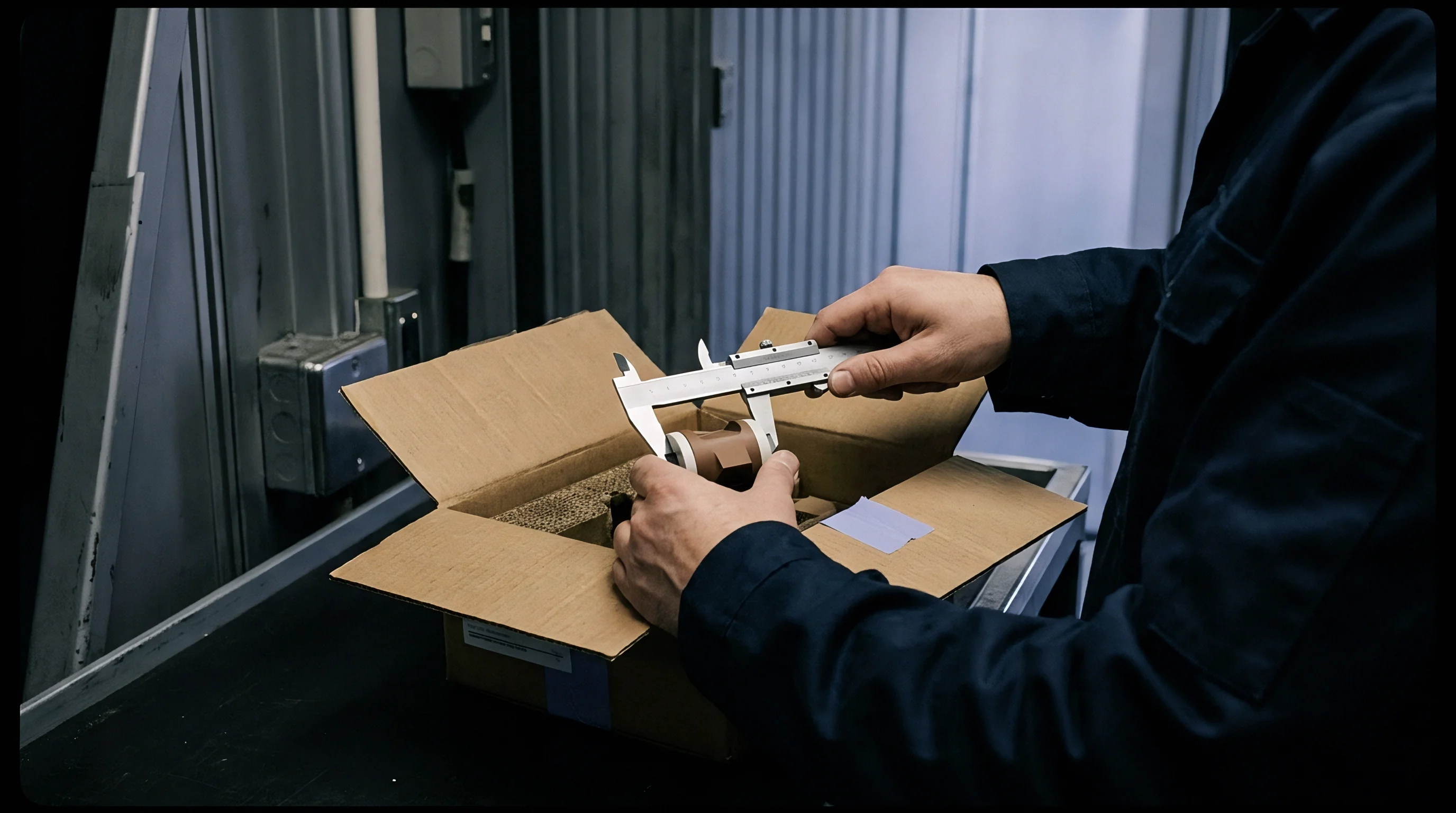
Statute
Civil litigation over defective industrial components in Chinese courts rests on Book III of the Civil Code of the People’s Republic of China. Legal obligations governing manufacturing quality, inspection timelines, and breach remedies apply directly to foreign buyers sourcing from domestic suppliers. Understanding how primary statutory provisions allocate risk requires examining how explicit contractual provisions interact with statutory fallback rules.
When a contract fails to define specific inspection mechanisms for dark-shift manufacturing, default provisions of the Civil Code govern the dispute entirely.
Book III structures liability around the fundamental principles of non-performance and non-conforming performance. Article 577 establishes that where a party fails to perform contractual obligations or performs obligations inconsistently with the contract, that party bears legal liability for breach ~ including continued performance, remedial measures, or payment of damages. In uncontained assembly runs, a buyer who receives non-conforming components relies on Article 577 to force the manufacturer to bear all financial losses resulting from the defective production batch.
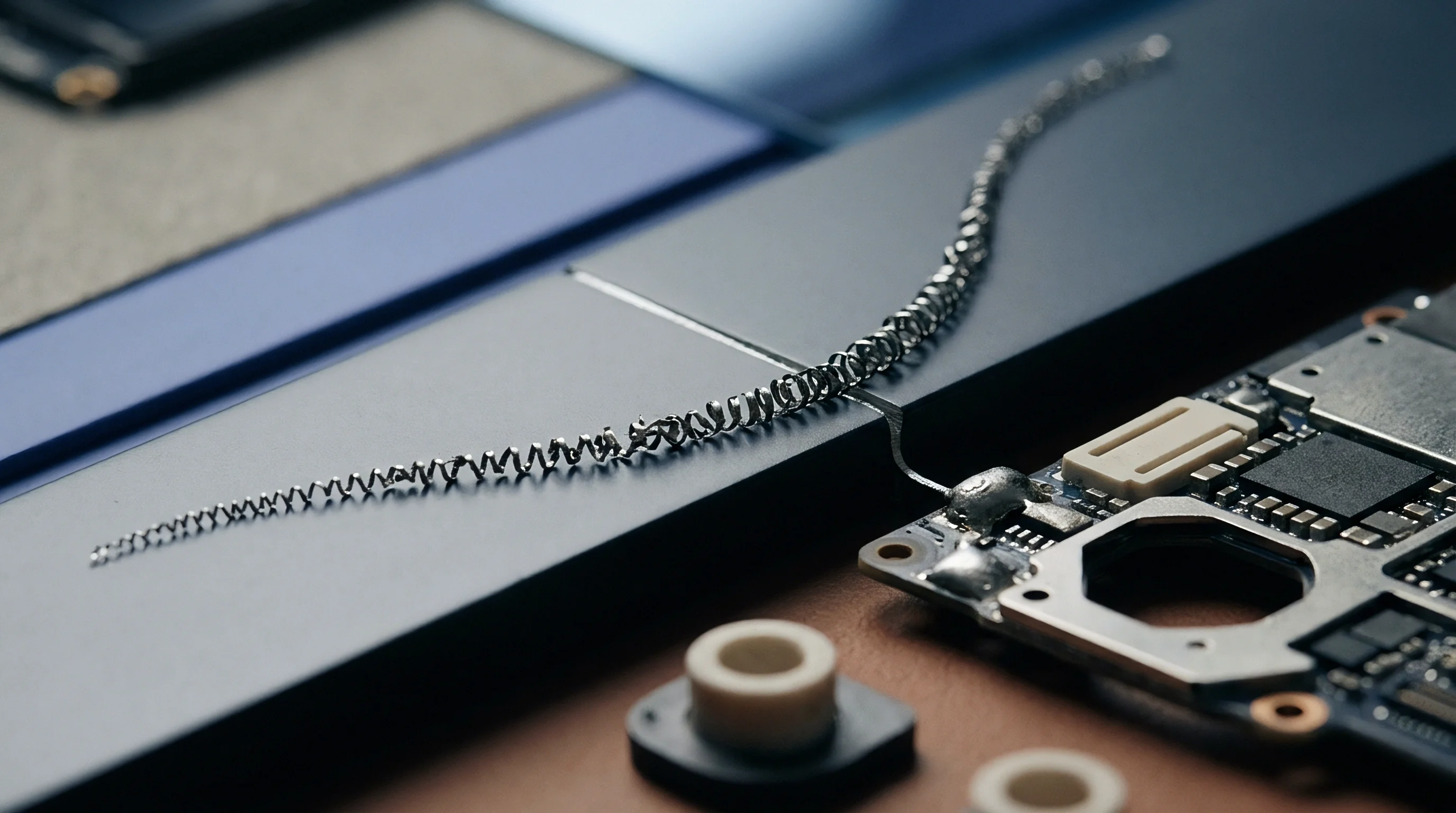
Statutory Inspection Windows under Article 615
Parties to a supply contract possess the right to define fixed timeframes for physical examination upon delivery. Article 615 of the Civil Code explicitly validates agreed inspection periods, referred to in Chinese legal practice as yanshou qixian. When the contract stipulates an inspection window, such as fourteen business days following container arrival at the destination port, the buyer must examine the delivered goods and notify the seller of any quantity or quality discrepancies within that specified timeframe.
Failure to provide written notice of non-conformity within the agreed Article 615 window carries severe legal consequences. Under Article 616, if the buyer fails to notify the seller within the stipulated inspection period, or within two years of receiving the goods where no inspection period was agreed upon, the goods are legally deemed to conform with contractual specifications. This statutory presumption presents a major obstacle for foreign buyers who discover latent assembly defects months after receiving shipments processed during unattended night runs.
Article 618 of the PRC Civil Code nullifies contractual inspection deadlines when a manufacturer knowingly ships goods produced during unmonitored line failures.
The statutory framework provides critical protection against short inspection windows under specific bad-faith circumstances. Article 618 dictates that where the seller knew or ought to have known that delivered goods did not conform to contractual requirements, the buyer is not bound by the notification time limits set forth in Articles 615 and 616. If a manufacturer operates an overnight run with full knowledge that line sensors registered critical process failures, shipping those goods without disclosure constitutes bad faith.
Under Article 618, the manufacturer cannot raise the defense that the buyer missed the contractual inspection window.

Why Do Overnight Defect Presumptions Fail in CIETAC Proceedings?
Arbitration panels operating under China International Economic and Trade Arbitration Commission rules evaluate defect origin strictly through physical documentation and timestamped process logs. Claimants bringing disputes before CIETAC frequently assume that showing a high defect rate upon container arrival automatically shifts the burden of proof onto the manufacturer. Arbitration tribunals apply strict rules regarding evidence and causation.
The buyer bears the initial burden of proving that non-conformity existed at the moment risk transferred at the factory gate or export port, rather than developing during ocean transit or downstream handling.
Overnight manufacturing runs complicate this evidentiary burden. Because no human operators logged real-time visual inspection notes during the dark shift, proving precisely when a dimensional deviation or mechanical failure originated requires forensic machine telemetry. If the buyer fails to secure continuous factory sensor data or fails to conduct a joint notarized inspection upon initial receipt, tribunal arbitrators often view post-import defects as potentially caused by secondary handling, improper storage, or environmental exposure during transit.
Analyzing Civil Code provisions under actual dispute conditions ensures buyer contracts preserve the right to demand raw machine logs.
The statutory remedies for non-conforming goods under Book III of the Civil Code follow a structured hierarchy of legal enforcement mechanisms:
| Civil Code Article | Legal Mechanism Name | Statutory Application | Impact on Overnight Defect Allocations |
|---|---|---|---|
| Article 577 | General Breach Liability | Establishes mandatory compensation for non-conforming performance | Forces manufacturer to pay direct rework and replacement costs |
| Article 584 | Foreseeable Damages Scope | Limits damages to losses foreseeable at contract signing | Requires contract to explicitly specify downstream recall costs |
| Article 585 | Liquidated Damages Limits | Allows agreed penalties up to 30% above actual economic loss | Provides legal basis for pre-agreed per-batch failure fines |
| Article 615 | Contractual Inspection Window | Validates agreed timeframe for quality discrepancy notification | Binds buyer to inspect and report within contractually set days |
| Article 617 | Non-Conformity Remedies | Grants right to demand repair, replacement, or price reduction | Allows buyer to reject entire batch or force complete re-machining |
| Article 618 | Bad-Faith Seller Exception | Strips inspection window defense if seller knew of defects | Protects buyer if factory hid known overnight line failures |
Executing statutory claims under Chinese contract law requires navigating a precise legal sequence:
- Formal Notice Issuance under Article 615 obligates the buyer to deliver detailed written defect counts within the contractually stipulated window.
- Latent Defect Qualification under Article 617 extends the legal remedy period when component flaws remain hidden during standard visual receipt.
- Bad-Faith Invalidation under Article 618 strips the supplier of inspection window defenses when the factory knew of overnight process failures prior to dispatch.
- Breach Penalty Execution under Article 585 allows enforcement of agreed liquidated damages up to thirty percent above actual proven financial losses.
Article 584 limits recoverable damages to those losses that the breaching party foresaw or ought to have foreseen at the time of contract execution. To ensure downstream sorting costs, line downtime expenses, and international air-freight charges are recoverable under Article 584, the contract must explicitly itemize these specific financial categories within the primary breach schedule. Negotiating a clause stating that any uncontained night run producing scrap above three percent automatically triggers full re-inspection paid by the supplier shifts the evidentiary burden directly in favor of the buyer.


Evidence
Proving that a manufacturing failure occurred specifically during an unmonitored overnight run demands continuous process telemetry and physical sample preservation. Chinese courts and arbitration commissions reject anecdotal assertions regarding factory floor conditions. Documenting a claim requires establishing an unbroken chain of custody from the automated machine log to the physical component scrap isolated in the warehouse.
Without verifiable digital telemetry secured at the time of production, demonstrating that defects originated during an unstaffed third shift becomes legally impossible once components leave the manufacturer’s facility.
Modern automated assembly lines capture immense volumes of operational data across programmable logic controllers, sensor arrays, and power meters. Extracting and securing these data logs before line operators overwrite local storage drives forms the core of technical verification. When a defect dispute arises, digital records generated by the factory’s own machinery provide the most compelling proof of process instability, thermal drift, or unmonitored material swaps.

PLC Data Streams and Time-Stamped Logging
Programmable logic controllers store raw operational parameters that record spindle torque, reflow temperatures, and cycle counts. When an automated assembly line experiences thermal drift or vacuum pressure losses between midnight and dawn, internal memory logs of the controller record these parameter deviations in real time. Structuring defect allocation clauses around verifiable machine telemetry ensures buyer access to these files.
If the factory contract mandates real-time offsite data mirroring or daily backup uploads to a secure server, the buyer retains direct access to objective production records regardless of subsequent factory claims.
Time-stamped machine logs allow technical auditors to correlate specific production batches with precise process anomalies. If an automated optical inspection unit records a sudden drop in inspection cycle time at 02:15 AM, accompanied by a cluster of parameter resets, this log entry demonstrates human intervention or system failure during the unattended run. Correlating these timestamped events with physical serial numbers laser-etched onto completed circuit boards proves beyond reasonable doubt that the non-conforming items originated during the unmonitored window.
Digital telemetry unbacked by formal Chinese notarization regularly fails to survive evidentiary challenges in Chinese courts.
Under Chinese evidentiary law, electronic evidence stored on private servers or local factory hard drives carries little weight in court unless properly preserved under the supervision of a Chinese notary public ( gongzhengren ). The notary must physically observe the extraction of log files, verify hash values of the digital archives, and execute an official Notarial Certificate ( gongzhengshu ). Electronic records validated through this formal process are accepted as true by Chinese judges and CIETAC arbitrators without requiring lengthy expert witness cross-examinations.
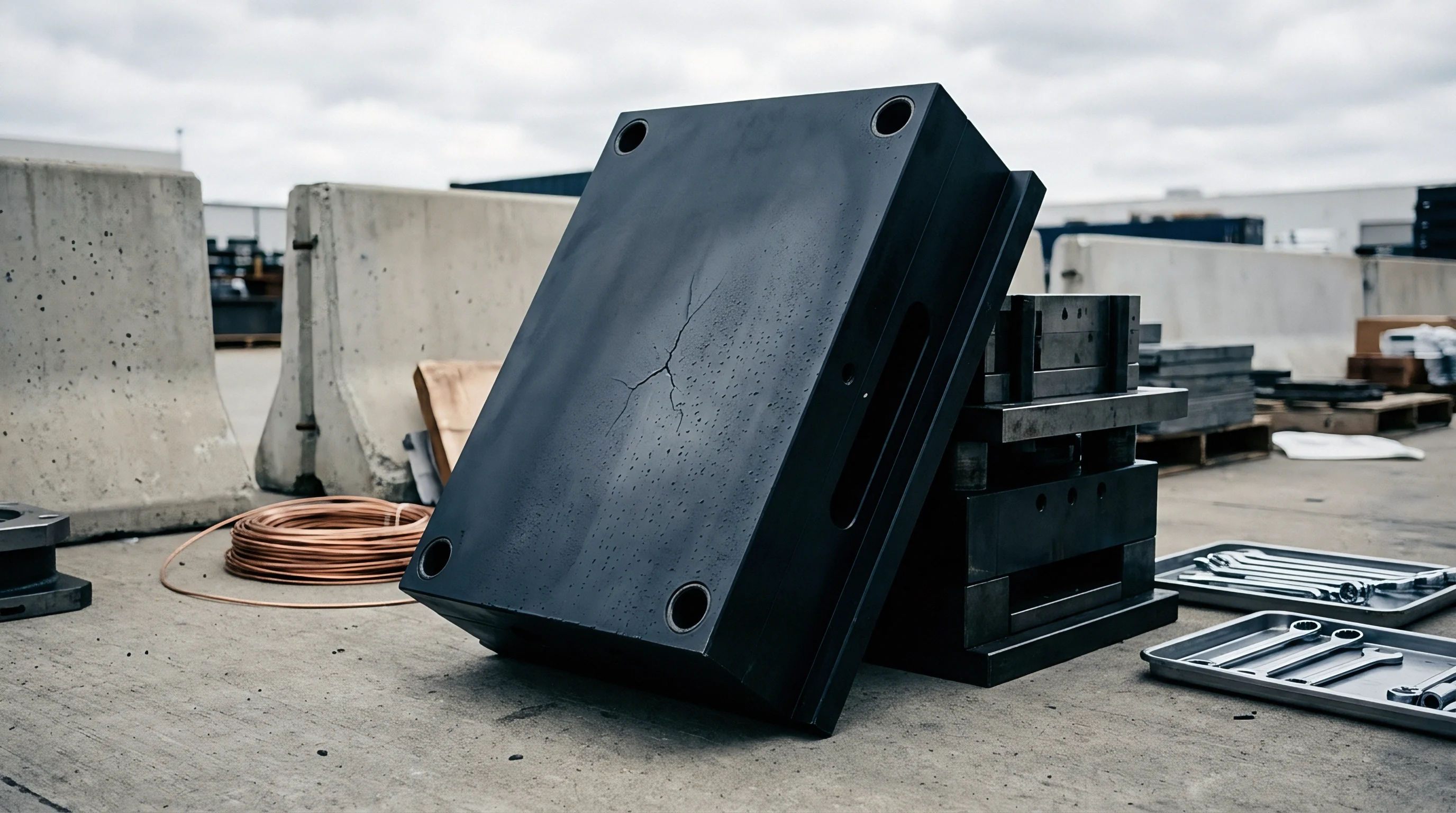
Chain of Custody for Unmonitored Scrap
When defective components accumulate in automated drop bins during a dark run, factory personnel arriving for the first shift often dump the non-conforming items into general scrap hoppers or re-grind bins to clear the area. Destroying or commingling this material destroys physical proof required to perform forensic metallurgical or dimensional root cause analysis. Formal quarantine protocols must dictate that all overnight scrap remains locked in designated physical cages until joint inspection occurs.
To establish legal chain of custody for defective production lots, buyers must implement a standardized physical preservation procedure immediately upon discovering non-conforming goods:
- Extract raw PLC execution files directly from machine controllers within forty-eight hours of batch completion.
- Secure formal notarization of the digital logs through a local Chinese notary public before presenting claims to the factory.
- Isolate the affected overnight batch in a sealed quarantine area with tamper-evident tape and date-stamped photographic evidence.
- Submit representative non-conforming samples to a qualified third-party testing agency accredited by the China National Accreditation Service for Conformity Assessment.
Laboratory testing reports issued by accredited facilities carry decisive weight in PRC judicial proceedings. The testing protocol must evaluate components against the exact physical standards and tolerance limits established in the original contract drawings. If laboratory testing confirms that internal voiding in die-cast components resulted from improper thermal management during casting, and notarized PLC logs show cooling fluid flow rates dropped by forty percent between 01:00 AM and 05:00 AM, the causal chain linking the overnight run to the product defect is legally complete.
Whether the factory possesses internal backup logs that contradict the exported data then becomes a central question in formal discovery.


Allocation
Distributing financial risk for unattended night shifts requires precise contractual formulas that separate normal process scrap from uncontained batch destruction. Standard supply agreements built on simple unit price and delivery schedule formats fail to protect buyers when an automated line runs completely out of specification for eight consecutive hours. Writing effective defect allocation terms requires establishing pre-agreed financial liabilities, precise scrap thresholds, and explicit rules governing lot rejection.
The contract must serve as an operational control manual that dictates financial consequences automatically upon failure detection.
In standard manufacturing runs, a minor percentage of non-conforming product is anticipated and built into the unit price structure as an Acceptable Quality Limit under standards such as ISO 2859-1. Uncontained overnight assembly runs violate basic sampling assumptions because failure events are systemic rather than random. When a fixture breaks at midnight, one hundred percent of subsequent production on that line becomes scrap.
Treating systemic overnight failures under standard AQL defect allowances exposes the buyer to catastrophic financial losses.

Tiered Defect Thresholds and Scrap Budgets
Acceptable Quality Limit formulas must adapt to unmonitored production regimes. Contracts governing dark runs ought to establish a two-tiered defect threshold: a baseline AQL for monitored day shifts and a strict zero-tolerance or micro-threshold cap for uncontained night runs. If night shift production generates a defect rate exceeding one-half of one percent on critical dimensions, the contract must classify the entire shift output as a non-conforming lot subject to full quarantine and mandatory sorting at the manufacturer’s expense.
The contract framework should explicitly map defect severity categories to specific financial and operational remedies:
| Defect Classification | Physical Line Manifestation | Contractual Allocation Formula | Financial Liability Trigger |
|---|---|---|---|
| Critical Safety Defect | High-voltage insulation breach, structural crack | 100% lot rejection + mandatory third-party recall sorting | Full batch cost replacement + direct recall expenses |
| Major Functional Defect | Solder bridging, un-threaded boss, seal leak | Supplier pays 100% sorting labor + air freight offset | Liquidated damage fine at 15% of total PO value |
| Minor Dimensional Defect | Surface roughness violation, color variance | Accepted under price reduction formula per Article 617 | Unit price markdown equal to double rework cost |
| Systemic Process Failure | Complete fixture collapse, wrong resin feed | Immediate PO cancellation + tooling release requirement | Forfeiture of performance bond + direct scrap cost |
Article 585 of the Civil Code permits contracting parties to stipulate agreed liquidated damages for contract breach. To survive legal scrutiny in Chinese courts, the liquidated damage amount must represent a reasonable pre-estimate of actual economic harm. If the penalty amount is deemed excessively higher than actual losses, Chinese judges possess statutory authority under Article 585 to reduce the payout upon application by the supplier.
Setting liquidated damages for uncontained overnight defect runs at twenty to twenty-five percent of total batch value ensures enforceable financial compensation while surviving judicial modification attempts.
A contract clause that caps liquidated damages without defining component teardown costs leaves the buyer bearing all sorting expenses.
Structuring the contract to handle unexpected night-shift failures requires including explicit procedural clauses before production authorization occurs:
- Mandatory Machine Telemetry Logging binds the factory to maintain continuous data storage on local servers accessible to buyer technical auditors.
- Explicit Defect Rate Escalation Windows trigger immediate production halt remedies when overnight scrap exceeds agreed percentage caps.
- Pre-Agreed Quarantine Protocols dictate joint sample extraction by third-party inspectors prior to batch release from the workshop floor.
- Direct Expense Recourse Formulas cover sorting labor, teardown time, and express freight charges resulting from uncontained dark-shift runs.
Liquidated Damages and Direct Financial Loss under Article 585
Calculating financial compensation for uncontained night runs requires itemizing direct costs within the contract terms. Beyond replacing non-conforming physical parts, buyers incur sorting labor expenses at destination warehouses, factory line shutdown penalties at downstream customer facilities, and expedited air-freight charges to replace scrapped inventory. Article 584 supports recovering these secondary expenses only when the supply contract explicitly identifies them as foreseeable consequences of delivering non-conforming component batches.
Latent defect claims fall by thirty percent when notarized PLC logs accompany the formal rejection notice. This empirical reality highlights the commercial value of linking legal damage formulas directly to automated telemetry. When the contract stipulates that raw sensor logs showing out-of-spec parameters serve as conclusive proof of breach, the buyer avoids protracted battles over defect origin.
Financial liability transfers immediately to the factory, allowing the buyer to set off damages against outstanding invoices or warranty reserves.
Failing to incorporate explicit teardown labor rates and sorting fee schedules into the primary purchase agreement leaves the buyer absorbing all destination inspection costs when a defective dark-shift shipment arrives at the port of entry.


Recourse
Recovering financial losses from a non-compliant manufacturer involves structured commercial retention and judicial enforcement options. When an uncontained overnight run yields defective components, relying solely on future purchase order deductions often fails if the factory refuses responsibility or threatens to withhold tooling. Establishing secure financial mechanisms before production begins ensures that the buyer retains direct leverage to execute contractual remedies without disrupting ongoing operations.
The most common commercial protection mechanism in China cross-border sourcing is the quality guarantee deposit, known locally as zhibaojin. Under standard quality retention agreements, the buyer withholds between five and ten percent of total purchase order value for a defined warranty period, typically five hundred and forty days from shipment date. If latent defects originating from overnight assembly runs emerge during this window, the buyer exercises statutory set-off rights to recover sorting, repair, and replacement expenses directly from the retained funds.

Retention Account Set-Off under Article 568
Quality guarantee funds held in reserve provide direct leverage when component defects surface after final payment authorization. Article 568 of the Civil Code explicitly authorizes statutory set-off where parties owe mutually liquidated debts of the same nature. When the buyer incurs expenses to sort or re-machine defective dark-shift components, the buyer issues a formal Notice of Set-Off ( dizxiao tongzhishu ) to the manufacturer.
Under Article 568, financial liability owed by the factory for breach of quality obligations is set off against the buyer’s obligation to release the retained zhibaojin balance.
Executing a valid set-off under Article 568 requires strict compliance with notice requirements. The set-off notice must clearly state the contractual basis of the claim, attach third-party inspection reports confirming defect counts, itemize sorting expenses with paid invoices, and state the precise net balance remaining in the quality account. Once the notice reaches the supplier, the legal set-off takes effect immediately, shifting the burden onto the factory to challenge the deduction in court or arbitration if they dispute the claim.

Arbitration Enforcement and Bank Guarantee Execution
Enforcing arbitral awards issued by Chinese tribunals against regional suppliers involves asset freezing orders executed through local People’s Courts. When commercial retention accounts prove insufficient to cover large-scale product recalls or line shutdown claims, filing an arbitration claim with CIETAC or the Shanghai International Arbitration Center represents the primary path to recovery. Chinese courts enforce domestic arbitral awards reliably, provided the underlying contract contains an unambiguous arbitration clause written in Chinese and designating a recognized domestic arbitral commission.
Bank guarantees provide even faster financial recovery for critical manufacturing programs. Demanding an irrevocable, on-demand performance bank guarantee issued by a major Chinese domestic bank secures immediate funds when an uncontained overnight run causes catastrophic business disruption. If the factory delivers defective batches and refuses to execute contractually mandated replacement runs, the buyer presents non-conformity documentation and inspection certificates directly to the issuing bank branch to draw down the guarantee amount without prior court intervention.
Operating successfully across cross-border supply chains requires pairing rigorous physical process monitoring on the workshop floor with unyielding contractual recourse mechanisms under Chinese law. When machine telemetry, statutory inspection windows, notarized evidence chains, and set-off retention accounts work together, the buyer neutralizes the financial exposure inherent in uncontained overnight assembly runs. Preserving commercial leverage through structured financial withholding always beats chasing a non-compliant factory through court after paying the final invoice.