Meaning
Temperature trajectory requirements for the soldering of lead free alloys define the necessary heating rates and peak temperatures to ensure proper wetting and reliable joint formation. This SAC305 reflow profile is the industry standard for assembling printed circuit boards using the most common lead free solder, which consists of ninety-six point five percent tin, three percent silver, and zero point five percent copper. The profile is divided into four distinct stages: preheat, soak, reflow, and cooling.
Each stage has a specific temperature range and duration that must be carefully controlled to avoid damaging the components or the board. Because SAC305 has a higher melting point than traditional leaded solder, the reflow oven must reach temperatures between two hundred and thirty-five and two hundred and fifty degrees Celsius. A properly optimized profile ensures that the flux is activated, the solder melts completely, and a strong intermetallic bond is formed without excessive growth of the intermetallic layer.
Thermal Profile
Designing the heating curve for a specific assembly requires a detailed understanding of the thermal mass of the components and the layout of the board. The preheat phase of the SAC305 reflow profile typically ramps the temperature up to one hundred and fifty degrees Celsius at a rate of one to three degrees per second. This stage evaporates the volatile solvents in the solder paste and prevents thermal shock to the components.
The soak phase follows, where the temperature is held relatively constant to allow all parts of the board to reach the same temperature and to activate the flux. If the soak time is too short, the larger components may not reach the required temperature for soldering, leading to “cold” joints. If it is too long, the flux may be exhausted before the reflow starts, resulting in poor wetting and oxidation.
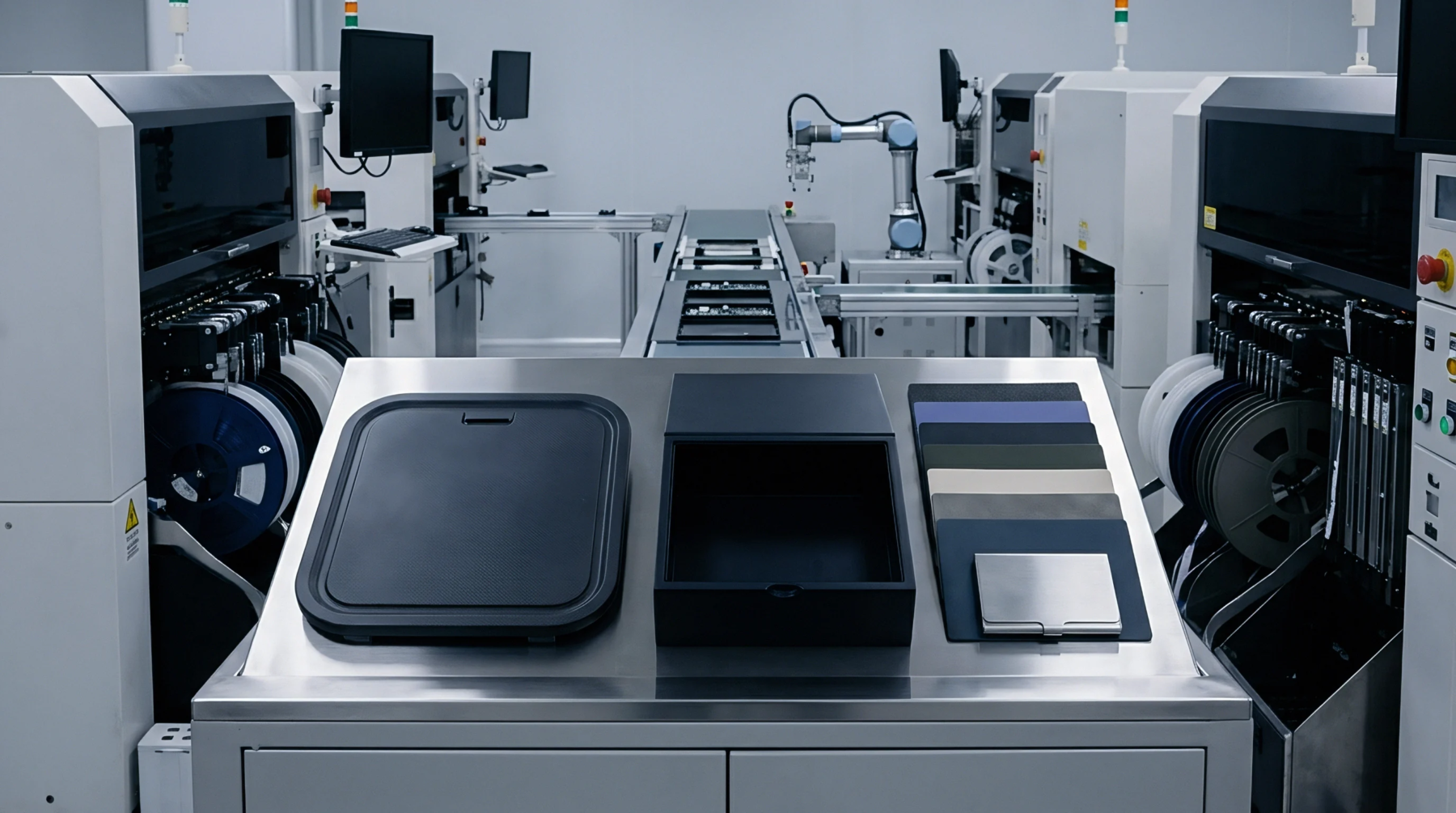
Modern reflow ovens use multiple heating zones to provide precise control over this trajectory across the entire width of the conveyor.
Solder Reflow
Liquid state of the alloy is the most critical period for the formation of the electrical and mechanical connection. In a SAC305 reflow profile, the temperature must stay above the liquidus point of two hundred and seventeen degrees Celsius for a specific duration, usually forty to ninety seconds. This “time above liquidus” is necessary for the molten solder to flow and wet the copper pads and component leads.
The peak temperature should be at least fifteen to twenty degrees above the melting point to ensure a complete reaction, but it must not exceed the maximum temperature rating of the most sensitive components, such as electrolytic capacitors or plastic connectors. During this peak time, the intermetallic compounds Cu6Sn5 and Cu3Sn begin to form at the interface. If the peak temperature is too high, these layers will grow too thick and become brittle.
Engineers use thermal profiling tools with thermocouples attached to various points on a test board to measure the actual temperature experienced by the assembly during the process.
Quality Control
Verification of the thermal settings is an ongoing task in the manufacturing line to ensure consistency between different production batches. A shift in the SAC305 reflow profile can be caused by changes in the ambient temperature, the volume of boards in the oven, or the wear and tear of the heating elements. Regular monitoring is performed by passing a “golden board” with sensors through the oven and comparing the results to the target profile.
If the profile deviates from the specifications, the oven parameters are adjusted to bring it back into alignment. This is essential for preventing common defects such as solder balls, bridging, or tombstoning of small components. The final quality of the joint is also evaluated through visual inspection and x-ray analysis to check for proper fillet formation and minimal voiding.
A well-documented and controlled reflow process is a requirement for any factory certified to international standards like ISO 9001 or IATF 16949. This ensures that every electronic product leaving the facility has been soldered under optimal conditions for long term reliability.