Meaning
A lead-free solder alloy standard composed of ninety-eight point five percent tin, one percent silver, and zero point five percent copper, used extensively in electronic circuit board assembly. The SAC105 alloy is recognized for its lower silver content compared to other SAC alloys, which reduces material costs while affecting its mechanical and thermal properties. This material standard is administered by electronics manufacturing guides to optimize reliability in specific consumer products.
Thermal Behavior
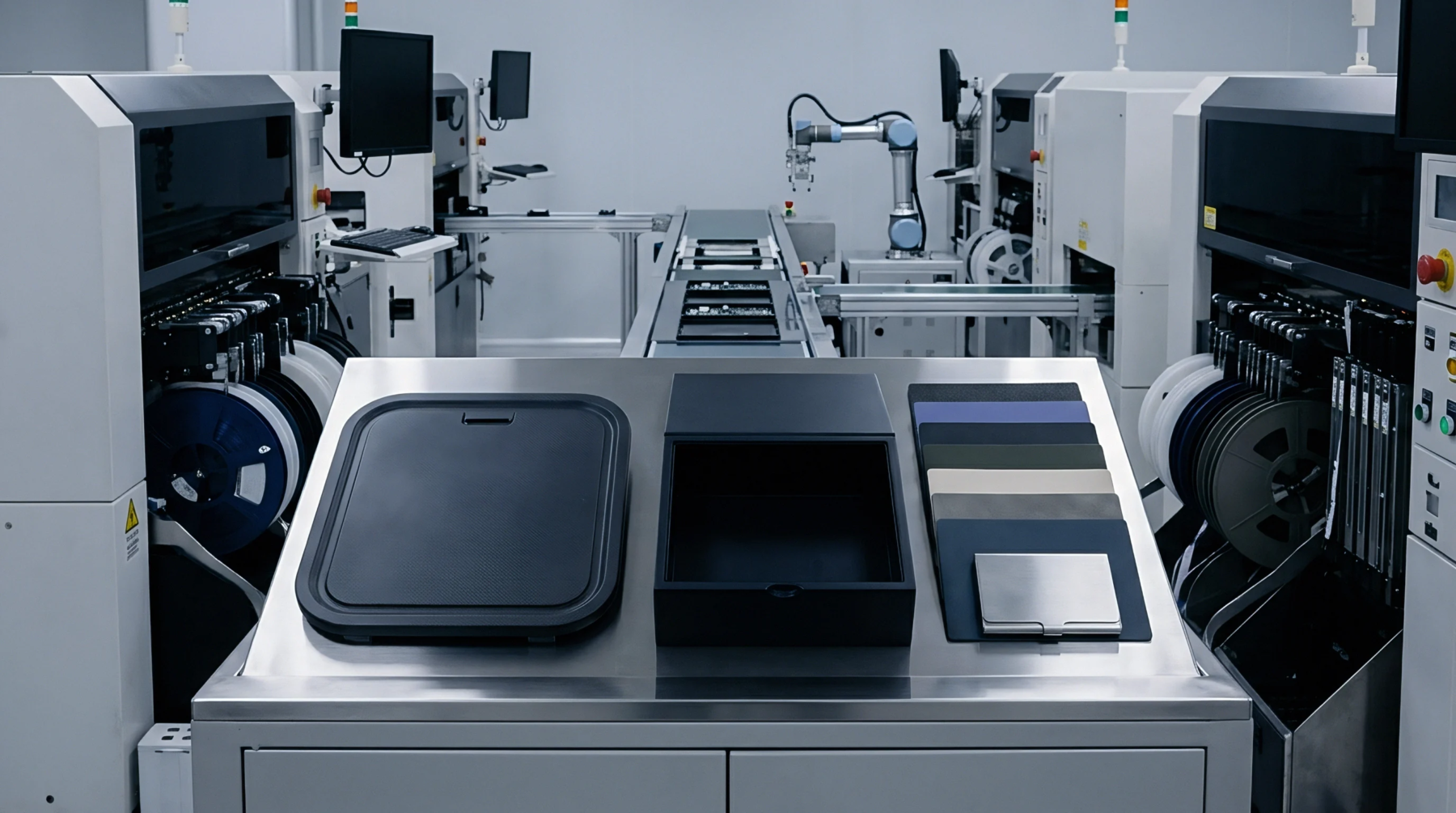
The melting temperature of SAC105 sits near two hundred and twenty-seven degrees Celsius, requiring precise thermal profiling during the reflow process. Assemblers must manage the oven temperatures carefully to avoid damaging sensitive semiconductor packages. This temperature requirement demands advanced reflow ovens with multi-zone heating capabilities.
Mechanical Challenge
This solder joint is prone to drop-shock failure because the lower silver content reduces the yield strength of the alloy. Dropping a device assembled with SAC105 can cause micro-cracks to develop at the joint interfaces. This mechanical limitation requires companies to evaluate the physical stress their products will encounter during daily use.
Application Constraint
Manufacturers select SAC105 primarily for budget-sensitive consumer electronics that are less likely to experience severe mechanical or thermal stress. For high-reliability sectors such as automotive electronics or aerospace systems, other alloys with higher silver content are preferred. Using SAC105 in these demanding fields is restricted because the risk of joint failure under continuous vibration is too high.
Designers must weigh the cost savings against the long-term field reliability of the electronic assembly to prevent premature device failures and warranty claims.