Meaning
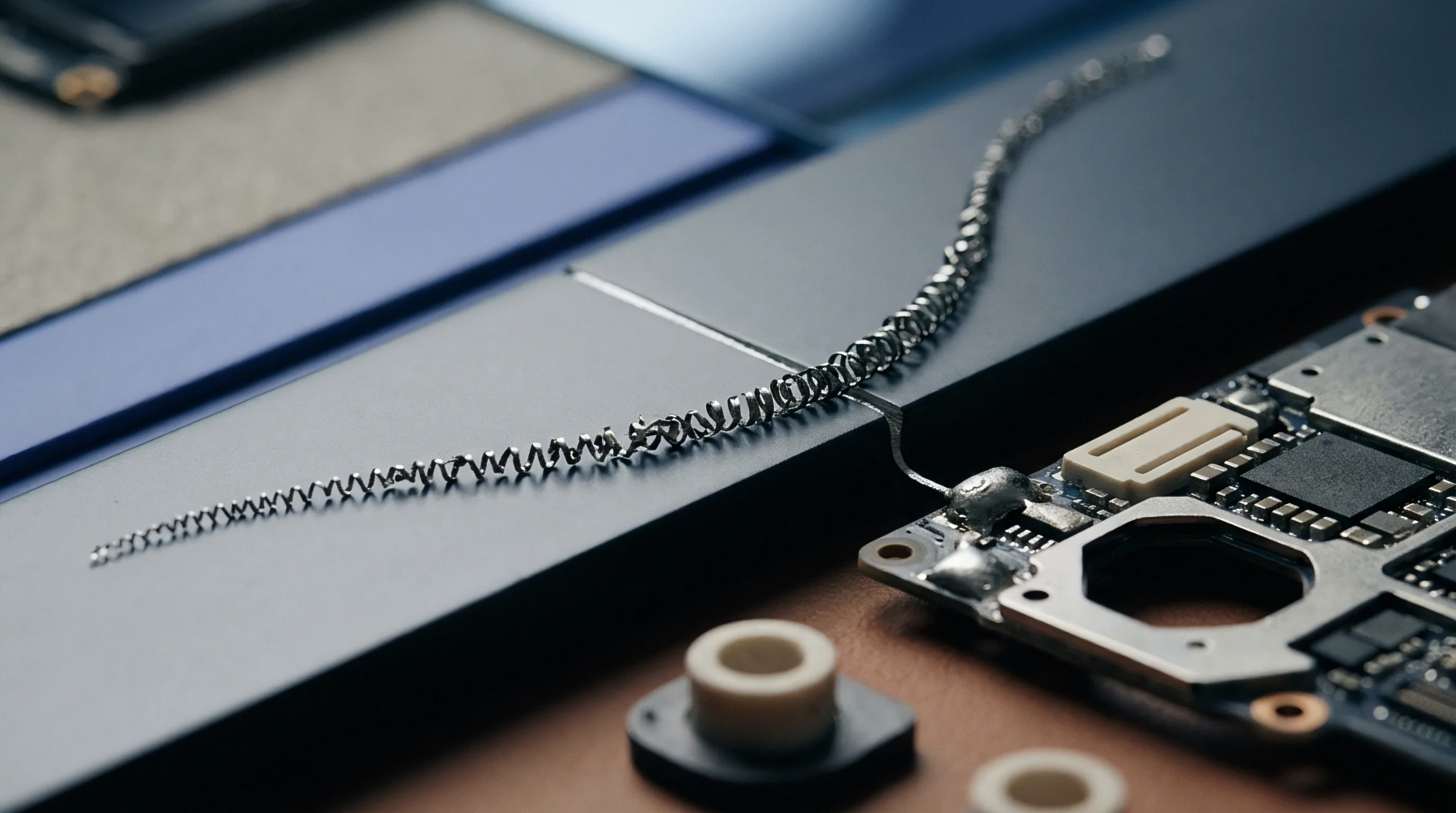
Thermal sequences establish the exact time and temperature parameters for the oven used to melt solder paste and secure electronic components onto printed circuit boards. The specific SMT reflow profile determines the mechanical reliability and electrical continuity of billions of connections within the PRC high-tech manufacturing sector. Regulatory management of these thermal standards is provided by regional industrial associations following the guidelines of the Ministry of Industry and Information Technology (MIIT).
It governs the safe transition from a liquid to a solid state for complex microelectronic arrays without damaging heat-sensitive substrates. Compliance with the mandated profile is mandatory for suppliers providing components to state infrastructure and regulated telecommunications networks.
Oven Mechanics
Precision instruments travel through the reflow oven alongside the target boards to record the real-time temperature fluctuations inside the multi-zone chamber. Establishing an accurate SMT reflow profile requires fine-tuning the pre-heat, soak, reflow, and cooling stages to match the unique mass of the assembly. During the pre-heat phase, the board is gradually warmed to prevent thermal shock and evaporate any remaining solvent from the solder paste.
The soak stage follows, during which the temperature is held constant to allow the flux to activate and remove oxides from the metal surfaces. If the temperature in the actual reflow zone does not reach the liquidus point of the specific solder used, cold joints will form. Excess heat during this window will damage the silicon dies or cause the substrate to warp permanently.
Engineers use specialized software to overlay the actual recorded sensor data against the ideal theoretical curve to verify process control.
Quality Limits
Industrial constraints apply to the amount of time the assembly spends above the target melting point to prevent excessive intermetallic growth. Following the SMT reflow profile prevents common manufacturing defects like tombstoning, where a small component stands upright on one end due to uneven wetting. If the cooling rate is too slow, large grain structures form in the solder, reducing its overall fatigue resistance in mobile environments.
Conversely, cooling that is too rapid introduces internal stresses that lead to micro-cracking inside the protective ceramic packages. Auditors from purchasing firms review these thermal logs to confirm that every production shift adhered to the validated process parameters. Documentation of these values forms the basis for warranty certifications and safety declarations required for cross-border trade.
Any deviation must be logged as a potential point of interest during later visual and automated x-ray inspections.
Standard Compliance
Regulatory authorities in key provinces require manufacturers to archive their reflow profiles for each significant hardware revision produced within the jurisdiction. Integration of the SMT reflow profile with state safety checks ensures that domestic electronics maintain a consistent level of quality for the consumer market. When a batch shows recurring electrical failures, investigators start with the thermal history to check for oven instabilities or sensor calibration errors.
Technical requirements often specify that profiles must use lead-free parameters to comply with environmental regulations concerning heavy metal waste. Firms demonstrate their technical maturity by maintaining stable profiles even when ambient factory temperatures fluctuate during summer or winter months. Effective management of these curves lowers the total manufacturing rework expense and improves the site’s overall yield metrics.
Transparent sharing of this data with business partners facilitates faster troubleshooting during initial production runs. The thermal signature remains the most critical digital record of the assembly’s physical formation.