Meaning
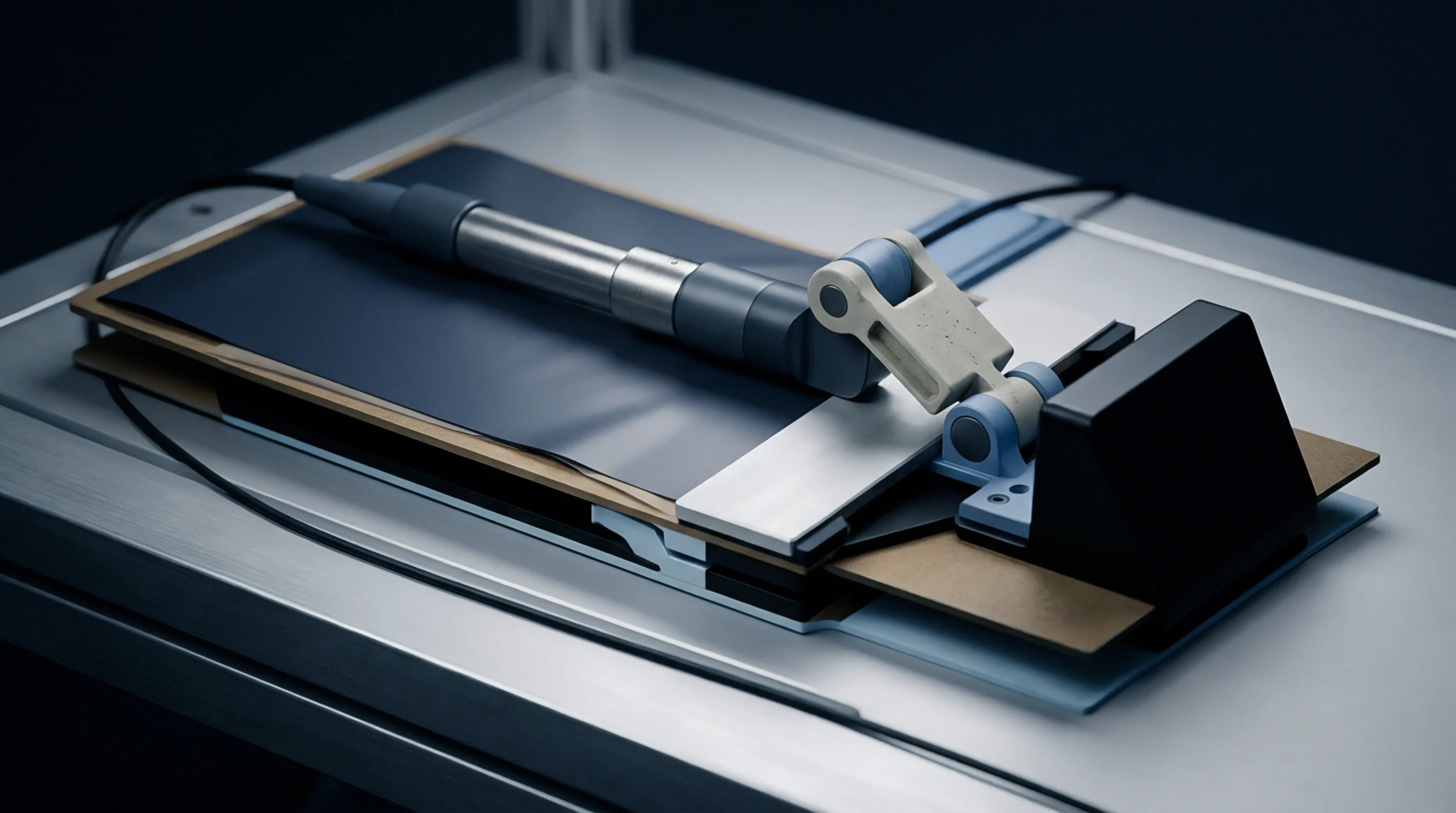
Hydrodynamic voltammetry instrumentation features a working electrode that rotates at a precisely controlled speed to establish a well-defined flow of electrolyte toward its surface. A rotating disk electrode is used to measure the kinetics and diffusion limits of electrochemical reactions under laminar flow conditions. This device isolates mass transport effects from charge transfer kinetics during bath analysis.
Hydrodynamic Principle
Rotation draws the solution axially toward the disk. When using a rotating disk electrode, the thickness of the boundary layer remains uniform and depends on the rotation speed.
Laboratory Compliance
National certification bodies in China, such as the China National Accreditation Service for Conformity Assessment, require testing laboratories to use calibrated instrumentation for chemical characterization. Testing laboratories utilize the rotating disk electrode to verify the concentration of organic additives in plating baths, ensuring that the results are traceably documented. The resulting electrochemical analyses provide the legal compliance documentation required for factory audits, shielding the manufacturer from liability during high-stakes quality disputes.
Quality Evaluation
Accurate measurement of deposition kinetics prevents the occurrence of overplating and underplating during actual manufacturing runs. Data generated by the rotating disk electrode helps chemical suppliers formulate balanced additives that ensure uniform copper thickness across the boards. This precise analysis reduces the variance in final board performance.