Meaning
Standardised nomenclature identifies modular components within an industrial supply chain to ensure interoperability between independent manufacturers. Generic sub-assembly identification assigns a unique code to basic functional units that remain consistent across diverse product lines regardless of the final integrator. The system provides a neutral cataloging method for parts that possess a defined technical specification but lack proprietary branding.
Agencies overseeing national industrial standards publish these classification structures to regulate the baseline quality of components intended for cross-industry application.
Registration Protocols
Administrative bodies maintain these databases to prevent the duplication of part numbers during the procurement process. A foreign entity seeking to import hardware must verify that every component matches the local generic sub-assembly identification before filing the customs declaration. Regulations require the submission of technical drawings alongside the request for classification to prove that the item qualifies as a base unit.
Auditors compare these provided documents against the official registry to confirm that no unauthorized modifications deviate from the approved design. Filing the request triggers a review of the production standards to ensure that the item meets local safety requirements. Approval creates a legal record that allows the holder to trade the component within the domestic market under the established classification.
Operational Jurisdictions
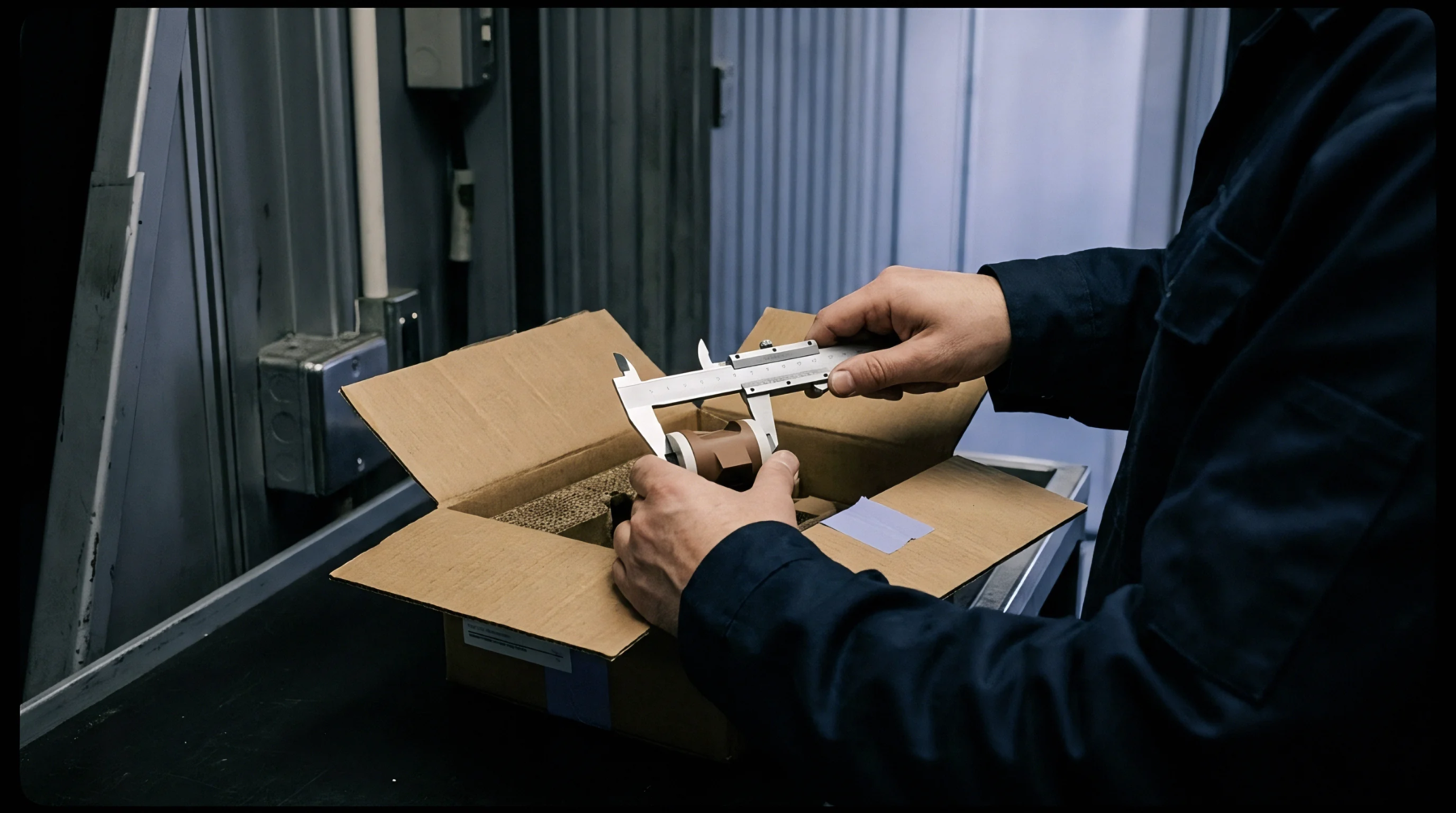
Enforcement practice separates the formal certification from the physical inspection performed at the point of entry. Customs officials utilize electronic verification systems to match the generic sub-assembly identification on the packing list with the active entry in the database. When the physical item fails to mirror the technical dimensions stored in the system, the regulatory authority prevents the release of the entire shipment until a manual audit occurs.
Disputes arise when the manufacturer attempts to claim that a proprietary feature does not alter the fundamental function of the sub-assembly. Law dictates that the classification remains static despite minor aesthetic changes to the casing or material finish.
Compliance Constraints
Producers face strict limits on the tolerances allowed for parts labeled under this designation. Any deviation from the established metric restricts the ability of the firm to market the product as a standard unit. Failure to adhere to the rigid dimensions forces the manufacturer to reclassify the component as a specialized product, which increases the burden of proof required for market entry.
Independent laboratories test samples to confirm that the mechanical outputs stay within the defined range. Compliance with this framework provides a formal guarantee that the component interacts with other systems according to the prescribed design specifications.