Meaning
A systematic method for documenting and verifying the origin of each component used in a manufactured product ensures compliance with international trade regulations and supply chain standards. Through bill of materials provenance tracing, manufacturers establish a clear path from raw material extraction to final assembly. This documentation is necessary for verifying that no components originate from restricted regions or unauthorized suppliers.
Supply Chain
The tracking of components requires the participation of multiple tiers of suppliers. Each supplier must provide declarations of origin, transport documents, and certificates of analysis for the materials they deliver. These documents are compiled into a central repository to create a detailed history of the finished goods.
Verification Protocol
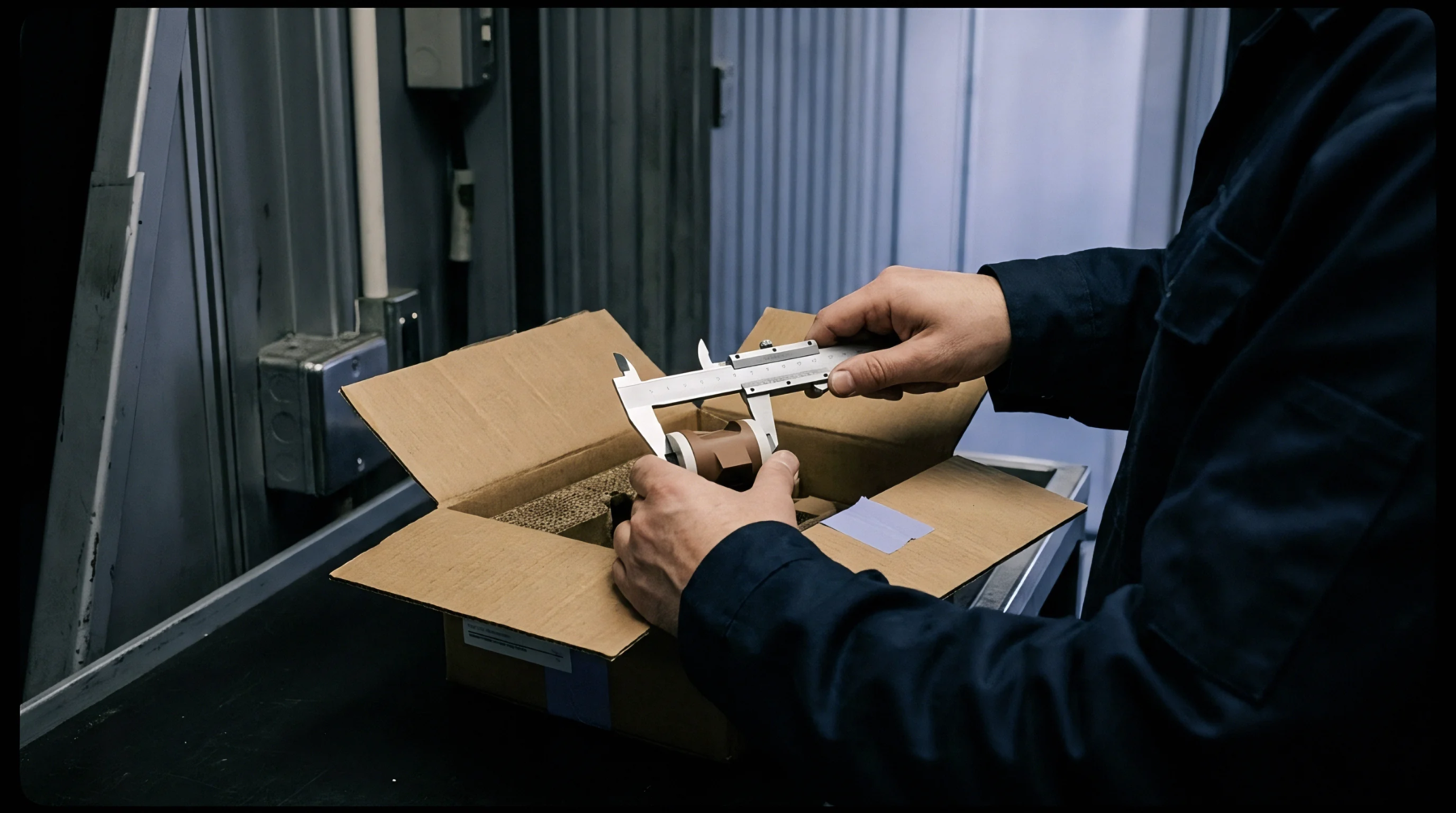
Advanced tracking utilizes digital serial numbers, blockchain records, and physical markers to secure the integrity of the trace. Inspections at various stages of production confirm that the physical materials match the digital records. Discrepancies trigger an automatic review, which holds the assembly process until resolved.
Compliance Auditing
Customs authorities and international buyers audit these records to verify compliance with import laws. Inadequate tracing can lead to shipment delays, product seizures, or severe financial penalties. Maintaining detailed and auditable records protects the manufacturer from liabilities and maintains access to global markets.
This documentation provides the primary defense during investigations by regulatory bodies and establishes a standard of due diligence that reduces the likelihood of future disputes.