
Sub-Tier Component IP Protection and Utility Model Registration Defense Mechanics
Sub-tier utility model defense requires direct tri-party NNN contracts, defensive domestic filings, and prior art evaluation reports to block supplier leverage.
Sub-tier utility model defense requires direct tri-party NNN contracts, defensive domestic filings, and prior art evaluation reports to block supplier leverage.

Draft Chinese hardware patents with literal structural boundaries, dual utility model filings, and photographic teardown features to secure fast court injunctions.
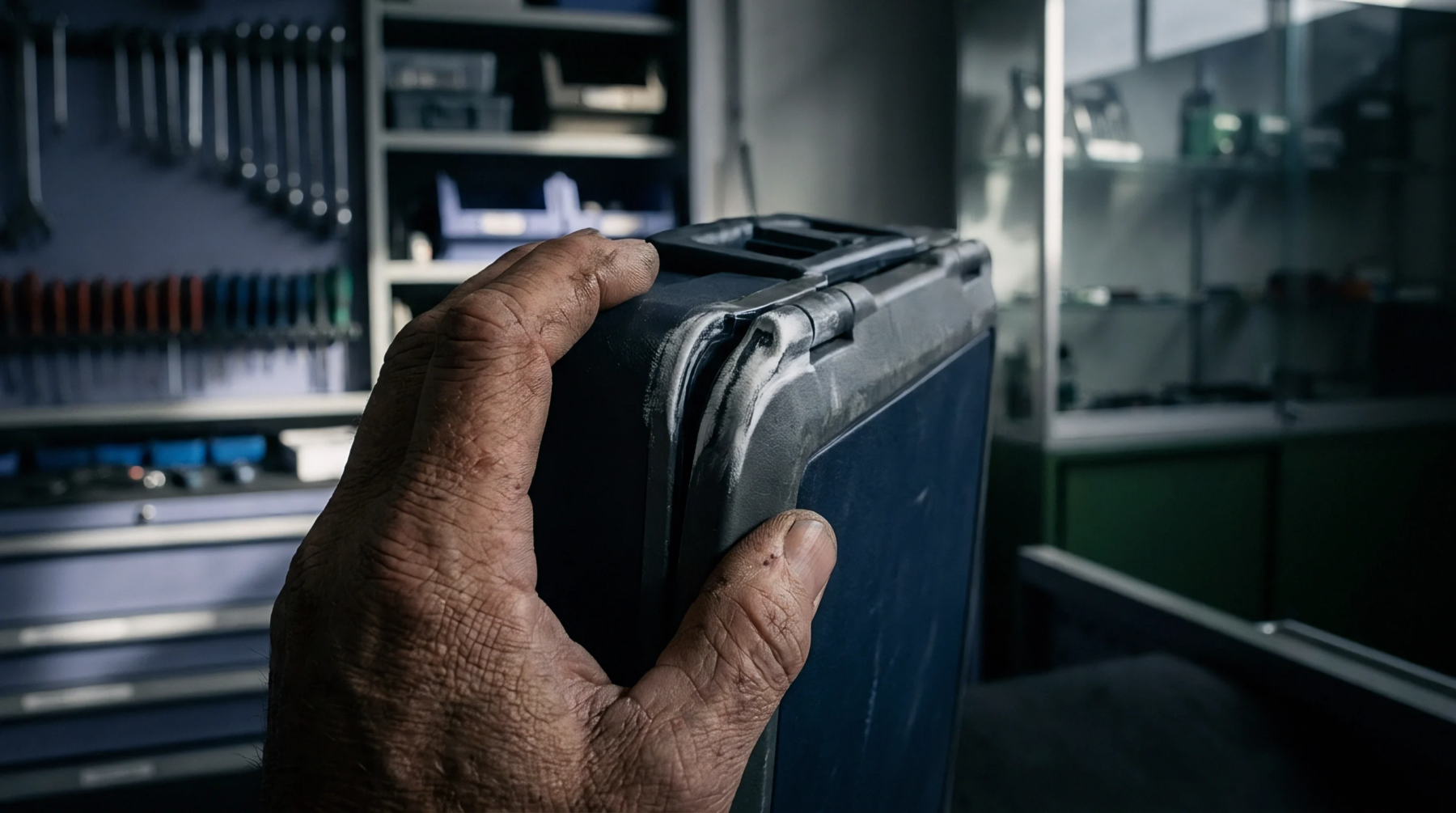
Calibrating directional resin shrinkage into mold tooling and enforcing vacuum cure thermal profiles prevents component warp and secures proprietary tool designs.

Establishing rights in unregistered Chinese transliterations under PRC law demands proving stable commercial association, proactive subclass registration, and robust contractual covenants.
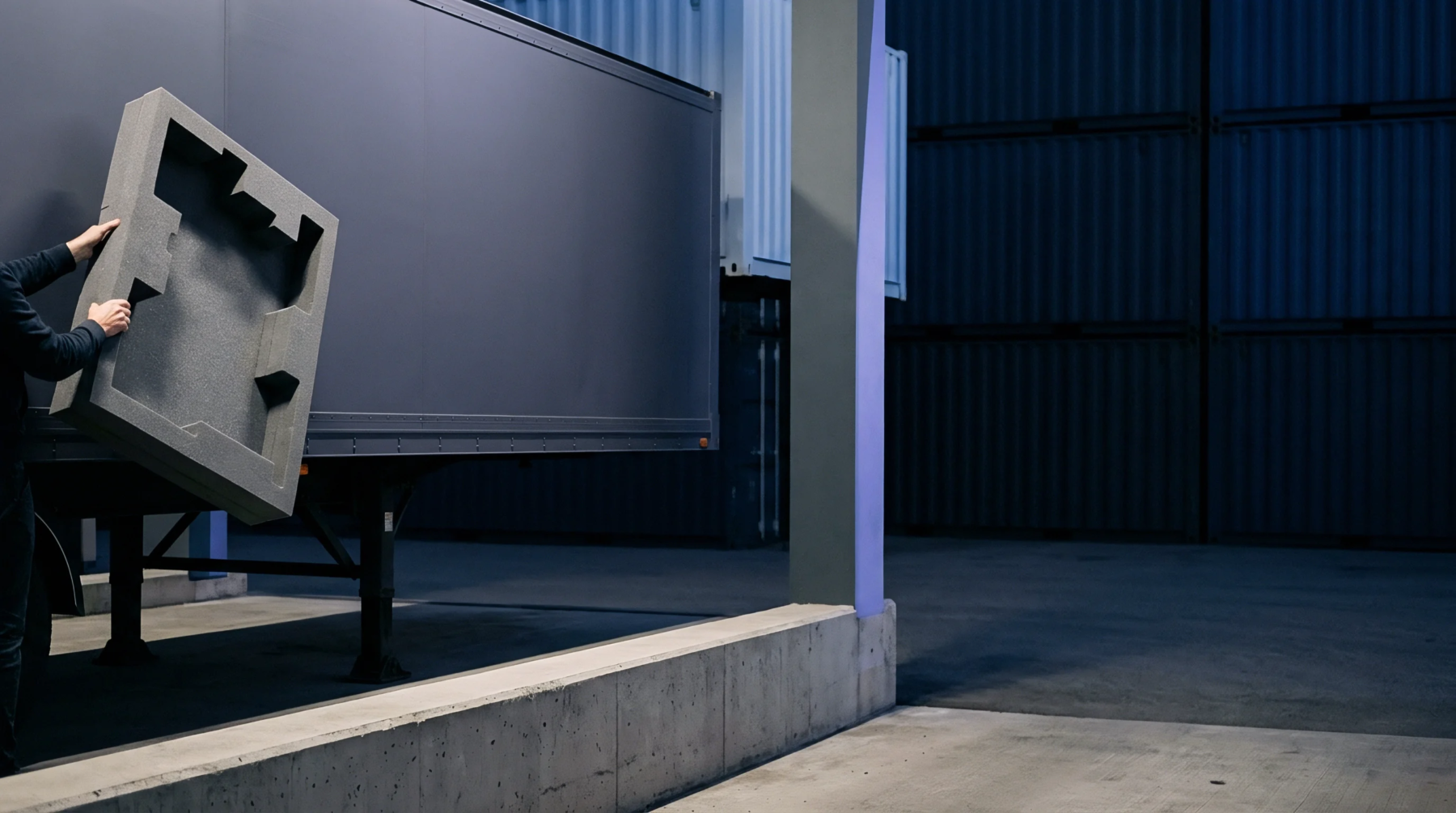
Cross-border custom tooling enforcement demands prior CNIPA registration, physical core laser-etching, GACC customs recordation, and explicit PRC bailment contracts.

Neutralizing hostile supplier customs injunctions during offboarding requires parallel CNIPA utility model invalidation petitions and Article 24 counter bonds.
Enforcing behavior preservation orders against Chinese factories requires emergency court filings, collateral bonds, and physical bailiff machine lockouts.
Chinese utility model patents provide rapid six-month physical hardware protection and export enforcement leverage when combined with direct dual invention filings.
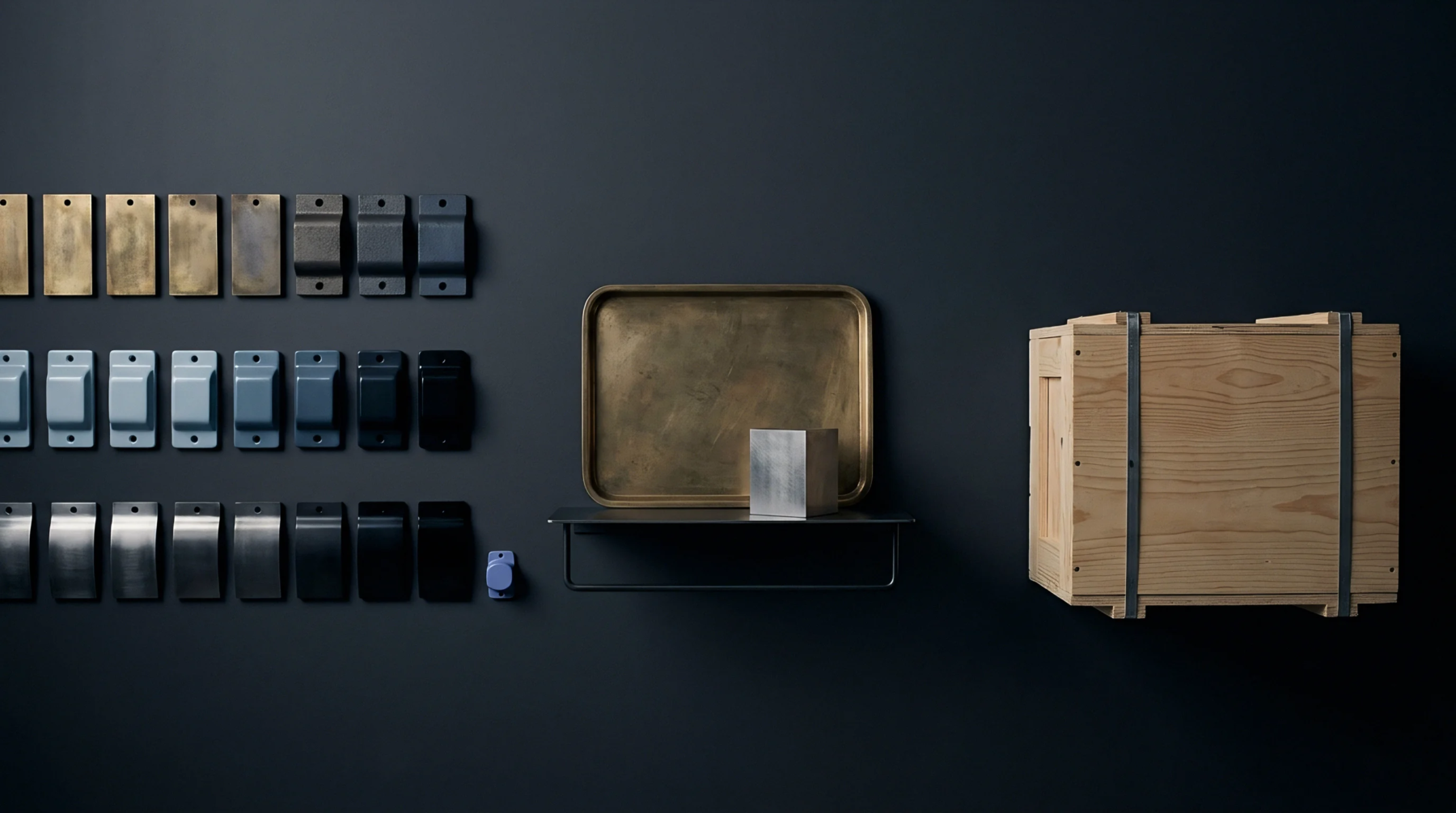
Verify tool steel composition and heat treatment phase stability independently to ensure injection shrinkage predictions match finished part tolerances.

Invalidating bad-faith utility models requires rapid CNIPA prior art petitions and GACC counter-bonds to lift port export seizures and protect OEM supply lines.

Verification of foreign-owned tooling clearance requires hard-stamped Chinese bailment marks, notarized site audits, and structured financial set-offs.

Pre-shipment subclass audits eliminate border seizures by verifying Chinese character mark registrations across CNIPA packaging classes before print execution.

Drafting NNN agreements for Chinese court jurisdiction requires Mandarin text, explicit liquidated damage tiers, and corporate seal verification.

Secure Chinese character mark registrations across all product and service subclasses before sharing product details or contracting with mainland manufacturers.
Expertise is a utility, not a secret. sentiention™ publishes its working knowledge as open reference: intelligence layer covering the materials it sources, the markets it enters, and the reference that serves both.