Meaning
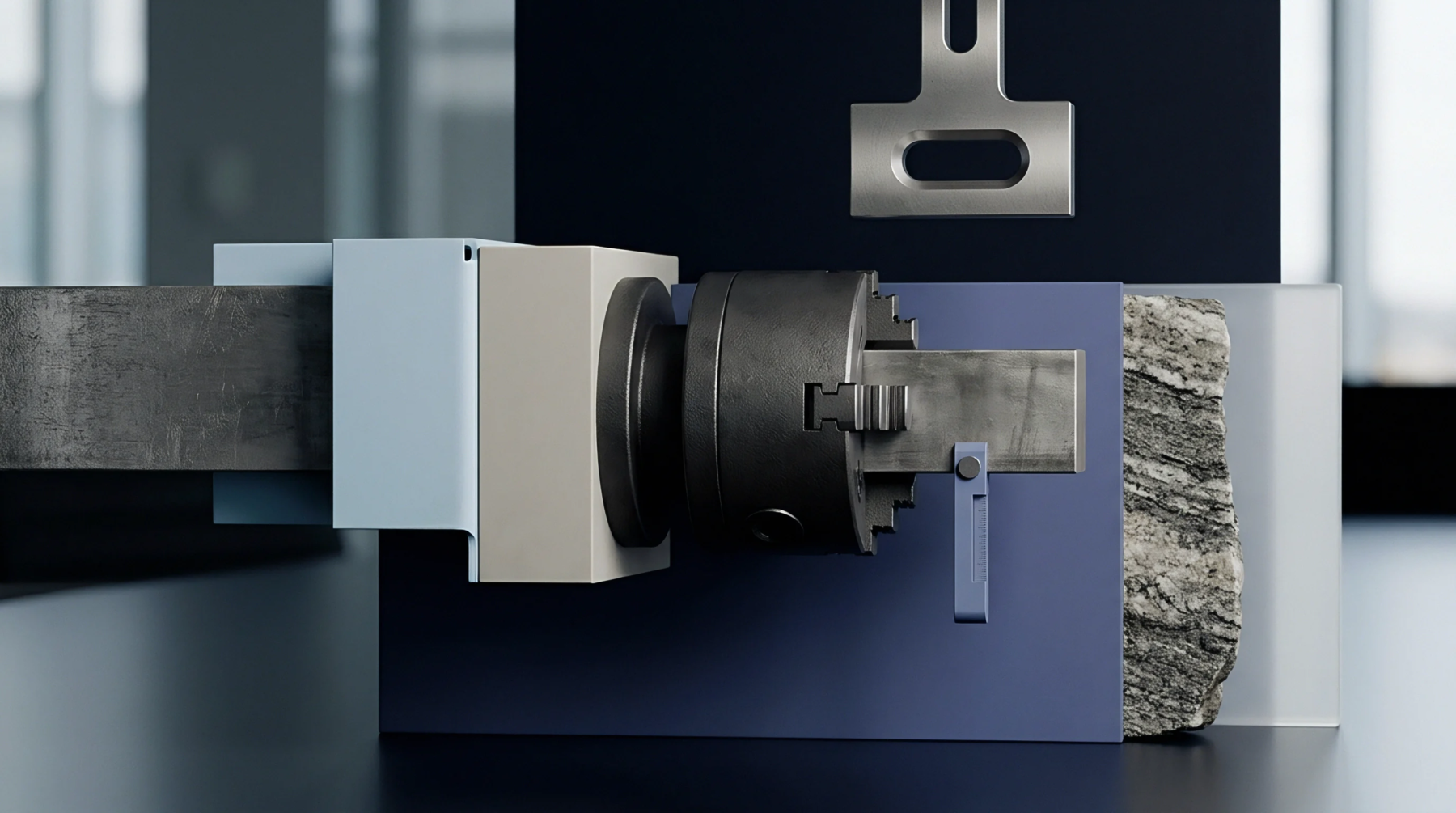
Additive manufacturing components used as temporary mold cavities allow for the rapid production of prototype parts in production grade resins. Technical teams use photopolymer inserts to test the fit and function of a design before committing to metal tooling. These inserts are created using high resolution 3D printing technologies like stereolithography.
The use of this method stops being effective when the required quantity of parts exceeds twenty units or when the molding temperature is too high.
Resin Application
Material compatibility is the primary consideration when using these printed components. Because photopolymer inserts are made of UV cured resins, they possess different thermal properties than traditional tool steels. Only certain low temperature thermoplastics can be successfully molded using this technique.
The surface finish of the printed part is transferred directly to the molded component.
Heat Resistance
Thermal degradation of the mold material is the main factor that limits the life of these inserts. Each shot of molten plastic transfers heat into the photopolymer inserts, which can cause them to soften or crack after a few cycles. Cooling times are significantly longer than in metal molds because the plastic material is an insulator.
Careful monitoring of the mold temperature is required to prevent catastrophic failure of the tool.
Prototyping Speed
Reduction in lead time is the greatest benefit of this hybrid tooling approach. A set of photopolymer inserts can be designed and printed in less than forty eight hours, allowing for immediate testing. This speed enables an iterative design process where multiple versions of a part are evaluated in a single week.
Factories in the Yangtze River Delta use these methods to accelerate the development of consumer medical devices.