Contractual Enforcement of Multi Tier Production Allocation and Secondary Tooling Security Mechanics
Contractual enforcement of multi-tier allocation demands tripartite bailment contracts under PRC Civil Code rules paired with active telemetry shot tracking.


Tiering
Subcontracting chains across major Chinese industrial manufacturing hubs in Guangdong, Zhejiang, and Jiangsu are often opaque. Prime suppliers regularly take on purchase orders that exceed their machine capacity and pass component fabrication down to unvetted secondary facilities without telling the buyer. Operational control falls apart as soon as secondary tooling moves into these sub-tier environments.
The primary factory holds the contract, but sub-tier plants handle daily maintenance, storage, and production scheduling for secondary dies, stamping fixtures, and injection moulds. Managing this requires contractual mechanisms that reach beyond the Tier 1 boundary to bind Tier 2 machining centers and Tier 3 surface-treatment vendors directly.
Getting visibility across multi-tiered networks starts with mapping every production node where components are processed. Primary suppliers often treat sub-tier vendor relationships as trade secrets to shield their lower-tier cost structures and capacity limits from buyer audits. A good contract overrides this by requiring full sub-tier disclosure before releasing production quotas.
Tooling security collapses when secondary dies land at plants without climate controls, formal preventative maintenance records, or secure storage vaults. Explicit allocation protocols keep primary suppliers from quietly shifting volume to unapproved sub-tier shops when demand peaks.

Mapping Subcontractor Chains in PRC Manufacturing Hubs
Industrial hubs in cities like Dongguan, Ningbo, and Kunshan rely on heavy specialization. A single finished electro-mechanical assembly might pass through four different companies before final packaging, where tooling theft can easily disrupt production schedules. Tier 1 plants do final assembly, Tier 2 machine shops handle CNC milling, and Tier 3 specialists do anodizing or heat treatment.
Once secondary tooling shuttles between these sites without direct oversight, keeping tabs on asset condition and location gets messy quickly.
Audits of sub-tier facilities usually turn up wide operational gaps compared to primary plants. A Dongguan audit in November 2023 turned up three secondary stamping presses operating without serial tracking tags. While primary facilities run documented quality systems and climate-controlled toolrooms, secondary sites frequently leave high-precision steel dies on open factory floors, exposing core inserts to humidity levels exceeding eighty percent.
Allocation agreements must specify the exact physical addresses approved to house secondary tooling so that unannounced transfers trigger an immediate default.
Mapping these networks takes explicit documentation of machine assignments, real output capacities, and transit times between facilities. Traceability breaks down fast once raw forgings or castings move between unlinked sub-tier entities. The contract fixes baseline operational parameters by identifying every secondary facility by its legal Chinese business name, unified social credit code, and exact workshop coordinates.

Contractual Binding of Tier Two Sub-Tier Factories
Direct contractual privity rarely exists between an overseas buyer and a secondary subcontractor under standard setups. The Tier 1 master agreement leaves lower-tier oversight to the prime supplier, leaving a major hole in asset protection. Tripartite agreements bridge this gap by binding buyer, primary supplier, and secondary tooling custodian under one legal instrument, ensuring the primary factory retains full legal liability.
Enforcing allocation quotas across secondary networks requires clear operational boundaries in the contracts. A tripartite structure defines the secondary factory as a bailee holding physical custody of secondary dies without receiving proprietary rights or lien authorization under local law. In return, the facility commits to independent physical audits, cycle logging, and immediate asset surrender upon buyer instruction.
- Unregistered Facility Offloading occurs when prime contractors shift secondary tooling to unauthorized sub-tier shops without updating facility registries or getting prior buyer approval.
- Secondary Tooling Cloning happens when sub-tier machine operators duplicate core inserts or cavities to run unauthorized shifts for regional competitors.
- Capacity Misrepresentation surfaces when sub-tier facilities overcommit press hours across multiple clients, causing unannounced delays and schedule slips.
- Sub-Tier Lien Assertions arise when primary suppliers default on component payments, prompting secondary shops to seize buyer-owned tooling as financial collateral.
Protecting commercial interests requires drafting sub-tier agreements under PRC law to block secondary suppliers from asserting statutory liens on tooling. Article 447 of the PRC Civil Code governs retention rights, allowing custodians to hold property until debts settle unless a contract explicitly waives that right. A solid tripartite contract includes clear lien-waiver language, establishing that secondary tooling remains sole buyer property regardless of payment disputes between Tier 1 and Tier 2 entities.
Secondary subcontracting is frequently attributed to local power rationing or unexpected environmental compliance pauses.


Clamp
Secondary tooling kept off-site needs physical security alongside legal protections. Plastic injection moulds, metal stamping dies, die-casting cores, and specialized assembly jigs face constant risks of unauthorized runs, poor storage conditions, and damage once outside primary buyer supervision. Containment controls ensure secondary tooling stays locked to designated machines and operates strictly within pre-approved allocation limits.
The primary supplier holds direct operational accountability for physical tooling security, maintaining verifiable custody logs and automated telemetry records for all secondary assets assigned to sub-tier operations.
Preventing tooling misuse comes down to pairing physical tamper controls with electronic shot tracking. Secondary injection moulds and stamping dies at Tier 2 plants often run unrecorded cycles off-shift. Factories produce extra parts to sell into aftermarket channels or pad scrap allowances without compensating asset owners.
Non-resettable mechanical cycle counters paired with cryptographic logging telemetry make unrecorded runs immediately obvious during field audits.

Physical Security Protocols for Secondary Dies and Moulds
Securing secondary tooling against unauthorized removal or illegal operation takes multi-layered physical containment standards. Mechanical cavity locks keep mould plates from separating while dies sit in storage yards or transit crates. Serial plates must use hard steel rivets.
Access keys for storage enclosures should remain with designated quality personnel, requiring dual-signature sign-off before any die moves to a press line.
Physical security extends right down to the press-mounting interface. Custom keyway locks installed on primary plate bolsters ensure specific secondary dies mount only on pre-authorized, serial-tracked machinery. Pulling a secondary mould from its designated machine breaks tamper wire seals and triggers an immediate audit.
If secondary tooling runs outside approved parameters, the protocol requires quarantining it on the spot until field inspectors confirm core integrity.
Environmental controls in storage areas protect secondary assets from corrosion and premature wear. Steel injection moulds stored in humid manufacturing districts develop surface pitting on polished cavity faces in days if left unpreserved. Storage protocols require deep cleaning, protective oil dipping, and sealed anti-corrosion wrapping whenever secondary tooling sits idle for longer than forty-eight hours.
Scrapping a multi-cavity injection mould in Kunshan requires forty-eight hours of physical inspection under ISO 2859-1 procedures.

Asset Tagging and Continuous Telemetry Integration
Modern tooling surveillance embeds telemetry devices directly into secondary mould frames and stamping die shoes. Smart shot counters fitted with internal batteries, multi-axis accelerometers, and temperature sensors track press operations in real time. They log opening cycles, shock forces, thermal profiles, and idle time, transmitting encrypted data over cellular or IoT networks to central dashboards.
Telemetry flags operational anomalies that manual logs miss. Spikes in shot counts during midnight shifts point to unauthorized runs, while irregular shock profiles signal poor die alignment or untrained operators. If secondary tooling hits thermal stress beyond material limits, the telemetry system sends an automated breach alert, which field auditors then reconcile against physical inventory counts.
- Mount the secondary tool to the authorized press bed and inspect all physical tamper-evident wire seals.
- Verify telemetry sensor battery power, transmission signal strength, and cryptographic serial authentication codes.
- Calibrate baseline thermal and vibration thresholds during five initial test cycles under active production speed.
- Lock physical cavity safety brackets and log press operator credentials in the central asset registry.
- Conduct weekly physical inspection checks to confirm telemetry shot totals match recorded component production numbers.
Physical tamper protection relies on hardened materials and unique cryptographic markers. Laser-etched QR codes, embedded RFID microchips, and micro-dot chemical tags applied to non-wearing die surfaces let auditors verify tooling authenticity quickly. Sub-tier operators cannot swap damaged components or substitute duplicate secondary dies without detection when inspectors check micro-dot tags under field lighting instruments.

Does Split Production Allocation Violate Primary Factory Rights?
Splitting production between primary and secondary suppliers often creates friction over capacity commitments and volume guarantees. Primary suppliers frequently argue that placing secondary tooling in competing facilities breaches exclusivity clauses or undermines pricing built on minimum order quantities. Under the PRC Civil Code, buyers can divide production across multiple sites as long as the contract explicitly retains allocation flexibility.
Enforcing split volume allocations requires defining clear volume bands in the master supply agreement. The contract sets baseline floor volumes for the primary factory while reserving the buyer’s right to shift secondary tooling to alternative sites whenever primary quality metrics drop below threshold. Dual allocation prevents single-source bottlenecks and maintains healthy commercial tension between production partners.
| Containment Level | Physical Controls | Telemetry Mechanics | Audit Cadence | Failure Consequence |
|---|---|---|---|---|
Managing split allocation across multiple secondary sites demands a careful balance between primary facility capacity and secondary plant readiness. Storage logs reveal actual press usage. When primary suppliers try to block access to secondary factories or refuse to release secondary tooling for dual-sourcing, explicit contract terms give the buyer immediate step-in rights to repossess assets and move production without waiting on court intervention.
Secondary dies stored in clean, humidity-controlled enclosures with active telemetry retain their dimensional precision far longer than tooling left on open factory floors.


Bailment
Title retention and bailment structures form the foundation of secondary tooling protection in cross-border manufacturing. Under PRC contract law, transferring physical possession of a mould or die to a supplier creates a bailment relationship ( baoguan hetong ), where the bailee gets physical custody while the bailor retains legal title. Without explicit, legally binding bailment documentation in Chinese, local courts and administrative agencies often assume physical possession implies ownership, leaving secondary tooling vulnerable to seizure during supplier insolvencies.
Securing tooling ownership demands precise contract language aligned with PRC Civil Code property provisions. Article 641 of the Civil Code explicitly validates title retention agreements, allowing buyers to retain absolute ownership of tools, machinery, and fixtures placed in third-party facilities. The contract must state clearly that secondary tooling remains sole buyer property at all times, preventing suppliers from using assets as financial leverage, mortgage collateral, or trade balance offsets.

Legal Enforceability of Ownership Retention under Civil Code Provisions
Enforcing title retention in Chinese courts takes strict operational compliance alongside clear contract drafting. Contracts written only in English or naming overseas jurisdictions hit severe procedural hurdles when attempting urgent asset recovery in local administrative tribunals. Legal enforceability depends on signed Chinese-language agreements that list exact tooling serial numbers, physical descriptions, purchase values, and explicit bailment covenants.
Ownership rights require explicit wording. Article 888 of the PRC Civil Code establishes that custody contracts take effect upon delivery of the bailed asset unless agreed otherwise. The bailment agreement defines the exact terms under which secondary tooling enters sub-tier facilities, explicitly prohibiting the custodian from subcontracting, leasing, pledging, or moving the asset without prior written consent from the owner.
Registering tooling ownership on national credit platforms provides public notice of buyer title, preventing third-party creditors from laying claim to tooling on supplier premises. The People’s Bank of China Credit Reference Center operates the Unified Credit Registration System ( Zhongdengwang ), where overseas buyers can register title retention rights over manufacturing equipment. This registration establishes a legally enforceable security interest under Chinese law that defeats downstream creditor claims during supplier bankruptcies.

Tripartite Custody Contracts and Mortgage Registration Mechanics
Tripartite custody structures bring primary suppliers, sub-tier facilities, and asset owners into a single legal framework with clear operational liabilities. Primary contractors frequently pledge factory assets, including equipment on their shop floors, to regional commercial banks for credit lines. If secondary tooling lacks clear ownership tags and formal registration, general bank mortgages can easily sweep up buyer-owned moulds sitting inside the supplier facility.
Registering secondary tooling ownership with local courts before transferring moulds to sub-tier suppliers prevents mortgage encumbrances. Tooling contracts should require suppliers to notify their lenders of third-party asset ownership before signing corporate mortgage agreements, backed by signed bank acknowledgment letters confirming that buyer-owned tooling is excluded from general asset pledges.
- Explicit Waiver of Statutory Lien Rights mandates that the bailee waives all legal rights under PRC Civil Code Article 447 to seize tooling over commercial payment disputes.
- Unrestricted Physical Access Guarantees authorize buyer representatives to enter secondary facilities at any time to inspect, audit, or repossess secondary tooling assets.
- Prohibition of Asset Encumbrance explicitly prohibits the supplier from pledging, mortgaging, assigning, or sub-leasing secondary tooling to any third party.
- Immediate Possessory Step-In Rights grant the title holder legal authority to take immediate physical possession of secondary dies upon contract default or operational breach.
Clause 14.2 of the master supply agreement strips secondary subcontracting authorization upon written notice of an unapproved facility transfer.
Enforcing custody terms requires setting explicit step-in mechanisms triggered by specific default events. Sub-tier factories sometimes default on capacity commitments. If a secondary supplier faces labor strikes, environmental shutdown orders, or insolvency filings, step-in covenants let asset owners enter the plant, dismount secondary dies, and haul them to another authorized facility.
The agreement empowers local logistics partners to carry out recovery upon written instruction from the buyer.
Clause 22.4 of the secondary tooling agreement automatically transfers immediate physical possession of all injection dies to the designated logistics agent upon any unauthorized movement past the registered facility perimeter.


Cap
Managing production volume split between primary and secondary suppliers takes continuous monitoring of allocation quotas, capacity reservations, and schedule drift. Overseas buyers split orders to hedge single-source risk, balance unit costs, and preserve flexibility during demand surges. Left unenforced, allocation agreements result in primary suppliers grabbing high-margin volume while dumping low-margin, complex parts onto unverified secondary plants.
Contractual volume caps protect supply chain stability by tying binding allocation schedules directly to financial penalties and tooling transfer remedies.
Commercial allocation schedules define shift commitments, daily unit quotas, and total press hours reserved across both primary and secondary sites. Primary suppliers often try to game volume splits by under-reporting secondary plant capacity or over-allocating machine time to local domestic clients. Enforcing caps means tying purchase order releases directly to audited production metrics, keeping secondary facilities active and ready without exceeding their authorized capacity limits.

Commercial Enforcement of Split Volume Allocation Schedules
Structuring split production takes clear volume bands in the master supply agreement. A typical dual-sourcing setup allocates seventy percent of monthly volume to the primary plant and thirty percent to a qualified secondary facility. This split ensures the secondary plant keeps trained operators on hand, maintains tooling, and can ramp up immediately if the primary facility runs into unexpected downtime.
Physical audits prevent unauthorized tool transfers. When primary suppliers attempt to capture secondary volume by suppressing secondary plant output, contractual protections trigger automatic price adjustments. The master contract specifies that if the primary supplier fails to hit agreed yield targets or delivery dates, quotas shift automatically to the secondary plant at pre-agreed transfer prices.
Dual-sourcing tooling contracts across factories in Ningbo and Suzhou demonstrate that machine time reservation agreements set mandatory minimum volume commitments for secondary suppliers, compensating them for reserved press capacity while binding them to strict performance targets. Volume caps keep secondary plants from taking competing third-party jobs that could choke off reserved capacity during critical production ramps.

Audit Metrics for Sub-Tier Machine Time Reservation
Auditing machine capacity at secondary facilities requires evaluating live operational metrics rather than relying on supplier self-reporting. Secondary suppliers often pad reported press availability to cover up maintenance problems or unauthorized third-party runs. Audits must examine overall equipment effectiveness directly, evaluating machine availability, run rates, and quality yield straight from press control units.
Sub-tier reservation compliance relies on automated telemetry matching physical press run-hours against purchase orders. If machine run-hours significantly outpace recorded output, the facility is likely running off-shift production or suffering severe scrap rates. Discrepancies between machine time and yield trigger mandatory joint audits and potential quota reallocations.
| Drift Metric | Tolerance Threshold | Financial Penalty Scale | Allocation Remedy | Verification Source |
|---|---|---|---|---|
Enforcing allocation quotas requires clear operational checklists for monthly commercial adjustments. Unannounced visits expose off-shift production runs. The checklist ensures that capacity reviews factor in real floor conditions, maintenance schedules, raw material availability, and tooling wear before releasing purchase orders for subsequent quarters.
- Monthly Volume Output Reconciliation cross-checks total delivered component counts against machine shot totals recorded by secondary tooling telemetry devices.
- Machine Hour Verification Pass audits press operator job logs, energy consumption curves, and maintenance records to validate true machine reservation hours.
- Scrap Rate Discrepancy Analysis compares reported sub-tier scrap volumes against physical metal or resin waste disposal receipts to detect hidden component leakage.
- Secondary Plant Readiness Review validates that secondary facilities maintain required raw material buffer stock and calibrated secondary tooling fixtures.
Unannounced factory relocations occur most frequently during the three weeks following the annual wage adjustments.
An unverified secondary factory failing to meet its monthly casting output resulted in forty-two thousand dollars in expedited air freight.


Registry
Verification protocols establish physical and administrative continuity for secondary tooling across distributed manufacturing networks. Security breaks down when records exist only as static spreadsheets updated once a year by off-site purchasing staff. Maintaining absolute control over secondary dies requires continuous registration, combining permanent physical asset marking, digital registry updates, and unannounced floor audits.
Verifiable registry protocols deter unauthorized tooling moves, prevent asset substitution, and ensure clear legal ownership across all sub-tier nodes.
Physical verification relies on structured field inspections conducted by local engineering staff or independent audit agencies, with immediate legal filings required if asset recovery becomes necessary. When secondary tooling moves between primary assembly plants, machine shops, and surface treatment facilities, digital registry records update automatically to track custody, line placement, and operational status. The registry serves as the core evidentiary database during commercial disputes or legal repossession actions.

Verification Rhythms for Off-Site Tooling and Production Audits
Maintaining secondary tooling integrity demands structured verification rhythms calibrated to production volume and sub-tier risk. Low-volume secondary dies undergo physical verification quarterly, while high-velocity injection moulds and stamping tools require monthly on-site inspections. The verification cadence covers serial plate checks, dimensional measurements of finished parts, shot counter logging, and visual inspection of die working surfaces.
Field engineering visits focus on physical containment and machine fitment parameters. Inspectors confirm that secondary tools run only on pre-approved presses equipped with active telemetry. Physical shot counter tamper seals reduce unauthorized runs by blocking unrecorded cycles.
Physical inspection reports log current die condition, surface oxidation levels, guide pin wear, and core maintenance history directly into the central asset registry.
Verification extends to checking secondary facility maintenance logs and spare parts inventories. Sub-tier operators often defer preventative die maintenance during peak demand, leading to premature core degradation and dimensional drift in finished parts. Schedules mandate that secondary facilities perform deep cleaning and stress-relief maintenance every fifty thousand cycles, uploading updated maintenance certificates to the digital registry.
Unannounced Physical Inspection Protocols for Secondary Facilities
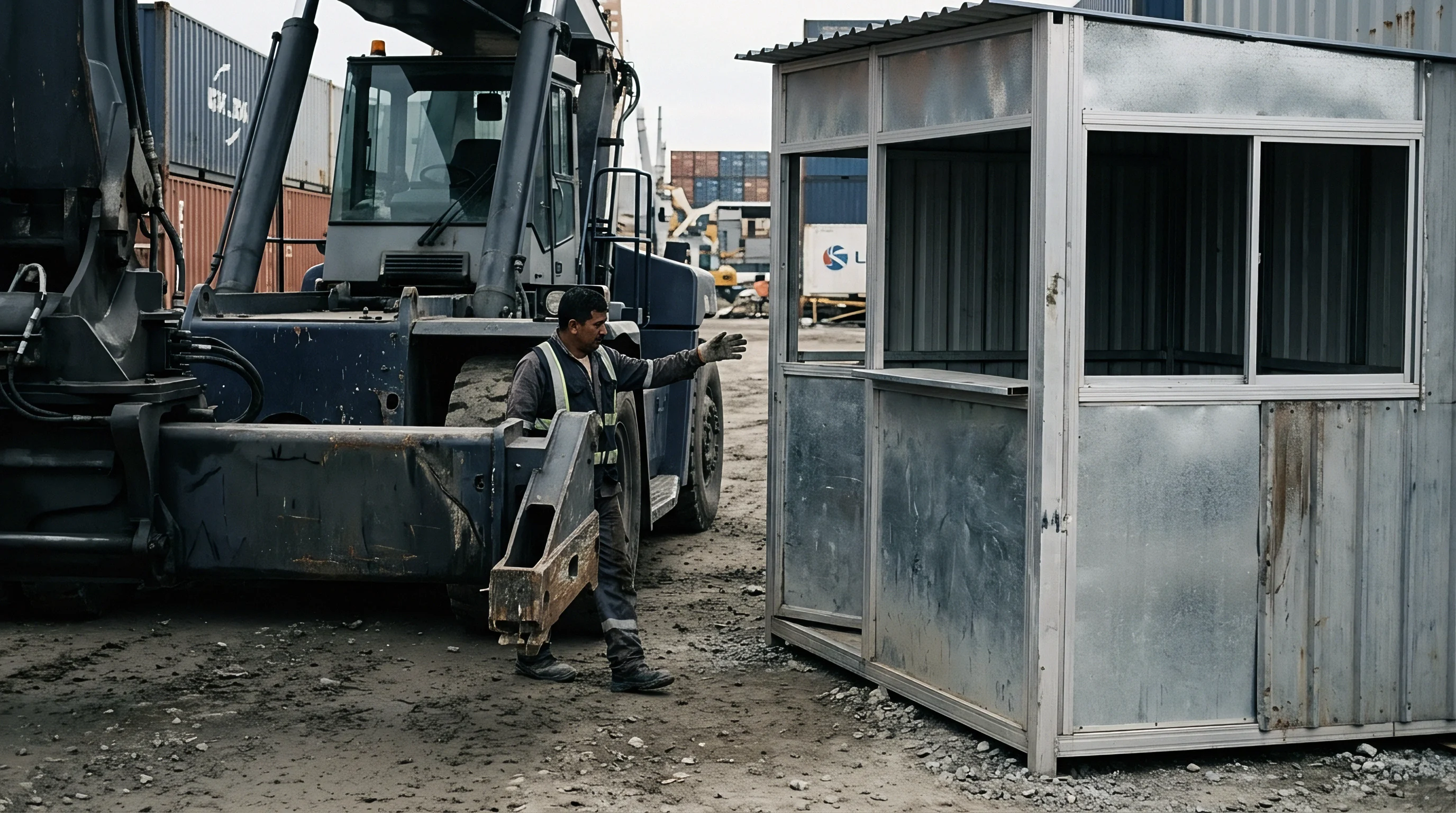
Scheduled audits give sub-tier facilities time to clean up production floors, mask third-party runs, or temporarily move secondary tooling off unapproved machines. Unannounced inspection protocols bypass these tactics by giving field inspectors immediate access to secondary manufacturing sites. Inspectors show up during peak shift operations carrying official credentials, contract access authorizations, and calibrated measurement tools.
Unannounced audits follow a strict sequence designed to document actual working conditions immediately. Inspectors head straight to active production floors to locate secondary dies using registered machine numbers and laser-etched serial tags. If secondary tools sit idle in storage yards or operate on unmonitored presses, inspectors log non-compliance, photograph tamper seals, and freeze component dispatches on the spot.
Secondary tooling stored without nitrogen purging experiences surface oxidation within seventy-two hours in coastal Guangdong warehouses.
Documenting unannounced audits requires standardized field reporting forms capturing press parameters, operator credentials, shot counts, ambient storage conditions, and telemetry battery status, ensuring that split allocations continue to protect component supply. Audit findings update central registry files instantly, triggering commercial warnings or default notices if secondary facilities restrict access or conceal tooling assets.
It remains unclear whether municipal environmental enforcement actions in heavy industrial districts will force secondary stamping operations to relocate without prior notification to asset owners.


Reconciliation
Commercial remedies and financial reconciliation mechanics give teeth to secondary tooling security agreements. Clauses detailing multi-tier volume allocations and tooling custody mean little unless backed by enforceable financial penalties, liquidated damages, and immediate invoice offset rights. When secondary facilities breach custody terms, clone tooling, or divert capacity, buyers enforce their rights by withholding component payments, seizing performance bonds, or executing immediate asset recoveries.
Financial reconciliation links physical audit findings directly to accounting systems, ensuring operational non-compliance brings immediate financial consequences for both primary and secondary suppliers. Liquidated damage scales are calibrated to cover scrap costs, line downtime, legal fees, and tooling replacement delays. Master supply contracts specify that financial liabilities incurred by sub-tier entities automatically pass through to the primary contractor, maintaining single-point commercial accountability.

Financial Remedies for Capacity Diversion and Tooling Misappropriation
Unauthorized capacity diversion occurs when secondary facilities execute third-party runs using buyer-owned tooling or divert reserved press time to higher-paying local customers. The contract sets liquidated damages calculated as a percentage of total order value or a fixed daily fee per diverted tool, alongside mandatory step-in clauses.
Tooling misappropriation ~ including unauthorized die copying, unapproved facility transfers, or pledging secondary tools as debt collateral ~ triggers maximum financial recovery provisions under PRC law. Article 585 of the PRC Civil Code validates liquidated damage clauses, provided agreed amounts reflect reasonable estimates of actual commercial loss. Contracts structure misappropriation remedies to cover complete tooling replacement costs, lost profits, and all legal expenses associated with physical repossession.
The master contract explicitly authorizes buyers to deduct liquidated damages directly from outstanding component invoices across any active line run by the primary supplier, preserving capital while disputes play out. Direct payment deductions eliminate the need for drawn-out litigation in local courts, securing immediate financial recovery while physical repossession moves forward.
Liquidated Damage Calculations for Unauthorized Subcontracting
Calculating liquidated damages for secondary tooling non-compliance requires transparent, pre-agreed formulas built into supply agreements. Arbitrary penalty figures risk reduction by Chinese courts if challenged by suppliers as unreasonably punitive. Remedies must anchor to verifiable cost metrics, including line downtime, air freight premiums, inspection costs, and scrap rework expenses.
The mathematical framework for liquidated damages incorporates specific multipliers based on breach severity. Minor infractions, such as late shot counter reporting, incur flat administrative fees, while critical breaches ~ like unapproved facility transfers or missing serial plates ~ trigger high fixed damages and immediate tooling seizure.
| Recovery Stage | Operational Action | Direct Financial Cost | Time Requirements | Responsible Party |
|---|---|---|---|---|
Reconciling financial claims after repossessing secondary tooling involves auditing all open purchase orders, component inventories, and tool repair costs. Once seized, tooling requires immediate physical assessment by qualified die engineers to verify core condition before placement with another manufacturing partner. Financial recovery concludes when offset credits are applied against outstanding component invoices, balancing the account before final tooling release.