Meaning
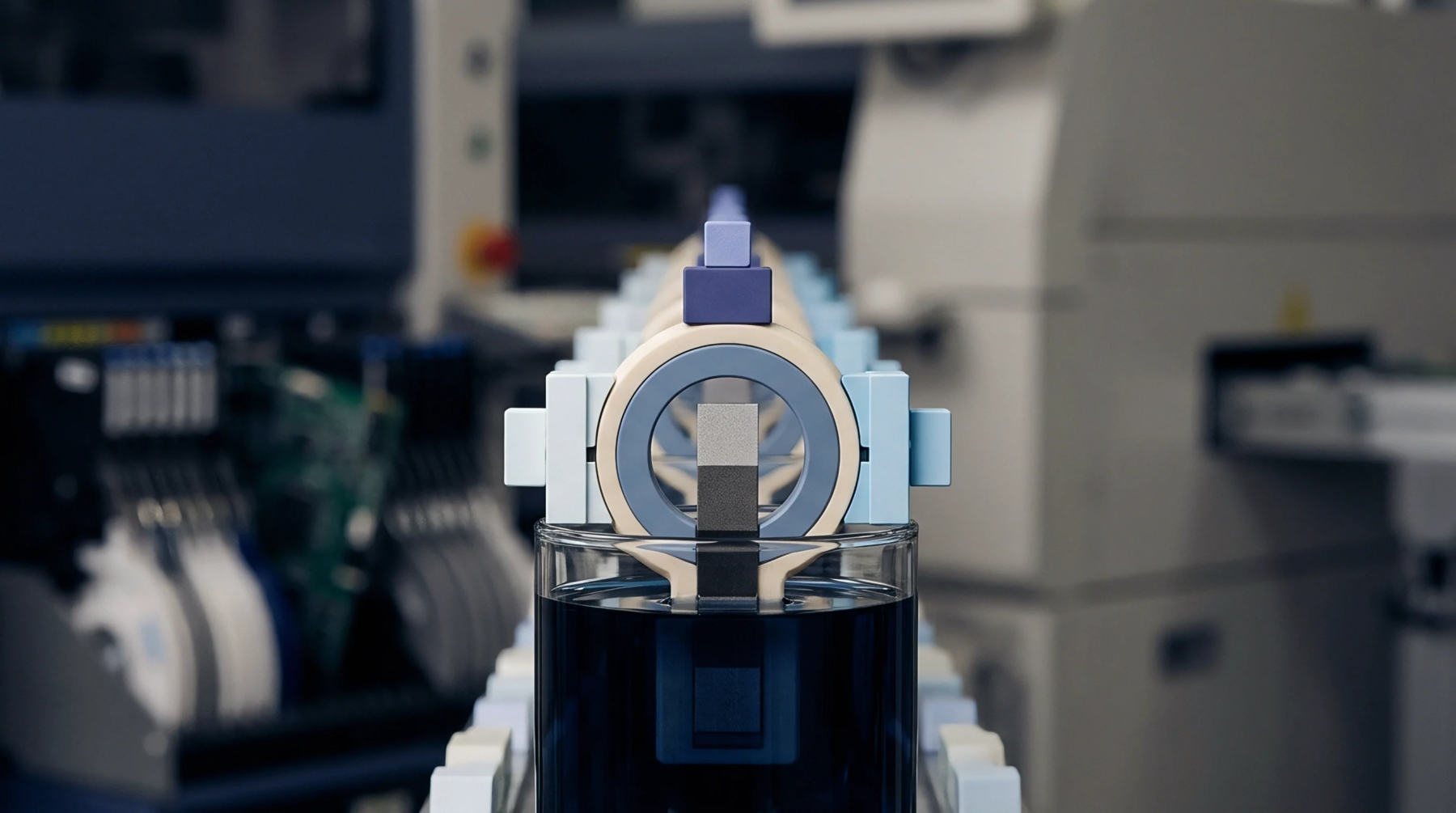
A performance metric in mass production measures the ratio of fully functional components completed to the total number of raw material units started on a manufacturing line. In high-volume electronics assembly, line yield is used to monitor the efficiency of the assembly process and identify systemic equipment malfunctions.
Calculation Method
The metric is calculated by dividing the number of good units that pass all final inspections by the number of units that entered the first stage of the line. This calculation includes units that were scrapped, damaged, or diverted for rework during the assembly run. It differs from individual process yields, which focus on single steps like solder paste printing or chip mounting, by tracking the cumulative performance of the entire system.
Operational Cost
A low yield increases the cost of goods sold due to material waste, additional rework labor, and specialized testing equipment requirements. It can also disrupt supply chain delivery schedules, causing shortages that trigger contractual penalties with downstream buyers. This makes the metric a primary focal point for industrial engineers during the ramp-up phase of a new product.
Optimization Strategy
Factories improve this metric by applying statistical process control to detect deviations before they result in defect generation. Automated optical inspection and inline solder paste inspection systems provide real-time feedback that helps operators adjust machinery on the fly. By maintaining tight control over environmental conditions such as humidity and dust levels, the production team minimizes the defect rate and maximizes the throughput of compliant assemblies.
This proactive management strategy ensures that high-volume lines achieve their target margins.