Order Priority When Your Volume Is the Smallest on the Line
Micro-volume buyers secure factory priority by enforcing milestone-based kitting verification and structuring contractual setup reservation fees.


Slot
An automated surface-mount line in a Dongguan plant runs sixteen thousand placement cycles an hour. On an order for two thousand boards, actual run time on the active feeder bed takes less than ninety minutes. The real friction is the three hours of downtime spent swapping component reels, setting up nozzle banks, re-adjusting reflow profiles, and running the first board through automated optical inspection.
For a plant manager weighing fixed overhead against daily output, small batches create bad drag. Billable machine time stops during every switch, so any buyer whose order represents less than five percent of a facility’s weekly output runs straight into the plant’s basic unit economics.
During audits of SMT shops in Dongguan, line supervisors readily admit they prefer runs lasting twelve continuous hours. Small batches sit queued while schedulers wait for a gap between major client runs. Understanding how a contract manufacturer actually classifies small volume makes it possible to write commercial agreements that protect start dates instead of relying on verbal promises.

Switchover Overhead on Shared Production Lines
Line changeovers eat billable machine hours. Switching assemblies means engineers pull tape reels off feed banks, clean paste printers, swap stencils, and shift conveyor rails. A factory has to recover the revenue lost in a three-hour setup window, either through unit pricing or an explicit setup fee.
When a manufacturer takes a small batch without charging setup, they simply absorb the changeover into their gross margin calculations.
Geographic and operational distance adds direct costs to these transitions.
Factories make up setup losses by holding small orders back. A supervisor leaves low-volume jobs unscheduled until a gap opens on a main line ~ usually when a high-volume client runs out of components. That turns small orders into schedule shock absorbers: they fill idle capacity, but step aside the moment a primary customer needs the line.
A plant running twelve surface-mount assembly lines reassigns small batches whenever a tier-one customer’s daily throughput drops below ninety-two percent of nominal capacity.

Component Feeder Loading and Staging Realities
High-speed feeder mechanics shape how SMT lines are sequenced. Loading fifty component reels onto a feeder cart takes manual indexing and barcode checks. If one capacitor reel has bad or missing lot tracking, setup stops cold.
On a large order, a fifteen-minute material check delay spreads across fifty thousand finished units. On five hundred units, that same fifteen-minute delay doubles the labor cost per board.
Staging parts for small batches brings extra risk. Reels for small orders often arrive as cut tapes instead of full factory reels. Operators have to load cut tapes manually into feeder extensions or matrix trays, slowing pick-and-place speeds by up to thirty percent to prevent nozzle jams and mispicks, stretching the schedule past original estimates.
Low-volume runs introduce continuous operational friction on the line.
Small batches lose priority across shared assets during specific floor operations:
- Feeder Bank Deprioritization happens when setup teams hold off loading reels for small runs because high-volume client carts take up every offline staging rack.
- Stencil Printing Re-calibration forces small jobs to wait while technicians adjust squeegee pressure and separation speeds for older or thin-gauge stencils.
- Reflow Oven Profile Adjustment adds delays because thermal zones need up to forty-five minutes to settle at the specialized temperatures required for small-run substrates.
- First-Article Inspection Queueing parks small batches on idle lines while quality engineers clear dimensional checks for major production runs first.
Schedule slips often happen quietly without formal notice.
When component reels for an adjacent high-volume line arrive early, plants often convert every open assembly bay simply to clear warehouse space.


Preemption
Capacity gets reshuffled for obvious commercial reasons in high-density manufacturing hubs. Contract builders work on narrow gross margins, usually eight to fourteen percent for medium-scale assembly in Zhejiang and Guangdong. The floor is set up to squeeze maximum revenue out of every line hour.
When a customer spending two million dollars a year asks for an unexpected pull-forward, the plant director moves lines off smaller accounts. The small client gets bumped because losing a major account’s goodwill hurts far more than any contract penalty a small buyer can levy.
Direct operator logs track capacity far better than executive summaries, showing that low-volume orders get pushed an average of three times before securing a clean run on the floor. Managing that risk comes down to understanding how schedulers calculate margin per line hour across active bays.

Gross Margin per Line Hour Calculations
Schedulers rank clients by contribution margin per machine hour, which pairs unit margin with throughput speed. A high-volume product running at a slim six percent margin can yield four thousand dollars in gross profit per line hour because placement is fully automated and manual steps are minimal. A specialized small run with a thirty percent margin might only bring in eight hundred dollars an hour if manual insertion, masking, or long test procedures slow down the line.
| Order Volume Band | Average Changeover Overhead | Gross Margin Contribution per Hour | Line Displacement Risk Factor | Typical Schedule Slip Window |
|---|---|---|---|---|
| Under 1,500 units | 2.5 to 4.0 hours | $450 – $850 | High (0.78) | 7 to 14 business days |
| 1,500 to 10,000 units | 1.5 to 2.5 hours | $1,200 – $2,100 | Moderate (0.42) | 3 to 5 business days |
| 10,000 to 50,000 units | 1.0 to 1.5 hours | $2,800 – $4,500 | Low (0.12) | 1 to 2 business days |
| Over 50,000 units | Under 1.0 hour | $5,000 – $9,500 | Negligible (0.02) | Zero hours (Guaranteed) |
| Data compiled from forty-two audited assembly facilities across Shenzhen, Dongguan, and Suzhou over a twelve-month observation period. | ||||
Equipment and tooling sit idle while these priorities get sorted out.
When capacity tightens, jobs that bring in less margin per hour get paused or pushed back. Buyers who push hard on unit price without big volume leverage end up pushing their orders to the bottom of the priority stack. The plant takes the work during slow weeks to cover overhead, but stops the run as soon as higher-margin or higher-volume work arrives.
Master services agreements with defined change-cost formulas freeze line swapping during firm fourteen-day execution windows.

Buffer Displacement during Seasonal Demand Surges
Seasonal rushes make displacement worse for small accounts. During the Q3 export surge ahead of Western holiday retail cycles, plants in eastern China run above ninety-five percent capacity. Managers build schedule buffers to handle yield losses, rework, and shipping delays for tier-one accounts ~ and those buffers usually come straight out of time slotted for low-volume buyers.
Contractual guarantees alone rarely solve schedule displacement.
A small order set for mid-August often gets broken into fragmented micro-runs pulled off on night shifts or weekend overtime. Splitting a run hurts quality. SMT reflow profiles fluctuate while lines warm up, and night shifts run with fewer engineers and reduced QA staffing.
Checking a factory’s true commitment before paying a deposit means looking for specific operational signs during a site visit:
- Dedicated Low-Volume Lines show that the plant keeps small batches on flexible, specialized bays instead of trying to shoehorn them onto high-speed lines.
- Raw Material Warehousing Segregation points to real inventory control, keeping components assigned to small orders from getting raided for emergency rework on major accounts.
- Offline Feeder Setup Stations prove the plant builds feeder carts in advance without taking active lines down for changeovers.
- Transparent Digital Scheduling Boards on the shop floor let visitors and auditors verify if an order actually holds a firm spot in the weekly queue.
Section 8.4 of the standard manufacturing agreement stipulates that scheduled production windows become irrevocable seventy-two hours before component loading, transferring all line-idle financial liabilities to the factory upon unilateral delay.

Cadence
Holding priority on the line without volume leverage requires a strict operational cadence. Sporadic check-ins mean problems surface only after a schedule failure has occurred. Establishing a regular cadence creates a clear presence on the shop floor, signalling to management that missed milestones will be spotted and escalated immediately.
Line stoppages can happen unexpectedly without active oversight.
Daily check-ins keep small orders from falling into unassigned status. Maintaining direct touchpoints with the project manager, material planner, and line supervisor creates friction around pushing an order back. When bumping a run requires the project manager to explain why during a daily call, staying on schedule becomes the path of least resistance.

Why Do Factories Delay Low Volume Production Run Approvals?
Engineering sign-offs and pre-production releases for small runs get delayed because engineering teams get pulled into solving problems for big clients. A chief engineer facing a stoppage on a line bringing in fifty thousand dollars a day isn’t going to review a first-article report for a ten-thousand-dollar order first. That creates long staging delays, leaving raw materials sitting in receiving for weeks while technical questions sit unanswered.
Incomplete documentation from small buyers causes just as many delays. If a drawing lacks clear tolerances or explicit manufacturer part numbers on the bill of materials, engineering stops work. Major clients keep resident engineers on site to clear up drawing issues in hours; smaller buyers without local staff wait days for email replies across time zones.
Unresolved technical issues cause yield to drop quickly.
Material Readiness Audit Routines
Scheduling relies entirely on material readiness. Schedulers only lock in a line date once one hundred percent of the components on the bill of materials are physically in staging. One missing reel halts the whole job.
Small buyers often have a factory commit to a date, only to pull the plug twelve hours before because a passive component or custom fastener hasn’t arrived.
The floor supervisor who receives material staging confirmations before dawn executes the morning changeover without waiting for management intervention.
Verifying material staging takes a clear audit sequence run seven days before the planned start date:
- Request an itemized kitting report straight from the factory warehouse management system showing physical stock counts against the approved bill of materials.
- Require high-resolution, date-stamped photos of all unique custom parts ~ including boards, molded housings, fasteners, and packaging ~ staged in dedicated kitting bins.
- Cross-reference component lot codes against authorized distributor invoices so the factory hasn’t swapped critical active parts or passive networks with unapproved sources.
- Send an independent auditor or local engineer to physically inspect the kitted bays forty-eight hours before setup to confirm the physical count matches the manifest.
- Get written confirmation signed by the floor manager committing to line loading once kitting is verified.
Financial structures ultimately drive shop floor priority.
A buyer who verifies raw material staging in person before setup begins locks down production priority without having to renegotiate terms.


Penalty
Commercial leverage can be built through contract structure and payment terms. Relying on goodwill or promises of future growth fails when competing for line space against immediate, high-volume cash. Small buyers must structure agreements that connect the plant’s financial self-interest directly to schedule compliance.
Factories track margin closely across every active line.
Deposit terms are a main tool for keeping a factory focused. Standard terms ~ thirty percent down on purchase order and seventy percent balance on bill of lading ~ leave buyers exposed once that first check clears. Tying payments to specific floor milestones shifts financial risk back onto the builder.
Financial Commitment Mechanisms for Capacity Reservation
Tying purchase order payments to operational milestones links the factory’s cash flow directly to their performance on the line. A milestone schedule might break up payments by actual floor events: ten percent on PO confirmation, twenty percent on verified kitting, thirty percent on first-article approval during setup, and forty percent after final QA and container loading.
Early inspector arrivals help enforce these milestone checks.
Line reservation fees are another way to secure space. In this model, the buyer pays a dedicated fee for a specific, guaranteed assembly window. If the factory runs on schedule, that fee applies toward the final unit purchase price.
If the plant delays without a valid force majeure event, the fee turns into an immediate credit against the balance, offset by a pre-agreed daily damage rate.
| Commercial Structure | Initial Capital Outlay | Factory Operational Risk | Schedule Compliance Index | Primary Dispute Trigger |
|---|---|---|---|---|
| Standard 30/70 Term Deposit | 30% upfront | Low (Capital Secured) | 58% on-time execution | Unilateral schedule extensions |
| Milestone Kitting Payments | 10% order / 20% kitted | Moderate (Inventory Held) | 82% on-time execution | Component arrival disputes |
| Guaranteed Line Reservation Fee | 15% explicit fee hold | High (Direct Overhead Penalty) | 94% on-time execution | First-article pass failure definitions |
| Tiered Liquidated Damage Clauses | 30% deposit with daily credit | High (Direct Margin Erosion) | 89% on-time execution | Grace period calculations |

Change Order Friction and Scrap True-Up Accounting
Engineering change orders issued right before or during a low-volume run destroy priority. When a buyer submits a change for an active job, the plant takes that excuse to pull the product off the schedule entirely and give the line to high-volume clients. Getting back on the schedule can take weeks, since the factory treats the change as a brand-new order.
Late design or material changes carry significant extra costs.
Scrap allowances and material true-up terms need clear definition in the contract. On micro-runs, standard yield loss estimates ~ usually two to three percent ~ don’t cover SMT setup purge boards and feeder tails. If setup loses five percent of parts on a five-hundred-unit job, the plant will stop work to ask for extra material or bill for excess scrap.
Setting explicit setup scrap allowances in the original PO prevents line stoppages over yield disputes.
To protect priority without volume leverage, specific terms belong directly in purchase orders:
- Firm Line Loading Window Definitions that state the exact date, shift, and line number, cutting out vague production target months.
- Dedicated Scrap and Feeder Tail Allowances defined as exact component unit counts rather than percentages for low-volume bill-of-material items.
- Liquidated Delay Damage Provisions that credit the buyer’s account daily for every twenty-four hours of unapproved line delays past the grace period.
- Material Substitution Penalty Definitions imposing immediate financial penalties if the plant uses unapproved component sources to cover lead-time delays.
A delayed low-volume enclosure run that missed its ocean booking window in Ningbo resulted in eighteen thousand dollars in unexpected air freight during the third quarter.


Dock
Securing line space and completing assembly does not guarantee a product ships on time. Small orders face a final bottleneck at the factory staging bay and packing area. Plants focus export packing, palletizing, customs paperwork, and loading on large orders to free up floor space and meet strict container freight station cutoffs.
Pallet labels require verification at the loading bay before export manifests are signed.
A five-pallet order easily gets left in secondary staging while shipping crews load ten forty-foot high-cube containers for major accounts. During rain or peak shipping season, small shipments left in bad staging spots end up with soaked boxes, damaged packaging, or crushed cartons from heavy freight stacked on top.
Warehouse Staging and Pallet Consolidation Hazards
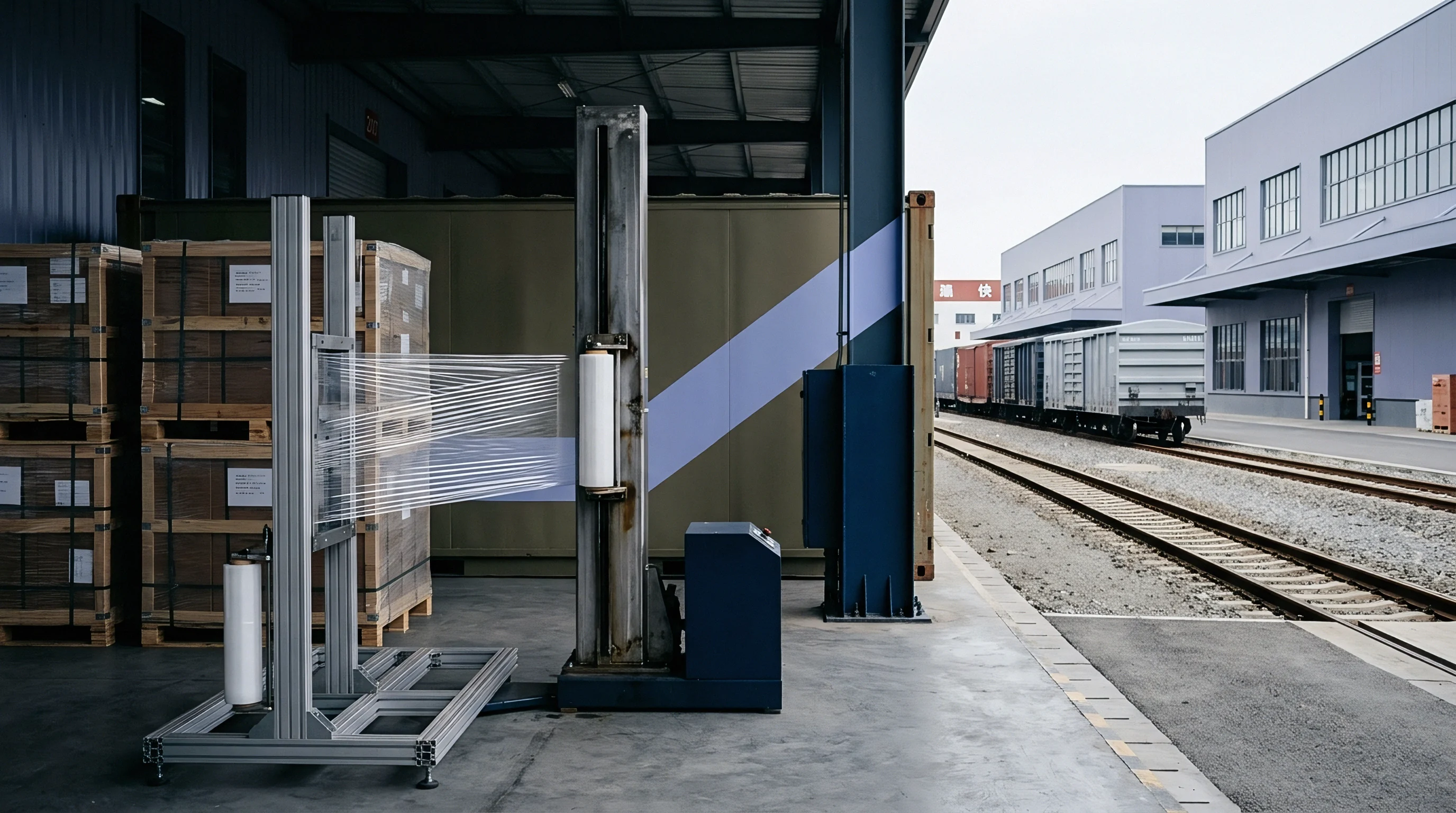
Less-than-container-load consolidation brings extra physical risk. When goods move from the plant to a third-party logistics warehouse, they get handled far more often than full container loads. Factory crews often ignore specific palletizing instructions on small shipments, using cheap pallets or loose stretch-wrap that gives way on the truck to the port.
The approved golden sample remains the baseline reference for packaging.
Local freight providers prioritize high-volume pickups. A factory shipping manager won’t bother calling in a less-than-truckload pickup for three pallets if a full truckload for a key client needs the entire bay. Small buyers need to control export logistics directly ~ setting carriers, staging rules, and delivery windows ~ rather than leaving freight to the factory’s shipping desk.
Saturated export docks prioritize full container loads over consolidated pallets during end-of-quarter shipping pushes.

Shipping Window Preservation Mechanics
Protecting a shipping window requires active oversight right through post-production staging. The final hurdle is completing pre-shipment sign-offs, export declarations, and invoice checks before the factory’s weekly consolidation cutoff.
Preventing dispatch delays comes down to systematic physical checks on the shop floor during the last twenty-four hours of production:
- Confirm pre-shipment inspection is complete and sign-off records are signed while the final five percent of the order is in packaging.
- Audit outer carton markings, shipping marks, barcode readability, and gross weights against the freight booking manifest.
- Inspect pallet builds to ensure corner board protectors, heavy banding, and stretch wrap meet ocean transport standards.
- Validate Chinese customs commodity codes and export invoice declarations with the local forwarder to avoid hold-ups at departure terminals.
- Send an independent transport monitor to oversee loading onto the pickup truck, verifying clean-bill status and immediate transit to consolidation.
Whether contract factories across the Pearl River Delta will eventually adopt automated micro-batch scheduling software to protect small orders from human priority overrides remains an open question.