Priority Rules Governing Movable Property Mortgages under Civil Code
Civil Code movable property mortgages rank strictly by Zhongdengwang registration timestamp, defeated only by statutory repair liens and ten-day superpriority.


Filing
Precision stamping dies sit idle in a Kunshan tooling bay while two competing lenders examine the same serial plate. The machinery owner signed a loan agreement in March and executed a commercial pledge in April. Neither transaction matters to the priority queue until an entry appears in the Credit Reference Center of the People’s Bank of China.
Article 403 of the Civil Code of the People’s Republic of China establishes that a mortgage over movable property takes effect upon execution of the contract. The mortgage cannot confront a bona fide third party without public registration. The machinery remains physically anchored to the concrete floor, yet its legal ranking floats until the digital index records the notice.
The priority framework for movable assets operates on public notice rather than physical possession. Article 414 codifies the distribution sequence among competing security interests on the same asset. Registered mortgages rank strictly by the calendar timestamp of their registration.
A registered mortgage holds absolute priority over every unregistered mortgage on the same asset. Unregistered mortgages rank equally among themselves, sharing liquidation proceeds in proportion to their outstanding claims. Production managers and procurement leads frequently assume factory machinery secured through signed private contracts confers protection against third-party claims.
The registry entry decides the claim.
A registered security interest recorded on day two defeats an unregistered mortgage executed on day one.
Lenders and cross-border equipment vendors record movable property mortgages through the unified registration portal known as Zhongdengwang. The system accepts filings for production equipment, raw materials, semi-finished inventory, agricultural machinery, and accounts receivable. Entering the wrong corporate credit code or misidentifying the collateral class invalidates the filing against subsequent creditors.
PRC judicial practice requires description of collateral to satisfy reasonable identification standards under Article 53 of the Supreme People’s Court Security Interpretation. A generic entry stating all manufacturing assets fails if an auditor cannot verify the specific machinery from the text of the filing.
The filing mechanics govern commercial leases and title-retention sales alongside ordinary mortgages. Article 388 expands the definition of security contracts to encompass retention of title clauses, financial leases, and factoring arrangements. A vendor supplying automated surface-mount assembly lines on installment terms holds a functional mortgage.
Failure to file on the national portal leaves the vendor exposed as an unsecured general creditor in corporate restructuring. Priority belongs to the party that logs the public record first.


Window
Delivery dockets signed at the factory loading dock trigger a strict countdown under the special superpriority mechanism. Article 416 provides a ten-day statutory window for purchase-money security interests, mirroring commercial practice in mature asset-backed lending markets. A vendor selling production equipment on credit, or a commercial lender financing the specific acquisition of that machinery, claims priority over any prior floating mortgage established by the debtor.
The creditor files the security interest on Zhongdengwang within ten days following the physical delivery of the equipment to the buyer. Meeting this deadline elevates the purchase-money claim above pre-existing general floating charges that would otherwise absorb newly acquired assets.
The ten-day boundary admits no commercial excuses. If equipment arrives at a Dongguan plant on June 1 and the registration timestamp marks June 12, the superpriority extinguishes. The vendor falls back into the baseline ranking of Article 414.
The pre-existing floating mortgage executed three years prior instantly captures the newly delivered asset ahead of the unpaid supplier. Production interruptions, customs delays, and public holidays do not expand the statutory timeline unless the final day lands directly on an official administrative non-working day.
| Security Type | Perfection Method | Statutory Basis | Priority Rank Against Competing Claims |
|---|---|---|---|
| Purchase Money Security Interest | Registration within ten days of delivery | Article 416 | Precedes earlier floating charges and subsequent non-PMSI filings |
| Registered Movable Mortgage | Filing on Zhongdengwang | Article 414 Paragraph 1 | Precedes unregistered mortgages and subsequent registrations |
| Pledge of Movable Property | Actual transfer of possession | Article 415 | Ranks against registered mortgages by time of delivery versus filing |
| Unregistered Movable Mortgage | Contract execution alone | Article 403 | Subordinate to registered interests and bona fide purchasers |
Supply chain contracts frequently attempt to extend ownership retention terms beyond the statutory boundary. Commercial parties insert clauses declaring title remains with the overseas seller until final wire clearance six months after installation. The Civil Code treats title retention as a functional security interest.
When the buyer takes delivery, the ten-day clock runs against the seller regardless of contract language. A vendor seeking protection verifies the equipment receipt date through signed bills of lading and executes the Zhongdengwang entry before the equipment leaves the transit container.

How Do Unregistered Mortgages Rank against Creditors?
Unregistered security interests face immediate destruction during judicial enforcement proceedings. Article 54 of the Supreme People’s Court Security Interpretation clarifies that an unregistered movable mortgage cannot defeat a court-ordered seizure. When an unsecured trade creditor obtains an asset preservation order against factory machinery, the unregistered mortgagee loses its preferential claim.
The court distributes execution proceeds to the executing creditor ahead of the unperfected mortgage holder. The unregistered mortgagee receives only an unsecured dividend in corporate insolvency.
A contract clause asserting full title retention functions as an unperfected mortgage without a national registry entry.
Ordinary commercial trade introduces an additional barrier to unperfected security interests. Article 404 shields buyers who acquire movable assets in the normal course of business. When a factory sells manufactured inventory or standard equipment to an arm’s-length customer at market rates, the mortgage terminates on the sold goods.
This protection applies even if the underlying mortgage was properly registered on Zhongdengwang. Financing institutions lending against raw material inventory monitor warehouse dispatch ledgers daily. Once inventory crosses the factory gate under a standard sales invoice, the mortgage shifts from the physical goods to the identifiable cash proceeds.
Equipment leases face identical operational scrutiny. Operating leases structured across multi-year cycles require registration to preserve the lessor’s repossession priority against competing judicial attachments. The ten-day rule rewards administrative discipline over contract negotiation length.

Bolt
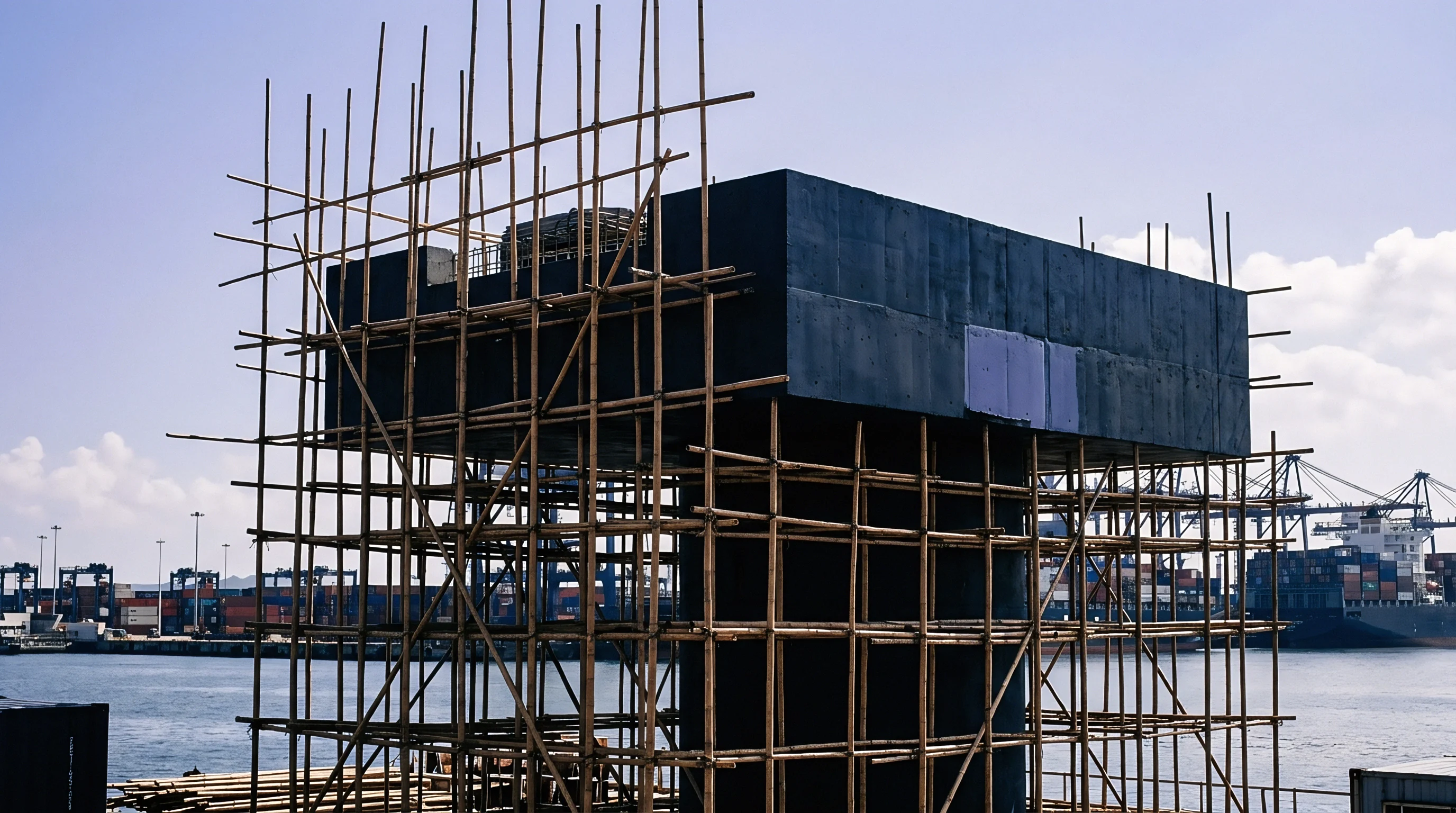
Heavy machinery bolted to factory floor pads tests the boundary between real property mortgages and movable asset filings. Factory premises frequently carry a building mortgage registered through the Real Estate Registration Center. When an industrial tenant or property owner anchors injection molding units or Computer Numerical Control machining centers to reinforced foundation pilings, real estate mortgagees claim the machinery as integral building fixtures.
Movable property lenders claim the equipment under Zhongdengwang mortgage registrations. The dispute turns on physical detachability and economic damage during removal.
Civil courts apply structural integrity tests to determine whether equipment maintains independent movable status. A stamping line removed without damaging load-bearing beams remains movable property. The Zhongdengwang mortgage maintains jurisdiction.
Machinery welded directly into the structural columns of an industrial plant risks characterization as an accession under general property rules. Equipment financiers verify installation drawings before disbursing funds against capital tooling. Anchor bolts inserted into concrete footings do not compromise movable classification, provided standard pneumatic tools can detach the plates.
- Fixture Verification establishes whether machinery removal damages factory structural foundations through load calculations and engineering reviews.
- Registry Search examines the local real estate center and Zhongdengwang indices for overlapping security filings against the plant site and equipment.
- Serial Reconciliation confirms stamped chassis numbers match the asset schedule in the mortgage contract and the public registration description.
- Possession Confirmation inspects whether the factory tenant holds independent operating custody of the floor space housing the machinery.
Factory relocations create substantial registration risks for secured lenders. When a supplier moves manufacturing operations from Shenzhen to Huizhou, machinery serials remain constant while the geographic jurisdiction and plant registry shift. Article 403 keeps the mortgage valid between debtor and creditor, but physical relocation complicates notice verification during local court attachments.
Asset descriptions in mortgage filings include the machine manufacturer, model designation, year of manufacture, and factory serial code. Omitting serial numbers allows competing creditors to argue the filing is defective for vague identification.
Failure to reconcile physical equipment tags against the Zhongdengwang asset schedule destroys priority during liquidation, leaving the lender holding an uncollectible unsecured claim against an empty operating entity.

Conflict
Multiple security rights frequently collide on the same factory floor, demanding strict reconciliation under statutory rules. Article 415 governs priority between a registered movable property mortgage and a possessory pledge. The conflict resolves by chronological sequencing: the date of mortgage registration competes directly against the date the pledgee took physical possession of the collateral.
When a lender registers a mortgage over warehouse inventory on May 1 and a logistics custodian takes physical control of the goods under a pledge agreement on May 10, the mortgage takes precedence. If possession transfer occurred on April 20, the pledge takes priority over the subsequent registration.

Whose Security Takes Precedence under Statutory Liens?
Statutory possessory liens override registered mortgages without regard to calendar timing. Article 456 of the Civil Code establishes that a repairer or bailee holding movable property under a valid statutory lien maintains absolute priority over registered mortgages and pledges. When an equipment maintenance contractor repairs an automated surface-mount assembly line, unpaid service invoices generate a statutory lien under Article 447.
The contractor retains physical possession of the machinery until payment clears. If the factory defaults on its commercial bank mortgage and the bank attempts auction enforcement, the repair contractor recovers outstanding service fees from auction proceeds before the registered mortgagee touches a single yuan.
A statutory repairer lien under Article 456 captures auction proceeds before any registered mortgage receives payment.
Priority disputes also emerge between commercial mortgagees and tax authorities. Under Article 45 of the PRC Tax Collection and Administration Law, tax liabilities arising prior to the creation of a mortgage take precedence over mortgage claims. If tax arrears accrue after mortgage registration, the registered mortgage retains priority over the subsequent tax collection.
Lenders check local tax compliance certificates during annual credit reviews. Unpaid customs duties on imported equipment create equivalent superpriority liens under customs oversight rules.
- Statutory Repair Liens claim immediate priority over all earlier registered mortgages and pledges through continuous physical possession of repaired machinery.
- Prior Tax Arrears absorb liquidation proceeds ahead of registered mortgages when tax assessment dates precede the public mortgage registration timestamp.
- Construction Project Liens capture factory building proceeds under Article 807, occasionally dragging fixed mechanical installations into real estate priority distributions.
- Possessory Pledges compete with registered mortgages strictly by comparing the delivery date against the electronic registration timestamp on the national registry.
A supplier explaining payment defaults often insists that local workshop equipment belongs entirely to regional partners who hold informal pledges without written documentation.

Discharge
Enforcement of movable property mortgages proceeds through auction, private liquidation, or judicial sale under Article 410. When an equipment debtor defaults, the mortgagee negotiates an agreement to acquire the collateral at an appraised value or liquidate the property through public auction. If commercial negotiations stall, the secured creditor petitions the basic people’s court for an enforcement order under the Special Procedure for Realizing Security Interests provided in Articles 203 and 204 of the Civil Procedure Law.
This expedited judicial route bypasses lengthy litigation trials, allowing direct issuance of an execution ruling based on verified mortgage contracts and registration certificates.
Distribution arithmetic follows a statutory ladder during court-mandated auctions. Execution costs and preservation fees deducted by the court take first rank. Statutory possessory liens under Article 456 absorb their verified repair fees second.
Perfected purchase-money security interests claim their funded equipment capital third. Prior registered mortgages receive distributions strictly in order of their registration dates fourth. General unsecured creditors divide whatever residual capital remains after every secured claim satisfies its principal, interest, and contractual recovery costs.
| Distribution Tier | Claim Category | Statutory Basis | Recovery Mechanism |
|---|---|---|---|
| Tier 1 | Court Execution and Preservation Costs | Civil Procedure Law | Direct deduction from gross auction proceeds prior to creditor release |
| Tier 2 | Statutory Possessory Liens | Civil Code Article 456 | Direct payout to maintenance contractor holding possession of asset |
| Tier 3 | Purchase Money Security Interests | Civil Code Article 416 | Full recovery of financed purchase balance for filings made within ten days |
| Tier 4 | Registered Mortgages | Civil Code Article 414 | Sequential waterfall distributed by registration timestamp order |
| Tier 5 | Unregistered Mortgages and Unsecured Debt | Civil Code Article 414 | Pro rata distribution based on proportion of remaining verified debt |
Consider a practical recovery scenario involving a factory tooling center auctioned under court order. Gross auction proceeds total 1,200,000 RMB. Court execution expenses consume 25,000 RMB.
An onsite maintenance contractor holds a valid statutory repair lien for 75,000 RMB following a spindle rebuild. A machinery vendor holds a registered purchase-money security interest filed eight days post-delivery with an outstanding debt balance of 500,000 RMB. A commercial bank holds a pre-existing floating enterprise mortgage registered twelve months earlier, claiming 800,000 RMB.
An unsecured parts vendor holds an unperformed trade claim for 200,000 RMB.
The court deducts the 25,000 RMB execution fee, leaving 1,175,000 RMB. The maintenance contractor recovers 75,000 RMB, reducing the balance to 1,100,000 RMB. The machinery vendor claims 500,000 RMB under Article 416 superpriority, leaving 600,000 RMB.
The commercial bank absorbs the entire remaining 600,000 RMB toward its 800,000 RMB floating mortgage claim. The bank leaves 200,000 RMB of its debt unsatisfied. The unsecured parts vendor receives zero RMB.
Priority rules determine whether recovery is absolute or wiped out entirely.
Cross-border commercial agreements require precise drafting to bridge foreign sales expectations with PRC priority mechanisms. International equipment supply contracts incorporate explicit clauses binding the debtor to facilitate immediate Zhongdengwang registration within three business days of shipment clearance, stipulating that failure to provide registration verification tokens permits the seller to suspend commissioning protocols and declare the full purchase price immediately due.