Meaning
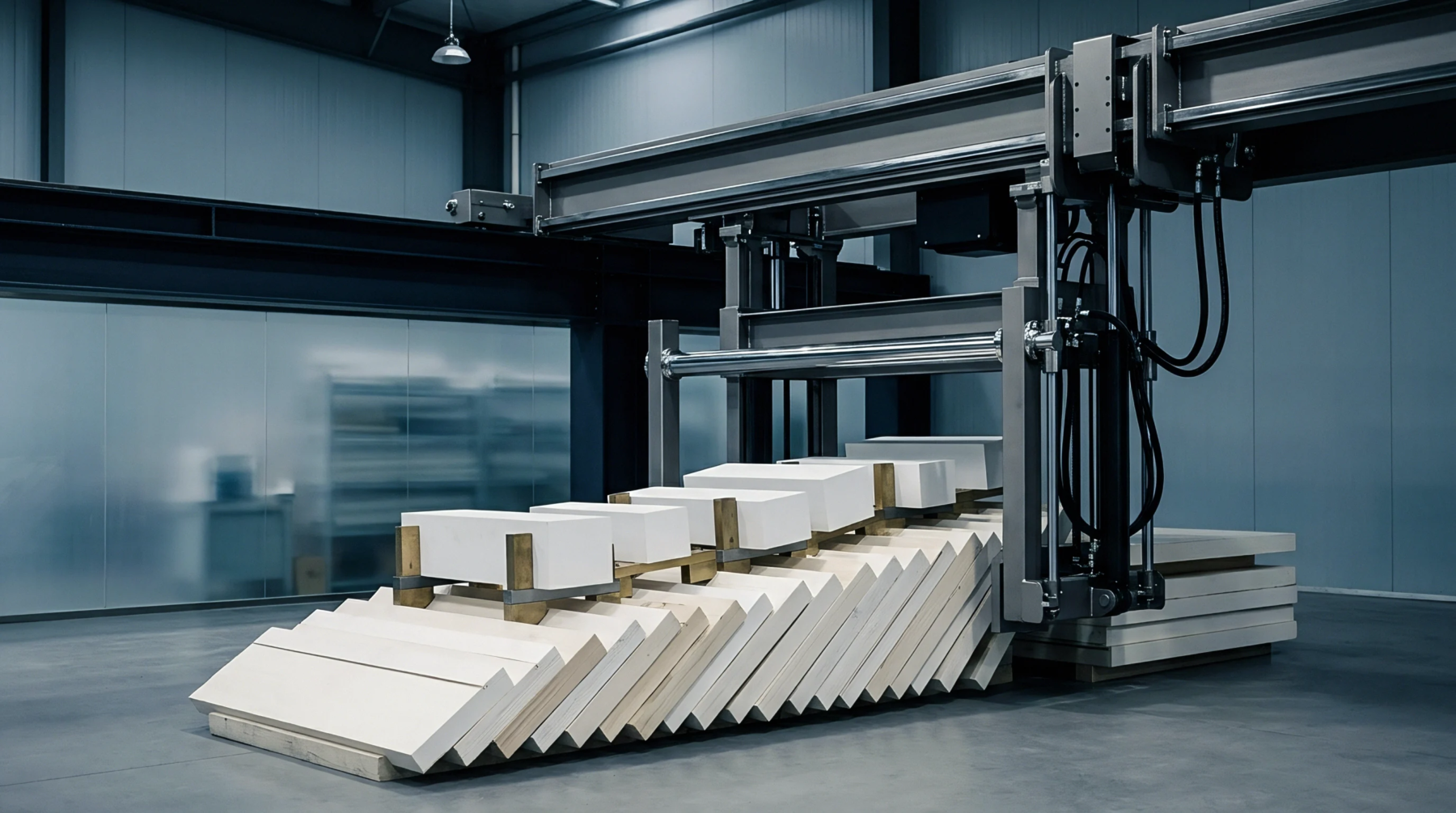
Manufacturing condition where a downstream station stops because the previous process failed to deliver required components. This line starvation leads to idle labor and decreased throughput in a factory environment. It indicates a failure in the synchronization of the production flow.
Causal Mechanism
Breakdowns in upstream machinery or delays in material handling usually trigger the halt. When line starvation occurs, the total cycle time for the product increases and the efficiency of the entire plant drops. Operations managers monitor the frequency of these events to adjust the buffer sizes between stations.
Legal Consequence
Contractual agreements between lead firms and subcontractors often include penalties for excessive downtime. Excessive line starvation may be cited as a breach of the operational efficiency guarantees in a supply contract. Evidence of such failures supports claims for cost reductions due to wasted overhead, and legal teams use production logs to calculate the exact financial impact of the delay.
The inability to maintain a continuous flow is often treated as a failure of management supervision under local industrial standards.
Resolution Protocol
Rebalancing the production line involves redistributing tasks among workers to ensure a steady material flow. Short-term fixes include moving cross-trained staff to the bottleneck area to restore supply. Successful rebalancing ensures that the throughput matches the target cycle time.