Meaning
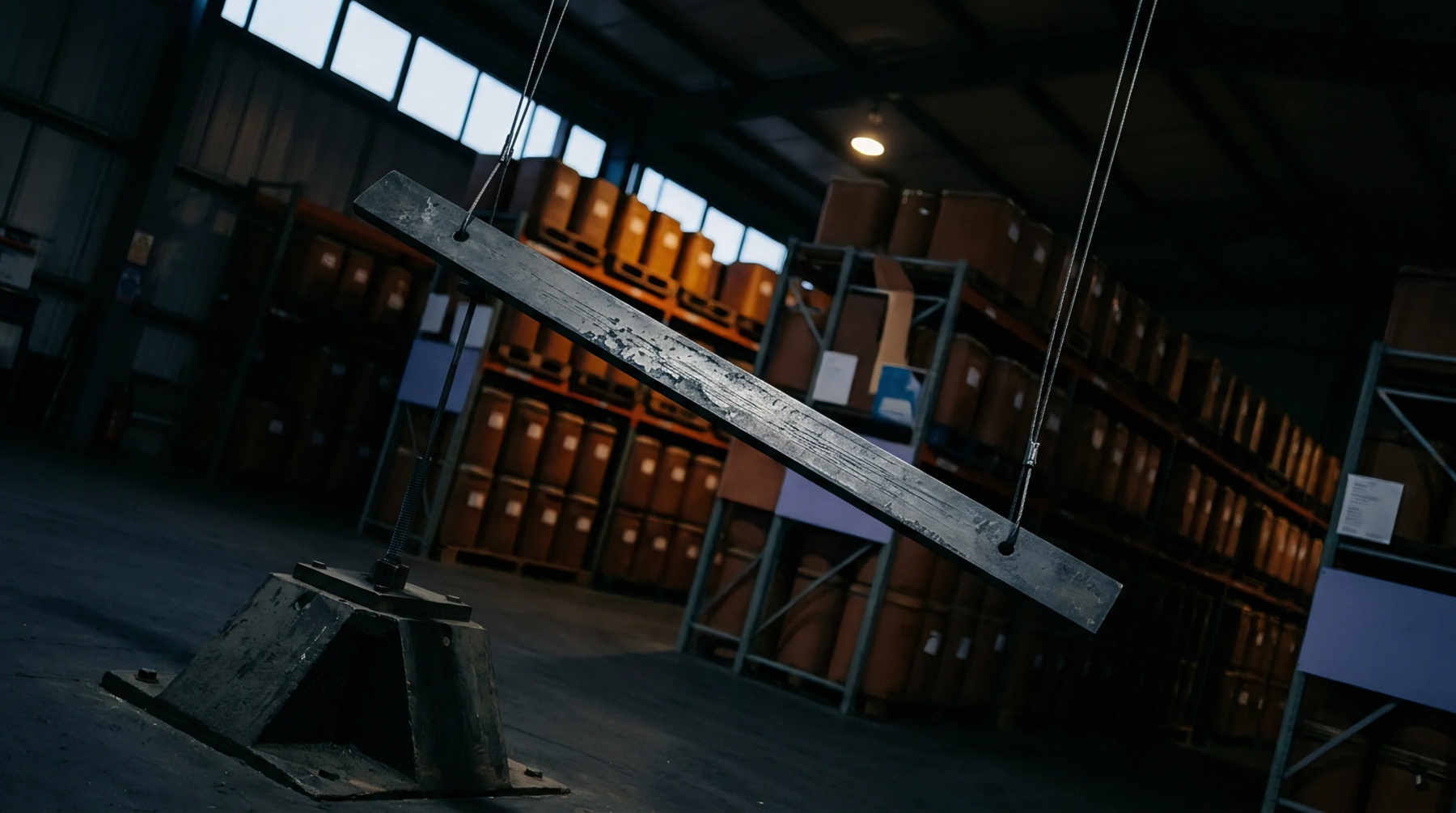
Engineering procedures that apply physical forces until a component fails provide the primary data for determining the safety margins of manufactured goods. Destructive testing is essential for validating the structural integrity of welds and cast metals used in high-pressure environments. Because the sample is consumed during the evaluation, this process is performed on a statistically representative subset of a production lot.
Analytical Technique
Implementation of the test involves the use of specialized equipment such as hydraulic presses or impact hammers to reach the point of rupture. While the sample undergoes deformation, the destructive testing apparatus records the exact load at which the molecular structure of the material gives way. This recorded data is then plotted on a stress-strain curve to identify the yield point and the ultimate tensile strength.
The destructive testing process also allows for the examination of the internal grain structure at the fracture site.
Quality Standard
Verification of batch consistency requires that the results of these tests fall within a predetermined range defined by the technical specification. If a sample fails below the minimum threshold, destructive testing provides the evidence needed to quarantine the entire production run. Engineers use these findings to adjust the manufacturing process or change the material grade.
Financial Impact
Resource allocation for this type of inspection must account for the total loss of the tested parts. Destructive testing is often the most expensive part of a quality control plan due to the high value of the finished components destroyed during the verification. Despite the cost, it remains the only way to confirm the ultimate tensile strength of a part.