Customs Recordation Essentials for Chinese Export Cargo Clearance
Recording CNIPA trademarks with GACC and maintaining exact exporter credit codes prevents automated export container detentions at Chinese ports.


Dock
Export containers passing through major Chinese ports encounter a two-track regulatory filter. Declarations submitted at ports such as Ningbo-Zhoushan, Shenzhen, Shanghai, and Qingdao are processed through automated risk profiling before loading manifests receive gate clearance. Under the Customs Law of the People’s Republic of China, officers inspect outbound freight for export compliance, tax declarations, and intellectual property violations.
Automated systems cross-reference shipping manifests against a central trademark and patent registry. When a manifest lists product descriptions, brand text, or classification codes matching a registered entry, the shipment is flagged for physical yard inspection. Pairing an unlisted exporter code with an active registered brand will halt the container at the terminal gate.
Customs officers audit export manifests continuously, and any mismatched record halts clearance immediately. Foreign buyers frequently assume that trademark registrations in Europe, North America, or Australia protect their manufacturing operations inside China. Chinese territorial law provides no such protection.
Administrative enforcement at the border relies entirely on domestic registrations issued by the National Intellectual Property Administration (CNIPA). Foreign registrations carry no weight with port customs officials. Without an underlying domestic trademark registered with CNIPA and recorded with the General Administration of Customs of China (GACC), outbound cargo bearing identical or similar marks is subject to ex-officio seizure at the berth.

Export Manifest Audits and Port Inspection Engines
Outbound freight data moves directly from shipping agents into port customs databases, where screening algorithms evaluate every bill of lading against declared commodity codes and registered intellectual property files. Any mismatch between the registered mark holder and the shipping party triggers an automatic red-route inspection. Officers open the flagged container to verify packaging, physical product branding, labels, and manuals against recorded filings.
If the cargo carries marks registered in China without an active electronic export authorization on file, customs issues a formal detention notice. Terminal operators transfer the container to an administrative impound yard, where daily handling and storage charges accrue to the shipper of record.
Processing outbound export manifests through Chinese port terminals follows a strict statutory sequence.
- The local freight forwarder submits the electronic export declaration ~ including commodity codes, exporter Unified Social Credit Code, and declared brand designations ~ to the port customs portal.
- The GACC automated risk engine cross-references declared brand designations against active entries in the national intellectual property recordation database.
- Unmatched declarations containing recorded brand names trigger an automated inspection flag, sending the container from the loading queue to the physical inspection yard.
- Customs officers open the flagged container, document how the mark is applied, record batch markings, and issue an official Notice of Detention of Infringing Goods to the declared exporter.
- Customs notifies the domestic recordation holder within three working days, sending container details, exporter identification, total cargo volume, and photographs of the goods.
- The recordation holder submits a formal request for detention along with the required financial security within three working days of receiving the official notice.
- Customs executes a formal administrative seizure order or releases the container back into the clearance queue depending on the recordation holder’s response.

Statutory Framework of Ex-Officio Enforcement
Chinese customs regulations establish two distinct channels for interdicting export cargo at the port. Ex-officio protection, set out in Chapter 3 of the Regulations of the People’s Republic of China on Customs Protection of Intellectual Property Rights, functions proactively: customs officers identify suspect cargo during routine manifest screening, hold clearance on their own authority, and alert the recorded rights owner. Application-based protection under Chapter 2 is entirely reactive, requiring the rights holder to discover an outbound shipment independently, obtain the vessel or container identifier, and petition customs for an emergency interdiction.
Unregistered foreign brand names remain exposed to ex-officio seizure regardless of original manufacturing ownership.
Proactive ex-officio action occurs only if the mark or patent has been formally recorded in the GACC database. Without an active GACC recordation, inspectors lack statutory authority to flag or detain shipments during routine export processing. When an unregistered overseas brand runs into an export hold initiated by a domestic trademark squatter, customs officers enforce the rights of the domestic record holder shown in the database.
The cargo remains locked at the berth while demurrage mounts. Buyers who neglect CNIPA registration and GACC recordation surrender operational control of their export channels to local competitors or squatters who filed first.
Relying on an established contract factory provides no shield against customs detentions if export paperwork contains unrecorded brand assets. Moving branded cargo through Chinese ports without domestic CNIPA registrations and completed GACC filings repeatedly leads to container holds, accrued terminal fees, and administrative forfeiture.


Registry
Recordation with GACC functions as an administrative enforcement tier pegged directly to underlying CNIPA title. A GACC application requires an authentic Chinese trademark registration certificate, patent grant document, or copyright registration certificate issued by the relevant domestic authorities. Foreign registrations, Madrid System international filings lacking completed Chinese territorial extensions, and pending CNIPA applications fail the statutory requirements.
The GACC filing system confirms the applicant’s domestic legal status before opening an account. Foreign corporations must operate a registered Chinese branch or designate an authorized domestic agent to lodge the filing.
Brand owners evaluate recordation dossiers before commercial volumes start moving through Chinese ports. System recordations remain valid for up to ten years, matching the term of the underlying CNIPA mark. When the trademark is renewed at CNIPA, the owner must submit an extension filing to GACC within three months of renewal approval.
Under current GACC policy, the customs agency charges no official administrative application fees. Direct out-of-pocket costs are limited to document notarization, corporate power of attorney legalization, and local legal representation.

CNIPA Title Alignment and Class Coverage
Customs enforcement extends strictly to the specific trademark classes and approved goods designated on the CNIPA certificate. Holding a Class 9 registration for electronic parts gives port officers no legal basis to halt an export shipment of carrying cases under Class 18 or lighting equipment under Class 11, even when the applied logo is identical. Protecting an export pipeline requires matching every finished unit, accessory, packaging element, and point-of-sale display against the International Classification of Goods and Services.
Any variance between manufactured goods and registered sub-classes leaves a gap in customs authority at the border.
A recordation valid for ten years costs zero official filing fees under current GACC policy, provided the underlying CNIPA mark remains active.
Design patents and utility models are also eligible for GACC recordation, protecting physical dimensions and component structures alongside brand marks. Enforcing patent rights at the border demands extensive technical documentation at the time of submission. Rights holders must provide clear mechanical drawings, authentic product photographs, and distinct visual features that customs agents can readily check during container inspections.
A recorded patent allows inspectors to intercept unbranded copies before the vessel leaves the berth.

System Submissions and Verification Workflows
Submitting an electronic recordation requires verified business licenses, certified copies of CNIPA certificates, high-resolution graphic files of the mark, and photographs of authentic merchandise. The GACC review office processes applications within thirty working days. Upon approval, the asset enters the central customs database, where it is instantly visible to inspection details across every port district in China.
The profile contains core clearance data: authorized graphics, product classifications, approved production facilities, permitted exporters, and identified infringing entities.
| Operating Parameter | Ex-Officio Protection (Chapter 3) | Application-Based Protection (Chapter 2) |
|---|---|---|
| GACC Recordation Requirement | Mandatory active system recordation | Not required prior to application |
| Interdiction Mechanism | Proactive customs manifest screening | Reactive petition for specific shipment |
| Statutory Response Window | 3 working days from customs notice | Immediate application with full details |
| Financial Bond Requirement | Tiered deposit capped at RMB 100,000 | Full 100 percent equivalent cargo value |
| Customs Investigation Scope | 30 working days statutory investigation | Customs does not investigate infringement |
| Demurrage Risk Exposure | Shared statutory investigation window | High liability for wrongful detention |
Recordations require continuous operational updates to reflect changes in the supply chain. Corporate name changes, logo modifications, or title assignments require prompt amendment filings in the GACC portal. An outdated recordation creates discrepancies with shipping paperwork, leaving port officers unable to execute detention orders when containers are flagged.
Export holds formally attributed to routine security inspections often mask underlying trademark detentions.


Authorization
Configuring export permissions inside the GACC portal is a primary administrative task for brands manufacturing in China. The portal contains a dedicated authorization module where title holders manage lists of approved exporters, factories, and trading firms. Every manufacturing partner shipping genuine cargo must be entered using its legal registered Chinese corporate name and 18-digit Unified Social Credit Code.
When a forwarder lodges an export manifest, customs servers check the declared exporter code against the active white-list. A valid match clears the shipment automatically, allowing the freight to move to the loading berth.
Brand owners configure exporter white-lists using exact corporate details drawn from official Chinese business licenses. Port hold-ups frequently stem from buyers entering English commercial names or abbreviations instead of the registered domestic corporate title. Furthermore, if a licensed manufacturer ships cargo through an outside trading house or logistics agent, that intermediary must hold an independent white-list entry.
A manufacturing authorization does not extend to an unlisted intermediary.

Managing Exporter White-Lists and Credit Codes
Authorizations can be restricted by expiration date, shipment volume, or designated port districts, giving rights holders granular control over their manufacturing base. When an OEM contract concludes, the brand owner logs into the system to cancel the supplier’s export authorization. The revocation updates customs databases nationwide within twenty-four hours.
Any later export filing by that supplier under the recorded brand triggers an automatic ex-officio hold, halting unauthorized production before it sails.
Administrative oversights in the portal regularly stall legitimate shipments, generating container delays and mounting yard fees.
- Corporate Name Mismatches occur when the white-list entry uses an English trading name instead of the official domestic Chinese character registration name.
- Secondary Exporter Omissions develop when contract factories utilize third-party export agencies whose credit codes do not appear on the active GACC white-list.
- Expired Permission Windows arise when fixed-term administrative authorizations elapse without timely renewal entries inside the GACC portal.
- Sub-Class Omissions emerge when authorized product scope listings fail to cover newly added product lines or derivative brand collections.
- Consolidated Shipment Flagging occurs when authorized branded items share a shipping container with unlisted, third-party unbranded products.

Contractual OEM Clearance Allocations
Addressing export compliance in OEM arrangements requires translating domestic court doctrine into commercial contracts. The Supreme People’s Court of China has evaluated pure OEM manufacturing across cases including PRETUL, DONGTIAN, and HONDA KING. These decisions established that strictly export-oriented manufacturing ~ where goods bearing foreign marks are shipped directly overseas without domestic retail distribution ~ does not constitute trademark infringement under defined conditions.
Customs authorities, however, enforce administrative border protections irrespective of judicial non-infringement defenses.
Contractual white-listing clauses that omit specific GACC registration numbers leave clearance operational authority entirely in the local exporter’s hands.
Customs officials execute border detentions according to active administrative recordations, not courtroom defenses. While a manufacturer might ultimately prove non-infringement after eighteen months in court, customs agents hold the cargo at the berth today based on a database match. Supply agreements must explicitly require Chinese suppliers to comply with GACC white-listing rules and confirm clearance status before trucking goods to the container yard.
To enforce this standard, supply agreements should include explicit compliance covenants. The following standard contract clause establishes direct operational liability for customs authorization management:
“The Manufacturer acknowledges that the Owner holds sole legal title to all domestic CNIPA trademark registrations and active GACC customs recordations associated with the Product. The Manufacturer shall export Branded Goods exclusively under the specific Unified Social Credit Code and designated Export Authorization ID entered by the Owner into the GACC Customs Protection System. The Manufacturer shall not utilize third-party export agencies, secondary trading entities, or unlisted freight forwarders without securing the Owner’s prior written administrative approval and confirmed GACC portal white-list updating minimum ten (10) business days prior to port declaration.
Any container interdiction, port detention fee, container demurrage charge, or customs storage liability resulting from the Manufacturer’s failure to utilize approved credit codes shall be borne entirely by the Manufacturer and deducted directly from outstanding manufacturing invoices.”


Interception
An export detention initiates an immediate statutory timeline under PRC customs rules. When port officers flag cargo that corresponds to an active GACC recordation, they issue a formal Notice of Detention of Infringing Goods to the exporter of record and notify the recorded rights holder in writing. This communication provides the shipper’s identity, declared destination, stated cargo value, and unit counts, accompanied by inspection photographs from the yard.
The mark holder has three working days from notification to either petition for formal administrative detention or issue a written release.
If the rights holder does not request detention and deposit the required financial security within that three-day window, customs releases the freight for loading. This brief response period requires pre-arranged internal review procedures. Rights holders must quickly distinguish between legitimate production, parallel grey-market exports, and outright counterfeiting before the statutory deadline passes.

What Happens When Customs Holds Valid Cargo?
Holding genuine merchandise because of an administrative mismatch damages supplier ties and runs up demurrage. When an approved vendor is stopped because of a clerical error or an unlisted credit code, the rights owner must intervene without delay. The recorded entity files an emergency notice with the port customs bureau confirming cargo legitimacy and enters the missing credit code into the portal.
Once customs processes the submission, officers sign off on a release order and return the freight to the loading sequence.
Container free-time at Chinese marine terminals generally lasts between three and seven days. Administrative detentions easily exceed this period, resulting in daily storage charges, container moves, and shipping line demurrage. OEM supply agreements should define financial responsibility for port delays so that clerical errors by a supplier’s logistics team are not absorbed by the buyer.

Statutory Response Windows and Border Notices
If the intercepted cargo turns out to be counterfeit or unauthorized production from an ex-supplier, the mark holder must act within three working days to initiate administrative seizure. The company files an Application for Customs Protection of Intellectual Property Rights with the port authority, requesting an official Chapter 3 investigation and formal impoundment.
Once customs accepts the application and confirms receipt of the cash bond, the formal investigation begins. Regulations give customs thirty working days from the detention date to audit shipping manifests, inspect manufacturing documentation, and rule on infringement. The freight stays secured in a port storage yard during the inquiry.
If officers find the cargo to be infringing, customs issues a confiscation order, levies an administrative fine on the exporter, and schedules the merchandise for destruction or mark removal.
Rights holders evaluate detention notices using a structured operational checklist to choose the correct legal path under strict statutory time limits.
- Verification of Exporter Identity requires cross-referencing the declared exporter’s Unified Social Credit Code against master manufacturing supply lists.
- Physical Product Examination involves auditing detailed container inspection photographs for missing security holograms, incorrect batch numbers, or sub-standard packaging.
- Destination Manifest Review requires checking declared port destinations against global distribution contracts to identify unauthorized parallel exports.
- Financial Bond Evaluation involves calculating required cash collateral deposits against potential demurrage liability if cargo legal status remains contested.
- Legal Action Determination requires deciding whether to pursue administrative customs confiscation or initiate civil litigation in domestic courts.
Whether customs authorities will maintain container seizures when an exporter presents a credible OEM defense under recent Supreme People’s Court guidance remains an open practical question.


Collateral
Executing an administrative detention under GACC ex-officio rules requires depositing collateral with the port customs authority. This financial guarantee protects shippers against losses resulting from improper detentions. Under Chapter 3 procedures, the bond amount is pegged to the declared shipment value.
Funds must be wired into a designated GACC escrow account within three working days of receiving the detention notice.
Statutory bond requirements under ex-officio rules follow a graduated schedule: cargo valued under RMB 20,000 requires collateral equal to 100 percent of value; shipments valued between RMB 20,000 and RMB 200,000 require 50 percent (subject to a RMB 20,000 floor); and shipments exceeding RMB 200,000 require a flat deposit capped at RMB 100,000. Under Chapter 2 application-based detentions, by contrast, the petitioner must deposit 100 percent of total cargo value with no statutory limit.

Cash Bond Calculations and Deposit Timelines
Total financial liability extends beyond the cash bond to include yard storage, container demurrage, and terminal handling charges. When customs impounds a 40-foot high-cube container, daily fees multiply rapidly. Terminal charges typically step up once free-time lapses, climbing from roughly RMB 300 per day during the initial week to more than RMB 1,200 per day by week three.
A standard 30-day customs audit can run past RMB 30,000 in demurrage and storage per box.
| Declared Cargo Value (RMB) | Ex-Officio Statutory Bond (RMB) | Application-Based Bond (RMB) | Estimated 30-Day Port Demurrage (RMB) | Total Peak Exposure (RMB) |
|---|---|---|---|---|
| RMB 50,000 | RMB 25,000 | RMB 50,000 | RMB 28,000 | RMB 53,000 (Ex-Officio) |
| RMB 150,000 | RMB 75,000 | RMB 150,000 | RMB 28,000 | RMB 103,000 (Ex-Officio) |
| RMB 500,000 | RMB 100,000 (Statutory Cap) | RMB 500,000 | RMB 28,000 | RMB 128,000 (Ex-Officio) |
| RMB 2,000,000 | RMB 100,000 (Statutory Cap) | RMB 2,000,000 | RMB 28,000 | RMB 128,000 (Ex-Officio) |
The cash bond remains in customs escrow throughout the administrative investigation. When customs issues a formal finding of infringement, the deposit is refunded in full, less any associated disposal or unpaid terminal storage charges. If inspectors cannot reach an infringement determination within thirty working days, or if the parties enter civil litigation, the funds remain frozen until the dispute resolves.

Demurrage Accrual and Storage Liabilities
Improper detentions expose rights owners to civil damages under Chinese law. If an exporter establishes that detained goods are non-infringing or demonstrates that the hold was requested without legal basis, it may pursue recovery for demurrage, canceled shipping slots, handling fees, and business interruption directly against the cash collateral. Auditing trademark validity and product classifications prior to lodging detention requests mitigates liability for counterparty damages.
Ex-officio recordation limits liquid capital risk during border detentions.
Managing border enforcement costs is considerably more predictable within an ex-officio framework. Maintaining an active GACC recordation keeps statutory bond amounts capped, preserving working capital that would otherwise be tied up under application-based detentions.
Proactive recordation preserves cash efficiency during active enforcement.


Release
Coordinating container releases, updating customs records, and shifting suppliers require synchronized administrative management. When changing Chinese manufacturing partners, overseas brand owners must align GACC portal adjustments with physical logistics schedules. Terminating an outgoing supplier’s GACC export authorization should match the formal contract end date, blocking unauthorized overruns while allowing legitimate remaining shipments to clear port controls.
Customs enforcement actions follow defined regulatory schedules. If an unseated supplier attempts to export branded freight after its access is removed, customs systems flag the shipment automatically. The rights holder receives a notification, lodges the required cash collateral, and petitions for formal administrative seizure.
Customs inspects the cargo, confirms the lack of an export license, issues an administrative penalty, and impounds the goods for disposal.
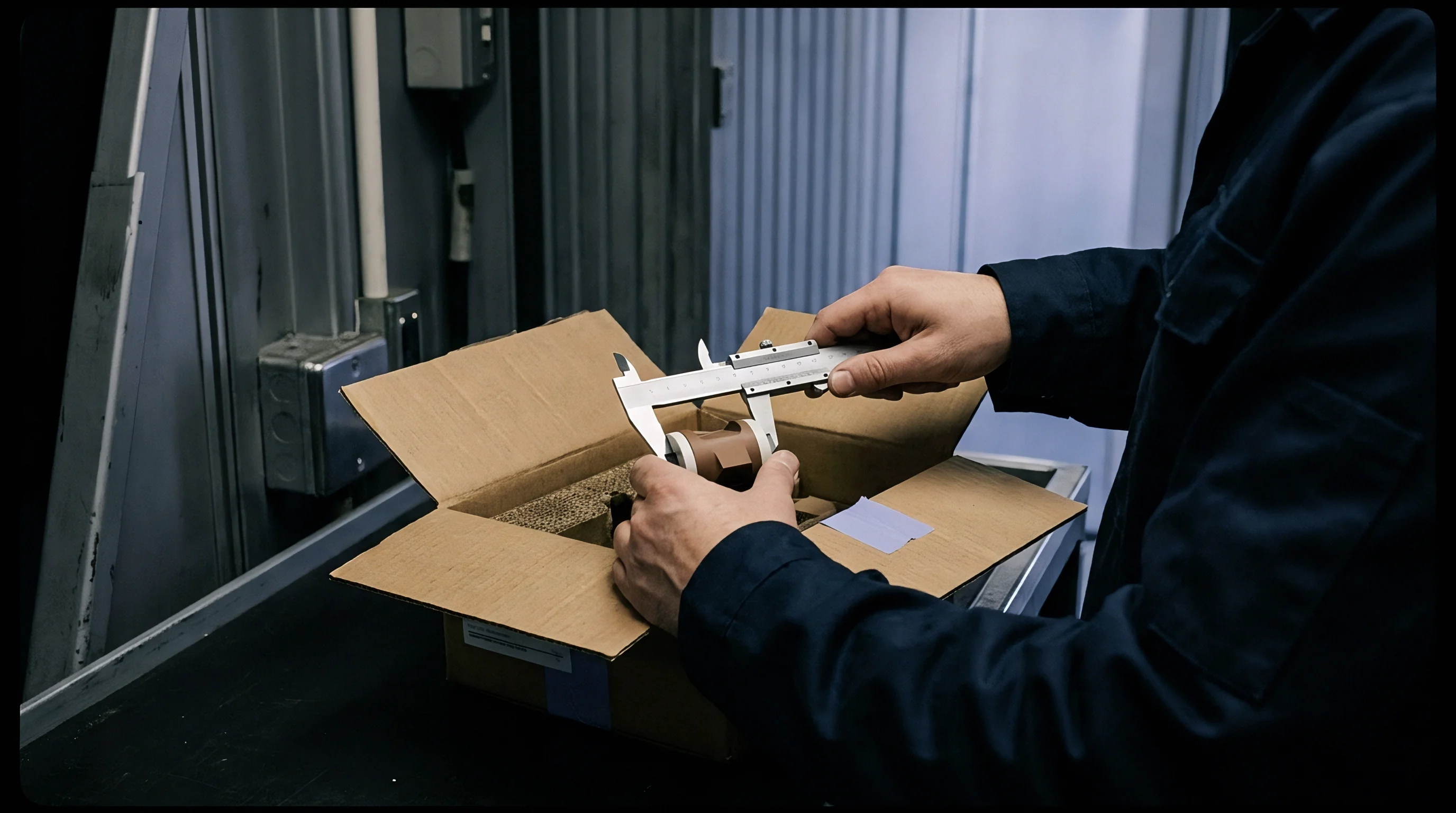
Administrative Detaches and Supplier Transitions
Shifting production to a replacement supplier requires adding the new factory’s Unified Social Credit Code to the GACC white-list before commercial export runs commence. Compliance teams review clearance documentation during onboarding to ensure freight forwarders lodge export manifests with the exact approved credit code. White-list submissions take under twenty-four hours to activate in the portal, establishing clearance coverage across every domestic port district.
Thorough documentation dictates the speed of cargo releases. If freight is flagged over clerical discrepancies, submitting valid authorization agreements, domestic business registrations, and certified trademark assignment records resolves the interdiction. Customs officers review the underlying filings, issue an official Certificate of Cargo Release, and update the port terminal management system to release the container.

Deregistration Mechanics and Port Exit Plans
Exiting the market or selling brand assets involves formal GACC recordation deregistration. Assigning a CNIPA mark to a purchaser without updating the associated GACC recordation leads to immediate gridlock at port checkpoints. The original registrant controls the export white-list until the modification completes customs review.
Asset transfer contracts should obligate the seller’s representatives to submit parallel GACC assignment or cancellation filings concurrently with closing domestic mark transfers.
Deregistration requires lodging an administrative petition with GACC alongside certified CNIPA transfer approvals, corporate authorizations, and original powers of attorney. GACC processes deregistration filings within fifteen working days, clearing the system so the incoming mark owner can submit an original recordation. Addressing customs recordation updates, white-list management, and border liabilities directly in manufacturing contracts protects product lines across Chinese production networks.