
Dual Agency Audit Harmonization Procedures for Cross Border Related Party Customs Valuations
Cross-border related-party imports require locking transfer pricing unit formulas into contracts prior to export to align customs value and tax audits.
Cross-border related-party imports require locking transfer pricing unit formulas into contracts prior to export to align customs value and tax audits.

Structure joint tax-customs advance rulings in pilot municipal zones to synchronize import valuation with transfer pricing margins for defensible cross-border remittances.

Year-end transfer pricing adjustments in China demand prior customs valuation disclosure under Announcement 2021 No. 52 to prevent tax duty evasion penalties.

Harmonizing China customs valuations and transfer pricing requires proactive joint filings under GACC Announcement 42 to prevent unpaid duty penalties.

Determining encouraged status requires matching GB/T 4754 scope codes with NDRC thresholds before executing capital injections and equipment customs filings.

Neutralize bad-faith Chinese patent assertions blocking manufacturing exits by pairing urgent CNIPA invalidations with Article 19 customs counter-guarantees.
Recording CNIPA trademarks with GACC and maintaining exact exporter credit codes prevents automated export container detentions at Chinese ports.

Optimize Chinese cross-border competent authority procedures by submitting aligned bilateral dossiers within three years to eliminate double tax and surcharges.

Harmonizing China tax adjustments with customs import ledgers requires prospective price changes within quarterly benchmark bands to prevent duty penalties.

Processing trade duty exemptions demand precise yield tracking; transfer pricing true-ups require advance customs pre-disclosure to prevent double taxation.

Customs recordation with GACC combined with strict export whitelisting stops unauthorized Chinese factory exports and secures cross-border manufacturing lines.

Resolving transfer pricing discrepancies in China requires adjusting global residual profit split models to reflect local tax bureau location savings expectations.

Cross-border trade into China without a local entity requires structured agent import or bonded warehouse models to meet mandatory customs and tax rules.

Filing Chinese utility models on proprietary designs before releasing drawings to suppliers prevents bad-faith patent grabs and export blocking.
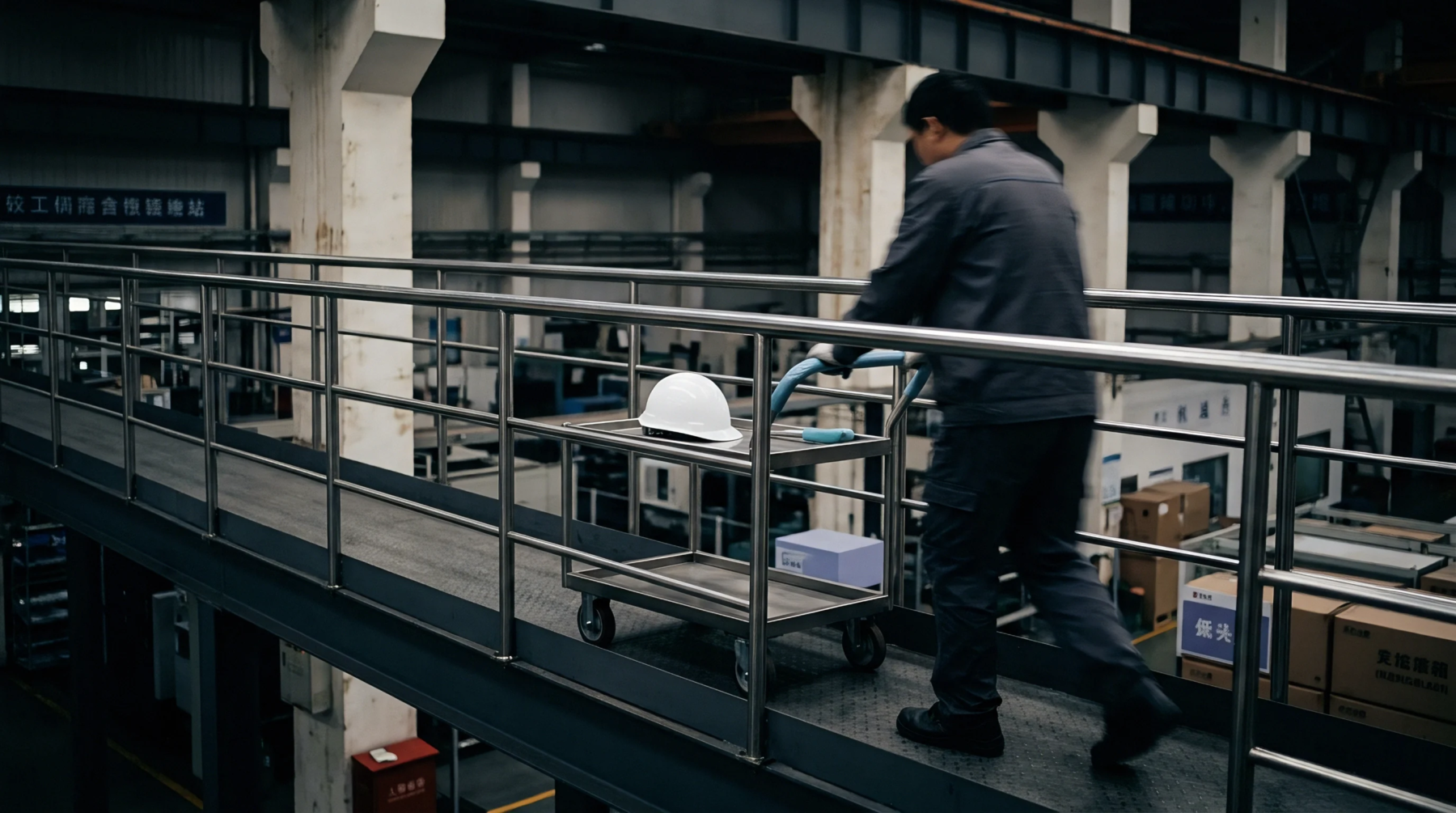
Post 100 percent cash counter-bonds under GACC Article 23 to clear detained exit containers within 20 days while filing CNIPA evaluation reports to invalidate squatted tier-two utility models.

China manufacturing risks are priced through registered sub-class trademarks, tight tooling bailment, explicit defect reserves, and local court enforcement.

Export clearance of resin-lined equipment demands exact raw material composition matching, dual-use ECCN validation, and PRC-governed tooling ownership filings.

Cross-border selling without a China entity works via DDP or agents but stops when local fapiao, restricted licences, or onshore service teams create tax PE.
Expertise is a utility, not a secret. sentiention™ publishes its working knowledge as open reference: intelligence layer covering the materials it sources, the markets it enters, and the reference that serves both.