Meaning
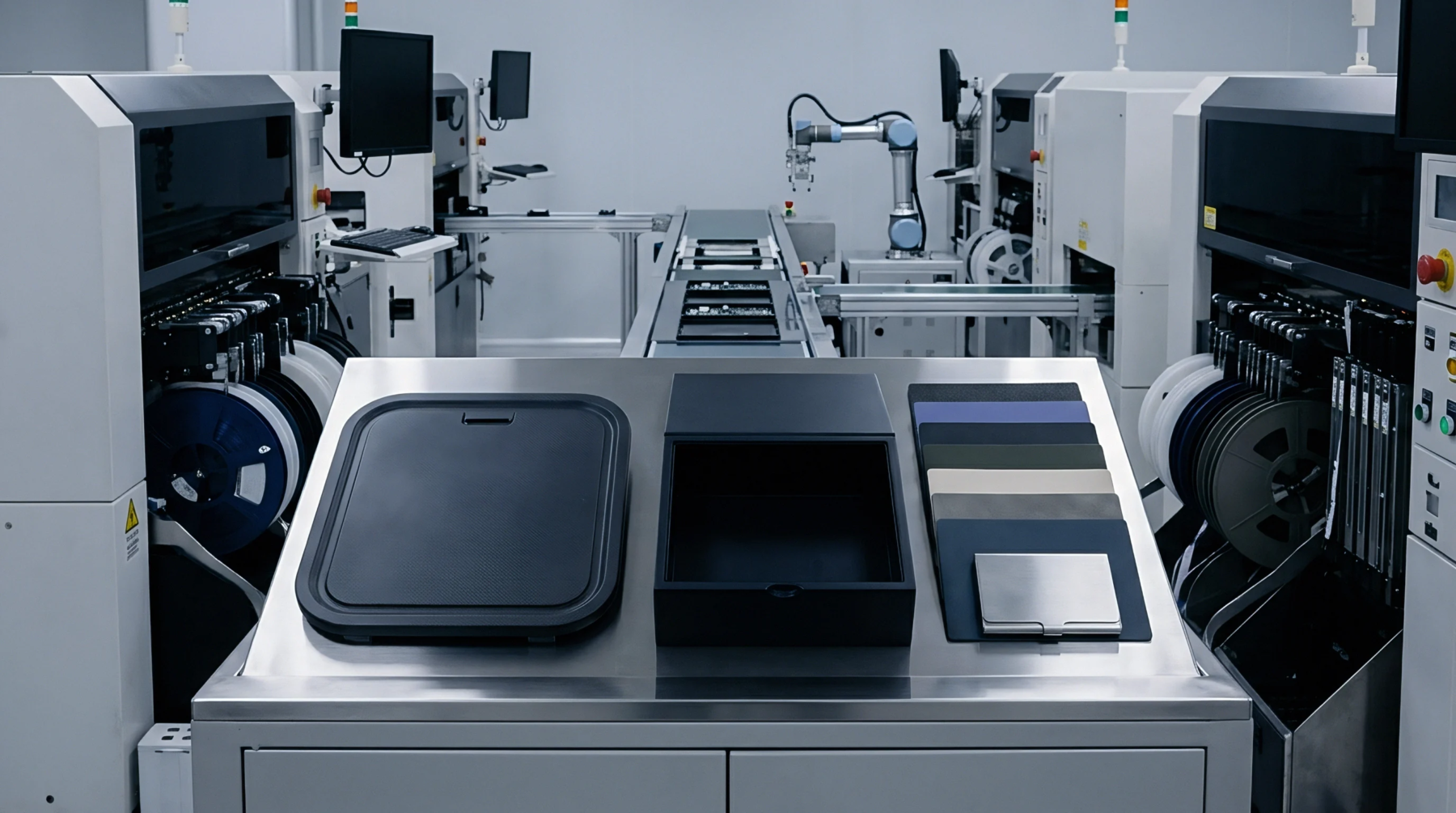
Unintended variations in temperature settings during heat-intensive processes like soldering or curing can compromise the physical integrity and reliability of manufactured components. Thermal profile drift refers to the gradual change in the heating and cooling curves of an industrial oven or furnace over time. This drift is often caused by the aging of heating elements, the accumulation of residues on sensors or changes in the factory’s ambient environment.
In high-precision electronics and metalwork, maintaining a consistent thermal profile is necessary for ensuring the strength and conductivity of the joints. The drift is measured by comparing the actual temperature profile against the ideal curve defined during the process setup. If the drift exceeds the specified tolerances, it can lead to a significant increase in defect rates and a reduction in product lifespan.
Process Variation
Fluctuations in the thermal performance of production equipment are an inherent challenge in large-scale manufacturing operations. Thermal profile drift can be caused by changes in the air flow within the oven or by the varying heat capacity of different production batches. For example, a heavily loaded oven will heat up more slowly than a lightly loaded one, altering the time the products spend at the peak temperature.
These variations can lead to incomplete soldering or the overheating of sensitive components. Monitoring the drift requires the use of specialized data loggers that travel through the oven with the products to record the temperature at multiple points. This data is then analyzed to identify any trends that indicate a need for machine maintenance.
Regular calibration of the oven’s internal sensors is also necessary to ensure that the displayed temperatures are accurate.
Equipment Calibration
Maintaining the accuracy of the heating and cooling systems requires a structured program of testing and adjustment. Thermal profile drift is mitigated through the regular calibration of the oven’s control system against a traceable standard. This process involves checking the performance of the individual heating zones and the accuracy of the thermal sensors.
If a zone is found to be performing outside of its specifications, it must be adjusted or the heating element replaced. The frequency of this calibration depends on the criticality of the process and the stability of the equipment. In many high-tech industries in China, this calibration is a mandatory requirement for quality certification.
Proper documentation of all calibration activities is necessary for maintaining an audit trail and for demonstrating compliance with customer requirements. This technical oversight ensures that the equipment remains capable of delivering consistent results.
Quality Risk
Substandard thermal processing leads to a variety of physical defects that can significantly impact the performance of the final product. Thermal profile drift increases the risk of cold solder joints, which have poor mechanical strength and high electrical resistance. It can also lead to the excessive growth of intermetallic compounds, making the joints brittle and prone to failure under vibration or thermal cycling.
In plastic molding or curing processes, the drift can result in uneven hardening or the formation of internal stresses that cause the parts to warp. These quality issues are often difficult to detect during a visual inspection and may only be revealed through destructive testing or field failures. The financial impact of these failures can be severe, including high warranty costs and damage to the brand reputation.
To manage this risk, factories use statistical process control to track the thermal profile and to take corrective action before the drift leads to defects. Successful thermal management is a cornerstone of high-quality manufacturing.