Time Zone Lag and the Twelve Hours a Defect Runs
Unmonitored night shifts convert minor process drift into massive scrap runs across the twelve hour time zone gap before overseas teams receive daily yield reports.


Latency
Factories across southern China run around the clock to maximize tooling utilization and lower operational costs. But while production never stops, engineering authority does. A structural gap built into cross-border manufacturing management means overseas engineering teams in Europe or North America are asleep while plants in Guangdong and Zhejiang run their night shifts.
When a North American product team logs off at 17:00 Pacific Standard Time, it is already 09:00 CST the next morning in Shenzhen. The real risk opens up when the Western team sleeps between 22:00 PST and 06:00 PST ~ 13:00 CST to 21:00 CST ~ and stretches through the Chinese night shift from 20:00 CST to 08:00 CST the next morning. For twelve hours, assembly lines run at full speed with almost no senior technical oversight.
Incentives on the night shift are completely different from those during the day. Plant directors, chief quality managers, and senior process engineers work normal day shifts from 08:00 to 17:30 CST. The night shift belongs to junior supervisors and floor technicians whose bonuses hinge almost entirely on volume.
When an automated optical inspection station or a physical dimensional check flags a minor process drift at 21:30 CST, the supervisor faces a quick choice between quality containment and line-stop penalties. Stopping a line that produces 1,200 units an hour kills the shift’s target. Bypassing the alarm, tweaking a sensor threshold, or dumping rejected parts into unrecorded floor totes keeps the line moving.
Over twelve unmonitored hours, that small deviation turns into a massive non-conforming batch before senior engineers walk in for the morning review.

The Overnight Hours on the Factory Floor
Production lines run at top speed through the night shift. On high-throughput lines, minor technical glitches turn into huge scrap events in a matter of hours. On an automated surface mount line, a clogged pick-and-place nozzle or worn solder paste printer blade misaligns hundreds of printed circuit board assemblies every fifteen minutes.
In precision injection molding, a blocked cooling channel or failed heater bank throws off temperatures across multi-cavity tools. The mold keeps cycling every twenty-two seconds, churning out warped frames or sink marks all night long.
Factory floors frequently operate night-shift machinery without dedicated engineering coverage. The shift moves fast, and operators clear alarms quickly. When automated test stations flag rising failure rates overnight, workers routinely adjust station limits or flip test benches to manual override.
Parts keep moving down to packaging, hiding the root-cause failures underneath. Without real-time monitoring from the overseas client, an information vacuum opens up precisely when process stability is at its lowest.

Time Compression in High Throughput Production
Automated surface mount lines move thousands of components every hour. Modern high-speed SMT lines place up to 80,000 components per hour across multiple placement heads. At these speeds, process drift doesn’t just produce a few bad boards; it ruins entire component reels and production runs.
A tiny change in paste viscosity on a stencil printer at 23:00 CST affects every fine-pitch quad flat package processed right up to the morning shift changeover.
Consider the math of high-speed throughput over a twelve-hour latency period:
| Manufacturing Process | Line Throughput (Units/Hr) | Defect Onset Time (CST) | First Inspection Opportunity (CST) | Total Units Produced | Non-Conforming Volume |
|---|---|---|---|---|---|
| SMT Electronics Assembly | 1,500 | 21:30 | 08:30 (Next Day) | 16,500 | 13,500 |
| Precision Stamping (Metal Enclosure) | 3,200 | 23:00 | 08:00 (Next Day) | 28,800 | 28,800 |
| Multi-Cavity Injection Molding | 800 | 00:30 | 09:00 (Next Day) | 6,800 | 5,200 |
| CNC Aluminum Machining | 120 | 02:00 | 08:30 (Next Day) | 780 | 780 |
Scrap accumulates quietly. When bad parts flow straight into packaging cartons or staging racks overnight, the losses pile up fast. Overseas clients get daily production summaries compiled at 10:00 CST covering the previous day’s run.
By the time a quality director overseas opens an email showing an overnight yield drop to 82%, the factory is already hours into the next day’s run, piling thousands more units into an unisolated quarantine zone.

How Silent Hours Convert Errors into Scrap
Minor mechanical wear escalates fast when operators bypass warning signals. On automated stamping presses, worn dies gradually push burr heights past drawing tolerances. During the day, QC auditors run hourly optical comparator checks to catch burr growth early.
On night shifts, floor audits drop from hourly checks to once every four hours ~ or stop altogether if staffing is light.
Overnight line supervisors prioritize hourly output tallies over dimensional containment when local leadership is off site.
Thermal dynamics in heavy machinery make overnight errors worse. Cold workshop floors in winter or unconditioned bays in summer see big temperature swings between midnight and 05:00 CST. Spindles in CNC machining centers expand or contract as ambient temperatures drop, throwing off linear tolerances on critical bearing seats.
Without active thermal compensation or careful operator adjustments, every housing machined in those early morning hours comes out with undersized bores. The factory keeps running because the controller detects no physical crash or hardware error, turning high-grade aluminum into scrap for seven hours straight.
Line technicians clearing an alarm often perform a standard reset on the assumption that dimensional variation remains within allowable drawing notes.

Shift
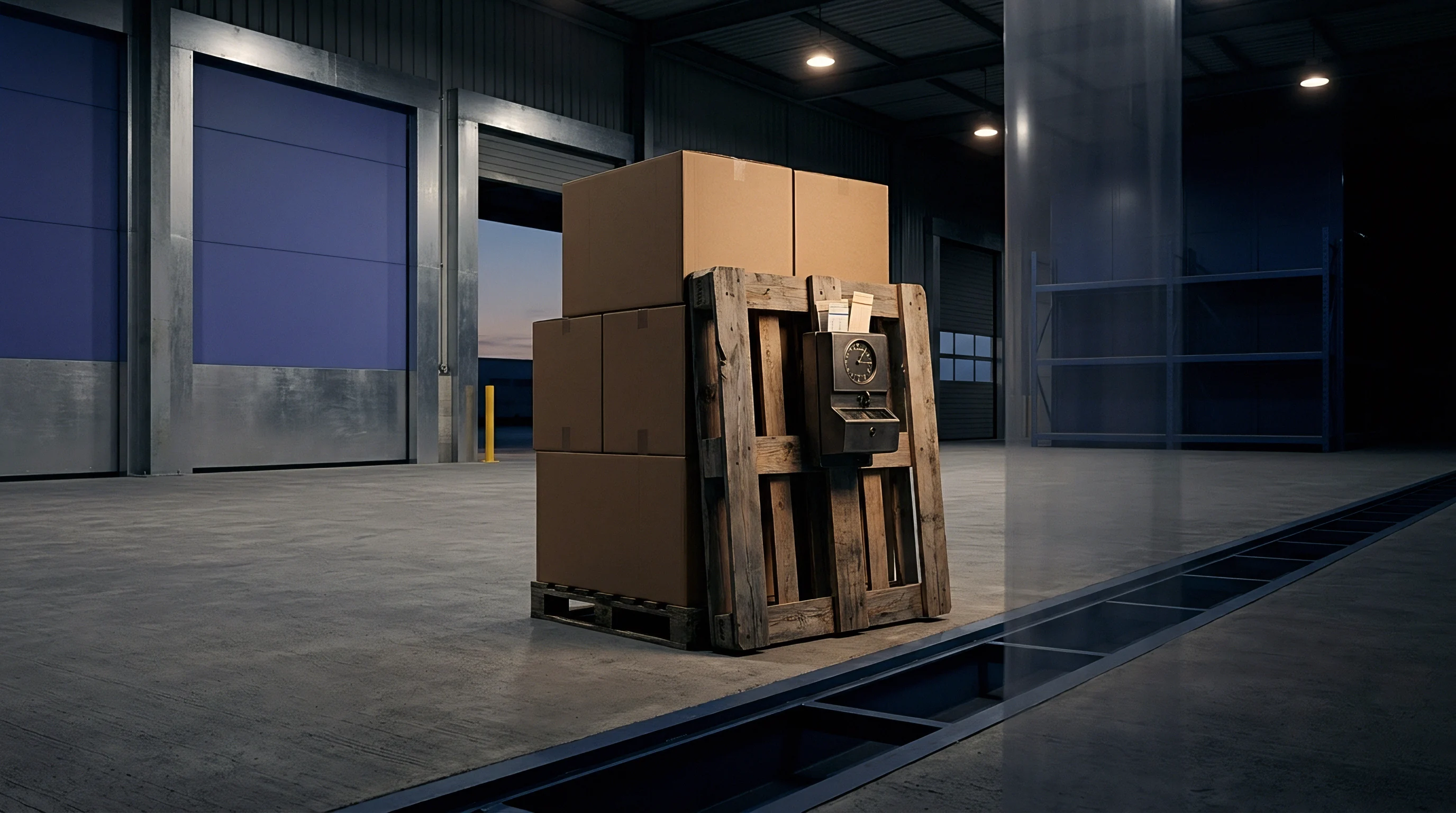
The handover between shifts creates a major blind spot across the assembly floor. In typical Mainland Chinese factories, the day shift runs from 08:00 to 20:00 CST and the night shift from 20:00 to 08:00 CST, with formal handovers between 07:30 and 08:30 CST and 19:30 and 20:30 CST. Morning transition is the single most vulnerable moment for quality governance.
Night operators hand off machinery, tooling, and open work orders to the day team ~ and it is during this window that bad inventory gets hidden, sorted through, or dumped back into standard bins to protect shift metrics.
Day shifts inherit hidden scrap. When night supervisors realize an out-of-spec run was produced between midnight and 04:00 CST, their main goal during the 07:30 handover is keeping recorded scrap numbers off the shift log. Defective parts get moved into temporary staging bays, stashed under workbenches in untagged blue totes, or sent to informal sorting tables.
Reporting the actual scrap on the morning log triggers financial penalties for the night shift on material waste and lost machine capacity. The shift change provides a window to manipulate bad inventory before executive management arrives at 08:30 CST.

The Anatomy of Handover Protocols
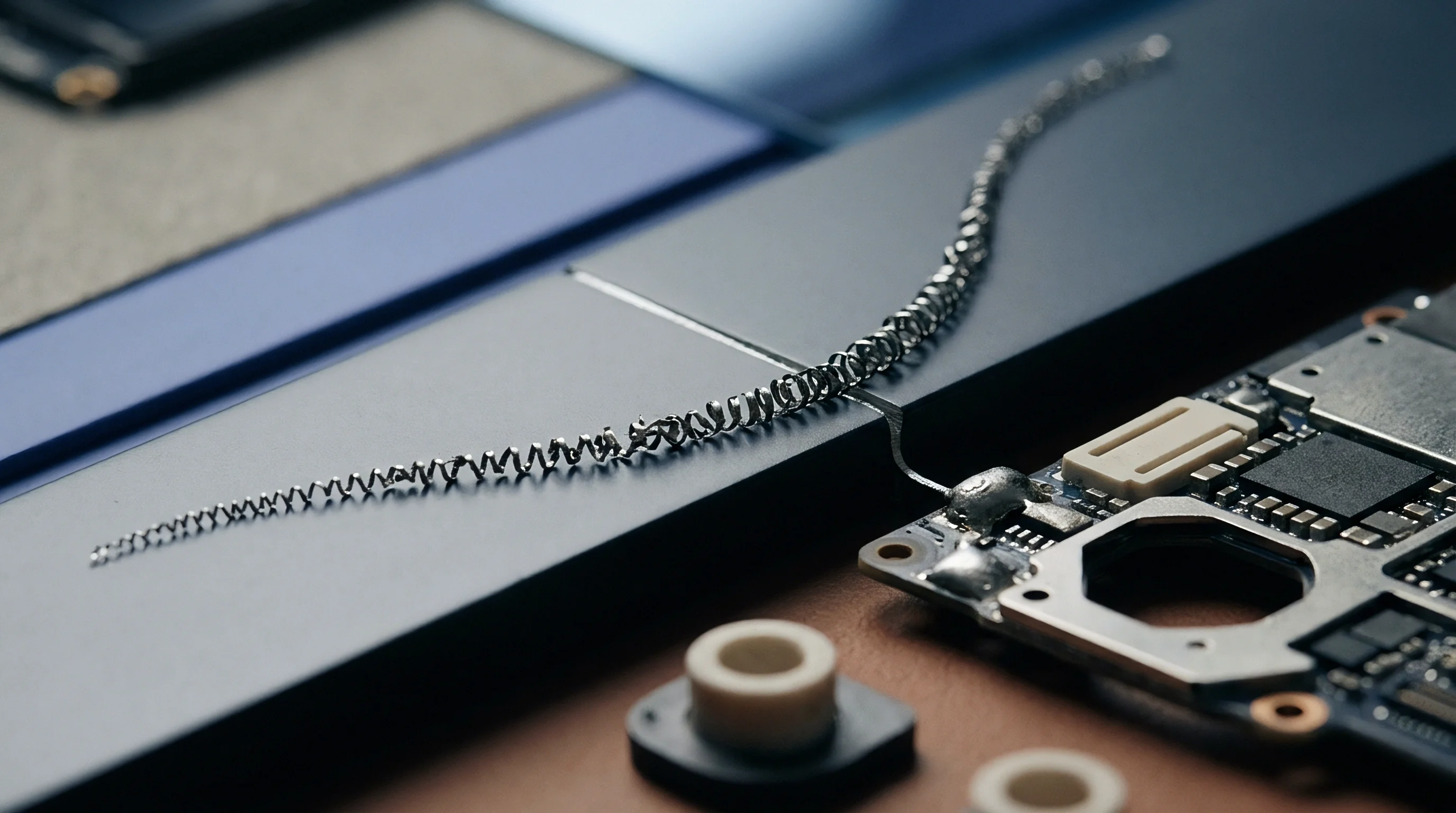
Daybreak in Pearl River Delta industrial parks brings a complete swap of floor staff. Handover huddles on the floor take ten to fifteen minutes, where incoming operators get verbal updates on machine performance, material lot changes, and overnight tooling tweaks. But written logs almost never mention minor process adjustments, temperature overrides, or cleared alarm history from the night shift.
Night shift technicians routinely reset controller offsets back to baseline right before signing off at 07:30 CST. That wipes out the diagnostic telemetry that would show how far the process drifted overnight. When the incoming technician starts up or takes over the line at 08:00 CST, the machine runs on default parameter files, concealing the exact thermal or mechanical tweaks that caused bad parts hours earlier.
Standard machine log reviews won’t show the root cause.
- Scrap segregation delay occurs when night shift material handlers move non-conforming items into general staging bays without applying physical red quarantine tags.
- Parameter reset masking involves outgoing operators restoring machine controller registers to default settings to hide manual offsets applied overnight.
- Manual bin reclassification happens during morning huddles when marginal parts enter acceptable inventory bins to artificially elevate shift yield metrics.
- False log entry creation occurs when shift leaders record machine stoppages as scheduled preventive maintenance rather than quality containment holds.
Morning Sorting Mechanics before External Logins
Quality managers arriving at eight in the morning are under immediate pressure on yield numbers. Between 08:00 CST and 10:00 CST, factory QC departments run informal triage on defective parts accumulated overnight. This two-hour window sits right before daily operational updates go out to overseas buyers or upload to enterprise portals.
Technicians perform quick visual or dimensional checks to reclaim as many rejected parts as they can, putting marginally compliant units back into standard production.
Morning sorting buries process drift. Inspectors working under pressure to hit recovery targets rely on subjective judgment to pass borderline components. Parts with slight sink marks, surface scratches, or marginal solder wetting get approved for assembly to protect shift output.
Overseas engineers looking at morning yield spreadsheets see clean summary figures reflecting post-sorted numbers rather than true first-pass yields. The underlying process remains unstable, even as the daily report shows steady performance.
A silent morning report indicates hidden containment actions on the factory floor rather than stable process execution.
This dynamic creates a secondary issue: latent defect injection. By pushing borderline parts back onto the line to hit morning numbers, the factory feeds components with weak structural integrity or degraded electrical margins into finished goods. These units pass basic functional testing on the floor, only to fail prematurely during thermal cycling, shipping vibration, or customer use weeks later.
Distance masks the problem. The brand owner stays blind to the morning sorting until warranty returns start climbing months down the line.
Section 14.2 of the master manufacturing agreement specifies that non-conforming lots identified during shift transitions transfer full quarantine holding expenses to the supplier upon written notice.


Crater
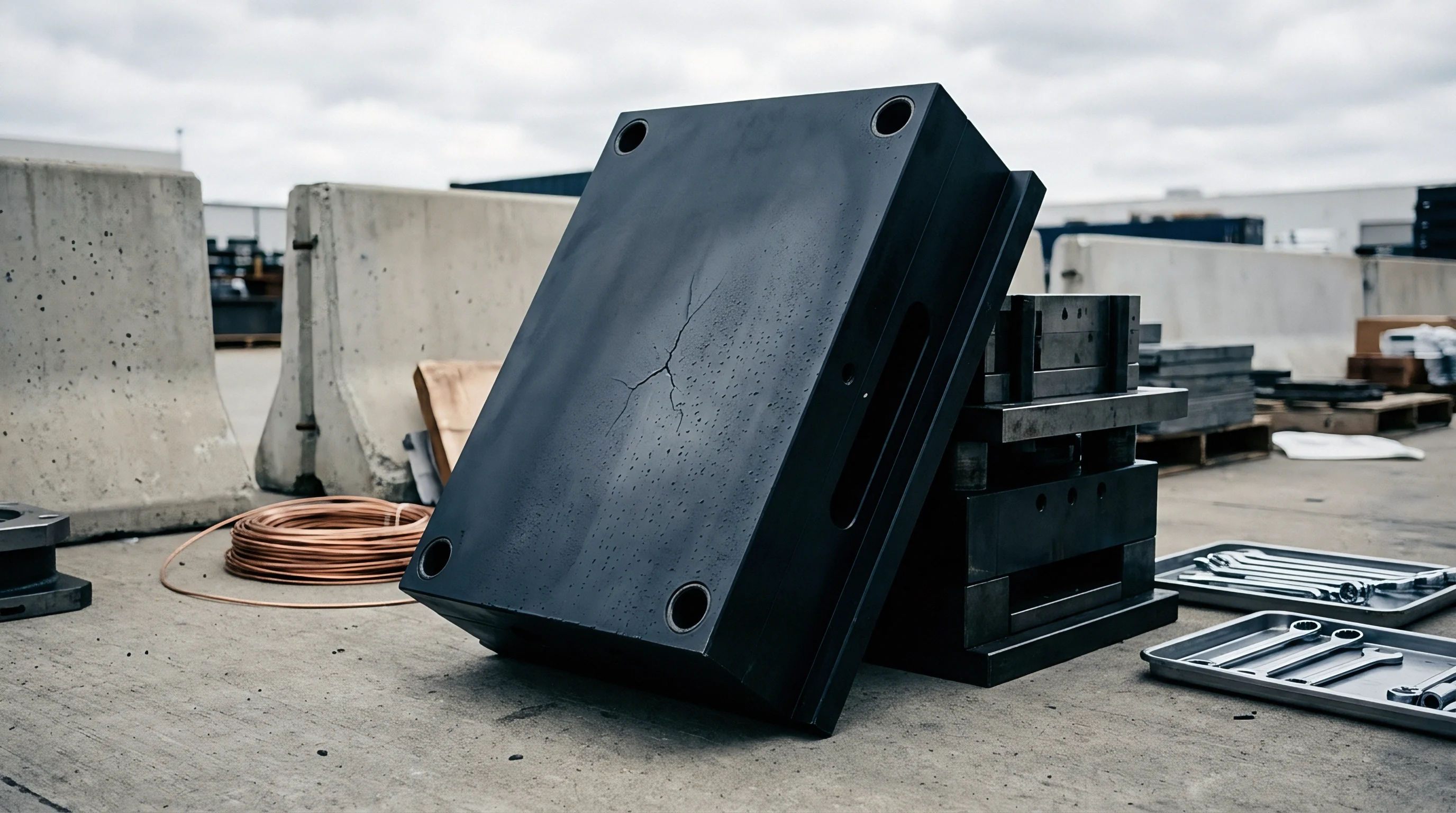
A localized assembly flaw can turn into a massive material loss over twelve hours. To see how time zone latency destroys capital, look at a failure cascade on an automated electronics assembly line. This post-mortem tracks the progressive degradation of a dual-layer power control board inside an ISO 9001 certified facility in Dongguan.
The line runs high-speed stencil printing, surface-mount pick-and-place machinery, ten-zone reflow soldering, and automated optical inspection.
Contract specifications call for lead-free surface-mount assembly under IPC-A-610 Class 2, with component misalignment capped at fifty micrometers and zero un-wetted solder joints on high-current MOSFET terminals. The line targets 1,800 fully populated circuit boards per hour, running continuously through a twelve-hour overnight shift from 18:00 CST to 06:00 CST.
Hour-By-Hour Disintegration of a Circuit Board Assembly Run
The shift starts with normal metrics at six in the evening. At 18:00 CST, the night shift takes over SMT Line 3. Baseline first-pass yield sits at 98.6%.
Material reels, solder paste jars, and cleaning solvents check out against the shop floor traveler. The overseas engineering team in California finishes its morning review calls at 02:00 PST (18:00 CST) and signs off, leaving the floor under local control.
At 20:00 CST (Hour 2), an automatic thermocouple sensor in Zone 4 of the ten-zone reflow oven experiences electrical resistance drift from flux vapor accumulation on sensor wiring. Actual chamber temperature in Zone 4 drops fourteen degrees Celsius below the validated profile, falling from 228°C to 214°C. Solder paste on heavy copper ground pads fails to reach full liquidus duration, and cold solder joints start forming on power distribution MOSFETs. The line keeps running at 1,800 units per hour.
At 22:00 CST (Hour 4), the downstream Automated Optical Inspection machine flags an 8.4% failure rate on Line 3, mostly for insufficient solder fillets on component Q401. Facing an hourly target of 1,800 units, the operator checks three boards visually under low magnification. Seeing intact paste contours, he decides the AOI flags are false calls caused by board warp.
He opens the AOI programming terminal and widens the visual acceptance algorithms for component Q401, cutting vision sensitivity by twenty-five percent. The alarm clears, and speed wins out over precision.
At 00:00 CST (Hour 6), 10,800 boards have passed through the reflow oven. Exactly 3,800 of them carry latent cold solder joints with micro-voiding ratios over thirty-five percent. Stencil printer B runs out of solder paste.
To avoid ten minutes of line downtime, the operator pulls a fresh jar from cold storage but skips the mandatory two-hour warming and planetary mixing protocol. Cold, unmixed paste goes straight onto the stencil. Viscosity drops, causing micro-bridging across 0.5mm pitch IC leads.
At 02:00 CST (Hour 8), Functional Circuit Test benches past the reflow line register a yield drop from 98% down to 62%. Assuming the fixture pogo pins are dirty or damaged, the supervisor halts testing on FCT Station 2 and tells workers to stack failing boards in untagged blue totes under the conveyor, bypassing automated logging entirely. SMT placement machines and reflow ovens keep running at full rated speed.
At 04:00 CST (Hour 10), 18,000 assemblies have come off the line. More than 7,200 units carry severe solder defects or inter-pin shorts. Workshop temperature drops to 14°C as unheated winter air circulates through the ventilation system.
Vision alignment cameras on the pick-and-place head contract slightly, shifting placement accuracy by sixty micrometers along the Y-axis. Small 0402 ceramic capacitors start tombstoning across hundreds of panels.
At 06:00 CST (Hour 12), the night shift finishes. Total output stands at 21,600 assemblies. Leaders write a 97.4% shift yield on official whiteboards by excluding 4,200 defective boards stashed in untagged totes under conveyors and listing another 3,100 failed boards as pending repair.
Shift operators shut down equipment and leave at 07:30 CST. A floor audit during a night review uncovered 8,400 unrecorded defective PCBA units hidden under Line 3 within four hours.
| Shift Hour (CST) | Physical Line Event | AOI / FCT Yield Indicator | Physical Scrap Generated | Latent Defect Exposure | Cumulative Loss (USD) |
|---|---|---|---|---|---|
| 18:00 (Hr 0) | Shift start, normal parameters | 98.6% Pass Rate | 0 Units | 0 Units | $0 |
| 20:00 (Hr 2) | Zone 4 reflow thermal drop (-14°C) | 98.1% Pass Rate | 120 Units | 3,480 Units | $28,800 |
| 22:00 (Hr 4) | Operator overrides AOI thresholds | 99.2% (Artificially High) | 480 Units | 6,720 Units | $57,600 |
| 00:00 (Hr 6) | Cold solder paste applied to stencil | 88.0% Pass Rate | 1,840 Units | 8,960 Units | $86,400 |
| 02:00 (Hr 8) | FCT bypassed, un-logged totes filled | 62.0% Actual (Unrecorded) | 3,800 Units | 10,600 Units | $115,200 |
| 04:00 (Hr 10) | Optical camera shift due to ambient drop | 54.0% Actual (Unrecorded) | 5,900 Units | 12,100 Units | $144,000 |
| 06:00 (Hr 12) | Shift changeover completed | 97.4% Logged (Fake) | 8,400 Units | 13,200 Units | $172,800 |

When Does Scrap Ownership Shift to the Factory?
Assigning financial liability for bad parts comes down to establishing when process boundaries were breached. Contract manufacturers often claim raw material variance, customer component tolerances, or Gerber design limits caused overnight yield losses. But when an operator intentionally modifies automated inspection limits or bypasses functional testing to maintain volume, liability shifts entirely to the vendor under standard supply agreements.
Proving when those boundaries broke requires digital forensics. Brand owners need uneditable machine telemetry, automated vision log files, and raw SMT feeder setup data. When machine logs show reflow temperatures drifting out of spec at 20:00 CST, while operator records show manual AOI overrides at 22:00 CST, the client has clear proof of procedural negligence.
Scrap liability transfers to the factory for every unit produced after the uncontained drift began.
Containment Failure Cascade in Automated Lines
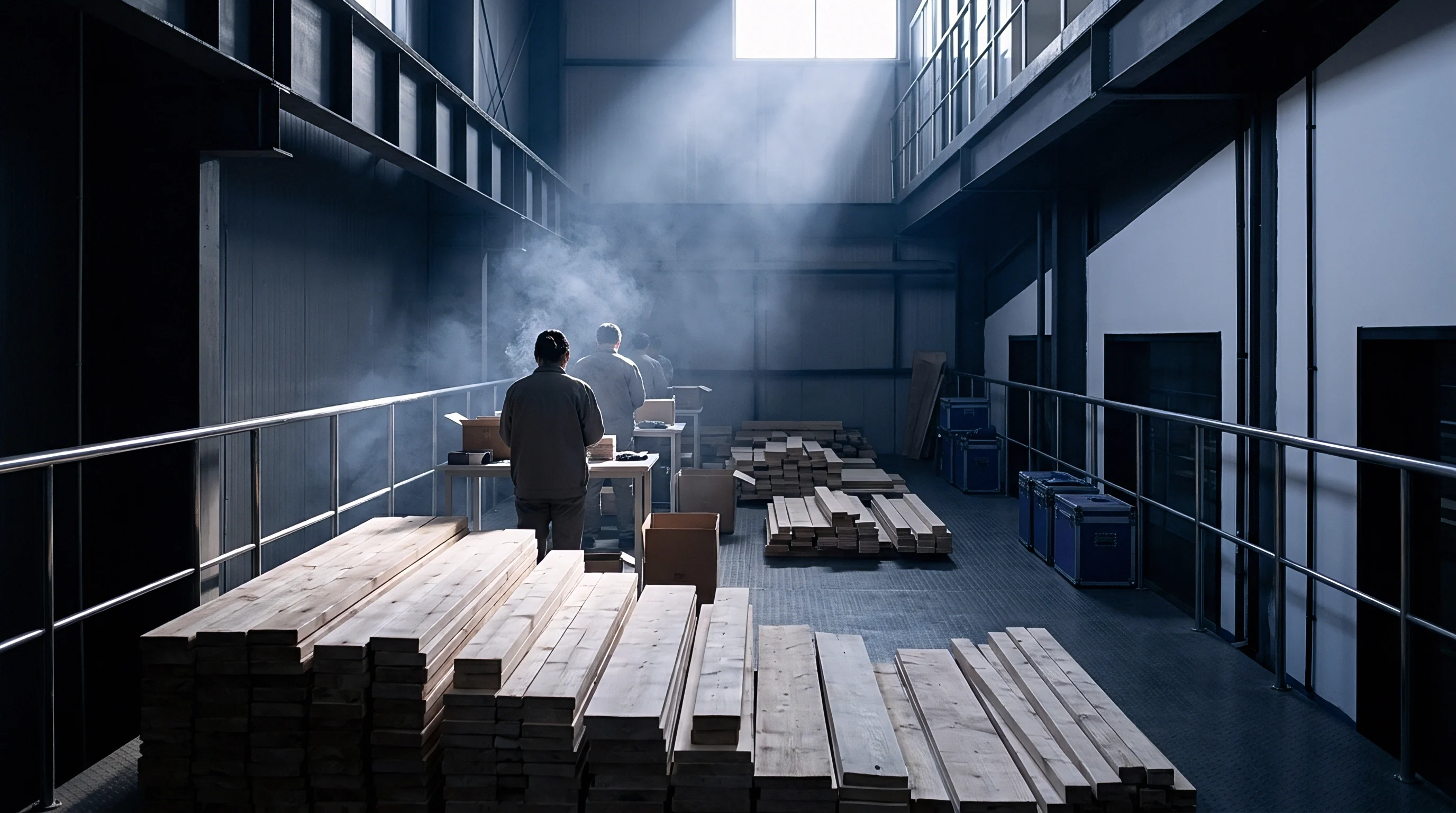
High-speed automated equipment masks early alignment problems. Cold solder joints form quietly, while mechanical stress builds inside component packages as thermal profiles drift through consecutive heating zones. When unheated solder paste hits stencil printing benches, alloy spheres fail to coalesce properly during reflow.
That produces micro-solder balls and bridging beneath BGA packages where standard top-down visual inspection cannot catch them.
Uncalibrated automated vision checks on overnight assembly lines produce a forty-two percent latent defect rate across unmonitored production runs.
Automation masks degrading parameters. Conveyors sweep defective boards downstream at three meters per minute. Workers at the end of the line bag assemblies in anti-static shielding and pack master cartons without dimensional checks.
At these speeds, thousands of compromised assemblies get sealed in shipping boxes before a quality engineer ever reviews machine performance data.
Replacing dead-on-arrival circuit assemblies before customer delivery deadlines incurred twenty-four thousand dollars in emergency air charter fees.
Rhythm
Closing the visibility gap across time zones requires structured operating routines that don’t depend on geography. Relying on end-of-day summary emails or weekly calls leaves overseas management purely reactive. To maintain control of a factory operating eight to twelve time zones away, brand owners need real-time telemetry, mandatory shift-overlap windows, and automated interlocks that stop machinery the moment statistical process limits are breached overnight.
Distance magnifies simple tooling errors, and overcoming it requires clear operational anchors built into the factory schedule. The most critical is the evening bridge call, held right as the overseas team starts its workday and local quality managers prepare for morning operations. This isn’t a high-level status update ~ it is a detailed review of machine logs, scrap bin tallies, and overnight operator entries.
Structuring Real-Time Verification across Eight Time Zones
Cross-border management works best when data transfer aligns with production milestones. Schedules should force the factory to export raw machine data before day-shift managers start morning sorting. Exporting SMT yield figures, injection molding cycle logs, and test bench results directly to secure cloud repositories every four hours removes the filtering that happens during morning huddles.
Automated interlocks serve as firewalls on remote production lines. If a functional test bench records three consecutive failures or a rolling ten-minute yield below ninety-seven percent, the interlock software stops the line conveyor drive. The line cannot restart until a qualified plant quality engineer scans an access badge and enters a verified corrective action code.
This takes away the night shift supervisor’s ability to override quality thresholds to hit volume targets.
- Establish automated machine interlocks that trigger physical line stops when functional test yield drops below ninety-seven percent over fifty consecutive units.
- Require the plant quality supervisor to upload raw SMT component feeder logs to a shared cloud bucket every four hours.
- Position a bilingual resident engineer on the night shift floor to verify machine parameter calibration at midnight and four in the morning.
- Mandate video recording of shift handover meetings with explicit reconciliation of physical scrap bins against system entries.

Third-Party Floor Engineers and Shift Overlap Protocols
Placing independent observers on the shop floor changes how supervisors handle overnight drift. Structuring communication channels ensures local technicians send video verification during handovers. Third-party quality engineers or dedicated client-hired resident engineers (驻厂工程师) give neutral ground-truth reports.
Having a resident engineer on the floor at night eliminates the information asymmetry that allows scrap hiding and re-sorting.
Resident engineers act as direct extensions of the overseas technical director. During production ramps, tooling qualifications, or seasonal spikes, overnight engineering coverage pays for itself by catching defect runs within minutes. A resident engineer standing at the end of SMT Line 3 at 20:00 CST checks reflow thermal profiles directly, catches Zone 4 temperature drops immediately, and forces an emergency stop before thousands of boards go through bad soldering cycles.
- Line Interlock Verification confirms that automated test benches transmit real-time failure flags directly to cloud monitoring software.
- Scrap Bin Calibration validates that all physical quarantine totes carry barcode tags matching factory warehouse inventory logs.
- Shift Overlap Escalation establishes direct voice channels between night shift supervisors and overseas operations managers at peak handover windows.
- Parameter Lock Enforcement restricts machine controller access passwords to authorized quality engineering personnel only.

The Bridge Cadence That Stops the Twelve Hour Run
Combining daily check-ins with machine telemetry creates a fast alert network. Operations should use explicit WeChat or Lark escalation channels backed by strict Service Level Agreements. When a line experiences an uncontained defect run exceeding fifteen minutes, factory management must alert the cross-border operations group within thirty minutes, regardless of time of day in Western offices.
ISO 9001 Clause 8.5.2 mandates complete traceability across shift changes, forcing suppliers to quarantine unverified overnight production lots.
Real-time oversight protects landed margins. An escalation protocol defines explicit thresholds for immediate line stops. If an overseas engineering director receives an alert at 22:00 PST showing reflow profile degradation in Dongguan, they can use established escalation channels to contact the night shift quality lead directly.
The overseas team intervenes in real time, stopping the line after two hundred bad units rather than discovering twenty-two thousand ruined assemblies twelve hours later.
An overseas team that waits for the morning yield email surrenders control of the factory floor to the night shift supervisor.


Tariff
Financial exposure from a major defect run includes both direct material waste and indirect logistical costs. When time zone lag lets a defect run continue uncontained for twelve hours, damage goes well beyond scrap material. Total cost includes immediate scrap, floor sorting labor, emergency air freight, downtime claims, destination customs re-inspections, and late-delivery SLA penalties from retail buyers.
Unmonitored hours erode product margins, and distance turns simple component rework into complex commercial disputes. When twenty thousand defective assemblies finish overnight processing, the contract manufacturer will try to recover labor and machine costs by blending bad parts into overall order yields or billing the client for material losses. Understanding the commercial arithmetic of time zone lag allows brand owners to draft enforceable contract terms that protect their balance sheet from night-shift failures.
Commercial Mechanics of Distance and Defect Sorting
Calculating total damage from bad assembly runs means looking far past raw materials. When non-conforming goods leave the factory and enter international transit containers, remediation costs multiply exponentially. Sorting a defective batch inside a Shenzhen factory costs around three dollars per hour per worker.
Doing that same sort in a 3PL warehouse in Long Beach or Rotterdam costs sixty-five dollars per hour per worker, plus cross-docking and container handling fees.
Consider the financial exposure contrast between immediate overnight containment and unmonitored twelve-hour defect propagation:
| Cost Component / Parameter | Unmonitored 12-Hour Defect Run | Active Shift Containment (Interlock / Resident) | Financial Variance (USD) |
|---|---|---|---|
| Scrapped Component Volume | 13,200 Units ($8.50 BOM) = $112,200 | 450 Units ($8.50 BOM) = $3,825 | +$108,375 |
| Factory Floor Sorting Labor | 320 Man-Hours @ $6.50/Hr = $2,080 | 12 Man-Hours @ $6.50/Hr = $78 | +$2,002 |
| Emergency Air Freight Replacement | 4,500 Kg Palette Air Shipment = $38,250 | Standard Ocean Freight = $0 Extra | +$38,250 |
| Destination Port Quarantine Sorting | 180 Man-Hours @ $68.00/Hr = $12,240 | Zero Units Shipped = $0 | +$12,240 |
| Retail Delivery SLA Penalty | 3 Days Late Delivery Fee = $25,000 | On-Time Schedule Met = $0 | +$25,000 |
| Total Financial Exposure | $189,770 Total Direct Exposure | $3,903 Total Direct Exposure | +$185,867 Net Savings |
Evaluating supplier disputes starts with identifying the exact hour defect trends crossed statistical control limits. Investing in overnight resident engineering or real-time cloud telemetry requires minimal capital compared to absorbing a single defect cascade. A resident quality engineer at three thousand five hundred dollars per month pays for years of service by stopping just one overnight reflow drift on a high-volume line.

Financial Scrap Allocation under China Civil Code
Legal disputes over defective production batches in Mainland China center on statutory duty. Under Contract Law provisions in the Chinese Civil Code (中华人民共和国民法典) ~ specifically Articles 770 through 787 covering manufacturing and processing contracts (承揽合同) ~ the contractor has a statutory duty to notify the ordering party immediately upon discovering material defects, drawing errors, or process instability.
Article 781 of the Civil Code states that if delivered work fails quality requirements, the ordering party can demand repair, remaking, price reductions, or direct damages. Article 782 reinforces that if a contractor fails to exercise reasonable professional care, it forfeits claims for raw material reimbursement. When a brand owner presents machine logs showing night-shift staff bypassed quality alarms, Chinese courts and arbitration panels in Shenzhen or Shanghai consistently hold the supplier liable for all resulting raw material scrap and direct rework costs.

The True Unit Cost of Latent Defect Exposure
Hidden flaws that escape factory gates generate warranty liabilities that dwarf initial BOM costs. When defective units pass morning visual sorting and reach overseas buyers, the fallout shows up as field returns, support escalations, brand damage, and regulatory recall demands. A power supply board with micro-voided solder joints can cause electrical arcing after three hundred hours in the field.
Landed cost calculations need to account for time zone latency risks. Traditional unit costs focus on direct labor, raw materials, tooling amortization, and factory margin. True landed cost includes distance-adjusted defect risks ~ multiplying the probability of uncontained overnight drift by the cost of international containment.
Brand owners that audit night shifts, enforce automated interlocks, and embed clear legal remedies into contracts maintain control and protect global margins.
Calculating the landed financial liability of an unmonitored night shift transforms remote factory oversight from an operational convenience into a direct balance sheet protection strategy.