Meaning
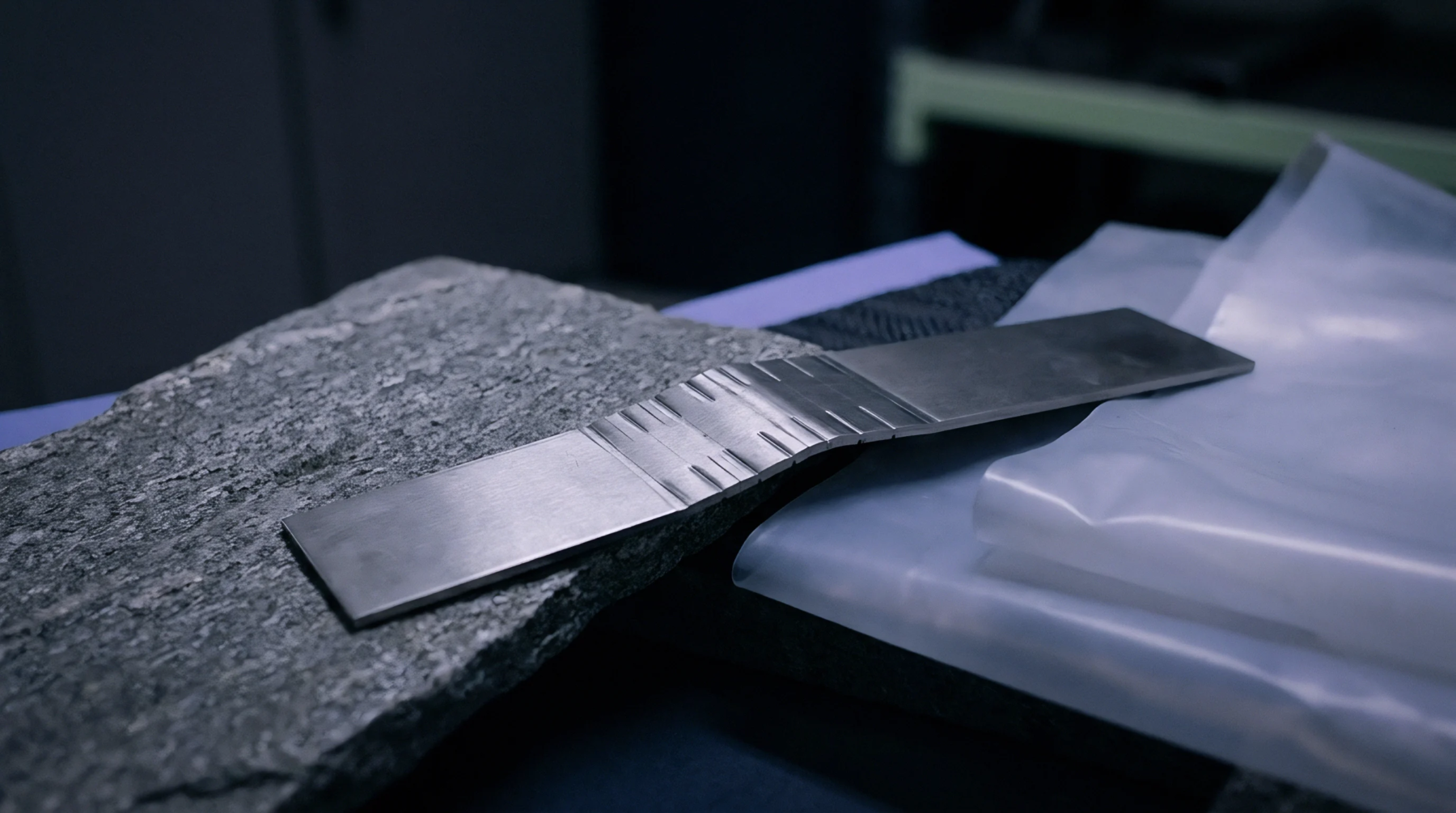
Mechanical shifts alter the location and orientation of the surface where a material fails under transverse load. Shear plane transformation occurs when the primary site of fracture in a solder joint moves from the bulk alloy to the brittle intermetallic interface due to aging or environmental stress. This shift is a critical factor in patent litigation and product liability cases within the Chinese legal system.
It indicates a transition from a reliable, ductile connection to a vulnerable, brittle one.
Stress Localization
Force distribution changes as the internal structure of the joint degrades over time. When shear plane transformation takes place, the stress is no longer absorbed by the flexible bulk solder but is concentrated at the rigid boundary. This concentration increases the likelihood of a sudden, catastrophic failure during a vibration or impact event.
Engineers study this localization to improve the design of pad geometries and alloy compositions. The goal is to keep the failure point within the toughest part of the assembly for as long as possible.
Aging Effect
Long-term exposure to operating temperatures accelerates the thickening of the intermetallic layer and the subsequent shift in the failure site. A clear sign of shear plane transformation is the appearance of a flat, smooth fracture surface instead of a rough, pulled one. This change is often seen in electronic modules that have been in service for several years.
Testing protocols for high-reliability equipment must account for this shift to ensure that safety margins remain valid. Detailed mapping of the fracture surface provides the evidence needed to determine the root cause of a field return.
Failure Detection
Statutory inspections by the State Administration for Market Regulation use these mechanical observations to verify the quality of imported and domestic goods. Identifying a shear plane transformation during an audit can lead to the rejection of an entire batch of components. Procurement agreements typically include clauses that define acceptable failure modes after accelerated aging tests.
Professional analysis of the shear surface ensures that manufacturers remain compliant with the Product Quality Law of the People’s Republic of China.