Meaning
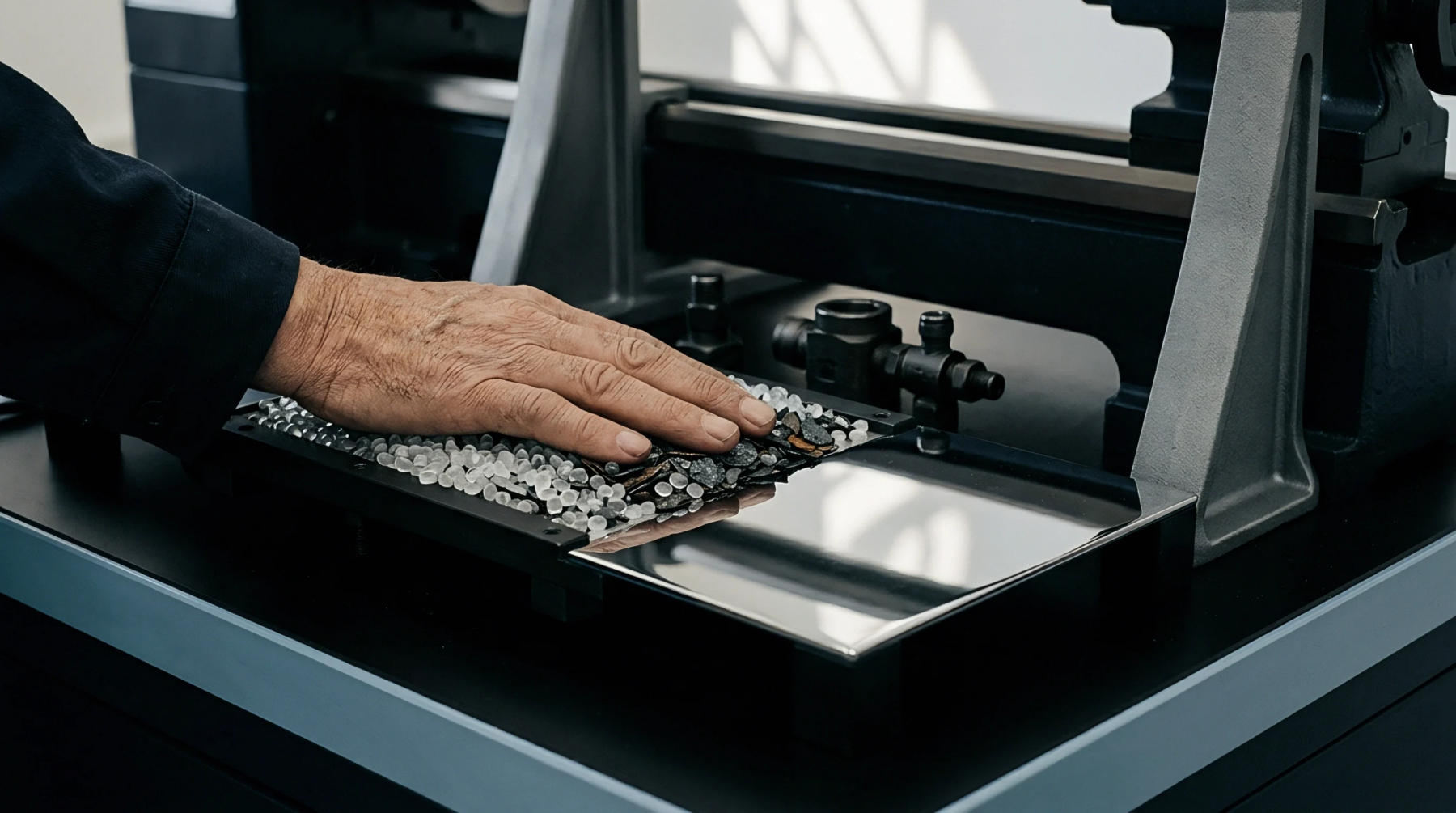
Moisture thresholds for bisphenol A polymers define the maximum allowable water content to prevent hydrolytic degradation during melt processing. Maintaining a level below 0.02 percent by weight is usually necessary to ensure the structural integrity of the molded part. When polycarbonate moisture limits are exceeded, the polymer chains break down, resulting in a loss of impact resistance and optical clarity.
Bubbles or silver streaks on the surface of the part often indicate that the resin was not sufficiently dried.
Legal Standard
Import regulations for engineering plastics in China require the disclosure of storage conditions and moisture control measures for high-performance resins. The General Administration of Customs may sample shipments to verify that the material meets the specifications listed in the product safety data sheet. Non-compliant resin is frequently seized if it fails to meet the safety requirements for food-contact applications.
Process Boundary
The duration and temperature of the drying cycle must be carefully controlled to reach the target moisture level without causing thermal yellowing. Using a desiccant dryer at 120 degrees Celsius for four hours is a common industrial practice to stay within the polycarbonate moisture limits. Once the resin is dried, it must be used within a short time to prevent re-absorption of atmospheric humidity.
Hydraulic Degradation
Excess water causes the permanent breakdown of polymer molecular chains.