Post Holiday Subcontractor Moisture Degradation in Pearl River Factories
Unheated Pearl River sub-tier storage degrades unsealed damp resins during post-holiday spring restart; mandatory desiccation and humidity logging protect yield.


Climate
During the late February temperature inversion, unheated assembly sheds across Dongguan and Zhongshan capture moist coastal air. Southern China undergoes a distinct weather pattern known locally as Hui Nan Tian, in which warm, saturated maritime air pushes inland and hits cold concrete structures. With factories shut down for two to three consecutive weeks over Lunar New Year, workshops across the Pearl River Delta sit unheated and unventilated.
Indoor relative humidity in these unconditioned spaces often remains above ninety percent for days, allowing metal tooling, raw material bags, and semi-finished inventory to continuously absorb moisture.
When workers return to unseal secondary production floors, condensation blankets floor slabs, corrugated boxes, and unheated machine frames. Water droplets collect on steel injection moulds and exposed metal component leads. In subcontractor facilities lacking industrial dehumidification, this ambient moisture penetrates stored raw materials ~ the thermal mass of bulk inventory stays colder than the incoming moist air, driving steady condensation across surfaces.

Ambient Relative Humidity during Spring Festival Shutdowns
Weather across coastal Guangdong shifts quickly when warm, humid maritime air meets cold factory floors during the holiday pause. Inside unconditioned sub-tier warehouses in Bao’an, Shajing, and Dalingshan, relative humidity stays elevated through late February and early March. Because these unmonitored storage bays lack active exhaust systems or desiccant air dryers, stored components draw moisture straight from the saturated indoor air.
Relative humidity inside unvented Pearl River sub-tier storage units hits ninety-four percent during early March maritime airflow events.
Subcontractors often store raw polymer granules in woven polypropylene sacks lined with thin polyethylene film, but these basic liners allow water vapor to seep through over two weeks of exposure. Resins kept near exterior walls or directly on concrete floors absorb ground condensation as well. The resulting moisture accumulation stays unnoticed until the material enters plasticization barrels during initial runs.

Thermal Inertia and Dew Point Traps in Unconditioned Storage
Cold metal inventory stored inside unheated corrugated boxes drops below the ambient dew point within three hours of warm air moving in. Steel component reels, transformer cores, and raw brass pins hold onto the low core temperatures they acquired during cold winter nights. As moist southern air rolls through post-holiday, water condenses instantly on cold metal surfaces, kicking off micro-oxidation and rust on exposed lead frames before assembly lines even restart.
Paper packaging degrades severely in damp storage bays. Multi-wall corrugated cartons absorb water vapor until fiber moisture exceeds fifteen percent by weight, cutting stacking strength enough that lower boxes buckle under pallet loads. That damp packaging then transfers trapped moisture directly into the electrical components and plastic housings inside.
The standard Guangdong quality addendum stipulating a thirty-day maximum raw material shelf life becomes legally binding only when ambient humidity logs accompany incoming material receipts.

Hydrodynamics
Moisture uptake in hygroscopic polymers accelerates exponentially if resin bags are left unsealed in humid environments. Polyamides, polycarbonate, and polybutylene terephthalate carry polar functional groups that readily form hydrogen bonds with water molecules in the air. When saturated resin melts in injection molding barrels at temperatures above two hundred fifty degrees Celsius, hydrolysis occurs: thermal energy causes water molecules to react with polymer chains, snapping ester or amide linkages and lowering molecular weight.
Loss of molecular weight directly degrades mechanical performance. Impact strength, tensile yield stress, and elongation at break drop sharply in hydrolytically degraded plastics, leaving molded structural brackets with latent brittleness that leads to premature field failure. Cosmetic issues like silver splay, gas bubbles, and surface blister streaks signal severe moisture contamination during processing.
| Material Category | Max Processing Moisture (%) | PRD Ambient Storage Absorption (7 Days) | Primary Moisture Degradation Failure Mode |
|---|---|---|---|
| Polyamide 66 (PA66) | 0.20 | 1.80% to 2.50% weight gain | Polymer hydrolysis, tensile strength reduction, severe splay defects |
| Polycarbonate (PC/ABS) | 0.02 | 0.15% to 0.35% weight gain | Viscosity loss, impact strength collapse, cosmetic surface streaks |
| FR4 PCB Substrates | 0.10 | 0.40% to 0.80% weight gain | Interlayer delamination, reflow popcorning, micro-z-axis expansion |
| Corrugated Packaging | 8.00 | 14.00% to 18.00% fiber water content | Box compression strength loss, bottom-tier pallet box collapse |

Polymer Resin Hydrolysis and Mechanical Degradation
Polyamide chains break down under high processing temperatures whenever ambient moisture exceeds two tenths of a percent by weight, with unbound water acting as an aggressive reactant inside the plasticizing screw zone. Structural parts molded from damp PA66 can lose up to thirty-five percent of their specified izod impact resistance, while uneven moisture distribution causes components to warp as they cool.
Water vapor also alters color consistency by reacting with organic pigments and heat stabilizers. Flame retardants can leach to the surface as white bloom marks, while volatile additive residues clog tooling vents and cause burn marks along component edges ~ requiring frequent stops to clean fouled tooling.

Printed Circuit Board Moisture Absorption and Reflow Delamination
Laminate core layers absorb airborne water vapour through exposed edges if panel vacuum seals fail during extended holiday storage. Epoxy fiberglass substrates trap moisture in micro-voids between glass weave bundles and the resin matrix. When surface mount assemblies pass through automated reflow soldering ~ where temperatures peak above two hundred forty degrees Celsius ~ that trapped water vaporizes instantly into high-pressure steam inside internal board layers.
If steam pressure overcomes interfacial adhesion between circuit layers, internal delamination snaps copper micro-vias and signal traces. Popcorning defects can bulge IC packages away from mounting pads, cracking plastic encapsulants and lifting bond wires. These structural flaws create latent open circuits that pass initial functional testing only to fail under thermal cycling in the field.
- Polymer Splay Streaks cosmetic silver voids appear on injection molded housing surfaces during melt processing.
- PCB Popcorning Defects trapped water vapor expands rapidly within multi-layer board substrates during surface mount reflow soldering.
- Corrugated Box Collapse packaging compression strength drops up to forty percent when kraft paper fibers absorb ambient moisture.
- Contact Pin Corrosion micro-condensation on exposed unplated copper terminal pins induces localized surface oxidation before final assembly.
Determining whether resin hydrolysis occurred prior to barrel plasticization or during post-molding atmospheric exposure remains an open analytical dispute among failure analysts.

Subtier
Tier-one contract manufacturers rely on sprawling networks of secondary and tertiary subcontractors across Guangdong. Tier-two stamping shops, plating facilities, and sub-assembly suppliers operate with low overhead and minimal environmental controls. While brand owners maintain strict audit oversight at primary manufacturing sites, sub-tier workshops operate largely outside direct client visibility, leaving them vulnerable to operational pressures and high humidity during the post-holiday restart.
Uncontrolled storage at subcontractor sites represents the single largest quality vulnerability in cross-border supply chains. Subcontractors take bulk material deliveries before the holiday to secure volume discounts, storing goods in unconditioned sheds where they sit neglected as humidity surges. Tier-one factories then absorb these damp sub-assemblies into final production lines without verifying incoming moisture levels.
How Do Subcontractor Storage Conditions Degrade Unsealed Components?
Unheated tier-two workshops in Chang’an and Dalingshan frequently store stamped brackets and open connector reels on bare concrete floors, allowing moisture to wick straight up into bottom packaging layers. Unsealed polyethylene bags then trap humid air against exposed metal leads and plastic connectors. To clear restart delays, subcontractors routinely bypass pre-assembly inspection routines.
Secondary facilities rarely equip process machinery with automated environmental monitoring. Desiccant baking ovens often sit idle or run with uncalibrated temperature controllers to save electricity, and operators load damp materials straight into production hoppers without completing required desiccation cycles. Defective parts then move downstream to primary assembly plants before quality teams catch the variance.

Post Holiday Labour Turnover and Process Drift
With line operators returning up to three weeks late, tier-two suppliers turn to temporary labor, and post-Lunar New Year migrant turnover averages twenty to thirty-five percent across Pearl River industrial zones. Replacement workers rarely receive training on material handling or moisture standards, so steps like checking desiccant indicator cards or resealing open resin bags are routinely missed.
Process drift worsens as temporary staff adjust machine parameters to clear backlogs. Technicians raise barrel temperatures to flash off moisture, which only accelerates chemical hydrolysis; injecting wet resin at higher temperatures yields brittle components with severe internal stress. Tracing these procedural deviations back to specific subcontractor shifts is notoriously difficult for quality auditors.
- Storage Floor Elevation sub-tier suppliers maintain component pallets at least fifteen centimeters off concrete ground surfaces.
- Desiccant Indicator Checks incoming inspection teams verify color status on cobalt-dusted humidity cards inside sealed moisture-barrier bags.
- Unvented Barrel Inspection quality inspectors reject resin gaylords showing damaged thermal foil liners or broken tamper tape.
- Desiccant Bag Integrity secondary assembly plants verify desiccant weight increase does not exceed ten percent of initial dry mass.
IPC J-STD-033D mandates floor life tracking and moisture barrier bag re-sealing within two hours of exposure for level three surface mount components.
Raw material sacks frequently arrive from upstream distributors with pre-existing micro-punctures acquired during holiday transit.

Bake
Removing moisture from saturated resins and circuit boards requires controlled thermal profiles inside vacuum-assisted drying chambers. Dehumidifying hopper dryers circulate air with dew points below minus forty degrees Celsius through resin beds; standard hot-air dryers fail here because high ambient relative humidity limits evaporation. Drying materials to recommended parameters restores structural integrity before thermal processing begins.
Baking circuit boards demands balanced thermal ramps to avoid thermal shock and surface oxidation. Panels rest on specialized aluminum racks that promote even airflow. By lowering the boiling point of water, vacuum baking extracts moisture thoroughly at lower temperatures, protecting delicate plating.
Loss-on-drying instruments then verify resin dryness before hoppers are loaded.
| Component / Material Type | MSL Rating | Bake Temperature (°C) | Bake Duration (Hours) | Target Moisture Content |
|---|---|---|---|---|
| PA66 / Unfilled Resin | N/A | 80°C to 90°C | 4 to 6 (Vacuum) | Less than 0.12% by weight |
| PC/ABS Alloy Resin | N/A | 100°C to 110°C | 3 to 4 (Dehumidified) | Less than 0.02% by weight |
| Populated PCB (MSL 3) | Level 3 | 125°C ± 5°C | 24 to 48 (Tray) | Floor life reset to 0 hours |
| Unpopulated Bare Boards | N/A | 105°C to 120°C | 6 to 8 (Standard) | Less than 0.10% by weight |

Drying Protocols and Vacuum Recovery Systems
Desiccation cycles must balance moisture extraction against the risk of polymer oxidation. Industrial vacuum ovens reduce internal pressure below ten millibars at elevated temperatures, allowing water trapped deep in polymer structures to diffuse outward quickly and cutting processing times by half compared to conventional atmospheric hot-air ovens.
Resin hoppers fitted with closed-loop desiccant wheels continuously strip moisture from recirculated process air, with sensors monitoring dew points at the hopper outlet. If outlet air dew points rise above minus thirty degrees Celsius, automated alarms pause machine feed cycles ~ an active loop that keeps damp resin granules out of plasticizing screws.
Verification Procedures for Resins and Substrates
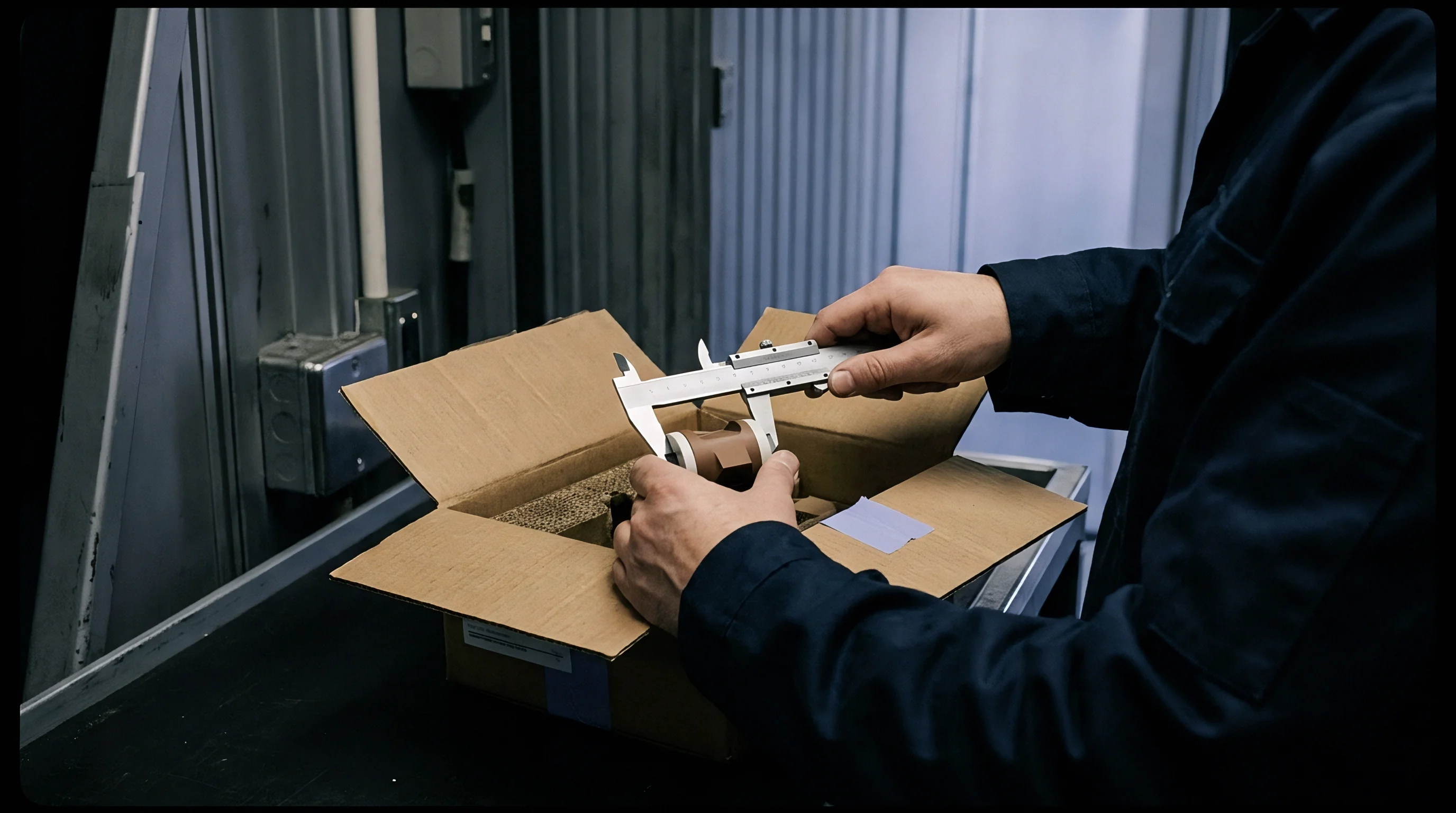
Loss-on-drying analyzers measure water content by heating sample granules on internal precision balances ~ technicians weigh five-gram resin samples before and after exposure at one hundred twenty degrees Celsius. Karl Fischer titration offers higher precision for non-hygroscopic polymers with moisture levels below fifty parts per million, while circuit boards are weighed before and after vacuum baking to confirm moisture loss.
Tracking floor life for moisture-sensitive surface mount devices requires strict adherence to exposure cards. Any components exceeding allowable floor exposure times are sent back to baking ovens immediately, and quality teams log every drying cycle in master lot dossiers before releasing parts to placement lines.
- Measure raw material moisture content using a loss-on-drying analyzer at one hundred twenty degrees Celsius before starting production runs.
- Load affected board assemblies onto aluminum drying trays with equal spacing to permit uniform air circulation across component bodies.
- Set vacuum desiccation oven temperatures according to component moisture sensitivity levels specified in technical datasheets.
- Seal baked components inside moisture barrier bags with fresh silica gel packets and active humidity indicator cards immediately after oven extraction.
Drying wet polyamides in atmospheric ovens without vacuum assistance oxidizes yellow resin granules and weakens mechanical resin bonds.
Resins dried at excessive temperatures degrade faster than resins processed with excess internal water.


Arithmetic
Financial losses from damp components compound rapidly as parts move from sub-tier processing into finished goods boxes. Catching damp resin at the raw material stage costs cents per kilogram in drying energy. Discovering hydrolytic embrittlement after final packaging leads to scrapped product, re-tooling delays, and missed shipping windows, escalating total landed costs through rework labor and expedited transport surcharges.
Unplanned downtime adds heavy fixed overhead to every production lot. Surface mount lines sitting idle while technicians bake damp circuit boards burn through labor and machinery depreciation budgets. Replacing scrapped housing components requires buying raw resin at spot market prices, while disposal fees for contaminated composite plastics add further operational losses.
| Cost Category / Operational Variable | Proactive Desiccation Strategy | Reactive Scrap and Rework Strategy |
|---|---|---|
| Pre-Drying / Baking Energy Cost | $320 (48-hr vacuum oven run) | $0 (Bypassed pre-drying step) |
| Resin / Component Scrap Value Lost | $150 (5 kg sample testing loss) | $14,200 (3,500 hydrolyzed housing scrap) |
| Assembly Rework Labor Hours | 0 hours (Clean assembly run) | 180 labor hours ($2,160 directly billed) |
| Expedited Air Freight Allocation | $0 (On-schedule ocean shipping) | $28,500 (3.2-tonne emergency air shipment) |
| Total Financial Impact (50k Unit Lot) | $470 total mitigation cost | $44,860 total failure penalty |

Worked Financial Example of Post-Holiday Yield Recovery
Consider a production run of fifty thousand consumer electronic enclosure sets manufactured in Dongguan in late March. Raw material inventory consists of two thousand kilograms of PA66 resin valued at six dollars per kilogram. Unconditioned holiday storage increases resin moisture content from zero point ten percent to one point ninety percent by weight.
Running injection moulding lines without pre-drying causes a forty-five percent visual splay reject rate and a twelve percent latent cracking failure rate during final snap-fit assembly.
Direct scrap losses under this scenario total twenty-eight thousand8 hundred dollars in wasted resin and lost machine time. Secondary manual disassembly labor consumes two hundred forty work-hours at twelve dollars per hour, adding two thousand eight hundred eighty dollars in cost. The resulting ten-day delay misses scheduled ocean container bookings, forcing an air freight transfer for eight thousand units at six dollars and fifty cents per kilogram.
Total non-conformance costs reach forty-three thousand two hundred dollars, compared to a six hundred fifty dollar desiccation baking expense.
- Direct Scrap Loss unrecoverable plastic housings degraded by melt hydrolysis go straight to regrind barrels at lower commercial scrap value.
- Desiccation Energy Overhead industrial vacuum drying ovens draw heavy electrical power during forty-eight hour continuous baking cycles.
- Line Downtime Charges surface mount lines sit idle while technicians bake damp board inventory to prevent soldering delamination defects.
- Emergency Air Freight delayed container releases force brand owners to substitute ocean shipments with expensive air cargo allocations.
Air freighting forty-foot container equivalents from Shenzhen to Los Angeles erases the profit margin on low-margin consumer electronics.
Neglecting sub-tier moisture monitoring turns cheap post-holiday manufacturing allocations into expensive air-freight rescue operations.


Covenant
Master supply agreements must set explicit moisture tolerances and storage metrics for every sub-tier component lot. Purchase orders need to bind subcontractors to defined moisture limits at incoming inspection, while engineering specifications state the maximum allowable moisture content by weight for raw resin, component reels, and printed circuit board assemblies. Clear contractual language gives buyers full rejection rights for any shipment delivered without compliant environmental logging data.
Quality management addendums need to detail mandatory floor elevations, desiccant refresh frequencies, and maximum allowable open bag exposure times. Contracts should require suppliers to log ambient relative humidity in storage bays twice daily using calibrated devices. Inspection teams must have unrestricted access to subcontractor facilities during high-risk post-holiday restarts, and non-conformance penalties should directly offset incurred rework, scrap, and air freight costs.
Contractual Moisture Standards and Acceptance Metrics
Quality agreements should incorporate formal IPC and ISO environmental standards into baseline procurement terms. IPC J-STD-033D governs the handling, packing, and baking of moisture-sensitive surface mount devices, while plastic component specifications should reference ISO 15512 for measuring water content in raw polymer granules. Specifying exact test methods removes ambiguity during incoming material disputes.
Acceptance sampling plans ought to follow ISO 2859-1 single sampling protocols with strict Acceptable Quality Limit thresholds for moisture defects. Sampling rates should automatically double for production lots manufactured in February and March, and tier-one suppliers must submit certified moisture analysis reports alongside standard Certificates of Conformance. Any failure to meet moisture thresholds triggers immediate quarantine and mandatory third-party verification.
Auditing Protocols and Compliance Enforcement
Unannounced factory visits during post-holiday weeks offer the most accurate evaluations of subcontractor material handling. Field inspectors check desiccant indicator cards inside packaging, verify vacuum oven temperature logs, inspect raw material bags for micro-punctures, and measure warehouse floor clearance heights. Verification must extend down to sub-tier plating and stamping shops to close visibility gaps.
Suppliers demonstrating persistent environmental monitoring failures face formal corrective action requests and tier demotion. Corrective actions require physical storage upgrades, including installing industrial dehumidification systems and automated dew point alarms. Third-party audit reports must confirm these corrective actions before new purchase orders release.
Strict contract enforcement builds supplier accountability and protects product quality during humid spring restarts.
Environmental data loggers placed inside ocean containers verify that sub-tier suppliers maintained proper humidity controls from workshop floor to export vessel.