Meaning
International testing standards define the specific methods for determining the water content of plastics. Under iso 15512, several analytical procedures are established, including manometric, coulometric and evaporative methods for measuring trace moisture. This standard applies to polymeric materials in the form of molding granules, powder or finished parts.
Test Protocol
Selection of the specific method within the standard depends on the chemical nature of the polymer and the expected moisture level. Method B utilizes an oven to heat the sample and vaporize the water, which is then carried by a dry gas stream into a titration cell. This approach prevents chemical interference from volatile organic additives that might co-distill with the water.
Sample Preparation
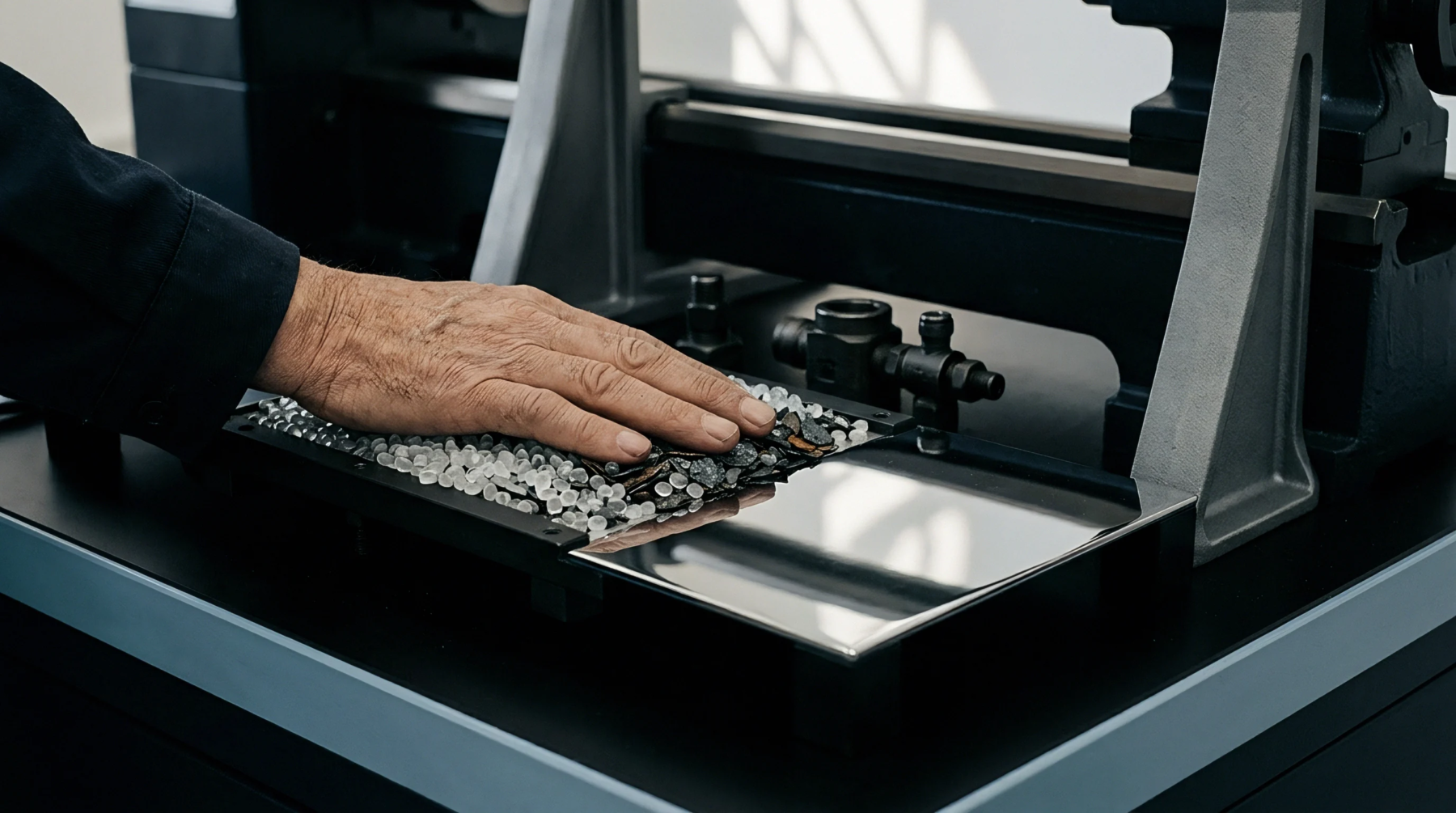
Precise handling of the specimen is necessary to prevent environmental moisture pickup before the measurement starts. The operator must extract the sample from a sealed container and place it into the testing instrument within a specified time limit, often less than one minute. Exposure to factory air can rapidly alter the moisture content of hygroscopic polymers like polyamides, which invalidates the test results and forces a repeat of the entire analytical run.
Regulatory Standard
Quality managers in China rely on this certification to verify that incoming polymer shipments comply with dry-weight specifications. Auditing bodies require documented adherence to these procedures during the certification of factory quality control systems. This compliance ensures that the raw materials used in critical automotive or electrical components meet the required mechanical performance baselines.