Meaning
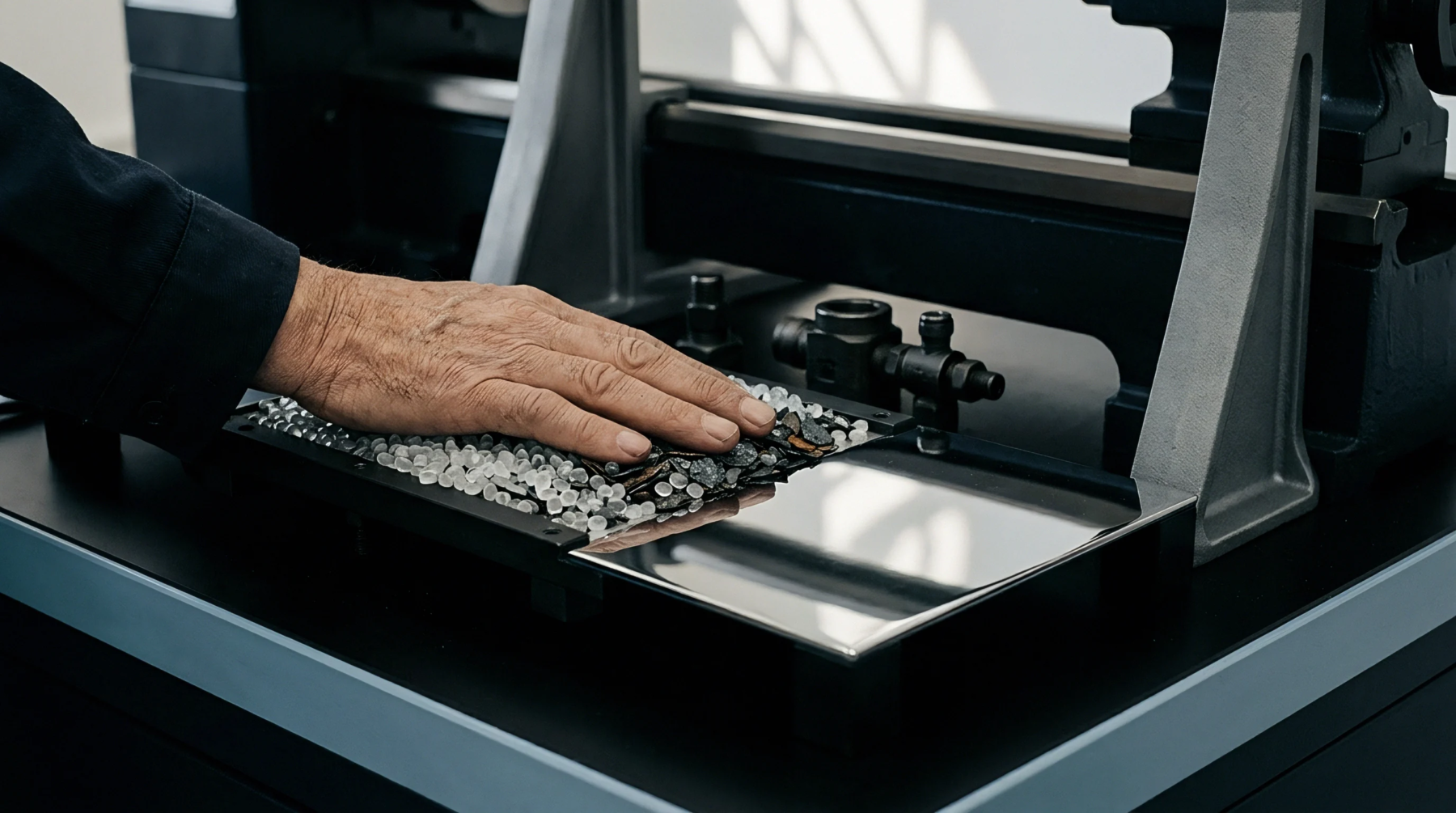
Production quality issues in plastics manufacturing arise from incorrect processing parameters, material contamination or improper polymer drying. In injection molding defects, parts exhibit structural or visual flaws that make them unsuitable for use. These flaws can compromise both the appearance and the mechanical strength of the finished product.
Physical Failure
Trapped water vapor in the polymer melt generates gas bubbles that expand as the pressure drops during the injection phase. This action creates surface splay, voids or internal bubbles within the molded component. High moisture levels in hygroscopic resins like nylon also lead to hydrolytic degradation, which produces brittle failure or cracking under low mechanical loads.
This degradation severely limits the service life of the plastic parts in their final assembly.
Shear Stress
Excessively high viscosity or high injection speeds increase the shear stress experienced by the polymer as it fills the mold cavity. This physical stress can cause molecular alignment issues, gate blush or localized burning of the plastic material. Balancing the fill rate and the melt temperature minimizes these shear-induced flaws during the molding process.
Prevention Method
Controlling the moisture content of the polymer before it enters the feed throat remains the most effective way to eliminate moisture-induced flaws. Implementing a structured maintenance program for the drying equipment and monitors prevents wet resin from being processed. These preventative steps reduce the scrap rate and ensure consistent part quality across production runs.