Meaning
Chemical breakdown represents a reaction between water and a polymer or organic substance that results in the irreversible scission of molecular chains. Hydrolytic degradation reduces the mechanical strength and molar mass of materials such as polyesters or polyamides when moisture enters the internal structure. Industrial standards define this failure mechanism as a primary environmental stressor that compromises structural integrity during long-term storage or high-humidity manufacturing operations.
Statutory Compliance
Regulatory oversight within Chinese administrative law requires that manufacturers perform stability testing on polymers destined for sensitive industrial applications. The Ministry of Industry and Information Technology maintains testing protocols that dictate how moisture absorption metrics identify risks before product release. Failure to document these chemical transformations results in non-compliance if the material compromises safety in an infrastructure or medical project.
Enforcement practice prioritizes test results that originate from authorized third-party laboratories rather than internal declarations. A firm obtains a certificate of conformity only after demonstrating that the material survives specified humidity cycles without structural separation.
Production Risk
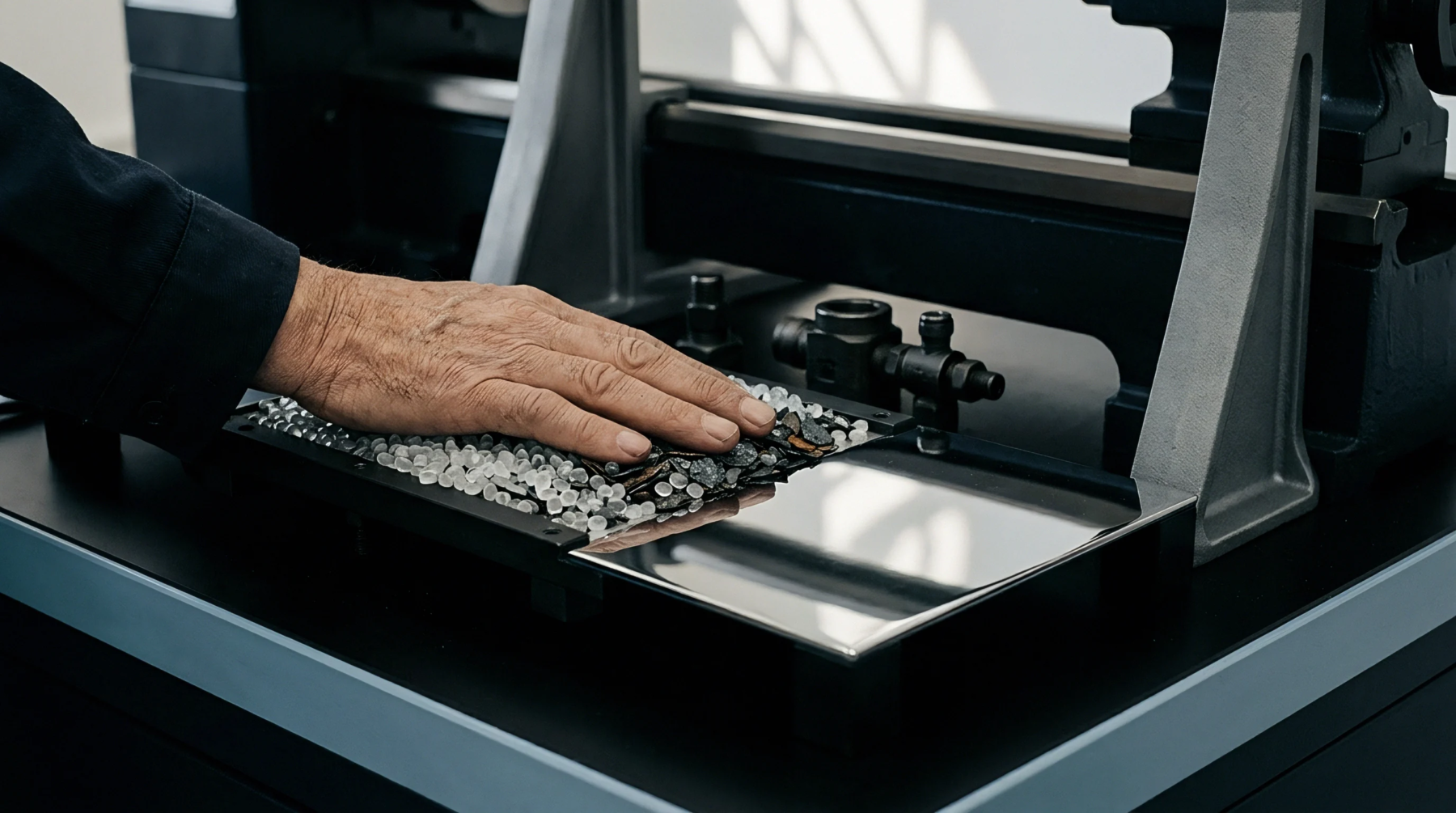
Moisture sensitivity influences every stage of polymer processing in a factory environment because heat acts as an accelerator for bond cleavage. Pellets stored without adequate desiccant absorption undergo partial breakdown before entering an injection machine. Processing these weakened materials leads to brittle components and unexpected part failure during assembly.
Production managers adjust drying cycles to ensure that the water content stays beneath the threshold for molecular stability.
Market Liability
Liability claims arise when a finished product breaks down under expected ambient conditions due to an inadequate selection of hydrolysis-resistant additives. Courts evaluate whether the technical specification accounted for the humidity levels in the operating region of the client. Supply chain agreements often shift the burden of proof to the material producer when chemical testing shows that premature scission occurred during the shelf life of the component.
The underlying contractual protection for the buyer rests on the assumption that a commercial polymer maintains its physical properties under defined climate conditions.