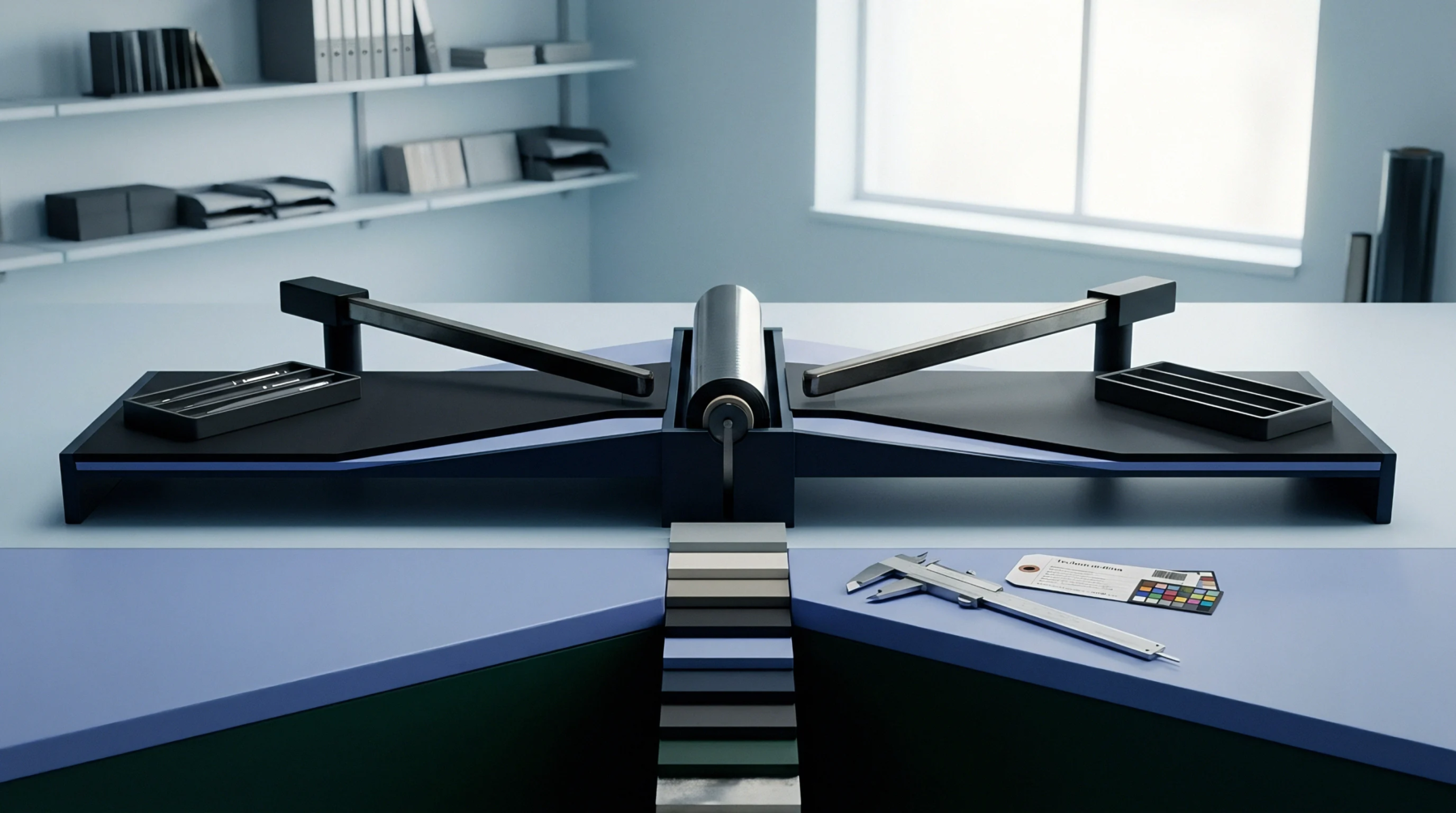
Meaning
Systematic process of verifying the accuracy of measuring instruments against a traceable national or international standard. Proper metrology calibration is a statutory requirement under the Measurement Law of the People’s Republic of China for all equipment used in trade and safety. This procedure ensures that a millimeter or a gram in one factory is identical to the same unit in another.
The State Administration for Market Regulation oversees the network of accredited laboratories that perform these validations.
Traceability Chain
Certificates issued by an authorized lab must show a direct link back to the national primary standards held in Beijing. Each metrology calibration record includes the measurement uncertainty and the conditions under which the test was conducted. Without this documentation, the test results produced by a factory have no legal standing during a quality dispute.
Frequency Control
Intervals for recalibration are determined by the stability of the instrument and its usage environment. A high-precision digital caliper in a dusty workshop requires more frequent metrology calibration than one kept in a climate-controlled lab. If a tool is dropped or repaired, it must be re-verified before it returns to the production floor.
This discipline prevents the accumulation of measurement errors that could lead to the rejection of good parts.
Equipment Labeling
Physical tags on each piece of hardware indicate the date of the last check and the deadline for the next one. Inspectors during an ISO audit look for these labels to confirm that the production staff is using valid tools. Using an expired instrument is a major non-conformity that can stop an entire production line.