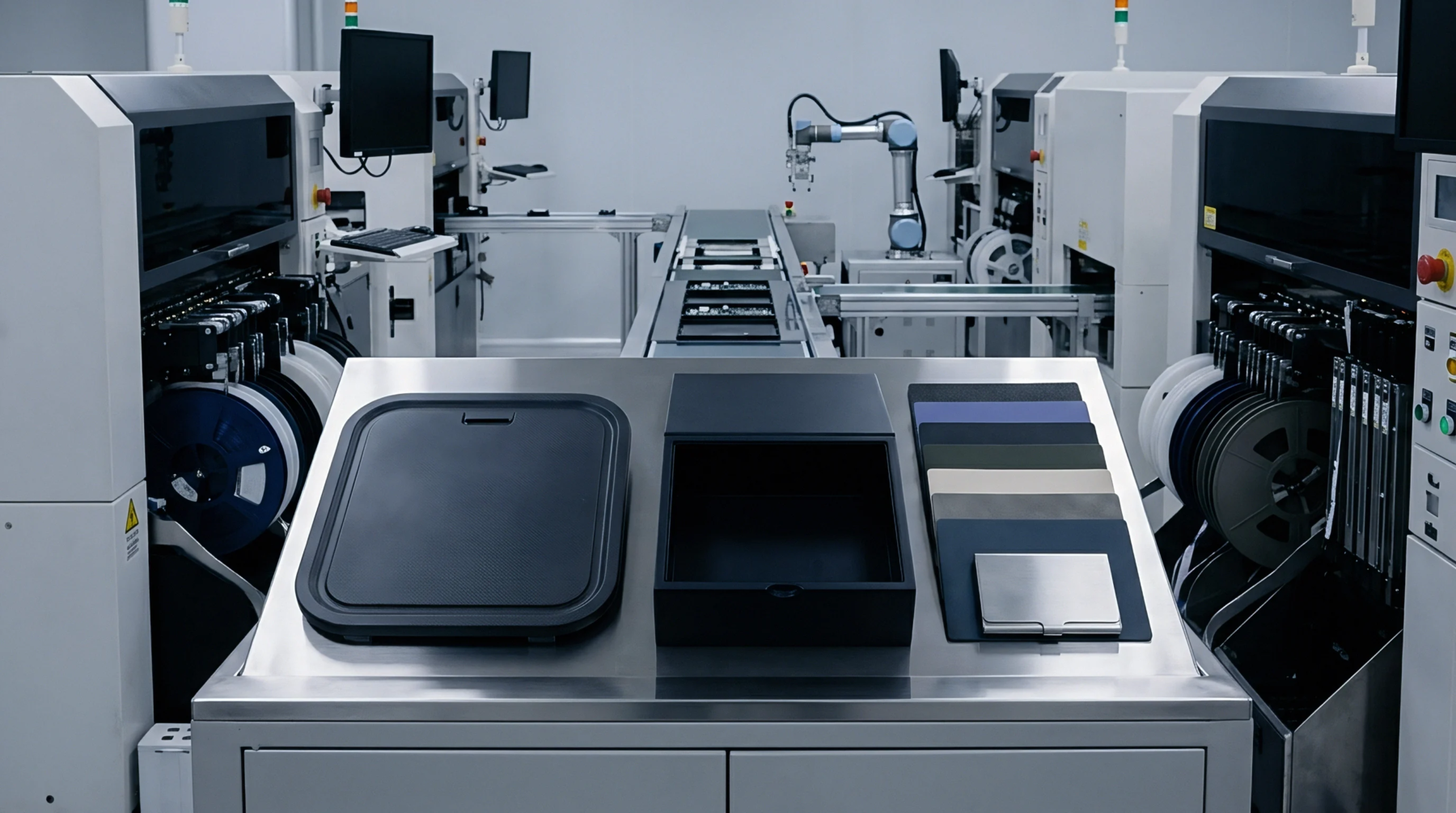
Detecting Unauthorized Factory Line Component Substitutions Early
Stop unapproved component swaps early by placing XRF plating checks at receiving, locking feeder software to the approved BOM, and auditing distributor manifests.
Serial digital access protocols query internal registers of complex semiconductors across a physical boundary to verify silicon configuration, structural interconnect integrity, and system health. Standardized under the Joint Test Action Group specifications, jtag interrogation routes test commands through dedicated device test access ports without disturbing normal board-level operational busses. Diagnostic operations extract electronic chip identifiers, verify flash memory contents, capture logic levels at device boundaries, and control embedded system microprocessors during low-level hardware bring-up.
The operational reach of the protocol governs digital logic cores, boundary scan registers, internal memory arrays, and on-chip debugging units. Interrogation ceases at the physical boundary where non-jtag peripherals, analog-only circuits, and unpowered voltage domains require secondary measurement protocols.
Physical interconnect lines link devices through five dedicated signal lines consisting of test clock, test mode select, test data input, test data output, and test reset. Silicon devices contain internal state machines that traverse a standard sixteen-state progression driven by clock and mode select transitions. Instruction registers capture specific operations such as idcode, bypass, or extest, steering subsequent serial data streams into corresponding internal data registers.
Chains connect multiple integrated circuits in series, feeding the test data output of one semiconductor directly into the test data input of the adjacent component across the printed circuit board. Protocol software calculates register bit offsets across the entire serial loop, allowing precise addressing of individual devices within a consolidated board scan.
Production testing begins by issuing identification queries that extract manufacturing IDs, component part numbers, and silicon mask revision codes from the on-chip idcode register. Corrupted bitstreams indicate fractured package balls, improper power rail sequencing, or severed clock traces on high-density ball grid array packages. Memory programming routines use the serial bus to bypass system microprocessors, writing bootloader firmware directly into external nor flash or internal processor flash memory blocks.
Boundary scan registers allow interrogation routines to drive static logic patterns onto peripheral busses while monitoring receiving pins on adjacent devices, instantly pinpointing shorted or open interconnects. Internal scan registers also expose stuck-at faults within core flip-flops, validating silicon gate arrays directly from factory automated test equipment.
Electronics assembly lines embed hardware interrogators into automated functional test fixtures to flash base code, set mac addresses, and confirm silicon authenticity during high-speed production. Secure production lines use authenticated access routines to query hardware roots of trust, verifying that integrated circuits are authentic parts rather than counterfeit chips from unauthorized distribution channels. Design engineers isolate the serial interface behind physical test pads or dedicated micro-headers to prevent unauthorized physical bus access on finished commercial products.
If an interrogation sequence detects unexpected silicon revisions or defective interconnect registers, line control logic routes the board into rework queues, preserving diagnostic error logs detailing the exact failure bit and related designator.
Stop unapproved component swaps early by placing XRF plating checks at receiving, locking feeder software to the approved BOM, and auditing distributor manifests.
Expertise is a utility, not a secret. sentiention™ publishes its working knowledge as open reference: intelligence layer covering the materials it sources, the markets it enters, and the reference that serves both.