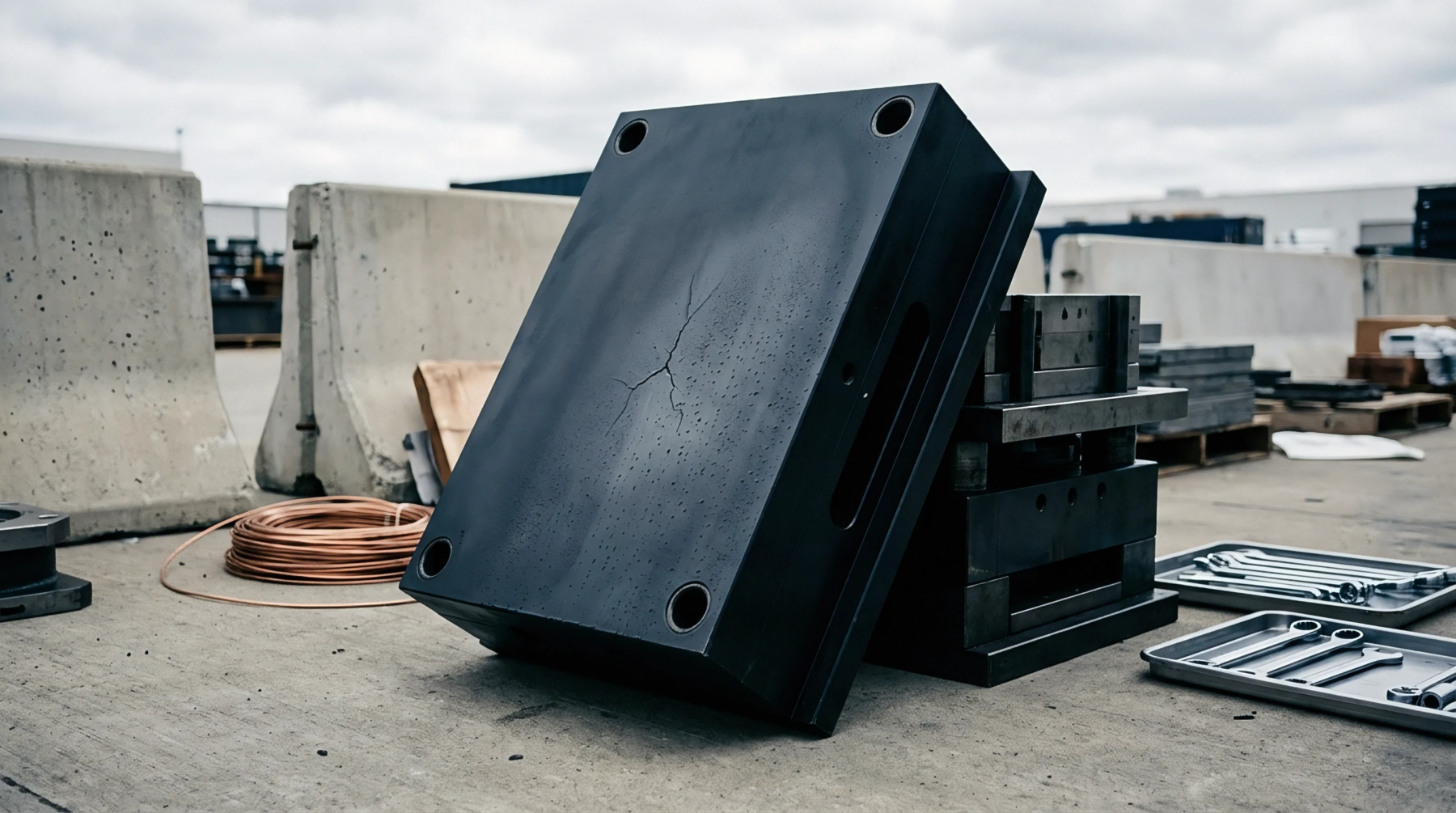
Interim Property Preservation Mechanisms for Proprietary Tooling Surrender Actions
Pre-litigation preservation under PRC Civil Procedure Law Article 104 freezes tooling in 48 hours when supported by serial numbers and counter-security.
Physical reclamation of proprietary tooling held by a contract manufacturer under Chinese industrial jurisdiction constitutes injection mold repossession. Statutory authority governing this recovery derives from property rights codified in the civil code alongside contractual remedies established through manufacturing agreements. Foreign brand owners frequently face operational friction when attempting to physically extract production hardware from factory floors located within special economic zones or provincial manufacturing hubs.
Local administrative bureaus and people’s courts recognize ownership title based on original capital equipment registration and commercial invoices, yet practical retrieval requires navigating municipal exit documentation and customs commodity inspection clearance. Equipment hostage situations typically arise during payment disputes, quality nonconformance claims, or unilateral termination of supply relationships by either commercial party.
Local customs administration and municipal industry bureaus impose strict documentary hurdles before releasing industrial machinery across jurisdictional boundaries. Foreign enterprises must present original value added tax invoices, paid customs duty receipts if the tooling entered under bonded import regimes, and a notarized termination protocol signed by the factory operator. Provincial administration for market regulation offices often intervene to verify that no outstanding local tax liabilities or unpaid utility tariffs remain attached to the factory premises where the machinery operated.
Regional industrial parks frequently demand proof of settlement regarding labor compensation and environmental clearance before issuing exit permits for heavy assets. Bureaucratic inertia at the township level routinely delays physical movement for months, transforming a straightforward asset recovery into a protracted administrative negotiation.
Civil litigation initiated within intermediate people’s courts provides the formal mechanism for asset recovery when voluntary handover fails. Provisional attachment orders secured under property preservation procedures prevent the contract manufacturer from dismantling, selling, or encumbering the proprietary tooling during active proceedings. Executing a court-ordered repossession requires the physical presence of enforcement judges accompanied by local police officers to compel factory gate compliance and oversee loading operations onto transport vehicles.
Bailiffs frequently encounter resistance from plant management citing unresolved commercial counterclaims, necessitating supplementary hearings to separate ownership verification from general debt settlement disputes. Judgment enforcement departments maintain discretion regarding the timing and methodology of asset extraction to preserve social stability within industrial parks during labor disputes.
Heavy transport orchestration requires specialized flatbed vehicles equipped with hydraulic lifting gear capable of navigating congested provincial access roads surrounding industrial parks. Rigging teams must document asset condition through high-resolution imagery prior to unbolting machinery from reinforced concrete foundations to establish a definitive baseline for liability against transit damage. Cross-border transit through designated port authorities demands updated commodity classification codes and precise weight verification certificates to comply with regional transport safety regulations.
Export clearance procedures for reclaimed industrial assets trigger mandatory inspection by commodity inspection bureaus to confirm that no restricted materials or hazardous residues depart the territory alongside the steel tooling. Final arrival at a secondary manufacturing site concludes the cycle of asset recovery under applicable jurisdiction.
Pre-litigation preservation under PRC Civil Procedure Law Article 104 freezes tooling in 48 hours when supported by serial numbers and counter-security.
Expertise is a utility, not a secret. sentiention™ publishes its working knowledge as open reference: intelligence layer covering the materials it sources, the markets it enters, and the reference that serves both.