Cross-Border Enforcement Dynamics of Mortgage Registration and Tooling Repossession in PRC Courts
Perfecting movable mortgages on Zhongdeng Net with explicit serial numbers and securing immediate pre-litigation preservation prevents tooling loss in China.
Registry
Offshore equipment buyers placing high-capital injection molds, stamping dies, and automated assembly fixtures with mainland Chinese vendors run into an enforceability gap if the vendor becomes insolvent or breaches contract. Under Article 403 of the People’s Republic of China Civil Code, a mortgage on movable property takes effect when the security contract is signed, but the mortgagee cannot assert this interest against a bona fide third-party purchaser without a public filing. The Civil Code consolidated China’s fragmented asset pledge registries into a single platform.
The Credit Reference Center of the People’s Bank of China runs this platform online, known in PRC commercial practice as Zhongdeng Net. Placing tooling inside a supplier plant in Shenzhen, Dongguan, or Ningbo without a registered movable mortgage leaves a cross-border buyer exposed to downstream factory creditors, liquidators, and judicial foreclosures.
Security filings for movable equipment demand strict compliance with PRC identity matching and asset description rules. Foreign buyers without a registered PRC onshore subsidiary, branch, or unified social credit code hit procedural walls trying to file directly on Zhongdeng Net. The system runs entirely in simplified Chinese and requires identity verification tied to an onshore legal presence or an accredited PRC legal representative.
Because of this, foreign owners structure security through onshore foreign-invested enterprises, qualified third-party escrow agents, or direct ownership retention clauses paired with chattel mortgages under PRC law. Precision in describing the collateral is what determines success during judicial review in specialized civil divisions of PRC courts.
Vague asset descriptions like custom tooling or plastic injection molds fall apart in enforcement. Intermediate People’s Courts routinely reject attachment applications if the registration entries lack verifiable physical identifiers. Mortgage filings on Zhongdeng Net must include the exact engineering serial number, steel cavity stamp code, physical dimensions, dry weight, year of manufacture, and primary CAD drawing revision reference.
The entry connects directly to the underlying supply agreement or lease contract, setting the secured debt ceiling and specific maturity dates. Leaving out these technical details degrades an intended priority mortgage into an unperfected contract claim.
Legal Framework for Movable Property Mortgages in China
Book II of the PRC Civil Code unified the rules for non-possessory security interests over factory machinery and tooling. Article 404 creates a safe harbor for buyers in the ordinary course of business: a movable property mortgage cannot override the rights of a buyer who paid reasonable consideration and took physical possession through normal operations. If a Tier-1 supplier mortgages its plant machinery to a domestic commercial bank, an offshore buyer who bought custom tooling made by that supplier faces a heavy evidentiary burden to prove clear title if the tooling sits on the supplier’s factory floor.
Ownership retention structures under Article 641 of the Civil Code offer another path, letting sellers reserve title until full payment of the purchase price. When an offshore entity contracts a Chinese mold maker to build custom tooling, the buyer functions as the financing party. These ownership retention agreements must be registered on Zhongdeng Net to establish priority against third-party judicial attachments.
Without registration within the statutory window after delivery, court bailiffs treat tooling on a local factory floor as belonging to the entity holding the municipal land use rights and plant lease.
Filing Procedure on the Unified Credit System
Securing a priority lien over custom manufacturing equipment on the mainland platform follows a strict administrative sequence, with registration determining initial rank.
- Execution of a bilingual tooling mortgage contract explicitly selecting PRC law and fixing the maximum secured obligation in Renminbi.
- Checking the supplier’s unified social credit code in the National Enterprise Credit Information Publicity System to confirm there are no operational suspensions, tax delinquencies, or active court freeze orders.
- Assembling the equipment dossier, complete with high-resolution photos of the permanently stamped serial number plate, factory floor coordinates, and full technical specifications.
- Submitting the mortgage registration record on the People’s Bank of China Credit Reference Center platform under the movable asset category.
- Obtaining the official registration certificate with its unique sixteen-digit registration number, filing timestamp, and search verification key.
- Delivering a certified hard-copy registration notice to the supplier’s legal representative, alongside a signed written acknowledgment of asset encumbrance.
Maintaining registration validity requires ongoing effort over the equipment’s operating life. Initial registrations on the national platform can be set for anywhere between one and thirty years. Any changes to contract terms, tooling modifications, or site transfers require formal amendment filings within ten working days.
Failing to file an amendment when moving a tool from a main supplier in Kunshan to a sub-assembly plant in Changzhou voids public notice, leaving the asset exposed to third-party creditors at the new site.
| Instrument Type | PRC Legal Basis | Public Filing Portal | Enforcement Priority Rank | Onshore Entity Requirement |
|---|---|---|---|---|
| Movable Property Mortgage | Civil Code Art. 403 | PBOC Zhongdeng Net | First-in-time filing rank | Mandatory onshore filing party |
| Title Retention Clause | Civil Code Art. 641 | PBOC Zhongdeng Net | Prior to general creditors | Optional via foreign entity filing |
| Chattel Pledge | Civil Code Art. 425 | Physical Possession Only | Superior upon actual delivery | Requires physical custodian |
| Direct Ownership Claim | Civil Code Art. 235 | Not Applicable | Vulnerable without filing | Foreign ownership recognized |
The legal distinction between direct asset ownership and a mortgage security interest determines how efficiently PRC courts handle a claim. When an offshore buyer pays for mold construction under a contract for work, title transfers upon formal acceptance. If the buyer then leaves the mold at the plant under a bailment or free tool lease, local courts view the arrangement purely as a bailment.
Proving bailment requires an exhaustive paper trail ~ original cross-border wire transfers, customs clearance papers, and tax invoices. A registered mortgage, by contrast, creates a statutory encumbrance that prevents local liquidators from lumping the tooling into corporate bankruptcy assets.
Executing a registered movable mortgage on Zhongdeng Net under Article 403 of the Civil Code establishes legal priority against domestic creditors provided the asset registration contains verifiable engineering serial numbers.
Cross-border contracts must align foreign currency valuations with registered security limits. Mortgages denominated in foreign currencies complicate enforcement sales in PRC courts, where judges convert foreign currency caps into Renminbi using the central parity rate published by the China Foreign Exchange Trade System on the filing date. Drafters prevent exchange rate slippage by stating maximum secured liabilities in both foreign currency and fixed Renminbi equivalents directly in the registered agreement.
A standard clause often reads: “The mortgagor hereby grants to the mortgagee a first-priority movable property mortgage over the tooling specified in Schedule A, perfected via registration on the PBOC Credit Reference Center system under unique asset serial numbers, securing all obligations up to a maximum limit of RMB 10,000,000.” Using explicit language like this helps secure immediate recognition from PRC judges during summary preservation proceedings.


Clamp
Physical control of tooling on a supplier’s factory floor is where cross-border asset security actually succeeds or fails. Legal registration grants theoretical priority, but physical custody gives immediate leverage. When Chinese plants hit cash flow trouble, they often try to retain, encumber, or quietly transfer specialized molds to keep lines running for local clients.
Contract structures ultimately depend on how fast they hold up before local tribunals, since physical segregation halts unauthorized conversion long before court bailiffs ever arrive.
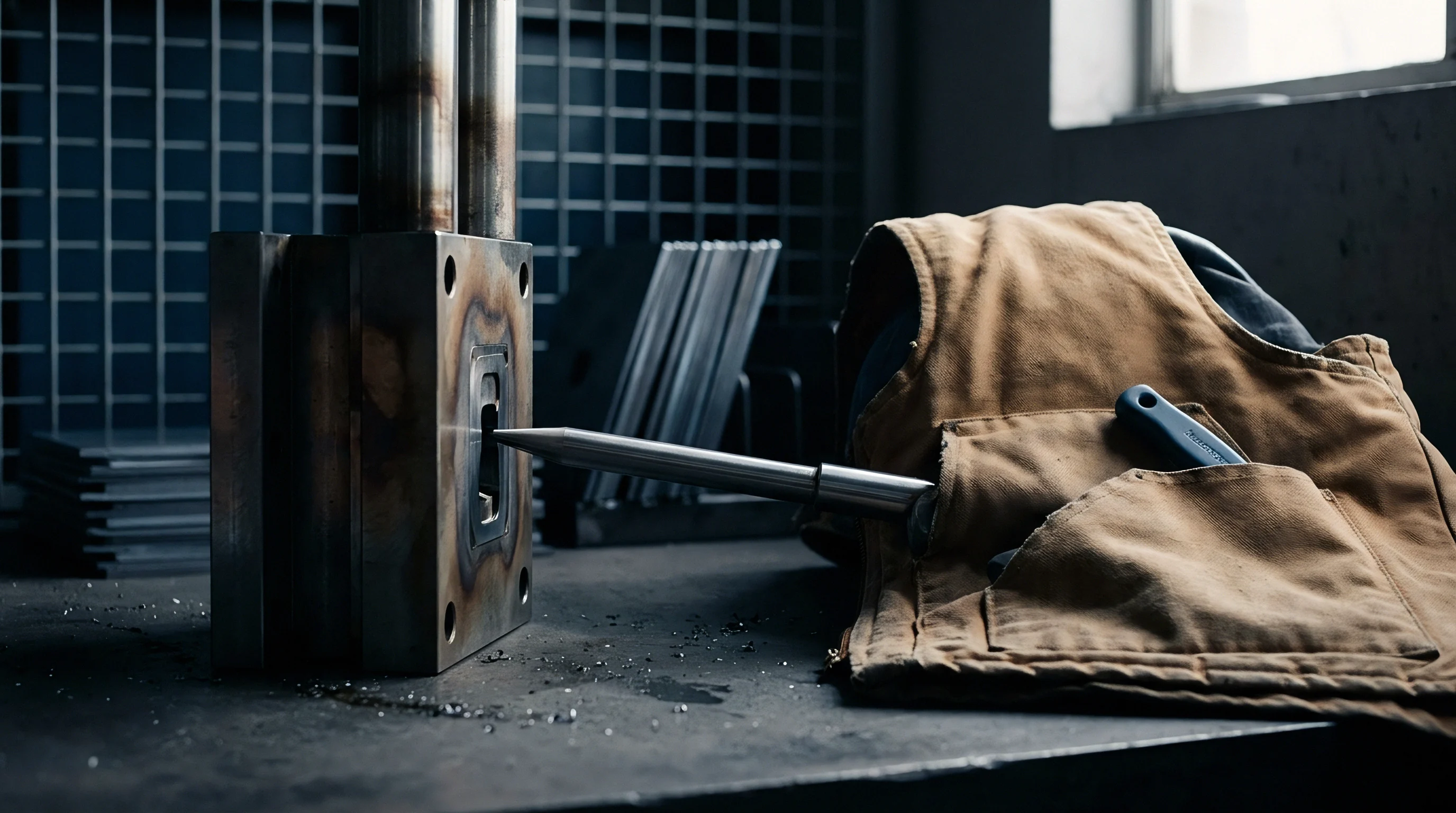
Establishing physical custody requires visible, structural markers on the tool itself. Painted numbers or adhesive labels offer zero protection when disputes break out on the factory floor; workers can easily peel off stickers or paint over codes before a judicial inspection. Effective physical marking requires deep structural engraving into the mold base steel plates, alongside heavy metal nameplates riveted into milled recesses.
The steel stamp should list the legal name of the offshore owner in both English and Chinese characters, the unique Zhongdeng Net registration number, and a clear statutory warning that the asset is encumbered property subject to judicial repossession.

Asset Tagging and Physical Segregation Protocols
Advanced floor control pairs passive electronic tracking with mechanical markers. Installing industrial radio-frequency identification tags and anti-tamper optical sensors directly into injection mold bases enables real-time location monitoring. Smart tags broadcast operational status and coordinates to local hubs, while tamper-evident seals placed across the parting lines of idle molds stop unauthorized production runs during contract suspensions or payment disputes.
Physical segregation requires dedicated space within the facility. Contracts should require buyer-owned tooling to sit in a fenced, locked enclosure whenever it is not mounted on an active press. This storage area needs clear exterior signage identifying the space as private property under third-party bailment.
Separating custom tooling from general factory inventory stops court bailiffs from accidentally seizing buyer assets during enforcement actions aimed at the supplier’s own equipment.
- Unengraved Mold Plates allow plant managers to grind off surface markings and claim ownership during sudden creditor audits.
- Missing Registration Notices on storage enclosures undermine physical bailment claims when court bailiffs inspect the factory floor.
- Co-mingled Inventory Storage risks judicial seizure of buyer tooling during general enforcement actions against defaulting suppliers.
- Unmonitored Tooling Movements open the door to unauthorized subcontracting of proprietary parts at secondary workshops outside the buyer’s jurisdictional reach.
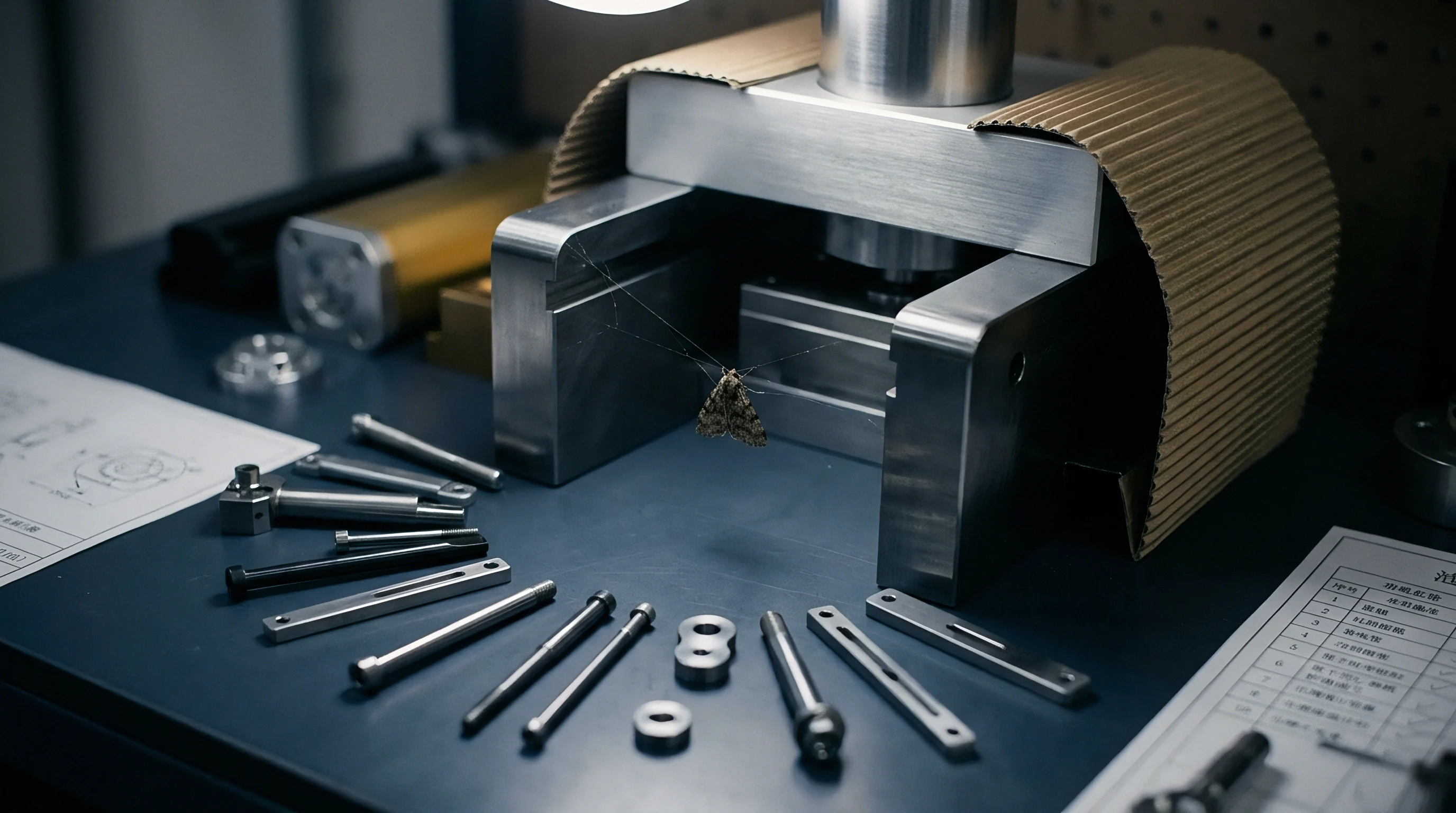
Routine site audits verify both physical condition and location. Overseas brands managing production in China remotely should schedule unannounced audits using local engineering staff or third-party inspection firms. Auditors need to cross-reference physical serial numbers against the registered Zhongdeng Net ledger, document wear parameters, and check anti-tamper seals.
These inspection reports provide vital contemporaneous evidence in PRC court proceedings, refuting supplier claims that tooling was modified, damaged, or abandoned by the buyer.
Operational Audits of On-Site Molds
Floor inspections often reveal early warning signs of financial distress before formal insolvency hits. Shift changes, stockpiles of unworked raw materials, or sudden turnover among shop-floor supervisors all point to operational trouble. When inspecting active tooling, technical teams should review press setup logs, maintenance histories, and scrap records.
Distressed suppliers usually cut maintenance budgets first, running unlubricated molds past service intervals and causing cavity damage or heavy flashing on finished parts.
Possession disputes frequently escalate when a supplier asserts a statutory lien over molds, claiming unpaid maintenance or modification fees. Article 447 of the PRC Civil Code permits a party to retain legally occupied movable property if the debtor fails to settle a due debt linked to that same legal relationship. In practice, claims for unpaid modification fees are often manufactured pretexts to hold high-value tooling hostage during commercial price negotiations.
| Marking Method | Tamper Resistance | PRC Court Evidentiary Weight | Operational Cost per Unit (RMB) | Verification Lead Time |
|---|---|---|---|---|
| Engraved Steel Plate (Milled) | High (Requires machining to erase) | Conclusive proof of identity | 1,500 – 3,500 | Immediate visual inspection |
| Industrial RFID / GPS Tag | Medium (Tamper-evident circuit) | Corroborative location data | 2,800 – 6,000 | Automated remote signal scan |
| Painted Identification Code | Low (Easily altered or painted over) | Weak (Easily disputed by vendor) | 200 – 500 | Immediate visual inspection |
| Adhesive Asset Sticker | Zero (Easily peeled off) | Inadmissible as sole proof | 50 – 150 | Immediate visual inspection |
Defeating pretextual retention claims requires strict contract separation between tooling construction costs, maintenance fees, and piece-part prices. Issuing separate purchase orders and distinct wire transfers for maintenance builds a clear record showing that all mold-related debt has been paid. Proving zero outstanding debt on that specific asset neutralizes the supplier’s statutory lien defense under Article 447, opening the door for immediate judicial repossession orders.
Engraving permanent bilingual identity markers into the mold base steel plate combined with registered Zhongdeng Net asset records eliminates supplier ownership claims during judicial inspections.
Distance amplifies operational vulnerability. Offshore management teams relying solely on video calls or periodic status updates rarely catch tooling being moved to secondary job shops. Maintaining an onshore physical presence through local technical staff remains the only reliable way to audit asset integrity.
A buyer in Ningbo lost access to a custom automotive stamping die set for five months because the contract failed to prohibit off-site subcontractor transfers, resulting in RMB 1,420,000 in idle line penalties and emergency replacement machining fees.

Litigation
Enforcing rights to encumbered machinery through Chinese courts requires strict adherence to the PRC Civil Procedure Law. Foreign plaintiffs must submit corporate qualification documents, board resolutions, and powers of attorney ~ all notarized in their home jurisdiction and authenticated by the local Chinese embassy or via Hague Apostille certification. Assembling this authenticated litigation package routinely takes six to twelve weeks before a court will formally docket the case.
Choice of law and forum selection clauses largely govern how fast a dispute moves. PRC courts honor foreign law selections in contracts involving foreign elements under the Law of the PRC on the Choice of Law for Foreign-Related Civil Relationships. However, choosing foreign law causes severe delays onshore: proving foreign legal principles requires expert witnesses, certified Chinese translations of foreign statutes, and formal judicial cross-examination.
Specifying PRC law and choosing the Intermediate People’s Court with jurisdiction over the supplier’s domicile speeds up proceedings significantly.

Jurisdiction and Choice of Law in Tooling Contracts
Dispute clauses favoring foreign arbitration tribunals ~ like the International Chamber of Commerce or the Singapore International Arbitration Centre ~ present a distinct strategic trade-off. An overseas arbitral award requires secondary recognition proceedings under the New York Convention before a Chinese court will execute seizure writs, adding eight to eighteen months to the timeline. By contrast, direct jurisdiction clauses naming competent PRC People’s Courts allow immediate applications for emergency pre-litigation asset preservation.
Pre-litigation property preservation ~ known in PRC practice as 诉前财产保全 (suqian caichan baoquan) under Article 104 of the Civil Procedure Law ~ is the primary tool to freeze tooling before a defaulting supplier can relocate or destroy it. The applicant must show that recovery will become impossible or unreasonably difficult without immediate judicial intervention. PRC judges mandate counter-security equal to the full value of the target property to indemnify the respondent against potential wrongful loss.

Pre-Litigation Property Preservation Mechanics
Counter-security previously required depositing cash directly into court escrow, tying up substantial capital. Contemporary Chinese practice permits property preservation litigation guarantee insurance ~ 诉讼保全保险 (susong baoquan baoxian) ~ issued by licensed domestic insurers. Foreign owners typically pay a premium of 0.15 percent to 0.5 percent of the asset valuation to secure a court-approved policy, meeting counter-security demands without locking up cash.
Execution of property preservation orders usually occurs within forty-eight hours of approval. Judges issue assistance execution notices to market regulation bureaus, industrial park management, and factory landlords, legally barring any transfer, movement, or modification of the tooling. Bailiffs then apply paper court seals across mold cavities and electronic press controllers, freezing the asset on-site until trial proceedings conclude.

Where Do Priorities Collide in Judicial Execution?
Priority disputes surface when multiple creditors launch property preservation actions against the same supplier. Under Article 50 of the PRC Supreme People’s Court Judicial Interpretation on Civil Execution, whichever court first executes a physical attachment or seal gains control of enforcement. A general trade creditor who obtains an early preservation order over factory machinery can prevent a foreign owner from extracting tooling, even if the foreign owner holds superior title.
When facing concurrent judicial attachments, a foreign owner must file an Execution Third-Party Objection under Article 234 of the Civil Procedure Law to challenge the seizure of non-debtor property. The objecting party must supply clear proof of identity, payment records, registered Zhongdeng Net entries, and executed bailment agreements. The court then suspends execution against the asset while reviewing the objection in formal hearings.
| Procedural Step | Statutory Standard | Required Documentation | Typical Processing Window | Financial Commitment |
|---|---|---|---|---|
| Preservation Application | Civil Procedure Law Art. 104 | Bilingual Application, Evidentiary Dossier | 24 – 48 Hours | Court Filing Fee (RMB 5,000 max) |
| Counter-Security Deposit | Civil Procedure Law Art. 108 | Cash Escrow or Insurer Guarantee Policy | 1 – 3 Working Days | 0.15% – 0.5% Asset Value (Insurance Premium) |
| Court Execution Order | Civil Procedure Law Art. 106 | Judicial Execution Writ, Assistance Notice | 24 Hours Post-Bond | Included in Court Costs |
| Physical Asset Seizure | Civil Procedure Law Art. 250 | Bailiff Inspection Record, Paper Court Seals | 1 – 2 Days On-Site | Local Transport / Storage Escrow |
Document preparation drives outcomes in PRC litigation. Any evidence generated outside China must be translated by court-accredited translation agencies within the mainland. Discrepancies between technical terms in the original contracts and their Chinese translations give defense counsel immediate room for challenge.
Precise legal and engineering translations prevent technical disputes over tooling descriptions during summary hearings.
Initiating pre-litigation property preservation under Article 104 of the PRC Civil Procedure Law requires property preservation guarantee insurance to freeze factory tooling within forty-eight hours of filing.
PRC civil trials rely heavily on documentary evidence rather than oral testimony. Statements from foreign engineering staff carry little weight unless backed by written records, signed inspection sheets, bank settlement receipts, and customs declarations. Maintaining a clean, chronological paper trail of payments and sign-offs is essential for enforcement.
Whether regional courts will consistently enforce emergency preservation orders over custom manufacturing equipment ~ especially when the supplier is a major employer in a county-level district ~ remains an unpredictable variable.


Seizure
Physically repossessing heavy machinery, injection molds, and stamping dies from a defaulting Chinese supplier is the most volatile phase of asset recovery. Winning a judgment or securing a preservation ruling is only the prerequisite. Extracting multi-ton steel tooling from an active factory floor demands tight logistical coordination, specialized rigging, heavy transport, and careful handling of local labor disputes.
Speed determines success.
Execution operations proceed under the authority of court bailiffs assigned by the enforcement division of the local People’s Court. Under Article 250 of the PRC Civil Procedure Law, enforcement officers have the power to enter vendor premises, search facilities, break locks, and remove specified assets. However, bailiffs operate under local social stability mandates: if factory workers or sub-contractors form blockades, bailiffs will often suspend execution to avoid civil unrest and push the parties back into mediation.

Execution Writs and Court Bailiff Operations
Overcoming local resistance requires active logistical planning before bailiffs set foot on site. Foreign owners must arrange, pay for, and manage all extraction resources. The court provides judicial authority and enforcement officers, but it does not supply riggers, flatbed trucks, cranes, or storage facilities.
Showing up without pre-positioned rigging crews and transport vehicles risks a failed execution attempt, giving the supplier time to hide assets or file counter-claims.
An extraction begins with an unannounced site entry alongside uniformed court bailiffs and local public security officers. Police involvement prevents interference from factory security or worker groups. Once inside, bailiffs serve the execution order on the supplier’s legal representative or shop-floor manager, lock down press controls, and match serial numbers against attachment orders.
Unstamped tooling plates halt enforcement immediately.

Logistical Extraction and Floor Repossession Execution
Pre-enforcement audits must verify access routes before starting an extraction. Molds weighing ten to forty metric tons require specialized overhead gantry cranes or mobile hydraulic systems to clear press tie-bars. Distressed suppliers frequently disable overhead cranes, cut main power breakers, or stack raw inventory around presses to block access.
Rigging crews should bring independent generators, heavy forklifts, and portable gantries to extract assets without relying on plant infrastructure.
Structuring security agreements directly with the operating entity streamlines execution workflows. Before physical extraction begins, the repossession team must secure storage in a neutral warehouse outside the supplier’s immediate municipality. Storing repossessed tooling in local rented facilities within the same industrial district leaves it exposed to retaliatory raids or secondary attachments by local trade creditors.
- Conduct pre-enforcement surveillance of the facility to confirm the tooling’s presence, press status, and extraction routes.
- Retain a certified domestic industrial logistics firm equipped with mobile cranes, heavy forklifts, and air-ride flatbed trailers.
- Secure third-party storage in a high-security logistics park with twenty-four-hour video surveillance and independent guards.
- Coordinate timing with the People’s Court enforcement division, securing written confirmation of police presence during site entry.
- Execute site entry, verify serial numbers, sign bailiff transfer logs, and complete rigging extraction within a six-to-twelve-hour window.
- Transport repossessed tooling under escort to the neutral warehouse, immediately lodging a formal custody receipt with the court.
Cross-border contracts fail at execution when physical logistics ignore site topography. Access roads leading to rural plants in township industrial clusters often feature weight limits, low power lines, or tight turning radii that block heavy transport trailers. Conducting detailed route surveys beforehand prevents costly delays during critical recovery windows.
| Manufacturing Region | Average Bailiff Schedule Lead Time | Local Protectionist Risk Level | Rigging & Transport Cost Range (RMB) | Average Site Extraction Duration |
|---|---|---|---|---|
| Pearl River Delta (Guangdong) | 5 – 10 Working Days | Low to Medium | 35,000 – 85,000 | 6 – 10 Hours |
| Yangtze River Delta (Zhejiang/Jiangsu) | 7 – 14 Working Days | Low | 40,000 – 95,000 | 8 – 12 Hours |
| Bohai Rim (Shandong/Hebei) | 10 – 20 Working Days | Medium to High | 45,000 – 110,000 | 10 – 16 Hours |
| Inland Circuits (Anhui/Hubei) | 14 – 30 Working Days | High | 50,000 – 130,000 | 12 – 24 Hours |
Managing shop-floor friction during extraction requires tactical caution. Distressed vendors often tell unpaid workers that foreign owners are stealing company property, inciting protests that block transport trucks. Repossession teams should carry bilingual legal dossiers, verified court writs, and police assistance notices.
Presenting these directly to worker representatives while explaining that bailiffs are enforcing a court order neutralizes misinformation and defuses conflict.
Coordinating heavy rigging logistics, mobile cranes, and certified air-ride transport before arriving on-site with court bailiffs enables complete physical extraction of injection molds within twelve hours.
Once extracted, assets need immediate technical inspection and rust prevention. Tooling pulled from humid factories or exposed to rain during transport degrades quickly without protective care. Engineering teams at the receiving warehouse should clean mold cores and cavities, apply industrial anti-rust spray, secure mold bases with transport straps, and document conditions with high-resolution photos to counter vendor claims of transit damage.
During contested site seizures, factory management frequently asserts that tooling cannot leave because unpaid workforce compensation attaches directly to the raw steel, while repossessing owners maintain that contractual bailment and title exclude the tooling from local operating liabilities.
Lien
Reclaiming tooling from a distressed Chinese supplier brings foreign owners into direct conflict with competing statutory liens held by domestic entities. Neither a registered movable mortgage nor clear title grants absolute immunity against overriding priority claims under PRC law. When a supplier stops operating, multiple domestic creditors move simultaneously to encumber machinery within the facility, creating complex priority deadlocks.
Statutory mechanics liens under Articles 807 and 847 of the PRC Civil Code grant contractors and repair workshops priority rights over work products created or modified under processing contracts. If a supplier modified mold cavities, replaced hot runners, or performed structural refurbishments without receiving payment, it holds a valid statutory lien. This lien permits the possessor to retain and sell the asset to satisfy unpaid engineering debts, taking priority over previously registered movable property mortgages.

Statutory Liens and Overriding Wage Claims
Employee wage priority under Article 113 of the PRC Enterprise Bankruptcy Law creates additional friction. In formal bankruptcy, employee claims for unpaid wages, statutory severance, and medical compensation take absolute priority over ordinary civil debts. Workers frequently occupy factory premises, locking gates and blocking equipment removal until municipal labor bureaus step in to arbitrate unpaid salaries, while industrial landlords maintain physical control over plant access gates.
Tax debts enforced under Article 45 of the PRC Law on the Administration of Tax Collection take precedence over unregistered security interests and can compete with registered mortgages created after tax delinquencies were recorded. Local tax bureaus issue administrative freeze orders against supplier accounts and plant machinery, blocking equipment movement until outstanding value-added taxes, corporate income taxes, and local surcharges are cleared.
Resolving third-party encumbrances through negotiated commercial settlements proves significantly faster than waiting for formal bankruptcy distribution decisions. Landlords routinely assert possessory control over tenant equipment when suppliers default on plant leases. Industrial leases often contain clauses granting landlords a contractual lien over all machinery brought onto the premises upon rent default.
While contractual landlord liens remain subordinate to registered movable property mortgages under the PRC Civil Code, landlords will physically block factory gates to prevent bailiff entry until back rent or utility bills are paid.

Settlement Mechanics for Unencumbered Asset Extraction
Resolving competing liens demands a pragmatic commercial framework that separates legal entitlement from physical extraction costs. Foreign owners facing factory blockades must weigh protracted court litigation against targeted settlements with primary lienholders. Paying a negotiated sum to clear outstanding rent or worker wage allocations often costs a fraction of the line-down losses incurred while an overseas assembly plant sits idle waiting for tooling.
Executing a multi-party encumbrance release agreement secures immediate asset extraction without waiving legal damages against the defaulting supplier. The release brings together the foreign asset owner, landlord, worker representatives, and executing court bailiff. It establishes settlement terms, defines extraction windows, and includes formal waivers releasing physical liens once funds hit a court-monitored escrow account.
Missing serial stamps stalled the recovery of four injection mold sets in Dongguan, requiring RMB 380,000 in direct landlord and labor settlements to clear factory gates within seventy-two hours, even where tax claims threatened to override secondary pledges.
Prolonged disputes over lien priority expose precision steel tooling to rapid physical degradation, atmospheric corrosion, humidity, and improper storage inside unheated, abandoned plants. Mold cores left untreated in coastal South China facilities develop deep pitting within three to six months, rendering multi-cavity tooling unusable for high-tolerance component manufacturing.
Extracting tooling from a distressed PRC supplier requires prioritizing immediate physical possession over long-term civil damages. Settling valid local liens quickly allows buyers to resume overseas production before priority disputes consume entire product cycles.