Meaning
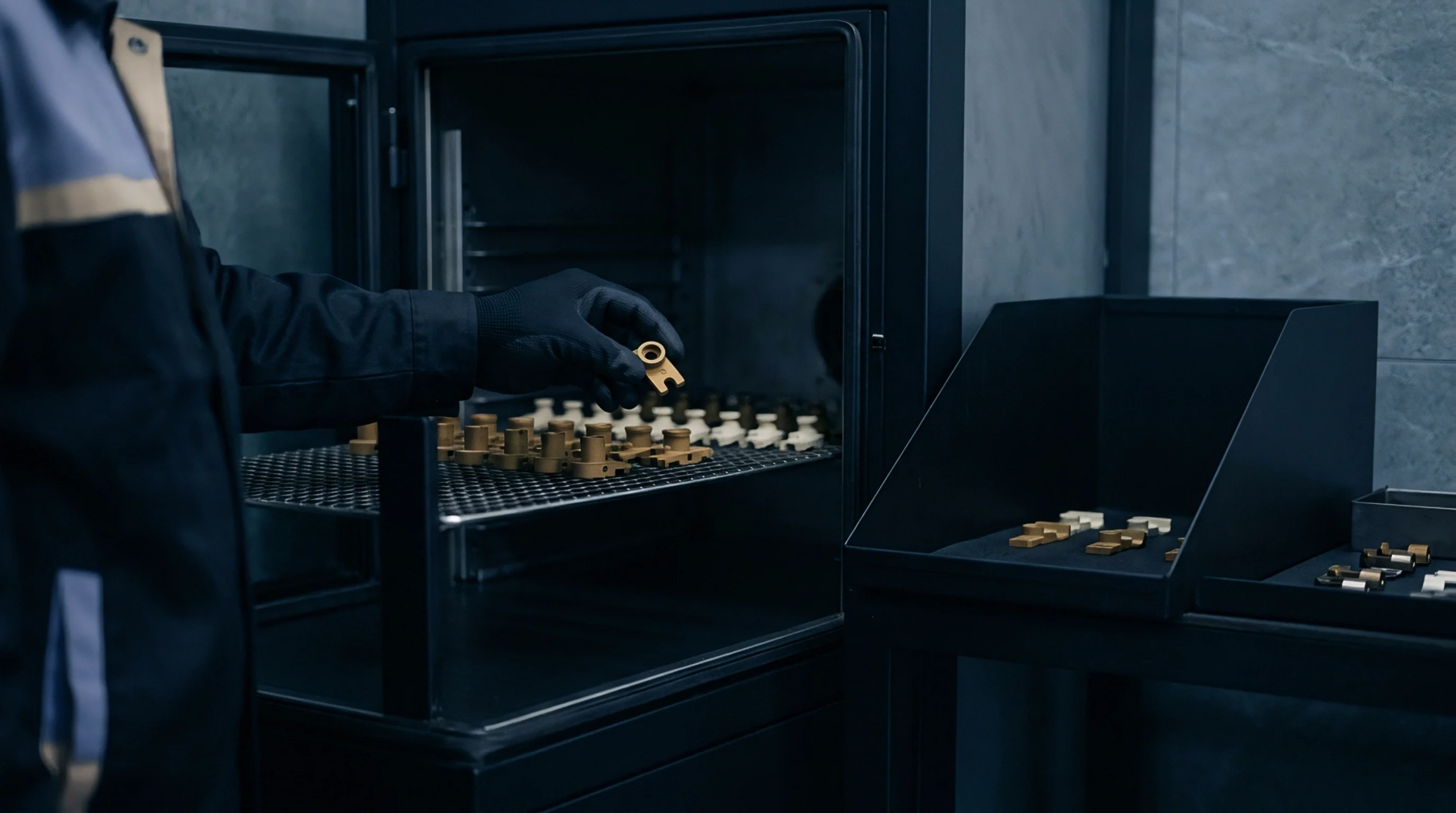
Water vapor absorption within polymer matrices alters structural integrity during high humidity processing. Hygroscopic plasticization lowers glass transition thresholds by inserting moisture molecules between polymer chains, which increases free volume and molecular mobility. Manufacturing facilities across coastal provinces monitor environmental moisture levels to prevent dimensional distortion in precision injection-molded components.
Regulatory bodies enforce strict material storage standards to control moisture uptake prior to thermal processing.
Environmental Control
Humidity management protocols dictate baseline requirements for raw material conditioning chambers in export-oriented manufacturing plants. Industrial dehumidification systems maintain ambient air moisture below specified dew point thresholds inside production halls. Production supervisors verify relative humidity measurements before releasing engineering plastics into automated feeder lines.
Regulatory Compliance
Provincial quality supervision bureaus inspect polymer drying logs during routine facility audits. Industrial operators maintain detailed records proving material moisture content remains within acceptable limits specified by the General Administration of Quality Supervision. Non-compliance findings result in formal administrative warnings or mandatory production halts until environmental controls achieve standard operational parameters.
Thermal Variance
Molecular chain lubrication accelerates softening rates when ambient temperatures rise alongside elevated moisture content. Processing machinery requires calibrated barrel temperature profiles to counteract viscosity drops caused by absorbed water. Tooling designers adjust mold dimensions to compensate for volumetric changes occurring during polymer solidification.