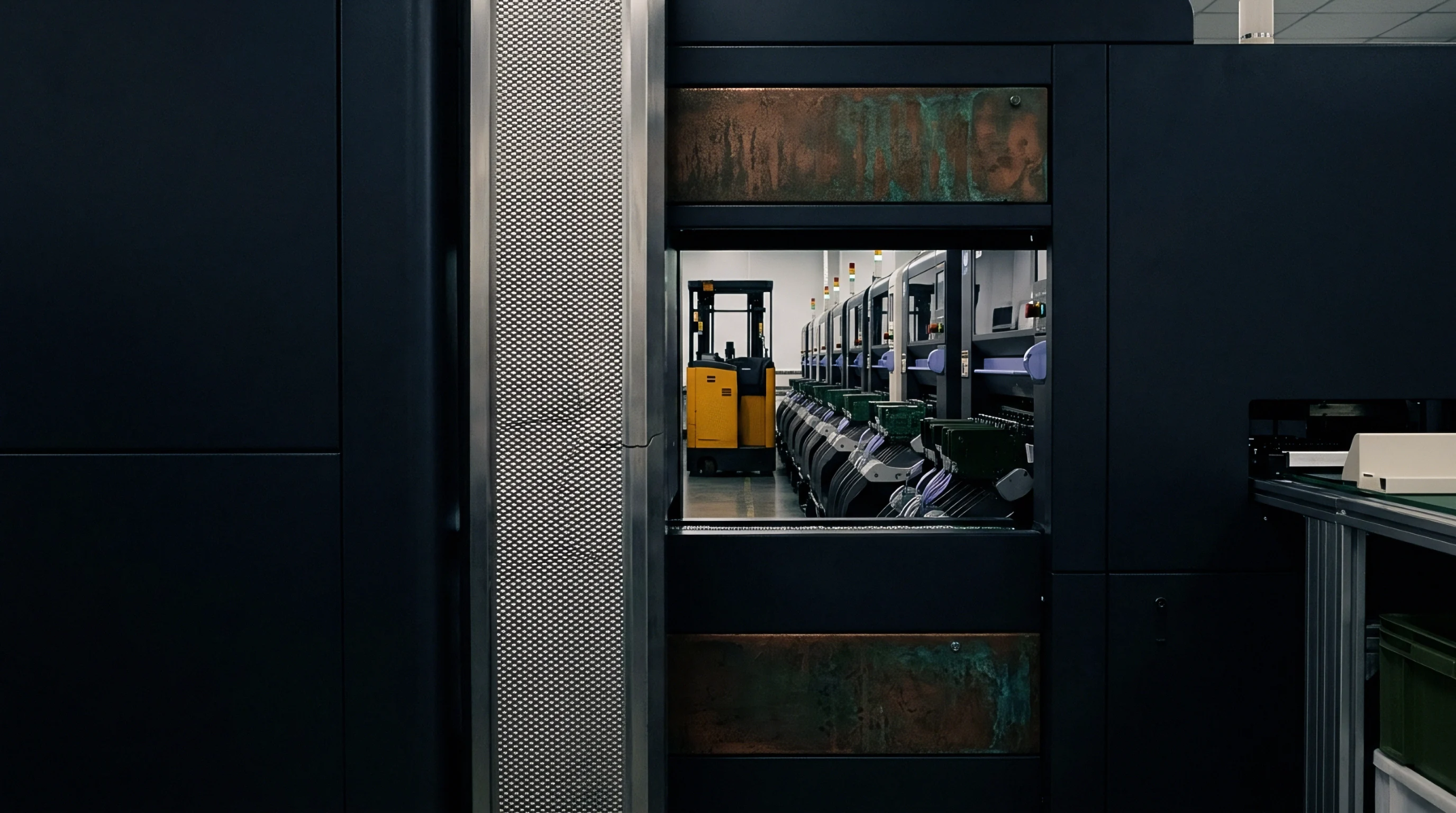
Fluoropolymer Coating Compatibility in High Humidity Asian Electronics Assembly
High ambient humidity degrades fluoropolymer coating adhesion by interfering with solvent flash off and interacting with ionic flux residues on assembly lines.
Guangdong assembly plants are physical manufacturing operations situated within the provincial boundary that transform imported or domestically sourced components into finished commercial goods through structured labor processes. Foreign-invested enterprises establishing these industrial sites must navigate complex administrative frameworks overseen by the Ministry of Commerce and local municipal bureaus. Such factories operate under rigid regional jurisdiction, meaning regulatory compliance depends heavily on municipal enforcement priorities rather than solely on national statutory text.
Foreign parties frequently encounter stringent environmental checks and labor inspection mandates that shape daily production scheduling inside the facility. Production units within this category require specific business licenses, environmental impact assessments, and customs registration certificates before manufacturing machinery can process raw inputs.
Administrative oversight governing these industrial sites stems from the Company Law of the People’s Republic of China and related foreign investment regulations enforced by provincial authorities. Local government agencies demand annual inspection filings and mandatory tax audits to verify that operational output aligns with approved business scope parameters. Statutory compliance demands precise alignment between registered capital declarations and actual machinery investments deployed on the shop floor.
Failure to maintain accurate filings with the administration for market regulation triggers administrative penalties, asset freezes, or potential revocation of the enterprise legal person status. Foreign investors exercise operational control through board resolutions, yet statutory liability remains tied directly to the designated legal representative registered with local authorities.
Supply chain continuity for these assembly operations relies on strict customs supervision books that track imported materials from port entry to finished goods export. Provincial customs authorities enforce strict inventory reconciliation rules, requiring factories to account for every unit of raw material utilized or scrapped during production cycles. Production schedules face periodic disruptions due to provincial energy curtailment policies and seasonal labor shortages affecting the Pearl River Delta industrial belt.
Local municipal bureaus impose specific discharge limits on industrial waste, compelling factory operators to maintain certified wastewater treatment systems within the perimeter of the plant.
Legal remedies available to foreign investors encountering administrative overreach in these facilities remain constrained by administrative litigation procedures and local arbitration frameworks. Contractual disputes involving suppliers or local partners must proceed through designated people courts or recognized arbitration commissions operating under mainland jurisdiction. Foreign parties cannot bypass domestic judicial avenues in favor of home country legal remedies when commercial conflicts arise from facility operations.
Execution of court judgments against domestic counterparties frequently encounters practical difficulties stemming from local asset protection and varied enforcement diligence across municipal boundaries.
High ambient humidity degrades fluoropolymer coating adhesion by interfering with solvent flash off and interacting with ionic flux residues on assembly lines.
Expertise is a utility, not a secret. sentiention™ publishes its working knowledge as open reference: intelligence layer covering the materials it sources, the markets it enters, and the reference that serves both.